


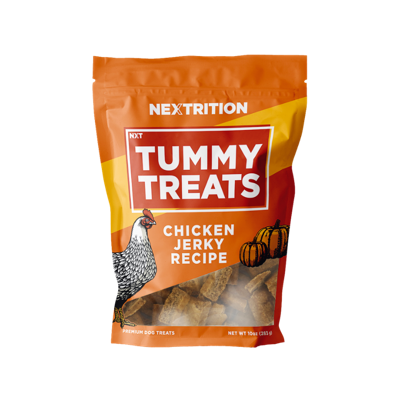
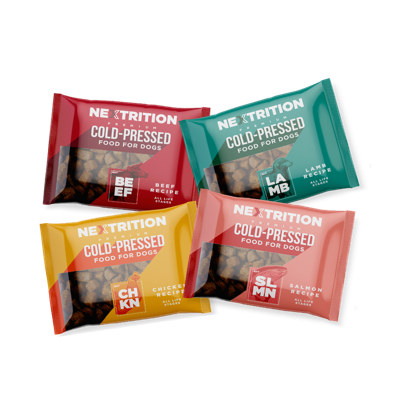
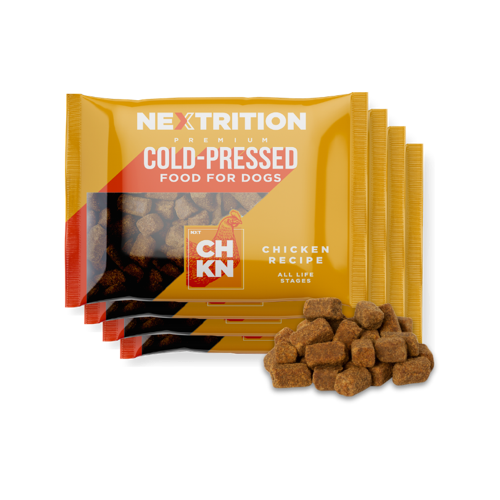
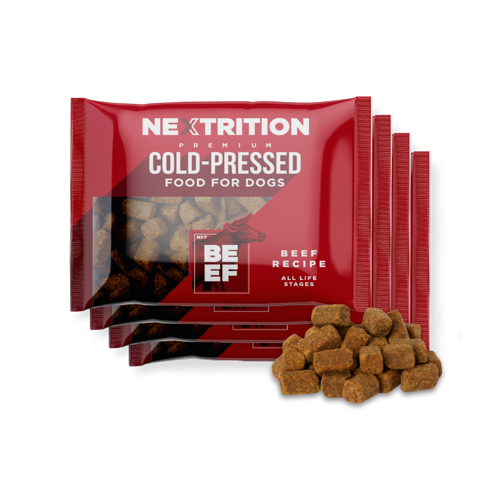


Summary: Kibble has been the gold standard of commercial dog food for some 70 years. But things have been changing. Cold press dog food is emerging as a superior alternative. It is leading the way as pet owners look to the future of how they feed their dogs.
For as long as most of us can remember, the crunchy kibbles in a large bag were the gold standard for canine nutrition. We dog owners have been led to believe that as long as the label on a dog food bag says the contents represent a balanced diet, the food inside must give our furry friends everything they need to live their best life.
Let's be real. There is more than one way to feed a dog. And some ways are better than others.
Kibble manufacturers have been coasting on production methods developed in the 1950s. They have been relying on technology like high-heat extrusion to make their products quickly and inexpensively, despite the fact that such technologies will degrade the natural nutrients and flavors of the ingredients.
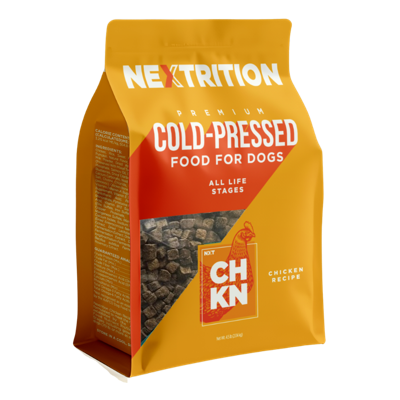
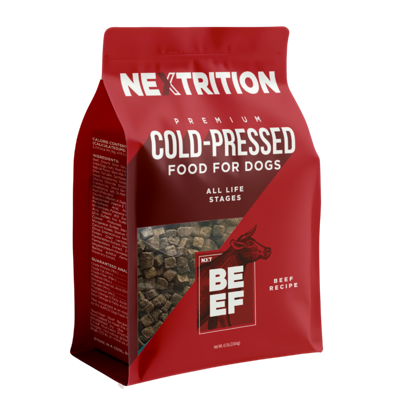
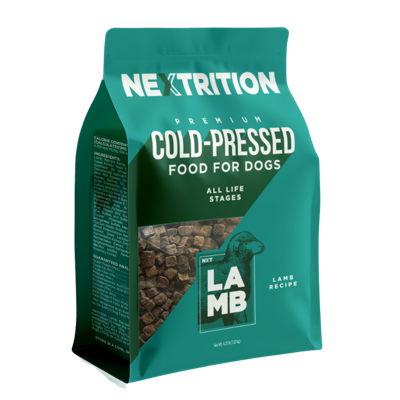
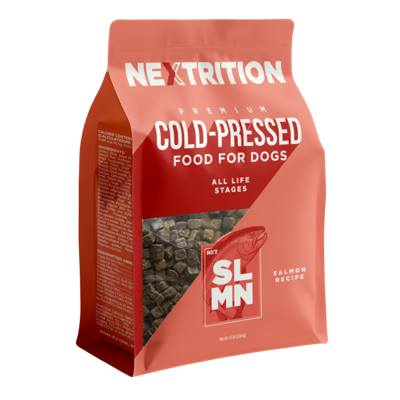
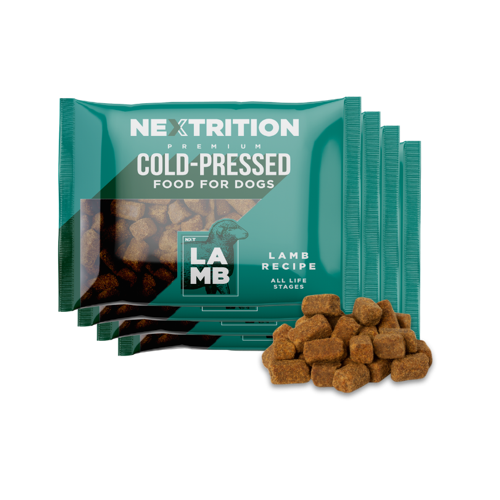
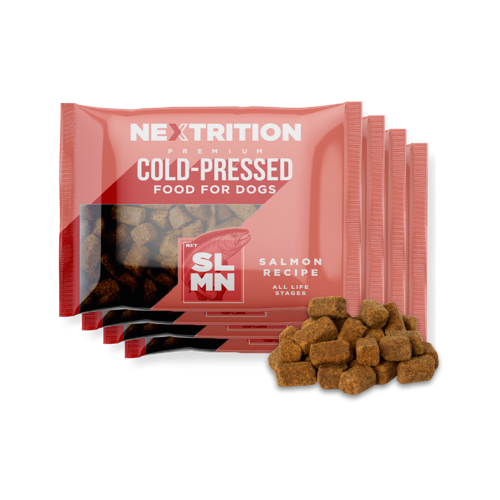
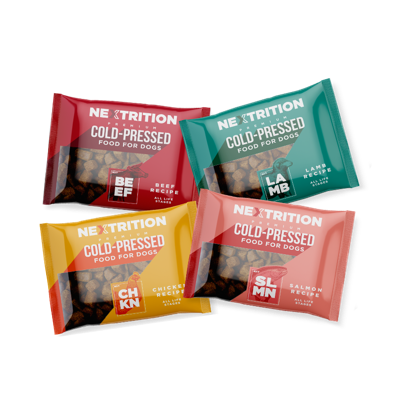
The good news is that dog lovers are seeing the light. With the arrival of 2026, the kibble status quo is being replaced by a food preparation method that actually respects ingredients. That method is cold pressing. If you are looking to up your game beyond traditional kibble, consider cold-pressed dog food from Nextrition.
Kibble's Downfall Was Inevitable
Back in the day, kibble was an attractive alternative to feeding table scraps or a custom diet. Buying a bag of kibble provided a consistent balance of nutrients meal after meal that was shelf stable. It took out the guess work of selecting ingredients and spending time preparing their meals. And remember that the late 1950s and early 1960s brought the idea of convenience to the American marketplace. Kibble was a natural fit.
Kibble is manufactured through extrusion which is able to combine a variety of ingredients and cook them quickly through extreme heat and pressure. This is an effective way to kill any potential harmful pathogens such as salmonella and E.coli. Processing under high heat also destroys vitamins and natural enzymes. It denatures proteins and strips away much of the natural flavor of the ingredients. Manufacturers are left with no other choice but to add synthetic vitamins and animal by-products to make the food appealing and restore nutrients to make it complete and balanced. Not ideal. But know this: cold pressing is entirely different. The cold-pressing process involves mixing ingredients and then gently pressing them at temperatures under 110 °F. Here is the result:
- Nutritional Integrity – More of the natural vitamins, minerals, etc. remain in the final product.
- No Additives – We don’t spray on any by-product additives to make the food palpable.
- Shelf Stable – Maintain the convenience of kibble but with the nutritional integrity of a fresh or raw diet.
Cold-pressed food is a clear step in the right direction to provide a better option vs. kibble. That is why cold pressing is leading the way in the current dog food revolution.
Food Break-Down vs. Food Bloat
In addition to providing more natural nutrition, cold-pressed dog food also wins the digestion competition. In other words, cold-pressed dog food is concentrated nutrition that is easier to digest than traditional kibble. When a dog eats kibble it will float in the dog’s stomach while cold-pressed will sink to the bottom. Cold-pressed food quickly breaks down in the gut from the outside in – just as it should, and just like raw food ingredients.
On the other hand, traditional kibble is like a sponge in your dog's stomach. When kibble exits the extruder it immediately puffs up which gives it the distinct crunchy texture and rounded corners. Because it ‘puffs’ it means there are pockets of air inside each piece that make it float and will absorb liquid and expand in the stomach. This can lead to gas, discomfort, and one of the big things dog owners tend to fear: bloat.
If you have ever seen your dog's stomach bloat after eating kibble, you now know why. You also know why your dog might vomit up entire pieces of kibble an hour after eating. It results from how kibble is manufactured, processed and digested.
Treating Dogs More Like a Loved Member of the Family
Over the last several decades, the role dogs play in our lives has changed dramatically. In the 1950s, many dogs lived outdoors, ate whatever was convenient, and were viewed more as working animals than family members. Today, dogs sleep indoors, curl up on couches and beds, and eat food stored right alongside the rest of the household’s groceries.
This cultural shift has reshaped how pet owners think about nutrition. When dogs are treated as loved members of the family, the goal is no longer just feeding for convenience. It becomes about supporting longevity, vitality, and overall quality of life.
As expectations have risen, so has scrutiny around ingredients. While traditional kibble was originally developed to prioritize shelf stability, consistency, and affordability, today’s pet owners are far more invested in understanding exactly what goes into their dog’s bowl.
Increasingly, dog owners expect higher standards from the food they choose, including:
- Clean, recognizable ingredients they can read, pronounce, and understand
- Clear protein sourcing, rather than vague or generic ingredient descriptions
- Minimal unnecessary additives, fillers, or overly processed components
- Transparent labeling that makes it easy to know what a dog is actually eating
- Nutrition that supports long-term health, not just basic daily needs
This shift has also elevated the role of food beyond calories alone. Nutrition is increasingly viewed as one of the most meaningful ways to help dogs thrive over time, supporting digestion, mobility, immune health, and overall wellbeing as they age.
Nextrition’s cold-pressed dog food was developed with these modern expectations in mind. By using a gentler, lower-temperature process than traditional extrusion, Nextrition helps preserve ingredient integrity while still offering the convenience of dry food. The result is a thoughtfully formulated diet that reflects how today’s pet owners care for their dogs: with intention, transparency, and a focus on a longer, healthier life.
Cold Pressing and Sustainability Goals
Cold-pressed dog food is also leading the way among consumers concerned about sustainability. Interestingly, the large corporate pet food manufacturers are high users of energy thanks to extrusion plants that consume a ton of energy to power their high-heat manufacturing processes.
Cold pressing uses less energy that doesn’t require any external heat sources or steam. It is a low-temperature method that inherently uses less energy and creates a more concentrated piece of food. Here's the kicker: dense, cold-pressed food allows dog owners to feed their animals up to 30% less than a traditional kibble. Less food equals smaller bags and more food on a truck, both of these contribute to less energy consumption.
There is a revolution going on in the dog food industry.
Cold-pressed dog food, like Nextrition, is leading the way. The future looks bright as more pet owners are choosing cold pressing over high-heat extrusion.
FAQs
Is cold-pressed dog food just raw food pressed into shape?
No, cold-pressed dog food treats each ingredient individually and will gently cook certain ingredients to ensure safety and digestibility. Every batch of Nextrition is tested to ensure it is free of harmful pathogens before shipping out.
Why do you recommend feeding my dog less?
The idea of feeding less is rooted in the fact that cold-pressed dog food is more nutritionally dense than kibble. Your dog is actually getting more nutrition with every bite.
Can I mix cold-pressed food with kibble?
Of course! Cold-pressed food can be a bit more expensive than a traditional kibble so even adding it as a topper to kibble can give your pup a boost of nutrition. When introducing any new food we recommend starting slow to allow your dog’s digestive system time to adapt.
Does cold-pressed dog food help with stinky breath?
Yes, it can! Both stinky breath is frequently linked to poor gut health. Cold-pressed dog food by Nextrition addresses this with a food that is easily digestible and includes pre, post and probiotics to help build a healthy gut.
Do I need to add water to cold-pressed food?
Adding water isn't necessary. However, it is a great hack if you want to create a little gravy coating for your dog's meal by pouring over a little water over their bowl of food 10-30 minutes before serving. You can also take any powder at the bottom of the bag and add some warm water to create a special treat for your pup, most dogs will enjoy this mixture even more than the normal pieces of food!


