




Finding the best food for a dog with an upset stomach gets messy fast. Too many “gentle” foods are still rich, vague, or only useful for a day or two. If your dog has a touchy gut, every bowl feels like a gamble.
The options worth feeding are easy to spot. They use digestible ingredients, match the problem at hand, and don’t ask an irritated stomach to do extra work (especially during diarrhea).
We cut this down to the foods that actually deserve your attention.
Show 5 more productsShow fewer products
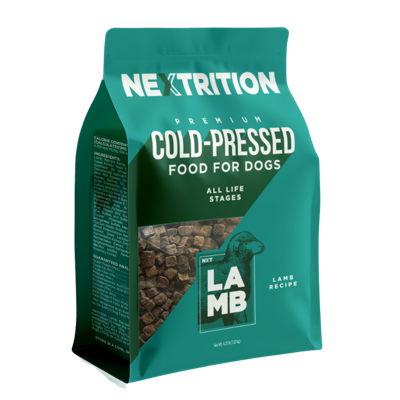
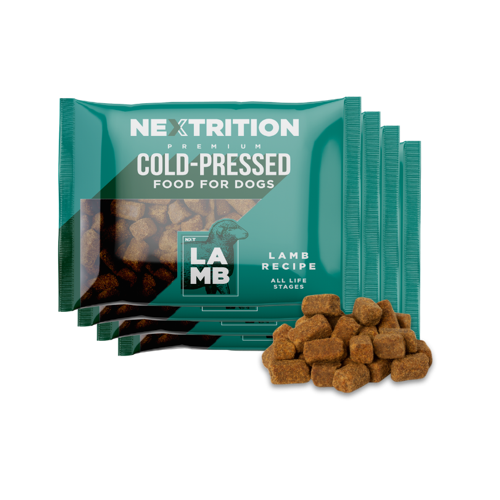
1. All-Natural Lamb Recipe

Pros
- Lamb-first recipe for sensitivities
- Cold-pressed for gentler digestion
- Complete daily alternative to bland diets
- Useful when chicken hasn't worked
- Made for consistent long-term feeding
Cons
- Less targeted than prescription formulas
- Not ideal for severe acute symptoms
- Lower moisture than wet foods
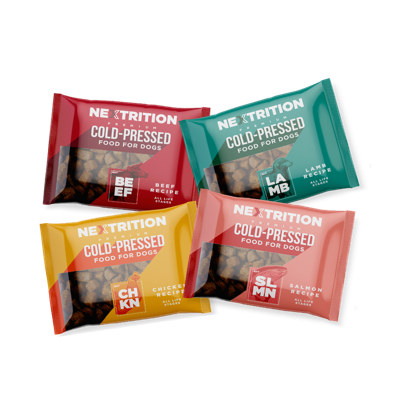
If your dog has a stomach that goes off more than once in a while, this is where we'd start looking. Not for a dramatic one day crash diet. For the dog who seems "mostly fine" until dinner turns into loose stool, gurgling, or a bowl they suddenly avoid.
Nextrition All-Natural Lamb Recipe makes sense when you want a real everyday food, not a temporary patch. Real lamb is the first ingredient, and that matters more than label poetry. When chicken hasn't sat well, lamb is often the cleaner reset for owners who are tired of playing ingredient roulette.
A few details here are worth paying attention to:
- it's cold-pressed rather than traditional kibble
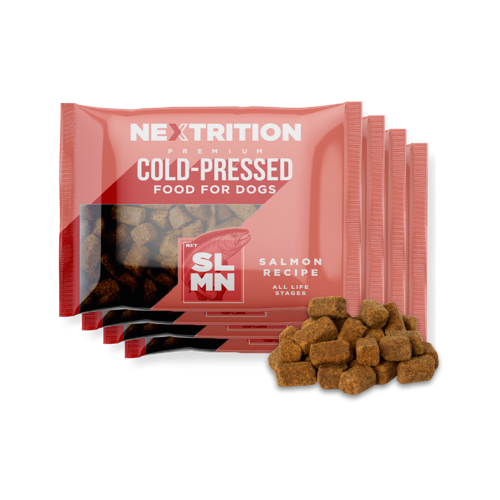
- over 12 pounds of whole fresh ingredients are cold-pressed into a 4.5 lb bag
- it's specifically positioned for sensitive stomachs
- the lower-temperature process is meant to preserve more of the natural nutrition in the ingredients
Cold-pressed food sits in an interesting middle ground. You still get the convenience of a dry-style food, but not the same hard, heavily cooked nugget that some sensitive dogs struggle with. We've seen a lot of owners want something gentler without moving fully into canned or refrigerated feeding. That's the lane.
This is also one of those cases where routine matters as much as ingredients. A sensitive dog often does better when the food stays consistent, digestible, and clean enough that you can actually tell what they're reacting to. Chaos in the bowl creates chaos in the gut.
A bland diet can calm a flare-up. It doesn't build a stable routine.
Compared with the prescription Hill's foods, this is less medical and less targeted for an active GI episode. Compared with chicken-and-rice style bland diets, it's a full daily food, not a short bridge. If your dog is having severe vomiting, persistent diarrhea, or signs of dehydration, this wouldn't be our first move. But for recurring sensitivity and long term feeding confidence, it's a strong one.
2. Hill’s Prescription Diet Gastrointestinal Biome Wet Dog Food

Pros
- Clinically shown diarrhea relief
- Helps reduce recurrence risk
- Targeted ActivBiome+ microbiome support
- Wet stew tempts low appetites
- Therapeutic formula beyond home remedies
Cons
- Prescription required
- Overkill for mild sensitivity
- Chicken recipe won't suit all
This one is for the dog whose upset stomach looks less like vague sensitivity and more like active diarrhea that needs to settle down fast. At that point, most owners are done guessing. Fair enough.
Hill's Gastrointestinal Biome Wet is a chicken and vegetable stew built around ActivBiome+ Digestion, with a clear therapeutic purpose. The headline detail is the important one: it's clinically shown to help resolve diarrhea in as little as 24 hours and help reduce recurrence. That's a different conversation from "gentle ingredients" or "premium everyday nutrition."
The wet stew texture matters more than people think. Dogs with GI flare-ups often get picky, or they just feel lousy enough that dry food is a harder sell. A softer, more aromatic food can get intake moving again when appetite is low.
Here's where it fits best:
- stool quality is the main issue
- you want microbiome support, not a home remedy
- your vet has already told you this is a digestive case, not just a one-off mess
This is narrower than the general i/d line. That's the point. It leans harder into gut bacteria support and diarrhea recovery, so it can feel like overkill for a dog with only occasional mild stomach sensitivity. But when the pattern is obvious, targeted beats trendy.
The tradeoff is simple. You need the prescription, and you need to accept that this is a veterinary tool first, not a lifestyle food.
3. Hill’s Prescription Diet i/d Chicken & Vegetable Stew Dog Food
Pros
- Highly digestible recovery stew
- Soft texture for low appetite
- Added moisture eases refeeding
- Electrolytes and B vitamins help
- ActivBiome+ supports gut health
Cons
- Prescription required
- Chicken may not suit all
- Cans are less convenient
Some dogs don't need the diarrhea-specific push of Gastrointestinal Biome, but they still need a true digestive-care formula. That's where i/d stew lands. It's a broader recovery and management food.
This wet chicken and vegetable stew is highly digestible, includes ActivBiome+ Digestion support, and adds electrolytes and B vitamins to help replace what can be lost during digestive issues. That last part is easy to skip past on the label, but it's useful in real life. A dog coming off vomiting, loose stool, or poor intake may need more than "easy to eat."
Wet therapeutic food is often easier to reintroduce after an upset stomach for a few reasons:
- the texture is softer
- the moisture helps
- portioning smaller meals feels more natural
- many dogs will accept stew before they'll accept dry food again
This sits between two extremes. It's more structured and complete than a homemade bland meal. It's less narrowly targeted than the Biome formula. That middle ground is useful, especially when your dog needs support but the case isn't cleanly one thing.
There is a catch. Chicken won't suit every dog, especially if you've noticed repeated issues around poultry. And canned feeding gets less convenient when you're feeding a large dog twice a day or managing more than one dog in the house. Still, for a dog that needs digestive support and will eat wet food more willingly, this is a practical recovery choice.
4. Hill’s Prescription Diet i/d Chicken Flavor Dog Food
Pros
- Highly digestible GI support
- Dry format fits daily routines
- ActivBiome+ supports gut health
- Easy storage and measuring
- Large bags suit longer use
Cons
- Less tempting during nausea
- Lower moisture than wet food
- Prescription access required
Dry food isn't automatically the wrong answer for a sensitive stomach. It just depends on the stage you're in. During active nausea, stew usually wins. Once things are steadier, dry can make life easier.
Hill's i/d Chicken Flavor is the convenience-first prescription option in this group. It's a highly digestible adult dry food with ActivBiome+ Digestion support, built specifically to help manage digestive upsets. It also comes in larger bag sizes, which matters if your dog may need this as part of a longer routine rather than a few cautious meals.
Why owners still choose dry, even for GI dogs:
- it's easier to measure accurately
- storage is simple
- no cans, no refrigeration, less mess
- it works better for automatic feeders and tighter routines
That practicality is real. Not every household wants the friction of opening multiple cans a day.
Still, dry has a ceiling during active stomach trouble. It gives you less moisture than wet food, and some dogs just don't want crunchy food when they're queasy. So we'd look at this more as the prescription option for maintenance, structure, and household ease, not the one we'd reach for first if the dog is hunched over and turning away from the bowl.
5. Hill’s Prescription Diet i/d Low Fat Rice, Vegetable and Chicken Stew Dog Food
Pros
- Helpful when fat triggers symptoms
- Soft stew suits low appetite
- ActivBiome+ supports digestive balance
- More complete than bland diets
Cons
- Prescription access required
- Chicken may not suit all
- Too specific for some dogs
Low fat digestive food can be exactly right, or completely unnecessary. That's why this option deserves a careful read rather than blind trust.
Hill's i/d Low Fat stew is a prescription wet food with rice, vegetables, and chicken, plus ActivBiome+ Digestion support. The part that sets it apart is obvious but important: this is the therapeutic choice when fat tolerance is part of the problem.
Some dogs don't just have "sensitive stomachs." They react badly to richer meals. You see it after fatty treats, table scraps, richer canned food, or even foods that look clean on paper but still hit too hard. In those cases, lowering fat isn't a gimmick. It's often the move that stops the cycle.
A few signs this deserves a closer look:
- symptoms seem worse after richer foods
- your vet has flagged fat restriction
- standard digestive formulas still feel a little heavy
This isn't a universal answer. If fat hasn't been part of the issue, standard i/d may be a better fit. But if your dog clearly does better when richness comes down, don't ignore that pattern just because the ingredient list looks otherwise respectable. Some stomachs tell the truth fast.
6. Freshpet Sensitive Stomach & Skin Steam Cooked Chicken Recipe with Pumpkin & Brown Rice

Pros
- Fresh texture helps picky eaters
- Pumpkin and rice aid digestion
- Prebiotics support gut balance
- Omega fats support skin health
- Complete adult maintenance formula
Cons
- Refrigerated roll needs fridge space
- Chicken may not suit every dog
- Less targeted than prescription diets
This is a solid middle option for owners who want fresh food without moving into prescription territory. It's less clinical than Hill's, more complete than a bland diet, and aimed at the dog who has mild recurring stomach issues with a side of skin or coat sensitivity.
Freshpet uses a gently steam-cooked chicken recipe with pumpkin, brown rice, natural prebiotics, vitamin A, and omega 3 and 6 fatty acids. On paper, that combination makes sense. Pumpkin and brown rice are familiar comfort ingredients for digestive support, and the skin-and-coat angle is useful for dogs whose sensitivity doesn't stay neatly in the gut.
Sometimes the clue isn't just loose stool. It's loose stool plus dry skin, itchiness, or a coat that loses its shine.
This food has a few practical strengths:
- fresh-food appeal can help with picky appetites
- softer texture is easier for some dogs during mild stomach irritation
- it's built for adult maintenance, so you're not treating it like a short emergency fix
The tradeoff is the refrigerated roll format. Some owners love it. Others get tired of fridge space, slicing portions, and shorter handling windows. And again, chicken isn't always the right protein for a dog with ongoing digestive issues. That's where a lamb based daily food can separate itself.

7. Whole Life Pet Chicken & Rice Bland Diet

Pros
- Two simple human-grade ingredients
- Warm rehydrated meal feels gentle
- Convenient versus homemade chicken and rice
- Soft texture can encourage eating
- Useful for short-term digestive resets
Cons
- Not complete for long-term feeding
- Chicken may not suit every dog
- Limited use beyond brief flare-ups
When someone asks, what should I feed my dog with an upset stomach, this is the classic answer in a more usable format. Simple chicken and rice still has a place. The mistake is pretending it solves everything.
Whole Life Pet's Chicken & Rice Bland Diet uses two human-grade ingredients, chicken and rice, in a freeze-dried format. You add hot water, let it rehydrate, and serve it warm. For a rough stomach day, that's practical and easier than boiling your own chicken at 9 p.m. while your dog stares at you.
There are moments when simplicity is the whole point:
- after vomiting
- during a brief bout of diarrhea
- when you want to stop layering variables onto an irritated gut
A warm, soft, hydrating meal can go down easier than dry food, and the narrow ingredient list helps reduce noise. That's useful. But it is still a bridge, not a destination.
Short term relief and long term nutrition are not the same job.
If your dog rebounds quickly, great. If the stomach upset keeps repeating, chicken and rice stops being a solution and starts becoming a stall tactic.
8. Whole Life Pet Nature’s Remedy Recover Beef & Rice Diet
Pros
- Beef alternative to chicken bland diets
- Two simple human-grade ingredients
- Warm rehydrated meal feels gentle
- Useful for short digestive resets
Cons
- Not suitable for long-term feeding
- Freeze-dried prep adds an extra step
- Beef may not suit every dog
This is the same basic idea as the chicken-and-rice bland option, with one important shift: beef instead of chicken. That sounds minor until you've lived with a dog who just doesn't do well on poultry.
Whole Life Pet Nature's Remedy Recover Beef & Rice Diet is a freeze-dried interim food made from two ingredients, beef and rice. You add equal parts boiling water, wait, cool, and feed. It's explicitly meant for stomach distress and occasional vomiting or diarrhea.
Protein choice matters even inside a bland diet. If chicken has been a repeat offender, or if you simply want an alternative when doing a short digestive reset, beef and rice can be the cleaner test.
This option works best when:
- you want bland-diet simplicity
- you don't want chicken
- the goal is a short reset before returning to a complete food
It's still temporary by design. You need a thoughtful transition out of it once your dog's stomach settles. Otherwise, you're just keeping the bowl small and plain while ignoring the bigger pattern.
| All-Natural Lamb Recipe | Hill’s Prescription Diet Gastrointestinal Biome Wet Dog Food | Hill’s Prescription Diet i/d Chicken & Vegetable Stew Dog Food | Hill’s Prescription Diet i/d Chicken Flavor Dog Food | |
|---|---|---|---|---|
| Prescription required | × | ✓ | ✓ | ✓ |
| Chicken-free option | ✓ | × | × | × |
| Wet stew format | × | ✓ | ✓ | × |
| Helps tempt low appetite during flare-ups | × | ✓ | ✓ | × |
| Targeted for active diarrhea relief | × | ✓ | × | × |
How to Choose the Best Food for Dog With Upset Stomach
Before picking a product, sort the situation. Is this one bad day, or is this your dog's pattern now? Owners waste a lot of time choosing between labels when the real decision is food type.
Start here:
-
Short-term reset
Use a bland, simple option when the goal is to calm the stomach for a brief window. -
Prescription intervention
If symptoms are more serious, diarrhea-focused, persistent, or clearly need veterinary input, go straight to a therapeutic formula. -
Gentler daily diet
If the issue keeps repeating, you probably need a complete food your dog can actually stay on.
Then narrow it with the practical stuff.
Protein tolerance
Chicken works for many dogs, but not all. Lamb is often worth a serious look when chicken based foods haven't gone smoothly. Beef can also be useful, especially in a short term bland diet.
Form matters
Wet, dry, refrigerated fresh, freeze-dried rehydrated, and cold-pressed all behave differently.
- wet food is often easier when appetite is low
- dry food is simpler to store and measure
- freeze-dried bland food is fast when you need a temporary reset
- refrigerated fresh food appeals to some picky dogs
- cold-pressed can be easier on digestion than standard kibble while still fitting a daily routine
Fat level
Not every upset stomach needs low fat. Some absolutely do. If richer foods seem to make things worse, pay attention to that instead of arguing with it.
Simplicity versus completeness
A bland diet can help settle things down. It won't carry your dog nutritionally for the long haul. Complete foods are for routine. Interim foods are for a window.
Veterinary oversight
Some cases need it. Severe symptoms, frequent recurrence, low energy, poor appetite, and dehydration concerns are not the time to get clever with toppers and internet folklore.
If you want the cleanest shortlist: choose the food type first, then the specific product.

What Should I Feed My Dog With an Upset Stomach?
Most owners don't need more theories. They need a calm answer they can use tonight.
- What should I feed my dog with an upset stomach depends on whether the issue is temporary, recurring, diarrhea-focused, or severe enough to need prescription care.
For a short term bland approach, a simple rehydrated chicken-and-rice or beef-and-rice option is often the easiest place to start.
For recurring sensitivity, look past stopgap meals and toward a complete daily food built for gentler digestion. That's where a premium sensitive-stomach option, especially one made with clean ingredients and an easier-to-digest format, starts to earn its place.
For a dog with acute diarrhea or more medically significant GI issues, a prescription digestive formula is usually the smarter route. It removes a lot of guesswork.
If your dog seems to react badly to richer meals, a low-fat digestive option may fit better than a standard digestive formula.
A few feeding moves help regardless of food choice:
- serve smaller meals
- lean toward softer, moist food when appetite is low
- don't switch abruptly
- don't add three new "gut support" extras at once
The goal isn't to find the trendiest bowl. The goal is to calm the gut enough that both of you can stop spiraling around mealtime.
Common Mistakes That Can Keep an Upset Stomach Going
The wrong food can be a problem. The wrong feeding behavior is often the bigger one.
We've seen these mistakes drag out cases that should have settled faster:
- switching foods too quickly and creating a second digestive issue
- treating a recurring sensitivity like it's always just a one-off flare-up
- adding rich toppers, broth, treats, or several supplements all at once
- assuming every sensitive dog needs chicken and rice forever
- staying on an ultra-simple interim diet too long
- buying based on marketing language instead of digestibility, protein tolerance, and format
- waiting too long to escalate when symptoms are frequent, intense, or paired with low energy, poor appetite, or dehydration
One of the most common mistakes is trying to "help" too aggressively. Sensitive stomachs usually do better with fewer variables, not more. A simpler plan gives you cleaner feedback.
Conclusion
The sorting logic is pretty simple once you stop treating every upset stomach like the same problem. Use a bland interim diet for a brief digestive reset. Use prescription digestive care when symptoms are more serious, persistent, or clearly GI-driven. Use a complete sensitive-stomach daily food when the real issue is ongoing digestive fragility, not just one rough day.
From there, narrow by fit:
- ingredient-conscious everyday support
- diarrhea-targeted therapeutic care
- wet versus dry convenience
- lower-fat digestive support
- simple bland feeding for short windows
Match the food to your dog's pattern, transition carefully, and pay attention to what the bowl keeps telling you. If the upset stomach keeps coming back, it's time to move from reactive feeding to a more intentional digestive-support routine.


