




Shrimp is a popular seafood in America. It’s considered affordable, versatile, delicious, and extremely nutritious. But is it safe for our dogs?
The good news is that not only is shrimp safe for our pups, but it’s also incredibly beneficial for their health. A few pieces of cooked shrimp without the shell can provide additional protein, vitamins, and minerals to your dog.
In this article, we’ll explore the many benefits of this shellfish in detail and discuss the various ways in which you can incorporate it into your dog’s diet.
4 Health Benefits of Feeding Shrimp to Dogs
Below we have listed 4 amazing health benefits of feeding shrimp to your dogs:
1. Helps Improve the Skin & Coat Health
Shrimp contains omega-3 fatty acids that can significantly improve the quality of your dog’s skin and coat. It can help boost the immune system which in turn helps prevent and heal various skin allergies that can cause fleas, itchiness, dryness, and shedding.
Furthermore, omega-3 fatty acids can also have other positive effects on a dog’s health, such as:
- Proper brain development in puppies
- Help improve cognitive function
- Support heart and vascular function
- Great for vision and eye health
- Acts as an anti-inflammatory
- Can prevent and reduce joint pain and mild stiffness in older dogs

2. Rich in Antioxidants
Shrimp contains Astaxanthin, which is a carotenoid that gives shrimp its pink or reddish color. What you might not know is that carotenoids are also extremely potent natural antioxidants. They can help your dog’s body fight against harmful free radicals and prevent chronic inflammation.
These antioxidants also boost the immune system of our dogs and reduce the risk of many health issues including respiratory diseases, infections, allergies, immunodeficiencies and autoimmune disorders, arthritis, and heart disease.
3. Good Source of Protein
Shrimp provides a high amount of protein with fewer calories. In fact, 100 grams of shrimp contains approximately 24 grams of protein which is almost the same as chicken which contains 27 grams per 100 grams, and beef which contains 26 grams per 100 grams.
Thus you can feed your dogs shrimp as a treat to supplement their daily nutrition and support their proper growth and development.
But make sure shrimp isn’t the sole protein source in your dog’s diet as it is high in cholesterol which can be harmful in large amounts. Use shrimp as an occasional treat that you serve with their well-balanced daily meal.
4. Provides Many Nutrients
Shrimp has an impressive nutrition profile as they contain many vitamins and minerals. They are especially rich in vitamin B12 which is directly linked to our dogs' cognitive and neurological health. It’s also an essential vitamin required for metabolic functions like breaking down fat and protein.
Besides that, shrimp also contains a wide range of minerals including iron, phosphorus, potassium, zinc, magnesium, and sodium. All of these affect different parts of a dog’s body and help support many vital functions.
How to Feed Shrimp to Your Dog
Shrimp is safe for dogs but you need to know a few things while feeding them to your dog:
Serve in Small Amounts
Our dogs usually love the taste of shrimp which makes it easier to go overboard. But you should know that even though shrimp contains many nutrients and antioxidants, they are also high in cholesterol.
Thus you need to be careful of the portion sizes and serve only one or two shrimp in a week. You can also talk to your veterinarian to determine how many shrimp your dog can eat safely.
Furthermore, if your dog is overweight or diagnosed with any health issues like hyperlipidemia, diabetes, or pancreatitis, avoid feeding them cholesterol-rich food like shrimp without consulting a veterinarian.
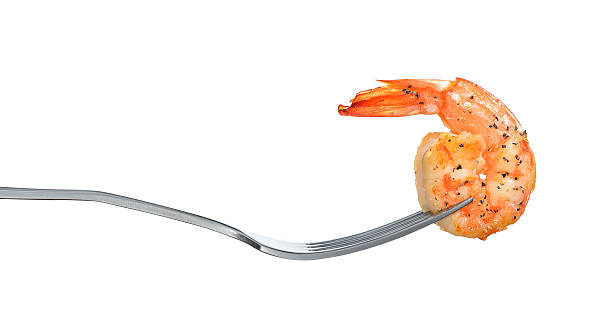
Remove the Shell & Tail
You should always remove the shell and tail of the shrimp before feeding it to your dog. The shells are made of chitosan, which is hard to digest and their sharp and brittle texture can be a choking hazard or causes obstruction in your dog’s gastrointestinal tract. The tail too can lead to many stomach problems.

Always Cook Shrimp Before Serving
Shrimp are versatile and you can cook, boil, or steam them before feeding your dog. Just avoid feeding raw shrimp as it might contain bacteria and other pathogens like E. coli, listeria, tapeworms, and salmonella.
You should also avoid fried shrimp as even though it isn't toxic for a dog, it isn't a healthy choice. These are usually battered and deep fried, adding extra calories that can lead to many digestive problems for our little pups. It can also increase their fat and carb intake leading to some major health issues.
You can safely prepare shrimp for your pup like you'd prepare it for yourself. Just follow these steps.
1. Remove the shells and tail
2. Rinse with water
3. Start cooking by boiling or steaming them
4. Don’t add any salt, spices, or other seasonings as they can be harmful to your dog’s health
Once cooked, allow it to cool down and serve as a treat on its own or use them as a meal topper. You can also mix the shrimp with cooked rice and other vegetables to prepare a meal for your pup.

Some Precautions While Feeding Shrimp to Your Dog
While shrimp is nutritious and delicious for your pup, you still need to beware of the following risks:
Shrimp Has High Cholesterol
As also mentioned above, shrimp has high cholesterol which can lead to heart problems when served in large quantities. Thus it’s advisable to get in touch with your veterinarian to determine whether or not your dog needs shrimp in their diet. They can advise you according to your dog’s nutritional needs and prior health conditions.

Risk of Bacterial Infections
Pet owners are often concerned about the risk of bacteria and parasites like salmonella, E. coli, vibrio, listeria, etc. But this can be easily avoided by cooking shrimp before feeding as it will kill all the pathogens.
If by accident your dog eats a raw shrimp, you should montior their reaction and if they show any symptoms of stomach discomfort like nausea, vomiting, or diarrhea, call your veterinarian immediately.
Monitor for Allergic Reactions
If you’re feeding shrimp to your dog for the first time then you need to be careful of an allergic reaction. You should start by feeding them just 1 cooked shrimp and monitor their reaction for at least 24-48 hours.
Look out for the following signs:
- Upset stomach, vomiting, diarrhea
- Constant sneezing or wheezing
- Itchiness or hives
- Swelling around the face, ears, or lips
- Red or inflamed skin
- Itchy ears or ear infections
- Itchy and runny eyes
- Constant licking
If you notice any of these signs of an allergic reaction, contact your veterinarian immediately.

Summing Up
Shrimp is healthy and nutritious for our pups. It contains omega-3 fatty acids that can help improve their skin & coat health, boost their immune system, and offer many other wide-ranging health benefits. Even the vitamins, minerals, and antioxidants present in shrimp can perfectly supplement their daily meals and fulfill their nutritional requirements.
The only things you need to be cautious about are the portion sizes and removing the shell and tail before feeding. Since shrimp is high in cholesterol, you can only serve a few cooked pieces occasionally and avoid any kind of overindulgence.
But if you have any doubts, you can consult with a veterinarian before adding shrimp to your dog’s diet.
FAQs
Let’s answer some frequently asked questions about feeding shrimp to a dog:
1. Does shrimp make dogs sick?
Your dog can get sick if you feed them too much shrimp every day. Because of its high cholesterol level, you should only feed shrimp in small amounts occasionally.
Raw shrimp can also make your dog sick as it might contain harmful bacteria and pathogens like E. coli, listeria, tapeworms, and salmonella. But you can easily avoid this situation by cooking (boiling or steaming) the shrimp before feeding it to your dog.
2. Can a dog eat cooked shrimp?
Yes, your dog can eat cooked shrimp that’s prepared without any additional ingredients or seasoning. Boiling and steaming are the two healthy ways of cooking shrimp for your dog.
3. Can a dog be allergic to shrimp?
Yes, your dog can be allergic to shrimp. Thus its recommended to start with a very small quantity and monitor their reaction for 24-48 hours. If you see any signs of food intolerance or allergic reactions, contact your veterinarian immediately.
4. Can a dog eat shrimp tails and shells?
No, a dog should not eat shrimp tails and shells. The shells are made of chitosan, which is hard to digest for a dog. Even the sharp and brittle texture of the shells can be a choking hazard or obstructs their gastrointestinal tract. The tail can also cause many stomach issues for our dogs.
5. How many shrimp can a dog eat?
Ideally, you can feed one or two shrimp to your dog every week. It should be used as a treat or supplement that you serve in small amounts occasionally.
You can also consult with your veterinarian to determine the exact amount of shrimp you can add to your dog’s diet.
Join Our Pack
Sign up for our monthly newsletter focused on dog digestion health, cute pup stories, and the latest scoop from Nextrition.
Sources:
https://www.pumpkin.care/blog/can-dogs-eat-shrimp/
https://www.rover.com/blog/can-dog-eat-shrimp/
https://www.akc.org/expert-advice/nutrition/can-dogs-eat-shrimp/


What’s better than a sweet and refreshing slice of watermelon on a hot, summer day? This large juicy fruit is a staple in salads, drink recipes, and backyard barbecues. But the craze isn’t just about the delicious taste of watermelon as many people consider it a superfruit due to its nutritional benefits.
Watermelons are low in calories and filled with many vitamins and minerals that can help boost our overall health. But does this fruit have the same health benefits for our pets? In fact, is it even safe to feed watermelon to our dogs?
The short answer is yes! Watermelons are safe for our furry friends but you still need to be a little cautious about a few things like removing the seeds and rind before feeding the fruit to your dog.
In this article, we’ll help you understand how to feed watermelon to a dog safely. But before that, let’s start by discussing the various health benefits your dog can get from watermelon.
4 Wonderful Health Benefits of Watermelon For Dogs
Below are 4 amazing health benefits of watermelon for dogs:
1. Rich in Antioxidants
Watermelon is one such fruit that contains a wide array of antioxidants including vitamin C, carotenoids, and cucurbitacin. It also contains large amounts of lycopene which is a phytochemical that acts as an antioxidant.
They all work together to protect the cells against oxidation or damage caused by free radicals. This, in turn, helps prevent various health problems including arthritis, infections, respiratory diseases, autoimmune disorders, and heart diseases.
2. Provides Many Nutrients
Watermelons are chock full of various nutrients that are needed by your dog’s body to function properly.
Below are some of the essential nutrients present in watermelon:
- Vitamin A - Supports healthy vision, skin, coat, and muscles. It also helps boost the immune response in dogs.
- Vitamin C - Acts as an antioxidant that can help prevent chronic inflammation and support the immune system.
- Calcium - Plays a crucial role in building and maintaining strong bones.
- Potassium - It’s a primary electrolyte that aids in the transmission of nerve impulses from the brain to the body. It also helps support muscle growth, kidney function, and absorption of various nutrients.
- Magnesium - Supports muscle health, the immune system, and a healthy heart.
3. Keeps Them Hydrated
Watermelons are 92% water which makes them an ideal treat to beat the summer heat. You can serve chilled watermelon slices (without seeds) or frozen watermelon puree cubes after a play session or a walk. It'll help hydrate their body and provide nourishment to their organs.
But remember that feeding watermelon isn’t enough for your pup, you’ll still have to ensure they’re drinking plenty of water to avoid dehydration, especially during summer.

4. Provides Fiber
Watermelon contains a small amount of fiber which is not enough to fulfill the daily requirement of your dog but it can be helpful in many other ways. Primarily, this fiber can help slow down the absorption of sugar that your dog will get from watermelon itself. As a result, it will help ensure there’s no sudden blood sugar spike in their body.
What Parts of Watermelon Are Safe for a Dog?
Watermelons are extremely nutritious but not every part of this fruit is safe for a dog. To avoid any risk, let’s briefly discuss which parts of watermelon are safe for your dog and which parts you should toss in the trash.
Red Fleshy Fruit
The bright red fleshy part of the watermelon contains all the nutrients and antioxidants that are beneficial for a dog. Thus it’s completely safe and healthy for them.

Watermelon Seeds
The black mature seeds in watermelon aren't toxic for our dogs but they may not slide through their digestive system causing an intestinal blockage. If your pup accidentally swallows a few seeds it shouldn't cause any harm, but make sure they don't ingest too many altogether.
So try to remove as many of these black seeds as you can before offering the watermelon to your dog.
On the other hand, the white, immature seeds in seedless watermelons are okay to feed a dog as they’re flexible and can easily pass through their digestive system.
Watermelon Rinds
Although watermelon rinds don't contain toxic or harmful nutrients, their texture, and toughness can be problematic. It’s mainly because your dog cannot properly chew the rind thoroughly before swallowing and the large undigested pieces can lead to gastrointestinal blockage.
Thus it’s advisable to not feed the watermelon rind to your dog.
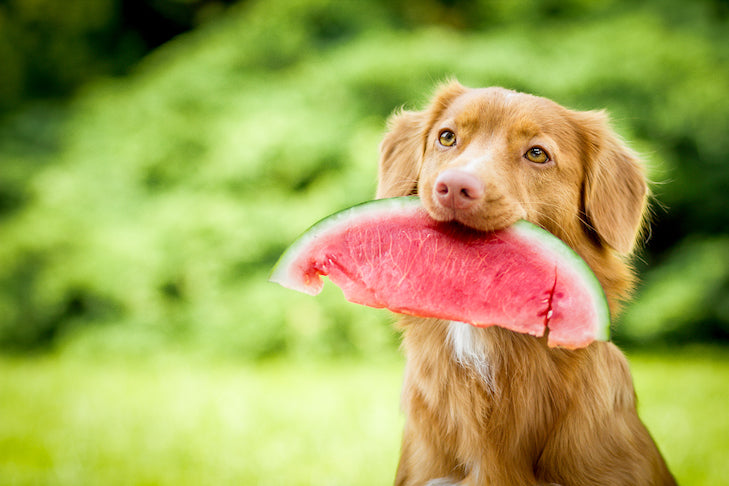
How to Safely Feed Your Dog Watermelon
Just like any other fruit, you can simply cut and serve watermelon to your dog. But you need to be mindful of the portion sizes. You can think of watermelon as any other dog treat - something you serve occasionally in small amounts.
You can consult with your veterinarian to determine the right amount of watermelon to feed your dog or you follow the 90/10 rule. That means 90% of the calories your dog eats should come from a complete and balanced diet and the remaining 10% from treats like watermelon.
When it comes to feeding the watermelon to your dog, it’s actually quite easy as dogs tend to love the sweet taste and texture of this fruit. But to give you an idea, below are some safe and fun ways to feed watermelon to your dog:
- Cut a small slice and let your dog nibble away
- Scoop out some tiny balls of watermelon and serve in a bowl
- Freeze small chunks of the fruit and serve on a hot summer day
- If you have a puppy or a small dog you can puree the watermelon
- You can also freeze watermelon puree in an ice cube tray and serve it as a cool treat on a hot day
- If you own a dehydrator, you can make some dehydrated watermelon jerky at home
- Puree watermelon with other dog-friendly fruits like blueberries and bananas to serve as a smoothie
Make sure you remove the seeds and rind before following any of the above recipes.

Are There Any Adverse Effects of Too Much Watermelon on Your Dog?
Too much of any food item can be harmful to your dog’s health. Thus you have to be mindful of the portion sizes and serve only a small amount of watermelon occasionally. Otherwise, it could lead to an upset stomach, constipation, or diarrhea for your pup.
Apart from that, you should be cautious of a few more things, including
- The sugar content - Watermelon contains sugar, just like any fruit. If you have a healthy dog, small amounts of watermelon would be a safe and healthy treat for them. But if your dog is suffering from a prior health condition, especially diabetes, you should refrain from adding any new food item to their diet without consulting a veterinarian.
- Watermelon allergy - Although it’s very rare, your dog can still have a watermelon allergy. So if you’re feeding them watermelon for the first time, monitor their reaction for the next 24-48 hours. If you see any signs of allergic reaction like constant itchiness, vomiting, inflamed skin, and swelling on the face, ear, and lips, contact a veterinarian immediately.
- Remove the rind & seeds - As already mentioned above, make sure you remove the mature, black seeds and rind before feeding watermelon to your dog. They are hard to chew and digest and can lead to gastrointestinal blockage.
Summing Up
Watermelon is a safe & healthy dog treat. It’s rich in antioxidants, vitamins A and C, and many essential minerals. Above all, its high water content helps keep your pup hydrated and energized on a hot summer day.
But even though your dog will love the sweet and juicy taste of this fruit, it’s important that you avoid overindulgence. Feed only a small portion of watermelon and let them enjoy this refreshing, nutrition-packed snack without any risk.
If you still have any doubts, consider consulting with a veterinarian before adding watermelon to your dog’s diet.
FAQs
Let’s answer some frequently asked questions about feeding watermelon to a dog:
1. Can a dog eat watermelon rinds?
No, you shouldn’t feed watermelon rinds to your dog as they won’t be able to chew it thoroughly before swallowing. The large unchewed pieces can lead to gastrointestinal blockage.
2. Can a dog eat watermelon seeds?
Try to avoid feeding black mature watermelon seeds to your dog. Even though a few of these won't cause any harm if your dog ingests too many they may not slide through the digestive system causing an intestinal blockage.
On the other hand, your dog can eat the white, immature seeds in seedless watermelons as they’re flexible and can easily pass through their digestive system.
3. Can I feed watermelon juice to my dog?
Yes, your dog can drink some watermelon juice made at home without any additional ingredients or seasonings.
But avoid feeding them store-bought juice as it might contain a lot of sugar and artificial flavoring which doesn’t have the same health benefits as real watermelon. In fact, the high amount of sugar present in these juices can be extremely dangerous for your dog and can cause a toxic reaction.
4. Can a diabetic dog eat watermelon?
Just like every other fruit, watermelon contains natural sugar which can be harmful to your dog if they have diabetes or any other health condition.
Thus, it’s also advised to consult with a veterinarian before making any changes to the diet of a dog who has a pre-existing health condition.
Join Our Pack
Sign up for our monthly newsletter focused on dog digestion health, cute pup stories, and the latest scoop from Nextrition.
Sources:
https://www.akc.org/expert-advice/nutrition/can-dogs-eat-watermelon/
https://www.pumpkin.care/blog/can-dogs-eat-watermelon/
https://wildearth.com/blogs/dog-knowledge/can-dogs-eat-watermelon


As dog parents, we get alarmed at even the slightest change in our dog’s health and habits. It goes without saying that we treat our dogs like they were our kids, making sure they are well taken care of and healthy. So how will you know when to seek medical help?
There can be numerous reasons why your dog is vomiting. Oftentimes, vomiting isn’t an illness but a sign of an underlying disorder. Before you start panicking or imagining the worst-case scenario, it's helpful to understand these warning signs. Let's explore some of the reasons your dog may be vomiting and what you should do to help.
What to Do If Your Dog is Vomiting?
Occasional vomiting isn't always a cause of concern. Dogs can vomit to get rid of something that doesn't agree with their body. But sometimes it can be a sign of an underlying health condition.
To figure out the exact cause, follow the 3 steps mentioned below:
Step 1: Observe the Color
The color of the vomit can tell a lot about what’s going on inside the body of your dog. Let’s discuss what each color of vomit means and when you should seek the help of a veterinarian
My Dog's Vomit is Yellow
A yellow foamy vomit consists of bile, a digestive fluid that’s produced in the liver and stored in the gallbladder. It gets released into the small intestine to assist with digestion.
When your dog goes too long without eating it causes a buildup of stomach acid that may lead to your dog vomiting bile.
If your dog has vomited yellow foam bile only once in the morning, feeding them late at night or more frequently could resolve this issue. If this happens more than once, you’ll want to contact your veterinarian.

My Dog’s Vomit is Green
Green vomit suggests your dog ate grass, leaves, or any other plant material that has caused irritation in their stomach. It typically isn't a cause of concern if it's a one-off but if you’ve taken your dog to an unknown place then there could be a chance they ingested some toxic plants. In such a case, you should call your veterinarian.

My Dog's Vomit is Red or Brown
Red or brown vomit could be a sign of bleeding that can be caused due to gastrointestinal diseases, inflammation of the stomach, or an injury. It can also be a sign of stomach ulcer or intestinal blockage. It is important that you take your dog to see your veterinarian immediately.

Step 2: Monitor the frequency
As mentioned before, one-off vomiting usually isn’t a cause of concern. They might be throwing up undigested food, it might be a natural reaction to eating too fast, or getting too excited.
But if your dog is suffering from chronic vomiting then it can be a sign of an underlying disease. It can also lead to inadequate nutrition and dehydration. If you notice your dog is throwing up more frequently, you should provide them with proper treatment by a veterinarian.

Step 3: Presence of Foam
Foamy vomit can be a sign of excess gas in your dog's stomach. Yellow foam is caused due to an empty stomach and the presence of bile. White foam can be caused due to upper respiratory infection or digestive issues.
Main Causes of Dog Vomiting
There can be several causes of vomiting in dogs but the 4 most common reasons are:
Bilious Vomiting Syndrome
Bilious vomiting syndrome (BVS) occurs when the bile in the small intestine leaks into the stomach. It happens when your dog's stomach stays empty for a while or when they eat an abnormally large amount of fatty food. It causes your dog to vomit yellow fluid or froth.
To help avoid BVS, feed your dog multiple smaller meals instead of one large meal. Also, make sure their food has low-fat content and high fiber. You can even give them a healthy snack before bedtime so their stomach doesn't stay empty all night.
Gastrointestinal Diseases
There can be multiple conditions that can affect the digestive system or gastrointestinal tract of your dog. For example, inflammatory diseases, parasites, ulcers, pancreatitis, toxic substances, and bacterial/viral infections can cause digestive distress.
Vomiting can be a sign of such gastrointestinal disorders only when it's paired with some other symptoms like loss of appetite, laziness, diarrhea, weight loss, dehydration, yellow skin, gums, or eyes, etc.
Dry Dog Food or “Kibble”
Dry food also known as kibble can cause your dog to vomit yellow bile. Kibble is a dry food that sits inside the dog's stomach, here it swells and becomes twice the size which can cause the stomach to expand and over produce stomach acids.
A possible remedy for this situation is to substitute kibble with good-quality cold-pressed dog food. It’s an alternative to dry food thats focused on creating and sustaining a healthy digestive system. Cold-pressed dog food doesn't swell in the stomach but breaks down to reduce bloating and allows the dog to quickly start absorbing the necessary nutrients.
Cold-pressed dog food is made by gently cooking high-quality ingredients with low heat for a short amount of time, helping it retain more of the natural nutrients in the ingredients. Kibble is produced by cooking with high heat and steam which burns off many of the nutrients.

Allergies
Allergies or sensitivity to certain food ingredients can cause vomiting in dogs. Even if you have been feeding them the same diet, allergies can develop at any point in time.
In such cases, we recommend reaching out to a veterinarian or nutritionist who can suggest a diet that removes the allergen without affecting the health of your dog.
How to Prevent Vomiting in Dogs
It's inevitable that your dog will find and eat something they shouldn’t. But here are a few things you can do to minimize the risks of vomiting:
- Feed them a proper diet at regular intervals
- Don’t leave them on an empty stomach for too long
- Switch to a highly digestible food like cold-pressed
- If your dog eats too fast, get them a "puzzle feeder"
In the end, vomiting may turn out to be nothing to worry about, but as a parent, you should always be aware of the red flags. Ignoring the warning signs and delaying the veterinary visit could make matters worse.
FAQs
1. Why is my dog vomiting yellow?
Yellow vomit is caused due to bile. It suggests your dog has had an empty stomach for a while. To help prevent this, break their meals into smaller meals and feed them at regular intervals. Try to switch their diet from dry kibble to highly digestible and nutritious cold-pressed food.
2. Should my dog drink water after vomiting?
Drinking a lot of water after throwing up can cause more vomiting and not drinking enough water can cause dehydration. Hence, it’s best to offer them 1 teaspoon of water for every pound of their weight every hour. Do this for 4-5 hours, if they don’t vomit again you can continue to give them water normally.
3. How can I settle my dog's stomach after vomiting?
Try offering them ice cubes or a few teaspoons of water to avoid dehydration. If the dog hasn't vomited for 5-6 hours, you can offer them a 1/3 of 8oz. cup of bland food like plain white rice with boiled chicken.
Join Our Pack
Sign up for our monthly newsletter focused on dog digestion health, cute pup stories, and the latest scoop from Nextrition.
Source:
https://www.foundanimals.org/dog-vomiting-101-why-dogs-vomit/
https://www.petmd.com/dog/general-health/5-reasons-why-your-dog-throwing-bile
https://www.thefarmersdog.com/digest/wikipup-decoding-dog-vomit/
https://www.pethonesty.com/blogs/blog/my-dog-is-vomiting-yellow-what-should-i-do
https://www.thesprucepets.com/dog-vomiting-yellow-bile-4846474


Have you heard of millet in dog food? It is starting to become a popular ingredient added to commercial dog food. But despite its popularity, there’s still a lot of confusion and misinformation regarding millet.
One of the most frequently asked questions is whether millet is safe for dogs or not. In this article, we’ll try to clear the confusion around millet and discuss the various health benefits they offer for our furry friends.
What is Millet?
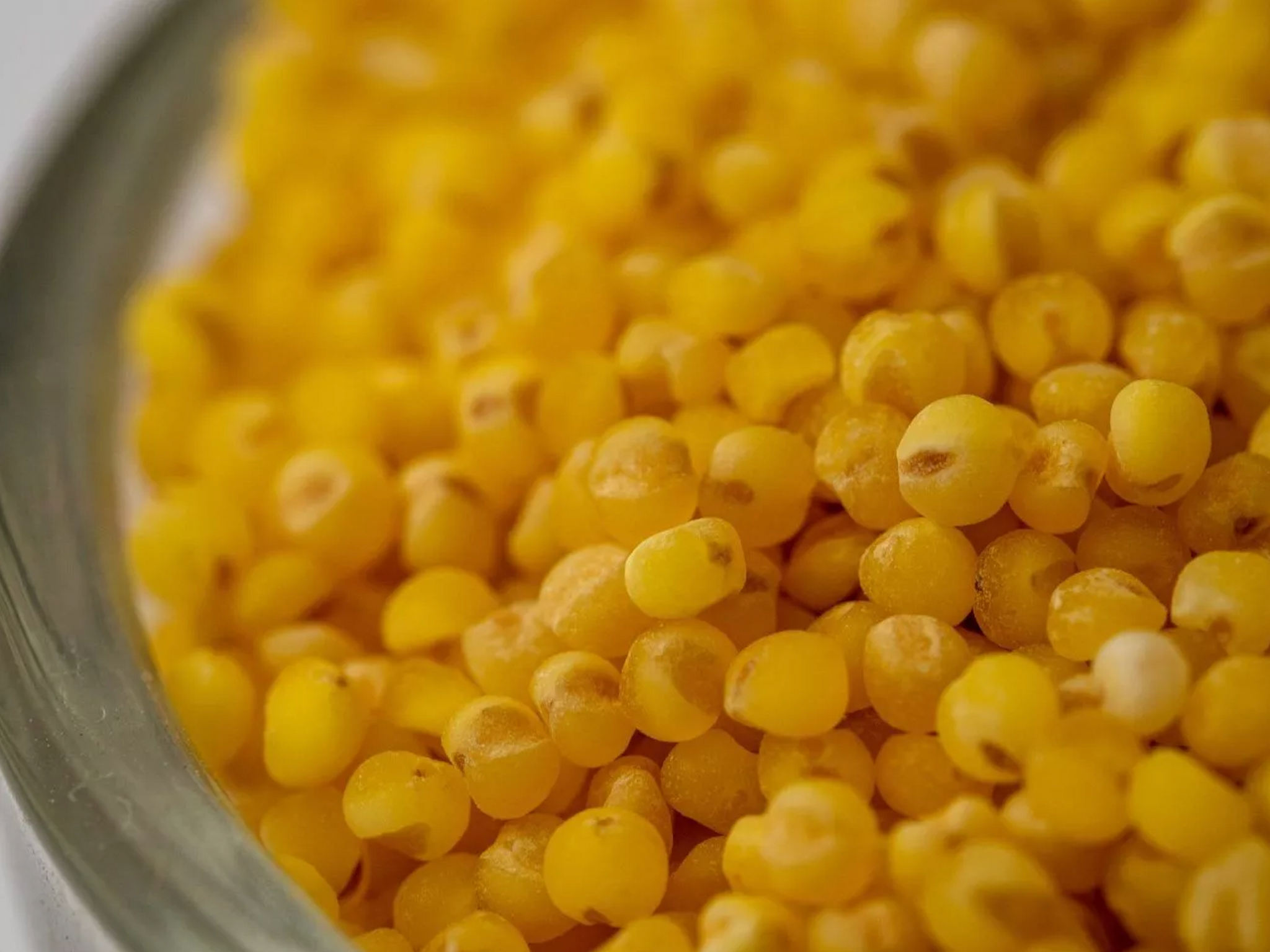
Millet is an ancient cereal grain grown for fodder and human food consumption. It’s a major food source in arid and semiarid regions of the world. It has been noted that humans have been consuming millet for about 7,000 years and it's a part of many traditional dishes in India, Vietnam, and China.
Today, millet has become especially popular amongst people who suffer from gluten-related disorders like coeliac disease as it’s a gluten-free cereal that can replace wheat. It’s also commonly used to feed birds and animals.
Can Dogs Eat Millet? 6 Health Benefits
Yes, dogs can eat millet. In fact, it’s a gluten-free grain that contains protein, fiber, and many more essential nutrients that can be beneficial for your dog’s health.
Let’s discuss some of the amazing health benefits of feeding millet to your dog.
1. Improves Digestive Health
Millet is rich in both soluble and insoluble fiber - both of which play a vital role in maintaining your dog’s health.
Soluble fibers are digestible and they get fermented into fatty acids that prevent the overgrowth of harmful bacteria and provide energy to the cells lining the colon. These acids are also responsible for the metabolism of various nutrients including carbs and fat.
Insoluble fibers on the other hand are indigestible fibers that add bulk to the stool and help food pass easily through the digestive tract. It can encourage bowel regularity and prevent digestive issues like diarrhea and constipation.
2. Can Control Blood Sugar
Adding millet to your dog's diet might even help control their blood sugar levels. Firstly millet contains complex carbohydrates that take longer to digest when compared to other grains like wheat. This ensures there’s no sudden spike in blood sugar levels after eating.
Secondly, the high fiber content of millet slows down the entrance of glucose into the bloodstream and can help control blood sugar levels in dogs.
3. Rich in Antioxidants
Millet contains a wide range of phenolic compounds which are natural antioxidants. These antioxidants fight against the oxidation of free radical damage and can protect the dog’s body from various health issues including respiratory diseases, skin allergies, arthritis and joint problems, autoimmune disorders, and heart diseases.
4. Great Source of Vitamin B
Millet offers the following variety of B vitamins that are needed for various enzyme functions in your dog’s body.
Niacin (B3) - It helps convert fats and carbohydrates into energy, boosts cognitive function, and supports hormone synthesis in dogs.Folate (B9) - It supports cell division, tissue growth, and normal blood formation.

5. Provides Essential Minerals
Apart from vitamins, millet is also filled with some essential minerals. It’s particularly rich in iron which is directly involved in the formation of red blood cells and hemoglobin, phosphorus which supports healthy kidney function, and magnesium which supports muscle health in dogs.
Millet is also a rich source of potassium which is required for neural function, muscle growth, and bone health. It also allows the body to digest and absorb nutrients faster.
6. Gluten-Free Grain
Millet is a gluten-free grain, making it a perfect choice for dogs who suffer from gluten intolerance, wheat allergy, or celiac disease.
Even if the dog isn’t suffering from a gluten allergy, many pet owners choose to provide gluten-free diets to their pets to treat digestive issues, boost energy levels, improve the quality of their skin and coat, or manage weight. If you were looking for a gluten-free wheat alternative for your dog, then millet is a great choice.
How to Feed Millet to a Dog?
Due to its gluten-free nature and wide-ranging health benefits, millet is becoming a popular choice in commercial dog foods. If you want to know whether millet is in your dog food you can read the ingredient list usually found on the back of the dog food bag.
If millet is not in the dog food you buy, there are plenty of options available to feed millet as part of your dog's diet. It's important to note that you should always feed cooked millet to your dog. Uncooked, raw millet grains are hard to chew and digest. They can also lead to an upset stomach and cause vomiting and diarrhea.
When buying dry millet grains you can easily cook them like you would quinoa. Start with washing half a cup of millet. Then dry roast them in a pan until they turn golden brown. Add one cup of water and let it cook until the water is absorbed. You’ll have soft and fluffy millet ready to eat in no time. But make sure you let it cool down before feeding it to your dog.
You can either mix 2-3 tablespoons of cooked millet with your dog's daily meals. Or you can mix it in with some cooked veggies or an egg to offer as a treat in between meals.
Many pet parents also prefer making millet porridge by adding extra fruits and vegetables. If you want to go the extra mile, you can bake delicious treats using millet flour.
There are plenty of dog-friendly recipes made using millet that you can find with a simple online search.

The Right Portion Size
Moderation is the key when feeding millet to your dog. Most pet owners are already feeding a healthy and well-balanced diet to their dogs. That means your dog is already getting all the nutrients they require for proper growth. Thus millet should be served as a supplement to provide additional nutrients.
You can consult with a veterinarian to determine the exact amount of millet to feed your dog based on their nutritional requirements and health conditions.
Precautions While Feeding Millet to a Dog
Millet is a healthy and gluten-free grain that’s safe to add to your dog’s diet. But it’s important that you feed it in moderation as overindulgence can lead to health problems and nutritional imbalance.
If you’re feeding your dog millet for the first time, you should also consider millet allergies. Although it’s rare, your dog could still get an allergic reaction to this grain.
It’s best to start feeding them millet in small amounts and monitor their reaction for the first 24-48 hours. Look out for any of the following signs of an allergic reaction:
- Upset stomach, vomiting, or diarrhea
- Constant itching and licking
- Red or irritated eyes
- Runny nose or continuous sneezing
- Swelling on the face, ears, lips, or eyelids
- Red or inflamed skin
- Itchy ears
If you notice any of these signs of an allergic reaction, contact a veterinarian immediately.

Summing Up
Millet is a healthy gluten-free grain that can provide many health benefits to your dog. You can add it as a supplement to their daily well-balanced meal or offer it as a treat. But monitor the portion sizes as too much millet can lead to an upset stomach and cause nutritional imbalance.
If you have any further doubts, you can consult with your veterinarian before adding millet to your dog’s diet.
FAQs
Let’s answer some frequently asked questions about feeding millet to a dog.
1. Can a dog eat spray millet?
Spray millet is made for birds and it’s best to avoid feeding them to your dog.
2. Can a dog eat millet flour?
Yes, a dog can eat millet flour in moderation when properly cooked. You can easily bake delicious treats using millet flour or make tiny pancakes and serve them as an occasional treat.
3. Can a dog eat cooked millet?
Yes, a dog can eat cooked millet. You can make it just like you would make quinoa or make porridge using millet.
But always add cooked millet as a topper to your dog’s healthy and well-balanced meal. You shouldn't replace their daily meals with just cooked millet.
4. Can a dog eat millet porridge?
Yes, dogs can eat millet porridge. You can add different fruits or vegetables to the recipe to make it more nutritious and delicious.
5. Can a puppy eat millet?
Yes, a puppy can eat millet in moderation. It’ll provide them with many essential vitamins and minerals, dietary fibers, and antioxidants to support their proper growth and development.
You can talk to a veterinarian to decide how much millet you should feed your puppy.
6. Can a dog eat millet when suffering from diarrhea?
Yes, dogs can eat small amounts of millet when they’re suffering from diarrhea. You can cook millet and mix it in with some chicken before feeding it to your dog. Remember that this isn’t a cure but it can help settle their tummy while providing some essential nutrients.
Furthermore, if your dog has any health issues, you should consult with your veterinarian before feeding them millet.
Join Our Pack
Sign up for our monthly newsletter focused on dog digestion health, cute pup stories, and the latest scoop from Nextrition.
Source:
https://www.rover.com/blog/can-dog-eat-millet
https://www.qualitydogresources.com/can-dogs-eat-millet


Do you read the labels of every food item you buy for your dog? If yes, then you may have read about sorghum. It is becoming a popular ingredient used by many commercial dog food brands. Mainly because it's a gluten-free whole grain that provides many health benefits to your dog.
But if you’re not familiar with this grain then we’ll try to explain what it is and discuss some of the amazing benefits of feeding sorghum to your dog.
What is Sorghum?
Sorghum is considered to be an ancient grain. Some of its species are grown as cereals for human consumption and some as pastures for animals. It’s known by various names including the great millet, Indian millet, milo, jowar, and durra.
Sorghum is a staple in many rural households, especially in Asia and Africa because of its high nutritional value.
Today grain sorghum has become the third most important cereal crop grown in the United States.
6 Key Benefits of Feeding Sorghum to a Dog
Below we have listed the 6 most compelling benefits of feeding sorghum to your dog.
1. High Fiber Content
Dogs need fiber-rich ingredients in their diet. You may be surprised to know that your dog gets most of its fiber from plant-based food items like sorghum.
These fibers are complex carbohydrates that resist digestion in the small intestines. Instead, they get fermented in the large intestine and provide many health benefits to your dog’s body such as:
- Increasing bulk and absorbing excess water in the stomach to promote bowel regularity and prevent diarrhea and constipation
- Ensures a healthy intestinal pH to promote the growth of good bacteria
- Gets fermented into fatty acids that prevent the overgrowth of bad bacteria
- Helps the dog’s colon recover from injuries
- Slows down the absorption of sugar and prevents blood sugar spikes
- Helps support weight management

2. Gluten-Free Option
Gluten, which is a protein, is found in many grains including oats, wheat, rye, and barley. But sorghum is completely gluten-free. If your dog has a gluten sensitivity or you want to feed them a gluten-free diet then this is a great option.
To see if your dog has a gluten intolerance try looking out for some obvious signs like constant itching, frequent diarrhea, mood swings, restlessness, unhealthy skin, fur, and coat. In such cases, switching to a gluten-free diet can have many benefits including:
- Better digestion
- Reduced bloating
- Improved energy level
- Healthy coat and skin
- Reduced joint pain
- Improved ability to absorb nutrients from food
You can also consult with your veterinarian to get your dog tested for gluten sensitivity if you notice any signs of an allergic reaction.
3. Rich in Antioxidants
Antioxidants present in sorghum have an important role in maintaining your dog’s health as they prevent oxidation or damage caused by free radicals.
These free radicals are basically natural by-products that are created during the normal metabolic processes. They can cause irreparable damage to your dog’s body and can lead to various health issues like respiratory diseases, skin allergies, autoimmune disorders, arthritis, and heart disease.
Antioxidant-enriched diet can ensure your dog stays protected and leads a happy and healthy life.

4. Source of Protein
Every pet owner knows the importance of a protein-rich diet for their dogs. It’s a nutrient that’s responsible for all major body functions from building muscles, forming new skin cells, and supporting the immune system to providing energy to the body.
Sorghum contains a good amount of protein which is 11 grams per 100 grams of sorghum. This makes it an excellent source of plant-based protein that can be added to your dog’s diet.
But make sure you don’t replace sorghum as the sole protein source in your dog’s diet. They need a well-balanced meal that consists of meat protein and other healthy ingredients.
5. Packed With Essential Minerals
Sorghum is chock-full of many essential nutrients that work together to support your dog's health. Its complete nutritional breakdown is as followed:
Iron- Sorghum is extremely rich in iron. It’s a mineral that is directly involved in the formation of red blood cells and hemoglobin in your dog’s body. Hemoglobin transports nutrients and oxygen throughout the body. Iron is also required for various enzyme functions in your dog’s body.
Vitamin B1 - It supports motor functions and boosts cognitive functions.
Vitamin B2 - It helps in the metabolism of fats and carbohydrates into energy and also aids in the absorption of various minerals like iron and B6.
Vitamin B6 - It aids in glucose generation, hormone regulation, and nervous system function.
Niacin - It is one of the core nutrients that helps in breaking down fatty acids and supports digestion.
Zinc - It promotes healthy skin, immune system function, and thyroid function.
Phosphorous - It supports healthy kidney function and aids in motor function.
Manganese - Helps in digestion and absorption of proteins and carbohydrates. It also combines with other minerals to support the formation of a healthy skeletal structure.
Magnesium - It's required for almost every bodily function from contracting and relaxing muscles to supporting a healthy heart, liver, and digestive system.
Potassium - It aids in muscle growth, promotes bone health, and boosts metabolism.
But please note that the amount of these nutrients present in sorghum isn't enough to fulfill the daily nutritional requirements of your dog. Thus you can only use sorghum as a supplement to a healthy well-balanced meal.
6. Good Option for Diabetic Dogs
Sorghum is a complex carbohydrate that takes more time to digest compared to other grains. This ensures a gradual rise in the blood sugar level, avoiding sudden peaks and drops. The fiber content of sorghum also ensures that blood sugar levels stay manageable.
How to Feed Sorghum to a Dog
Sorghum is becoming a popular ingredient added to commercial dog foods. You can check the ingredient label on the food you feed your dog to see if it has Sorghum.
If that’s not the case, you can cook some delicious treats at home using sorghum flour. You’ll have to add more ingredients like oats, rice flour, and some peanut butter. The end product will be tasty and healthy for your dog.
Another much simpler option is to make a sorghum porridge or pancakes by using sorghum flour and adding some water and eggs.
How Much Sorghum Can a Dog Eat?
The ideal amount of sorghum a dog can eat depends on various factors including their nutritional requirements and existing health conditions. And since many dog food brands are already adding sorghum to their recipe, it becomes harder to decide how much more sorghum can you add to their diet.
It’s best that you talk to your veterinarian about how much sorghum you should feed your dog as a supplement to their daily diet.

Sorghum for Puppies
Sorghum is safe for puppies. Its rich fiber content and antioxidant properties can help support their digestive health and immune system. They can also benefit from the various vitamins and minerals present in sorghum.
You can directly buy dog food that contains sorghum for your puppy. It’ll ensure that they are getting this grain as a part of a healthy and well-balanced meal.
If you want to feed sorghum at home as a supplement to their diet, then you should consult with your veterinarian to understand your puppy's nutritional requirements. They can better guide you on how you should add sorghum to their diet.

Precautions While Feeding Sorghum to a Dog
Sorghum is a safe ingredient to add to your dog’s diet. But just like any other food item, it’s important to feed it in moderation. Overindulgence can lead to health problems and nutritional imbalance.
Another thing to consider is that some dogs can have allergies to selective grains, including gluten-free grains like sorghum. If you’re feeding them sorghum for the very first time, start with a small amount and monitor their reaction for 24-48 hours.
Look out for any of the following signs of an allergic reaction:
- Vomiting or diarrhea
- Constant itching and licking
- Red or irritated eyes
- Continuous sneezing
- Swelling on the face, ears, lips, or eyelids
- Red or inflamed skin
- Itchy ears
If you notice any signs of sorghum allergy, contact a veterinarian immediately.
Summing Up
Sorghum is a gluten-free protein-rich grain that contains fibers, antioxidants, vitamins, and minerals. It can have numerous health benefits for your dog. You can either buy dog food that contains sorghum or serve home-cooked sorghum as a supplement to your dog’s diet.
But if you’re just starting out and you have some concerns, you can consult with your veterinarian before feeding sorghum to your dog.
FAQs
Let’s answer some frequently asked questions about feeding sorghum to a dog.
1. Can a dog eat sorghum flour?
Yes, dogs can eat sorghum flour. It’s a gluten-free grain that contains many essential nutrients and antioxidants that can support your dog’s health.
2. Can a dog eat onyx sorghum?
Yes, your dog can eat onyx sorghum. It's a special dark-colored sorghum that’s rich in antioxidants.
3. What is whole grain sorghum in dog food?
Whole grain sorghum is added to your dog’s food because it’s an excellent source of dietary fibers, plant-based protein, and antioxidants. It’s a gluten-free grain that can provide many nutritional benefits to your pet.
4. Can a dog have an allergic reaction to sorghum?
If you’re worried about gluten sensitivity caused by grains, then sorghum is a great option for your dogs as it’s completely gluten-free.
But your dog can have allergies to selective grains, including gluten-free grains like sorghum. To avoid any severe reactions, you should always start with a small amount and monitor your dog’s reaction for 24-48 hours.
If you notice any signs of an allergic reaction like an upset stomach, constant itching, sneezing, inflamed skin, red eyes, etc. - contact your veterinarian immediately.
Join Our Pack
Sign up for our monthly newsletter focused on dog digestion health, cute pup stories, and the latest scoop from Nextrition.
Sources:
https://4knines.com/blogs/4knines-blog-home-page/benefits-of-sorghum-and-flaxseed-in-your-dogs-food
https://iheartdogs.com/sorghum-should-it-be-in-your-dogs-food/


Sweet potatoes are a staple in American diets. It’s a form of healthy carb that is used in savory dishes, baked on its own, or even puréed for desserts. In fact, you might have also seen sweet potato as an ingredient in some dog foods.
But is it really beneficial for your dog or simply used to increase a product appeal? Let’s find out.
Are Sweet Potatoes Beneficial in a Dog’s Diet?
Yes, sweet potatoes can be extremely beneficial for your dog. In fact, they’re often called "superfoods" because of their great nutritional content. They’re packed with nutrients, vitamins, and minerals which can make them a wholesome supplement for your dog.
Below we’ve discussed the top 5 potential health benefits of adding sweet potatoes to a dog’s diet.
1. Improves Gastrointestinal Health
Sweet potatoes contain a mix of both soluble and insoluble fiber. Hence they can help support the dog’s digestive health by promoting regular and healthy bowel movements. By adding sweet potatoes as a supplement to your dog's diet you can help reduce the chances of occasional constipation and diarrhea.
Furthermore, the soluble fiber present in sweet potatoes may also help in lowering cholesterol and balancing blood glucose levels.

2. Rich in Beta-Carotene
Beta-Carotene is an antioxidant that converts into vitamin A in your dog’s body. It’s an important building block for your dog's immune system and can also help protect against heart diseases.
But it isn’t produced by the dog’s body, it must be ingested through supplements in the diet or else your dog can suffer beta-carotene or vitamin A deficiency that can cause night blindness, poor skin quality, hairless patches, and abnormal bone and teeth development.
Sweet potato is one such food item that’s rich in beta-carotene. In fact, it is what gives sweet potatoes their unique orange or deep yellow color. Adding it as a supplement to your dog's diet can improve their overall well-being.
Vitamin A can support nearly every organ from the skeletal system to the reproductive system in your dog's body. It can help improve your dog’s vision, skin health, cell function, muscle strength, and power their immune response.
3. Loaded With Vitamins
Sweet potatoes are loaded with vitamins including vitamin C which is a powerful antioxidant, it’s known to protect your dog against cellular damage from free radicals. It can also promote immune health and help fight allergies.
The anti-inflammatory property of antioxidants can also help relieve dry and itchy eyes. If you have a senior dog, antioxidants can help reduce cognitive aging problems.
Apart from this, sweet potatoes also contain vitamin B6 which can help support healthy red blood cell function and provides support for glucose generation.
4. Good Source of Minerals
Minerals are an essential type of nutrients that are required for the proper development and function of your dog’s body. Although the dog food you feed your dog may contain all the essential minerals, you might need to add a supplement to ensure your dog receives the required daily dietary intake.
Sweet potato is a great source of minerals as it contains potassium, manganese, magnesium, calcium, iron, and zinc.
All these minerals have separate yet crucial functions, for example, calcium supports strong bone growth, healthy teeth, and muscle growth, potassium keeps a dog’s kidneys functioning well and supports efficient heart function, and iron supports red blood cell and hemoglobin formation.

5. Helps in Weight Loss
Sweet potatoes contain a low amount of fat and calories. You can feed it to your dog without worrying about weight gain. If your dog is already overweight, the high fiber content of sweet potatoes can increase a feeling of fullness and aid in their weight loss journey.
Sweet Potato vs Yam
From a nutritional standpoint, these two vegetables possess insignificant differences. They’ll offer the same health benefits to your dog. But whichever one you choose, make sure to boil or bake them properly before feeding. Their raw form is too fibrous and quite hard to chew and digest for a dog.
You can easily distinguish them as yams have a rough and dark brown skin similar to a tree bark whereas sweet potatoes have smooth reddish skin. Yam is dry and starchy like a regular white potato, whereas sweet potatoes have a softer flesh (when cooked) and a sweet flavor.
How to Prepare Sweet Potatoes for Dogs?
Sweet potato is a quite versatile vegetable. You can cook them in a variety of ways but which ones are safe for a dog?
Raw Sweet Potatoes
Raw sweet potatoes can be hard to chew and digest for a dog, especially puppies. They’re also too fibrous in raw form. Hence it’s always recommended to only feed well-cooked sweet potatoes to your dog.
Another thing to note is that eating large amounts of raw sweet potatoes can cause a build-up in their digestive system leading to an intestinal blockage or a gastrointestinal obstruction.

Canned Sweet Potatoes
Most canned products contain added sweeteners and artificial ingredients or flavors which can be toxic to your dog's health. You can buy organic and unsweetened canned sweet potatoes for your dog as they don’t contain any other ingredients. But also note that some nutrients are lost in the canning process.

Baked Sweet Potatoes
You can feed baked sweet potatoes to your dog as they are soft and easy to chew and digest. But remember to not add any additional seasoning or spices including salt, butter, pepper, or sugar. These ingredients can be toxic to your dog’s health.

Fried Sweet Potatoes
Fried sweet potato chips or fries are unhealthy and in some cases toxic for a dog. These contain unhealthy fats that can lead to pancreatitis if eaten in large quantities. It can also lead to excessive weight gain and many other health issues.

Boiled Sweet Potatoes
Boiling is one of the best and healthiest ways to feed sweet potatoes to your dog. Start by removing the sweet potato skins with a vegetable peeler then chop the sweet potato into chunks and add them to a pot of boiling water.
Allow them to boil until they become fork-tender and avoid adding any salt or other species. You can feed these small pieces as a treat or mix them with their daily meal.
Also, make sure you allow the sweet potatoes to cool down completely before serving them to your dog.

Dehydrated Sweet Potatoes
Dehydrated sweet potatoes are a great snack for your dog. But if you want to make them at home, you’ll need at least 7-8 hours. You can use a dehydrator or an oven to make these delicious treats.
To make these in an oven, start by preheating the oven to 200F. Then place sliced sweet potatoes on a baking sheet and bake them for 3 hours on each side. Once they are dehydrated you can store them in an airtight container.

How Much Sweet Potato Should You Feed Your Dog?
Moderation is the key when you serve sweet potatoes to your dog. The exact amount you can feed your dog depends on the dog’s size, age, weight, and overall health. But ideally, it shouldn’t increase the maximum of 10% of your dog’s daily calorie intake.
You can feed boiled or baked sweet potato on its own as a treat once or twice a week or mix it in with their regularly scheduled meals.
If your dog refuses to eat homemade sweet potatoes or you cannot find time to boil or bake them at home, you can buy dog food that already contains sweet potatoes.
Considerations While Feeding Sweet Potatoes to Your Dog
While sweet potatoes are a great addition, you should take some precautions while introducing them to your dog’s diet.
Start Small
There’s no way of knowing how your dog will react to a certain type of food. Hence you should start with a small amount (around a teaspoon) and feed them once a week. Monitor their health for 2-3 days. If there’s nothing unusual you can continue to feed them the recommended amount.
Feed The Right Amount
Too much of any fruit or vegetable can have a bad effect on your dog's health. Sweet potatoes are nutritious but they are also rich in carbohydrates, if eaten in excess they can lead to weight gain or cause a spike in blood sugar levels.
Plus the rich fiber content of sweet potatoes can cause vomiting, upset stomach, or constipation if taken in large quantities.
Hence sweet potatoes need to be served as an occasional treat. Your dog's diet should start with a complete and balanced meal for their life stage and can then be supplemented with healthy treats like sweet potatoes.
Consider Your Dog’s Health
Sweet potatoes contain a high amount of starch and are considered a medium glycemic load vegetable. Thus it quickly changes to sugar and can increase the blood sugar levels of your dog. So if your dog suffers from diabetes, you should feed them sweet potatoes only as an occasional treat.
If your dog is suffering from any pre-existing health conditions, consult a veterinarian before adding sweet potatoes to their diet.

Can Your Dog be Allergic to Sweet Potatoes?
It’s uncommon for a dog to have an allergic reaction to sweet potatoes. It’s a whole food, therefore your dog is less likely to have an immune response or a sensitivity to them.
But if you’re introducing new food to your dog’s diet, you should monitor their health and reaction. If there’s an allergic reaction, you might notice inflammation or itchy skin. In such cases, consult a veterinarian for further instructions.
Summing Up
Sweet potatoes are a delicious and healthy supplement for your dog. Their fiber content helps improve digestive health and the vitamin content helps strengthen the immune system. Furthermore, they are a great source of minerals as they contain potassium, manganese, magnesium, calcium, iron, and zinc.
Simply boil or bake sweet potatoes (without the skin) and feed them as a treat in between meals or mix it with their regular meal to make it even more fulfilling for your dog.
If you have any further questions, you can consult your veterinarian before feeding sweet potatoes to your dog.
FAQs
1. Can I feed sweet potatoes to my dog every day?
No, you shouldn’t feed home-cooked sweet potatoes every day. It’s a supplement that can be considered a treat and should be served in moderation. It would be ideal to feed your dog sweet potatoes once or twice a week only. But you can feed a complete and balanced dog food that contains sweet potatoes daily.
2. Can a dog eat sweet potatoes with skins?
Sweet potato skin is nontoxic for a dog but it can be hard to chew and digest and if eaten in large chunks it can cause a choking hazard. Hence you should always peel the skin before feeding it to your dog.
3. Can a dog eat sweet potato fries?
No, you shouldn’t feed sweet potato fries to your dog. It contains salts, sugar, and many other unhealthy fats that aren’t safe for your dog and can cause an upset stomach or other health problems.
4. Can a dog eat raw sweet potatoes?
No, you shouldn’t feed raw sweet potatoes to your dog. It is too fibrous for your dog and can be hard to chew and digest. Large quantities of raw sweet potato can even cause a build-up in their digestive system leading to an intestinal blockage or a gastrointestinal obstruction.
You should always boil, bake, or dehydrate sweet potatoes before feeding them to your dog.
5. Can a dog eat sweet potato chips?
Sweet potato chips are fried and contain additional ingredients like salts, sugars, and other unhealthy fats. All of which aren’t safe for your dog and can cause an upset stomach or other health problems.
6. Can a dog eat cooked sweet potatoes?
Yes, you can cook sweet potatoes by boiling or baking to feed your dog. Remember to not add any salt or butter during cooking as they can be toxic for your dog’s health.
7. Can I feed my dog sweet potatoes if they suffer from diabetes?
Sweet potatoes are full of carbohydrates that can spike a dog’s insulin level. Although you can feed it to them in small quantities, you’ll still have to be cautious and monitor their health.
It would be best that you consult a veterinarian before making any changes to your dog’s diet.
8. Can a dog eat sweet potatoes for diarrhea?
Yes, sweet potatoes contain a mix of both soluble fiber and insoluble fiber that can help with diarrhea and constipation.
But if your dog is suffering from severe diarrhea, you should consult a veterinarian.
Join Our Pack
Sign up for our monthly newsletter focused on dog digestion health, cute pup stories, and the latest scoop from Nextrition.
Sources:
https://nativepet.com/blogs/health/can-dogs-eat-sweet-potatoes
https://www.pumpkin.care/blog/can-dogs-eat-sweet-potatoes/
https://www.akc.org/expert-advice/nutrition/can-dogs-eat-sweet-potatoes/
https://www.petmd.com/dog/nutrition/healthy-foods-checklist-sweet-potatoes-dogs
https://www.masterclass.com/articles/can-dogs-eat-sweet-potatoes
https://vetchiropractor.com/beta-carotene-boosting-dogs-immune-system/


Yes, dogs can eat plain nutritional yeast in moderation. Its savory, cheesy flavor makes it a popular ingredient in some dog foods and treats. However, nutritional yeast is different from the active yeast used in baking, which can be dangerous if consumed by dogs.
To avoid confusion between these two and understand what nutritional yeast is, let’s start with some basics…
What is Yeast & How is Nutritional Yeast Made?
Yeasts are single-celled microorganisms that are classified as members of the fungus kingdom. Currently, there are at least 1,500 species of yeast recognized.
Baking and Brewer's yeast are two popular types of yeast that are used to convert the sugars of the fruit into alcohol and generate carbon dioxide gas that causes the bread to rise.
While shopping in a supermarket, you’re most likely to find baker’s yeast which isn’t safe for a dog. If your dog accidentally licks some of this yeast, you should contact a veterinarian immediately.
Brewer's yeast, on the other hand, is safe for a dog.
Another popular type of yeast is nutritional yeast, which is safe and healthy for a dog. It’s made by deactivating the yeast with heat, which is then harvested, washed, dried, and packaged to be sold commercially as a food product.
In a store, you’ll find nutritional yeast in many forms including yellow flakes, granules, paste, or powder. It can have a strong nutty or cheesy flavor that makes it a popular cheese substitute for vegans or people with lactose intolerance.
Why Should Dogs Eat Nutritional Yeast?
Below are the 6 amazing health benefits of feeding nutritional yeast to your dog:
1. Rich Source of Protein
Nutritional yeast is a complete protein as it contains all nine amino acids. This makes it a high-quality source of plant protein that you can add to your dog’s diet.
A complete and well-balanced meal enriched with protein supplements like nutritional yeast will help support many critical functions in your dog’s body. It’ll help contribute to their healthy skin & coat, muscle development, immune health, and tissue repair.

2. Contains B Vitamins
Nutritional yeast is often fortified with B complex vitamins. It contains high amounts of thiamine (B1) and vitamin B12, both of which help support brain health and boost cognitive function.
It’s also rich in vitamin B6 which is responsible for a healthy immune response, glucose generation, and nervous system function. Plus, it contains riboflavin (B2) which is heavily involved in the production of red blood cells in a dog’s body.
But please note that these nutrients are added to the nutritional yeast during the manufacturing process. Thus the exact nutritional value of the product will vary from one manufacturer to another. You can read the labels and ingredients to get a more clear understanding of which vitamins are present in the product.
3. Makes the Food More Appetizing
If your dog is a fussy eater who turns up its nose at a certain type of food, then you can try adding some nutritional yeast or yeast extract to lure them into eating. The strong cheesy and umami taste of this yeast enhances the flavor of the food and makes it more appetizing.

4. Provides Many Essential Minerals
Nutritional yeast contains many essential minerals like calcium, iron, selenium, zinc, potassium, magnesium, copper, and manganese. These minerals are required for the proper growth and development of a dog’s bones, muscles, and brain. They also support various enzyme functions in your dog’s body.
5. Can Reduce Inflammation
Nutritional yeast contains glutathione and selenomethionine, two powerful antioxidants. They help protect the dog’s body from oxidation or damage caused by free radicals. It prevents unwanted inflammation and reduces the risk of chronic heart diseases.

Furthermore, antioxidants can also help improve your dogs' skin and coat health and boost their immune system. If your dog is old, then the antioxidants present in nutritional yeast will also help relieve pain, stiffness, and swelling in the joints.
6. Gluten-Free Supplement
Nutritional yeast is naturally gluten-free, making it a great food supplement for dogs who suffer from gluten intolerance or celiac disease.
It's also dairy-free and vegan which means that it's highly unlikely that nutritional yeast will trigger any food sensitivity in your dog.
How to Feed Nutritional Yeast to a Dog
You can easily buy nutritional yeast or yeast extract from a supermarket or health food store. But make sure the yeast doesn’t contain any other ingredients, seasonings, or artificial flavors that can be harmful to your dog’s health.
You can also consult with your veterinarian and buy a brand that they recommend. They can also help you determine how much nutritional yeast you should add to your dog’s diet depending on their dietary needs, age, and breed.
Ideally, it’s advised to add less than a teaspoon of nutritional yeast to their daily meals. You can just add it to their daily kibble meal or wet food. If you like cooking homemade treats for your dog, you can add some nutritional yeast to the recipe as well.
Many dog food brands also use nutritional yeast in their recipes and there're many supplements in form of tablets and chews available for pets. You can either buy dog food that already contains yeast extract or consult with your veterinarian about adding supplements to your dog’s diet.

Precautions While Feeding Nutritional Yeast to Your Dog
Nutritional yeast is a deactivated yeast packed with many health benefits for a dog. But just because this strain of yeast is safe and healthy for a dog, doesn't mean you can also feed them every other kind of yeast.
For example, baker’s yeast, which is found in almost every household, is not safe for a dog. Even the nutritional yeast made for human consumption can contain ingredients like garlic, salt, and sugar which can be harmful to a dog’s health.
Thus while shopping for nutritional yeast, make sure you properly read the labels and the ingredients or ask your veterinarian about the brands they recommend.
Summing Up
Nutritional yeast is safe and healthy for a dog. It is a complete protein that contains many essential nutrients and antioxidants that help support your dog’s health. The fortified nutritional yeast is also a rich source of B complex vitamins required for many important body functions.
But remember with nutritional yeast, a little goes a long way. You should add less than a teaspoon of nutritional yeast or yeast extract into your dog’s daily meal or add some to their homemade treat recipes.
It’s very unlikely that your dog will experience any negative effects from a small amount of nutritional yeast, but if you have some doubts, it's always a good idea to consult with your veterinarian before adding anything new dog’s diet.
FAQs
Let’s answer some frequently asked questions about feeding nutritional yeast to your dog.
1. Can a dog eat yeast?
It depends on the type of yeast. For example, baker’s yeast is not safe for a dog but nutritional yeast or yeast extract is safe and healthy for a dog.
2. Can a dog eat yeast bread?
Yes, your dog can eat bread made with yeast. But they cannot directly eat the active baker’s yeast or the bread dough that has the yeast, as that can be harmful to their health.
Also, keep in mind that plain white or wheat bread is safe but unhealthy for a dog. It contains a lot of carbs that can lead to many health problems. So either try and avoid bread altogether or feed it in small amounts occasionally.
3. Can a dog eat brewer’s yeast?
Yes, dogs can eat small amounts of brewer’s yeast. This type of yeast is used for brewing beer and it contains many vitamins and minerals that can be beneficial for your dog. Many dog food brands also use brewer’s yeast in their recipes.
4. Can a dog eat yeast rolls?
Yes, dogs can eat yeast rolls in small amounts occasionally. But they cannot directly eat the active yeast used to make the dough of the yeast rolls as that can harm their health.
If, in case, your dog has accidentally licked active baker’s yeast, contact a veterinarian immediately.
5. Can a dog eat nutritional yeast extract?
Yes, dogs can eat nutritional yeast extract. But it shouldn’t contain any additional ingredients, seasoning, or flavors as these can be harmful to a dog’s health.
Try to buy nutritional yeast extract from dog-friendly brands and avoid those made for human consumption.
If you are confused or overwhelmed by the options, consult with your veterinarian to decide which brand of nutritional yeast extract you should buy for your dog.
Join Our Pack
Sign up for our monthly newsletter focused on dog digestion health, cute pup stories, and the latest scoop from Nextrition.
Sources:
https://becauseanimals.com/blogs/magazine/why-we-love-nutritional-yeast-nooch-for-dogs
https://www.greatpetcare.com/dog-nutrition/nutritional-yeast-for-dogs-benefits-and-uses/
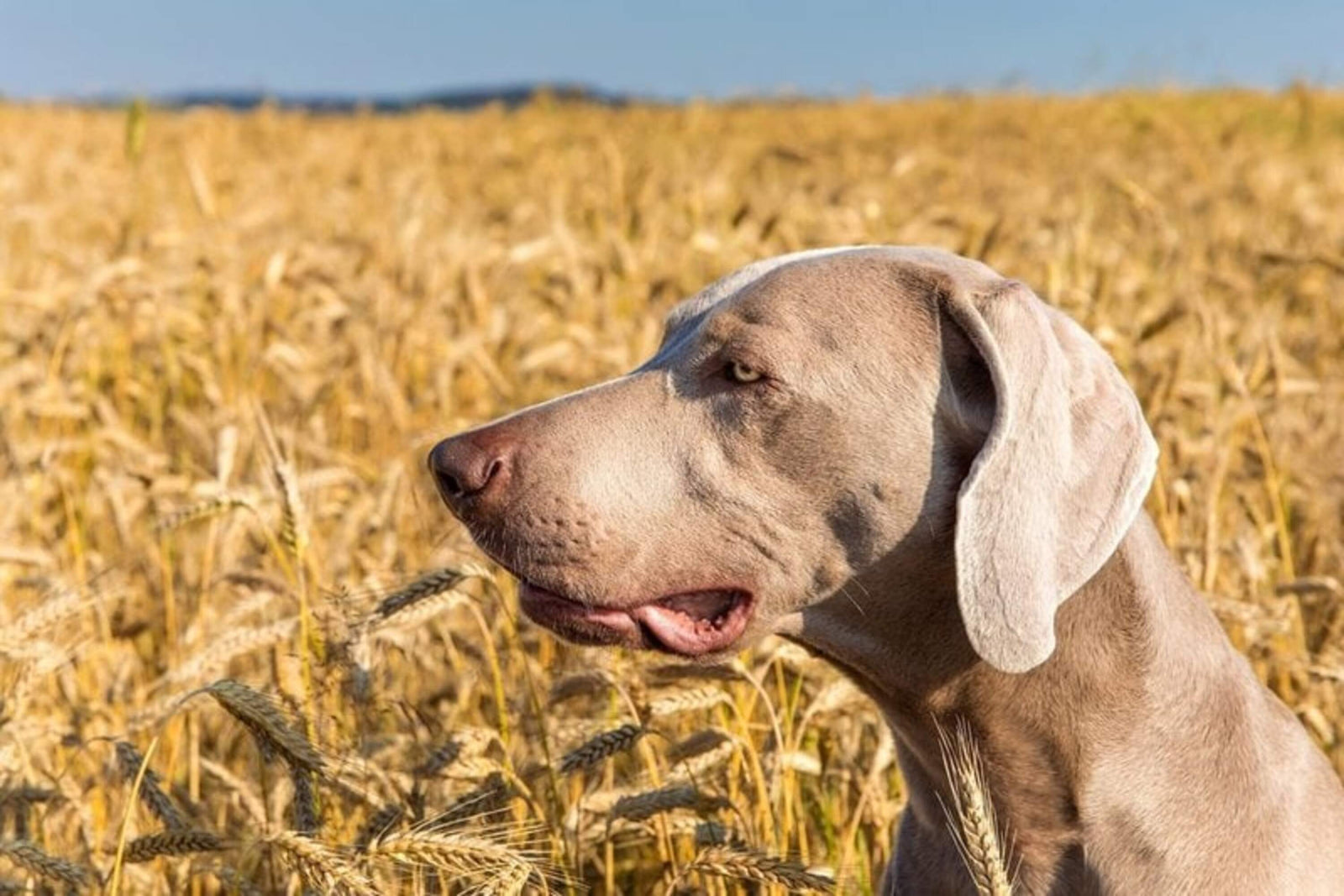

Barley is a widely consumed grain in America. It’s used as a source of fermentable material for beer and in various food items like bread, soups, and stews.
In fact, barley is also a commonly used ingredient in dry dog food. It’s a nutritious and easily digestible grain that complements a meat-based protein nicely.
In this article, we'll discuss the various health benefits of barley and how you can incorporate this ingredient into your dog’s diet.
5 Awesome Health Benefits of Feeding Barley to Dogs
Below are the 5 amazing health benefits of feeding barley to your dog:
1. Improves Digestive Health
Barley contains both soluble and insoluble fibers that play a vital role in maintaining your dog’s digestive health.
This grain is particularly rich in beta-glucan, a soluble fiber that tends to swell into a gel-like substance and coat the lining of the dog’s gut. This lining slows down the digestion and absorption of nutrients making your dog feel fuller for longer.
Furthermore, beta-glucan gets fermented to produce short-chain fatty acids that prevent the overgrowth of bad bacteria and promote the growth of good bacteria in the dog’s intestines.
On the other hand, insoluble fibers present in barley add bulk to the dog’s stool and accelerate the movement of food through the digestive system. It’s extremely helpful in preventing constipation in dogs.
2. Supports Heart Health
The soluble fibers present in barley absorb the LDL (bad) cholesterol and eliminate it through the dog’s stool. This prevents the body from reabsorbing the cholesterol into the bloodstream. It helps manage the cholesterol level in your dog’s body and helps reduces the risk of many heart diseases.

3. Provides Essential Minerals
Barley contains many essential minerals that are required for the proper growth and functioning of your dog’s body. It’s especially rich in iron which is directly involved in the formation of red blood cells and hemoglobin. It also supports various enzyme functions in your dog’s body.
In addition to that, barley also contains manganese which helps in the absorption of proteins and carbohydrates, and copper which helps in the absorption of other minerals like iron and calcium.
4. Rich Source of Vitamin B
Barley is chock-full of B complex vitamins that are required for various vital functions in a dog's body.
Below is a small breakdown of all the different types of B vitamins present in barley:
- Niacin (B3) - Helps convert fats and carbohydrates into energy and also improves cognitive function
- Thiamine (B1) - Promotes brain and motor function
- Vitamin B6 - Responsible for glucose generation, immune response, and niacin synthesis
- Riboflavin (B2) - Heavily involved in the production of red blood cells
- Pantothenic acid (B5) - Aids in energy metabolism
- Folate (B9) - Supports immune function, cell division, and normal blood formation
5. Good Alternative for Diabetic Dogs
Barley is a great food ingredient for diabetic dogs as it has a lower glycemic index compared to other grains like wheat and rice. It also contains soluble fiber that can slow down the absorption of sugar into the bloodstream. Thus helping reduce the risk of a sudden spike in blood sugar levels.
How to Feed Barley to Your Dog?There are so many ways in which you can feed barley to your dog. But before that, let’s talk about the two most common types of barley available in the store - whole grain and pearl barley.
Pearl barley comes without the outer husk and bran layer whereas whole grain retains the bran layer. As a result, pearl barley is less nutritious than a whole grain but it takes less time to cook.
If you want to cook with whole grain, you can try pre-soaking it for a few hours to reduce the cooking time. You should also properly wash and rinse the barley with running water before cooking.
Now let’s discuss a few different ways in which you can feed barley to your dog.
Dry Dog Food
The most convenient way to incorporate this grain into your dog’s diet is by using a store-bought dog food that already contains barley.
Often times barley isn’t the main ingredient in dog food or treats and won’t be mentioned or shown on the front of the package. To find out if barley is included in a recipe you can read the full ingredient list.
Boiled or Cooked Barley
You can easily cook rinsed barley like you would cook rice. Add some water and let it boil for 30 minutes until it becomes chewy. Keep adding some water if the pan dries out. Once it’s cooked, you can drain the water and fluff the barley with a fork.
At this point, barley will be relatively tasteless so it might not be appetizing. But you shouldn’t add any salt or seasoning for flavor as that can be harmful to your dog. Instead, you can add boiled barley to your dog’s regular kibble meal to lure them into eating this high-fiber grain.
You can also take things up a notch by adding some boiled, unseasoned vegetables and meat to make a stew with barley. If you have some dog-friendly bone broth at hand, you can use that to cook barley instead of plain water.
Just remember to add small amounts of barley to your dog’s diet and use it only as a supplement to a healthy and well-balanced diet.

Barley Flour
Dogs can safely eat barley flour. You can make many delicious treats for your dog using this flour, but make sure you follow a dog-friendly recipe and don’t add any ingredients that can be harmful to your dog.

Barley Grass
Dogs can eat barley grass in moderation. In fact, you can find barley grass powder in many stores. But since it’s made for human consumption, you won’t find it in the pet aisle.
Also before buying, check the ingredients as they shouldn’t contain any other ingredients, seasonings, or artificial flavors that can be harmful to your dog’s health.
You can also consult with your veterinarian if you want to add barley grass powder supplements to your dog’s diet.

Barley Water
Dogs can safely drink barley water. It's considered a healthy tonic for dogs recovering from any surgery or illness. This water is also good for dogs suffering from kidney issues because it facilitates proper urinary function.
To prepare barley water, just soak some pre-rinsed barley in plain water for a few hours then strain and serve the water.
But since barley water is also rich in fiber, drinking it regularly can cause bloating and gas. Thus you should serve it in moderation and don't replace it with their regular water as a primary source of hydration.

Some Precautions While Feeding Barley to Your Dog
Barley is a nutritious grain that you can safely add to your dog’s diet. But it contains high amounts of fiber that can negatively affect your dog’s health if consumed in large amounts. Thus, it’s important that you feed moderate amounts of barley to your dog.
Also, there's a small chance that your dog can be allergic to gluten in the barley. Look out for any of the following signs of gluten intolerance or allergy in your dog:
- Vomiting or diarrhea
- Constant itching and licking
- Red & inflamed paw pads
- Dry, itchy, or inflamed skin
- Ear infection
If you notice any of these signs of gluten allergy in your dog, contact a veterinarian immediately.
Summing Up
Barley is a versatile grain with an impressive nutrient profile. It’s a rich source of fiber that can help improve your dog’s digestive health and manage their cholesterol levels. Even the vitamins and minerals present in barley work together to keep your dog happy and healthy.
You can either buy dog food made with barley or cook barley dishes at home. In fact, there are countless ways in which you can incorporate this healthy grain into your dog’s diet.
If you are interested in adding barley to your dog's regular diet it is always a good idea to consult with your veterinarian first.
FAQs
Let’s answer some frequently asked questions about feeding barley to your dog.
1. Can a dog eat barley?
Yes, dogs can eat barley. It’s a high-fiber grain that contains many vitamins and minerals that can perfectly supplement your dog’s diet.
2. Can a dog eat cooked barley?
Yes, you can cook barley for your dog. But avoid adding any seasoning as it can be harmful to their health. You can either serve cooked barley on its own or mix it in with some cooked, unseasoned vegetables and meat to make it more appetizing.
3. Can a dog eat barley flour?
Yes, dogs can safely eat barley flour. You can make many delicious treats for them using this flour, but make sure you follow a dog-friendly recipe and don’t add any ingredients that can be harmful to your dog.
4. Can a dog eat barley grass?
Yes, you can feed barley grass to your dog. You can also buy barley grass powders to help improve the digestive health of your dog.
It is always a good idea to consult with your veterinarian before adding any supplements to your dog’s diet.
Join Our Pack
Sign up for our monthly newsletter focused on dog digestion health, cute pup stories, and the latest scoop from Nextrition.
Sources:
https://www.masterclass.com/articles/can-dogs-eat-barley
https://www.thegoodypet.com/can-dogs-eat-barley-only-in-moderation
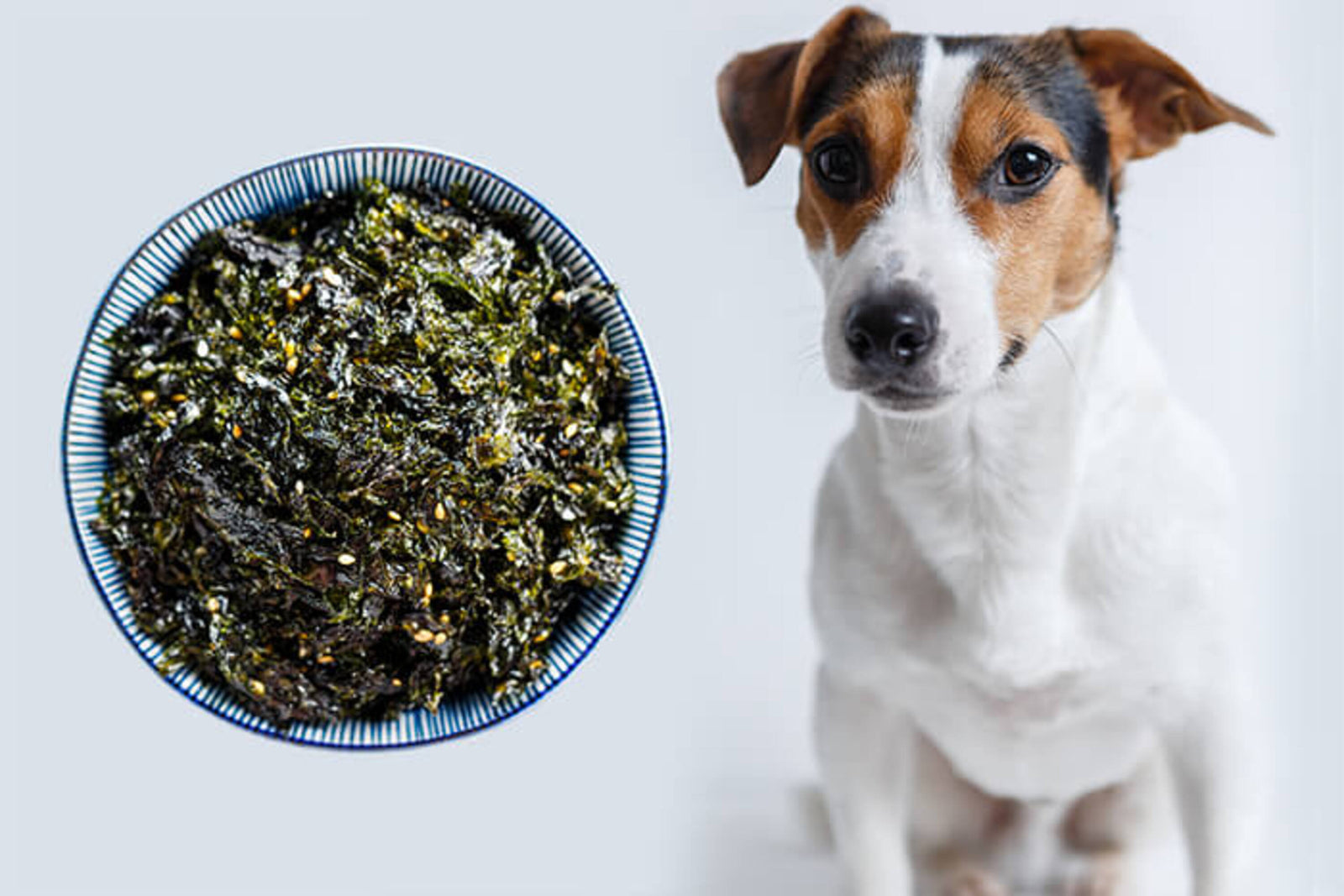
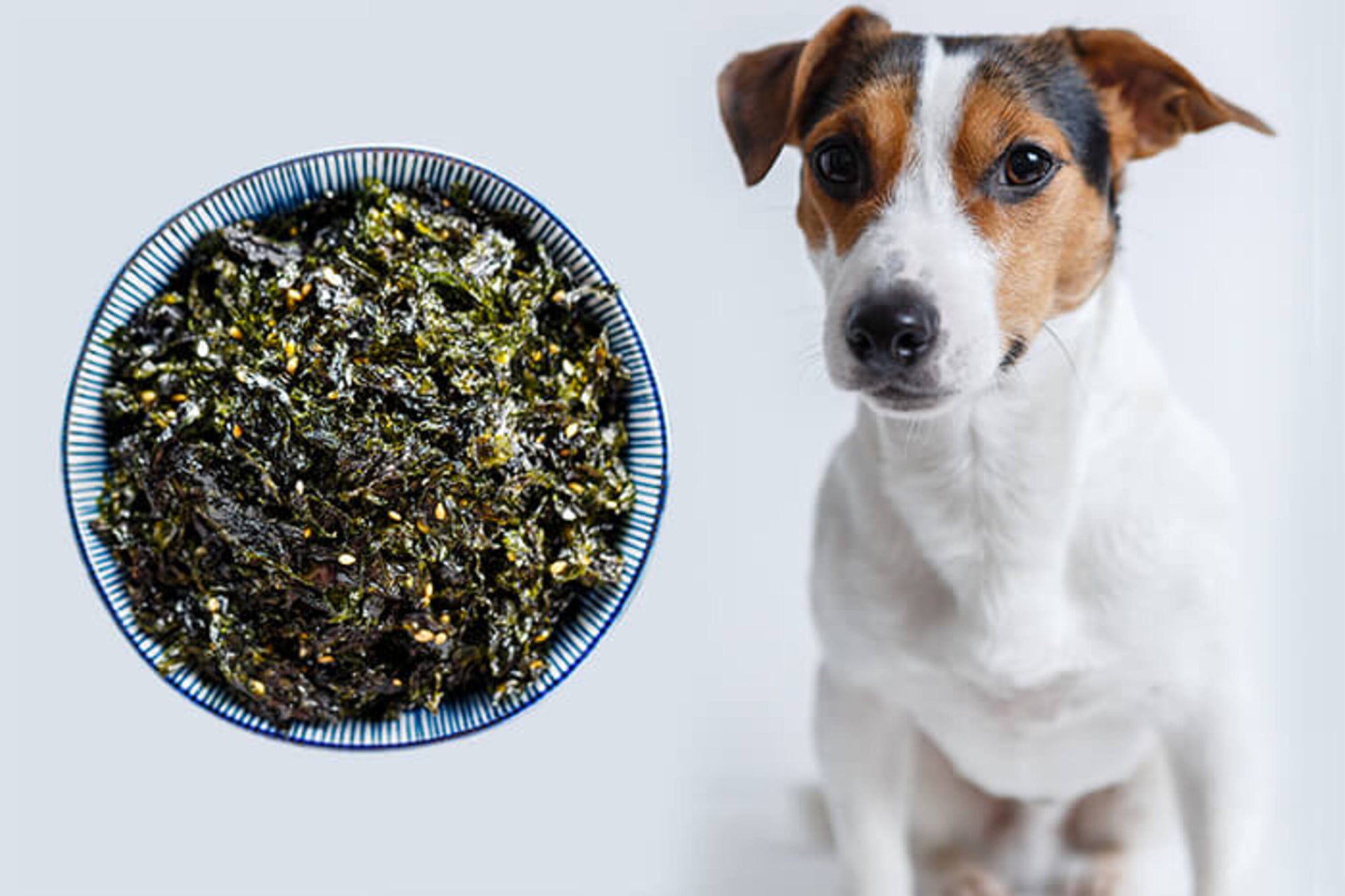
First introduced with sushi, seaweed has become a popular snack in America. In fact, it’s often recognized as a superfood due to its nutritional value and many health benefits. But can you share seaweed with your dog?
Well yes, dogs can eat seaweed. The nutrients that make this sea vegetable healthy for us, are also incredibly beneficial to your pup’s health. But that being said, there are certain things to keep in mind to avoid any harmful side effects.
In this article, we’ll discuss everything you should know before feeding seaweed to your dog.
4 Awesome Health Benefits of Seaweed for a Dog
Let’s first start by discussing the 5 amazing health benefits of feeding seaweed to your dog.
1. Improves Thyroid Function
Seaweed is a rich source of iodine. It’s a trace mineral and an essential component of triiodothyronine (T3) and thyroxine (T4). These are two thyroid hormones that are required for the proper growth and development of your dog’s organs, especially the brain. They are also responsible for regulating metabolic activities in cells.
Adding seaweed to your dog’s diet can help prevent iodine deficiency, which is a common health condition that often leads to thyroid disorders.

2. Provides Omega-3 Fatty Acids
Omega-3 fatty acids are polyunsaturated fatty acids that are categorized into 3 sets α-linolenic acid (ALA), eicosapentaenoic acid (EPA), and docosahexaenoic acid (DHA).
Seaweed contains both DHA and EPA that support various functions in your dog’s body, such as:
- Helps improve the condition of skin and coat
- Prevents dry flaky skin and skin allergies
- Supports the immune system
- Relieves joint pain and stiffness
- Provides anti-inflammatory benefits
It’s also important to note that a dog’s body doesn’t produce omega-3 fatty acids. If you want your dog to enjoy the benefits of these acids, you should incorporate supplements like seaweed into their diet.
3. Supports Digestive Health
Seaweed contains both soluble and insoluble fibers that help support the digestive health of your dog. While the soluble fiber removes excess fluid from the body and prevents diarrhea, insoluble fiber adds bulk to the stool and provides a laxative effect that prevents constipation.
Fiber gets fermented into fatty acids which is beneficial for the good bacteria found in your dog’s intestine. This acid also prevents the overgrowth of bad bacteria and helps the dog’s colon recover from injuries faster.

4. Provides Vitamins & Minerals
Seaweed is packed with vitamins and minerals. It contains vitamin A which supports healthy vision, vitamin B1 which promotes motor and cognitive function, and vitamin B2 which is responsible for the metabolism of fats and carbohydrates into energy.
It also contains vitamins C and E which are two powerful antioxidants that protect the dog’s body against harmful free radicals and help prevent inflammation and cognitive aging in older dogs.
In the minerals section, seaweed contains high amounts of calcium which supports the growth of healthy bones and teeth. It’s also an essential mineral required for proper muscle function, blood coagulation, and a healthy nervous system.
Furthermore, seaweed also offers potassium which is an electrolyte that regulates fluid balance in the body and aids the transmission of impulses from the brain to the body. It also contains magnesium which is required for energy production at the cellular level. These minerals work together to support various enzyme functions in your dog’s body.
5. Low-Calorie Content
Seaweed contains only a few calories which makes it a perfect snack for dogs that are trying to manage their weight. You can add it as a supplement to their diet to provide them with many essential nutrients without adding too many calories.
How to Feed Seaweed to Your Dog
The seaweed dishes you make for yourself aren’t always safe or healthy for a dog. Even the packed seaweed snack that you have bought for yourself may not be safe for your dog as it might contain additional ingredients or seasonings that can be harmful to dogs.
To safely feed seaweed to your dog, buy packed unseasoned dog-friendly seaweed that doesn’t contain any additional ingredients. You might find it in dried or powder form that you can sprinkle on your dog’s daily meals.
There are also plenty of dog-friendly snacks like seaweed sheets available in the market. You can serve these in between meals or as a training treat to your dog.
But avoid food items like sushi and salad that contain seaweed as these also contain other harmful ingredients like onion, garlic, etc.
Also, remember to serve seaweed in moderation and as a supplement to a healthy well-balanced meal. Overeating seaweed can lead to an upset stomach, nutritional imbalance, and other health issues.
While the ideal amount will vary depending on your dog’s health and nutritional requirements, seaweed shouldn’t make up more than 5-10% of your dog’s weekly diet. If you are buying powdered seaweed supplements, you can follow the directions mentioned on the pack by the manufacturer.
It's best to discuss with your veterinarian any supplements you wish to consistently feed to your dog.
What Type of Seaweed is Safe for Your Dog
There are thousands of species of seaweed. Some of which are available in the market for both humans and dogs. To avoid any confusion, let’s also discuss the 4 most common and nutrient-rich types of seaweed you can buy and feed to your dog:
1. Kelp
Kelp is a large brown seaweed that grows in the “underwater forests" in shallow oceans. It’s harvested for various purposes and is a commonly used ingredient in both human and dog food.
Kombu and wakame are two popular forms of edible kelp available in the local market.

2. Dulse
Dulse is a reddish seaweed that grows on the northern coasts of the Atlantic and Pacific Oceans. It’s most commonly used as food or medicine. You can find dried, shredded, and powdered dulse in your local market.

3. Nori
Nori is a popular seaweed used in Japanese cuisine. It’s roasted and pressed into sheets that are used to wrap rolls of sushi or rice balls. You can buy packs of unseasoned nori sheets from the supermarket to serve as a treat to your dog.

4. Sea Grapes
Sea grapes also known as green caviar are species of seaweed from the coastal regions in the Asia-Pacific. These look like tiny balls and are often considered a delicacy seaweed with a texture similar to caviar. You can buy dried or powdered sea grapes for your dog.

Precautions While Feeding Seaweed to a Dog
If you aren’t careful, seaweed can have many dangerous side effects for your dog. To avoid such situations, take note of the following precautions.
Stay Away From The Wild Seaweed
Your dog should never eat wild seaweed that has washed up on the beach. It can be fatal for their health.
First, there’re chances that the seaweed has been lying on the beach for some time. It might have accumulated pollutants and dangerous metals that can adversely affect your dog’s nervous system, kidneys, and immune system. There’s also a risk of salt poisoning.
Second, heat and sun exposure at the beach dries and shrinks the seaweed. When consumed in large quantities, it expands by absorbing the fluid from the dog’s stomach. It can lead to severe intestinal blockage that can be very dangerous.
To avoid any such situation, keep your dog away from wild seaweed during your beach visits. And if in case they have accidentally consumed some wild seaweed, contact a veterinarian as soon as possible.

Monitor For Allergies
Even though it’s rare, your dog can still have an allergic reaction to the safe types of seaweed. It’s best to introduce seaweed in small amounts and monitor your dog’s reaction for at least 24-48 hours.
Look for any of the following signs of an allergic reaction:
- Upset stomach, vomiting, or diarrhea
- Constant itching and licking
- Red or irritated eyes
- Runny nose or continuous sneezing
- Swelling on the face, ears, lips, or eyelids
- Red or inflamed skin
- Itchy ears
If you notice any of these signs of an allergic reaction, contact a veterinarian immediately.
Feed in Moderation
Seaweed is a supplement that’s added to a dog’s diet to maintain an adequate intake of nutrients. Overindulgence can lead to many health problems including digestive disorders and nutritional imbalances.
Hence the seaweed added to your dog’s diet shouldn’t make up more than 5-10% of their weekly diet. You can also talk to your veterinarian to determine the exact amount of seaweed you should feed to your dog.
Summing Up
Seaweed is a perfect supplement to boost your dog’s daily diet. It contains omega-3 fatty acids, iodine, dietary fibers, antioxidants, and many other essential vitamins and minerals that have a ton of health benefits.
To get started just sprinkle some dried or powdered seaweed into your dog’s daily meals or buy unseasoned nori sheets and snacks to feed them as a treat. Just stay away from dried wild seaweed at the beach.
If you’re still in doubt, consult your veterinarian before adding seaweed to your dog’s diet.
FAQs
Let’s answer some frequently asked questions about feeding seaweed to your dog:
1. Can a dog eat dried seaweed sheets?
Yes, your dog can eat dried seaweed sheets. Although some seaweed sheets made for human consumption contain additional flavors or seasoning which can be harmful to a dog. It’s best to buy unseasoned seaweed sheets for your dog.
2. Can a dog eat roasted seaweed?
Yes, you can roast seaweed before feeding it to your dog. But make sure you don’t add any other harmful ingredients like onion or garlic while roasting. Keep the recipe plain to ensure everything is healthy and safe for your dog.
3. Can a dog eat seaweed snacks?
Yes, you can feed dog-friendly unseasoned seaweed snacks to your dog. But avoid feeding them seaweed snacks that are made for human consumption as they might contain additional ingredients like onion, garlic, lime, or chili, all of which can be harmful to a dog.
4. Can a dog eat seaweed salad?
Seaweed salad made for human consumption contains many other ingredients including vinegar, onion, soy sauce, oil, salt, and pepper. These ingredients can be harmful to a dog’s health. Thus it’s best to avoid feeding seaweed salad to your dog.
5. Can a dog eat seaweed if they are suffering from diarrhea?
Yes, you can feed small amounts of unseasoned seaweed to your dog when they have diarrhea. The dietary fibers present in the seaweed can help add bulk to the stool and provide relief from diarrhea.
6. Can a dog eat seaweed from the beach?
No, a dog should never eat seaweed from the beach. First, it can contain pollutants and dangerous metals that could affect your dog’s nervous system, kidneys, and immune system. Second, it’s dried seaweed that can expand in the dog’s digestive system when eaten in large amounts and cause a severe blockage.
If you’re concerned about feeding seaweed to your dog, consult with a veterinarian beforehand.
Join Our Pack
Sign up for our monthly newsletter focused on dog digestion health, cute pup stories, and the latest scoop from Nextrition.
Source:
https://www.dogsnaturallymagazine.com/sea-vegetables-and-their-health-benefits-for-dogs/
https://www.rover.com/blog/can-my-dog-eat-seaweed/


Yes, dogs can eat mussels as an occasional treat. Mussels provide protein, omega-3 fatty acids, vitamins, and minerals that can support joint and overall health. Serve them plain, fully cooked, and removed from their shells, avoiding added salt, oils, and seasonings. This guide explains their potential benefits and how to feed them safely.
What are Mussels?
Mussels are a type of shellfish that has a soft invertebrate inside two connected shells. These shells are joined together on the outside by a ligament.
Based on where they live they’re differentiated into 2 categories: freshwater mussels (found in canals, rivers, ponds, and lakes) and marine mussels (found in saltwater oceans and bays). The latter is widely eaten by humans and other marine predators while the former is mostly eaten by otters, raccoons, and ducks.

The two popular species of marine mussels include blue mussels and green-lipped mussels. Although they’re both safe and healthy for humans and dogs, green-lipped mussels are considered healthier for a dog due to their natural Omega-3s and anti-inflammatory properties. These mussels are native to New Zealand and can be distinguished by their green color around the lips of the shell.

Health Benefits of Mussels for a Dog
Let’s discuss the 5 amazing health benefits of feeding mussels to a dog.
1. Rich Source of Omega-3 Fatty Acids
Mussels contain eicosapentaenoic acid (EPA), eicosatetraenoic acid (ETA), and docosahexaenoic acid (DHA) which are omega-3 fatty acids. These are powerful acids that can support various functions in your dog’s body, including:
- Improves the quality of skin and coat
- Reduces inflammation
- Boosts the immune system
- Supports heart and kidney health
- Proper brain development in puppies
- May help support anxiety and hyperactivity
It’s also important to note that a dog’s body cannot produce these fatty acids. Thus by adding supplements like mussels to their diet you can ensure they get the most benefits of omega-3 fatty acids in their daily diet. If you'd like another easy way to boost omega-3s, our omega-3-rich salmon recipe dog food delivers similar benefits as part of a complete daily meal.

2. Provides Various Nutrients
Mussels contain a wide array of nutrients that can supplement your dog’s diet and boost their health. In the vitamins category, mussels are a rich source of vitamin A which is crucial for improving your dog’s vision, and vitamin C which is an antioxidant that helps reduce inflammation and cognitive aging in dogs.
It also contains vitamin B12 which is directly involved in producing protective tissues that coat the nerves in the brain. Thus it’s an important vitamin that supports a healthy nervous system.
Apart from that, mussels are also a rich source of minerals. They contain potassium, calcium, iron, zinc, selenium, phosphorus, and magnesium. These minerals are essential for many important bodily functions and they work together to support various enzyme functions in your dog’s body.
3. Promote Joint Health
Green-lipped mussels contain glucosamine which is required by a dog’s body to build ligaments, cartilage, and fluid that surrounds the joints. It also contains chondroitin which supports the health of cartilage by absorbing fluid into the connective tissue. Both these compounds work together to provide effective results in relieving symptoms of osteoarthritis.
Since arthritis has become a common health issue that can affect your dog at any age, adding mussels to their diet can be beneficial as it’ll help reduce joint inflammation and relieve other arthritis symptoms. Beyond treats, you can also support mobility long-term by feeding a complete dog food for joint health.

4. Protein-Rich Treat
Mussels contain approximately 24g of protein per 100g serving. And this protein is bioavailable which means it's easier to digest and absorb in a dog’s body.
Now, most pet owners prefer protein-rich treats for their dogs. It provides them an extra boost that aids in muscle growth and improves nerve function. In fact, protein-rich foods allow a dog’s body to perform many critical functions like building and repairing cells and other tissues, supporting the immune system, fueling the dog’s energy levels, etc.
5. Low in Calories
Mussels have high nutritional value and a low-calorie count making them a perfect treat for dogs that are overweight or are trying to manage their weight. You can even add mussels to your dog’s daily meal to increase their protein intake while feeding them fewer calories.
How to Feed Mussels to a Dog
You may be eager to include mussels into your dog’s diet due to their many health benefits, but it’s helpful to remember that just like any other treat - moderation is the key.
Mussels can be a healthy supplement to your dog’s diet but they shouldn’t make up more than 10% of your dog’s daily calorie intake. The remaining 90% of calories should come from their daily well-balanced diet.
Below are a few different ways in which you can serve mussels to your dog as a special treat.
1. Fresh or Frozen Mussels
You can easily buy fresh or packed frozen mussels for your dog. But make sure you buy them without any added ingredients or seasonings as that can be harmful to your dog's health.
Also, you should properly cook the mussels before serving. So if you’re buying fresh mussels start with cleaning them properly to remove any debris or hair. Then boil a pot of water and add all the mussels at once, cover the lid and let it boil for 3-4 minutes.
Once cooked let them cool down and remove the shells before serving. Your dog should only eat the meaty part of the mussel. The shells are a choking hazard and can even cause digestive obstruction.
You can simply serve these cooked mussels on their own or mix them in with their usual daily meals.

2. Dehydrated Mussels
Dehydrated mussels are also a popular choice amongst pet owners. Boiling or cooking mussels can slightly decrease the nutritional value of mussels whereas dehydrated mussels have the same nutritional value as raw mussels.
You can make these at home but a more convenient method is to buy packed dehydrated mussels made for dogs.

3. Supplements or Powders
Green-lipped mussel powder and supplements are quite popular for improving joint health in dogs. They are a great meal topper that’s often recommended by veterinarians. You can try such supplements if you have an older dog or if they are showing signs of arthritis.
You should however consult with your veterinarian before adding such mussel supplements to your dog’s diet. Diet plays a role in joint comfort too, especially for bigger dogs — see our picks for the best cold-pressed dog food for large breeds.

Precautions While Feeding Mussels to a Dog
You can safely feed cooked mussels to your dog in moderation, but careful preparation is important. The following precautions can help reduce common risks.
1. Don’t feed raw mussels - Raw shellfish can carry harmful bacteria and parasites that thorough cooking helps destroy. Nom Nom recommends cooking shellfish before serving it to a dog. This is especially important for dogs with a prior health condition or low immunity.
2. Don’t feed mussel shells - Dogs may choke on shells or suffer mouth injuries, digestive irritation, or an intestinal blockage from hard fragments. Remove and discard every shell and shell fragment, and feed only the mussel meat.
3. Avoid seasonings and consider individual sensitivities - Serve mussels plain, without added salt, spices, oils, garlic, onion, or sauces. Bella+Duke nutrition advisor Jude McCoy also recommends considering a dog’s individual allergies and health conditions when introducing seafood. Start with a small quantity and monitor your dog’s reaction. Possible signs of sensitivity include vomiting, diarrhea, itching, ear irritation, or facial swelling. Stop feeding mussels and contact your veterinarian if any concerning reaction appears. If you are unsure whether mussels are suitable for your dog, seek veterinary advice.
Summing Up
Mussels can add protein and various nutrients to your dog’s diet. They are a rich source of omega-3 fatty acids that helps improve the skin and coat health of your dog. It’s also great for their heart health and immune system.
You can add mussels as a supplement to your dog’s current diet. But remember to control the portion sizes as too much of anything can be harmful.
If you still have some doubts, you can consult with your veterinarian before feeding mussels to your dog.
FAQs
Let’s answer some frequently asked questions about feeding mussels to your dog.
1. Can a dog eat cooked mussels?
Yes, a dog can eat cooked mussels in moderation. They contain various nutrients and omega-3 fatty acids that can support the overall health and well-being of your dog.
2. Can a dog eat raw mussels?
Most vets recommend against feeding raw mussels to your dog as they might contain some bacteria or parasites. It’s better to cook the mussels or buy dehydrated mussels for your dog.
3. Can a dog eat green-lipped mussels?
Yes, green-lipped mussels are very healthy for a dog as they can help reduce joint pain and protects the cartilage in your dog’s body. They also contain many nutrients, omega-3 fatty acids, and antioxidants that can perfectly supplement your dog’s daily meals.
4. Can a dog eat mussel shells?
No, you should never feed mussel shells to your dog as they are a choking hazard and can even cause digestive obstruction.
Join Our Pack
Sign up for our monthly newsletter focused on dog digestion health, cute pup stories, and the latest scoop from Nextrition.
Sources:
https://www.petmd.com/dog/wellness/green-lipped-mussels-dogs-how-they-can-help
https://www.masterclass.com/articles/can-dogs-eat-mussels
https://www.akc.org/expert-advice/health/green-lipped-mussels-can-they-help-your-dogs-joints/
https://blog.homesalive.ca/dog-blog/green-lipped-mussel-for-dogs
Article Record
ReferencesPrimary sources used for this article
Update HistoryMeaningful revisions to this article
- Added expert-backed guidance to the precautions section to help dog owners serve mussels more safely.
- Added expert guidance on precautions for feeding mussels to dogs, helping readers serve them more safely.
- Updated the description to clearly explain that dogs can eat plain, cooked mussels occasionally and highlight their potential benefits.


Oats are amongst the healthiest grains available for human consumption. It's also used in a few commercial dog foods because it's a healthy gluten-free whole grain that acts as a great source of dietary fiber for your dog.
Once cooked, oatmeal is safe to consume for our furry friends. But how exactly does oatmeal benefit a dog? And are there any side effects? Let’s discuss it!
Key Health Benefits of Oatmeal for a Dog
Let’s start by first looking at the several potential health benefits of feeding your dog oatmeal:
1. Aids in Digestion
Oatmeal is a rich source of fiber that can be linked to numerous health benefits, especially for your dog’s digestive system. These fibers are often fermented into fatty acids that feed the good bacteria in your dog’s intestine. It can help keep things moving inside the digestive tracts.
Fiber is also known to add bulk to your dog’s stool and can prevent irregularity like diarrhea or constipation. It can also help in the absorption of sugar in a dog’s body which might stabilize their blood glucose levels.
It’s also important to note that feeding large amounts of food that's rich in fiber can upset your dog’s gastrointestinal tract causing diarrhea, vomiting, and bloating. Since some dog food brands already use oats in their diet, you have to take that into consideration and feed the right amount of oatmeal only as a supplement to a well-balanced diet.
2. Promotes Skin Health
Oats are a great source of vitamin B and linoleic acid, which is a type of omega-6 fatty acid.
Vitamin B can help keep a dog’s fur shiny and skin healthy. It might also be involved in the production of healthy skin cells. Whereas, linoleic acid is known to maintain the integrity of the skin barrier and helping in healing wounds. It can also help your dog fight inflammation and prevent future skin problems.
Many veterinarians also recommend oatmeal baths to treat dry skin, minor itches, or other skin issues. All you have to do is make a fine powder of the oats in a blender and mix it in warm water.
Then gently and generously apply it to the skin and fur of your dog, leave it for 5-10 minutes and wash off using a mild shampoo. This can help your dog’s skin heal from minor skin problems and develop a protective barrier that will lock in all the moisture.

3. Might Lower Cholesterol Levels
Oats contain beta-glucan, a type of soluble fiber. It’s often associated with improving heart health in humans. Although there aren’t any substantial studies for dogs, there is this one study where 14 dogs were fed a control diet or a diet supplemented with 1% beta-glucan for 71 days. They observed reduced levels of total and LDL cholesterol.
LDL cholesterol is classified as bad cholesterol because it collects in the walls of the blood vessels, increasing the chances of heart attack or stroke.
Therefore if your dog suffers from high cholesterol levels, they might see some improvement by either switching to a food with oatmeal or adding it as a supplement to their diet.
4. Helps Improve Bone Strength
Oats contain potassium, magnesium, phosphorus, silica, and iron. They can help in the absorption of calcium in the body and thus strengthens the bones of your dogs. Magnesium can also work alongside fiber to make the digestive system of the dog function optimally.
5. Can be Good For Dogs With Allergies
Dogs can develop intolerance to multiple ingredients including gluten or wheat. If your dog suffers from any such sensitivity then oats might be a good option for them. It’s a great gluten-free alternative when feeding your dog.
Some manufacturers process oats with the same equipment as other grains. Hence you’ll have to buy oats from a source that can ensure they do not get in contact with wheat and other grains during processing, especially if your dog has a severe allergy to gluten. It’s best to buy oats from a manufacturer that labels them gluten-free.
6. Rich in Antioxidants
Oats are the only food that contains avenanthramide which is an antioxidant. It’s a plant-based polyphenol that might be helpful in lowering blood pressure in dogs. It can also have some anti-inflammatory and anti-itching effects on your dog's skin.
How to Prepare Oatmeal for Your Dog: Tips & Precautions
Preparing oatmeal for your dog is very different from how you prepare it for yourself. You need to follow certain precautions and understand the right portion sizes. Let’s discuss each of these topics and concerns in a little more detail…
The Right Portions Size
Even though oatmeal has some great benefits for dogs, it still lacks many nutrients that are necessary for the overall well-being of your dog. Hence oatmeal should be served as a supplement to a complete and balanced diet. It should never substitute or replace their actual diet.
According to American Kennel Club, an appropriate amount to serve your dogs would be around one tablespoon which is ½ ounce of cooked oatmeal for every 20 pounds of their body weight. It’s also advised to not serve oatmeal every day, instead feed it 1-2 times a week.
Feeding your dog more than the advised amount of oatmeal can lead to multiple health problems including vomiting, diarrhea, and bloating.

Commercial Dog Foods Contain Oats
Grains are often used in commercial dog food to add vitamins, minerals, and fibers. They also help dry dog food maintain its shape and crunch.
If you're adding oats to your dog's diet you should know which dog food brands use oats in their recipes. You should read the ingredients list before buying dog food. If it already contains oats, you should refrain from feeding them additional oatmeal.
Otherwise, it’ll lead to too much fiber in your dog’s body which can cause diarrhea and bloating.
Side-Effects of Overfeeding Oats to a Dog
Oats do not have any side effects if you take proper precautions and feed them moderately. And there are multiple reasons why you should avoid overfeeding. First, as mentioned above the high fiber content of oats can cause digestive problems. Secondly, oats are rich in carbohydrates and contain a significant number of calories. Thus overfeeding can lead to weight gain which might increase the risk of many other health problems including diabetes, heart disease, and hypertension.
Feed your dog the right amount of oats once or twice a week as a supplement to a well-balanced diet to avoid any side effects.
What Kind of Oats Are Safe for Your Dog?
Oatmeal can be a great source of nutrients and fibers but only if you serve the right ones. You should never feed your dog flavored, instant, or pre-mixed oats. These might contain raisins, chocolates, cinnamon, or xylitol, an artificial sweetener that can be toxic to your dog’s health.
The 2 best and most recommended types of oats to feed your dog are:
1. Steel-cut oats
These are processed by chopping the whole oat grain into several pieces using a steel blade. They take a much longer time to cook but they also contain slightly higher fiber compared to rolled oats.
They are also known as Irish oats or Scottish oats.

2. Rolled oats
These are processed by steaming the whole grains of oats to make them soft and flexible. Then they are pressed to look like flat irregular round discs.
They are also known as old-fashioned or whole oats.

How to Cook Oatmeal for Dog
You should never feed your dog raw oats as they can be hard to digest and can cause an upset stomach. It’s recommended that you cook them properly and allow them to cool down before serving.
Another thing to note is that you should avoid using milk to prepare oats. Dogs can struggle to break down the lactose in both dairy and plant-based milk. The best option is to cook oats with water.
Simply mix water with rolled or steel-cut oats and let it cook on the stove until the oats absorb the liquid. Don’t add any seasoning or spices like salt, cinnamon, honey, or maple syrup as they can be harmful to your dog.
Once the oatmeal is cooked, let it cool down before serving it to your dog. Remember to use the right portion size which is one tablespoon (½ ounce) for every 20 pounds of body weight.
Can Your Dog Be Allergic to Oats?
Allergies in dogs can be described as a defensive mechanism of the immune system. It is caused when a dog’s immune system mistakes a harmless substance for a dangerous invader. It then employs specialized immune cells to defend the body against the invader.
Although your dog can develop allergies from oats, it’s more often used to assist in relieving the symptoms of allergy like inflamed and itching skin. It does this by improving the health and vitality of the skin and fur and also provides important vitamins and minerals during an elimination diet.
If in a rare case, your dog suffers an allergic reaction due to oats, you might witness one or many of the following symptoms:
- Coughing or Sneezing
- Shortness of breath
- Itchiness
- Diarrhea or upset stomach
- Hives
- Swelling on the face, ears, eyes, or lips
- Nasal congestion
- Obsessive licking
- Red or itchy eyes
- Red or inflamed skin
- Vomiting
Just for caution, monitor your dog's health for 24-48 hours after feeding them oats. If you notice any changes, don’t feed them oats again and contact your veterinarian.
But if your dog enjoys oatmeal and handles it fine, continue to serve it once or twice a week.
Summing Up
Oats are fiber-rich grains that are packed with vitamins, minerals, and antioxidants. It’s an extremely popular food supplement for dogs who suffer from any insensitivity or allergies to wheat or gluten.
But too much of any food ingredient can do more harm than good. Your dog needs a well-balanced food diet to which you can add oatmeal as a supplement.
If you still have doubts, you can consult your veterinarian before feeding your dog oatmeal.
FAQs
1. What kind of oatmeal can dogs eat?
You should always feed minimally processed oats like the steel-cut or the old-fashioned rolled oats to your dog. Stay away from the flavored, instant, or pre-mixed oats as they are highly processed and might contain artificial sugar, salt, cinnamon, chocolates, or raisins, all of which can be harmful to a dog.
2. Is oatmeal safe for puppies?
Yes, oatmeal is perfectly safe for puppies. Just remember to properly cook oats with water and let them cool down before serving. Don’t serve raw oats to your puppy as it can be hard to chew and digest.
An appropriate amount to serve your puppies would be around one tablespoon which is ½ ounce of cooked oatmeal for every 20 pounds of their body weight.
3. How much oatmeal can dogs eat?
According to American Kennel Club, an appropriate amount to serve your dogs would be around one tablespoon which is ½ ounce of cooked oatmeal for every 20 pounds of their body weight. It’s also advised to not serve oatmeal every day, instead feed it 1-2 times a week.
4. Can a dog eat oatmeal daily?
Oatmeal as a supplement to a balanced diet should be served in moderation. It’s recommended that you serve cooked oatmeal 1-2 times a week only. If you would like to feed oatmeal more regularly you should consult with your veterinarian.
5. Can a dog eat uncooked oatmeal?
You shouldn’t feed your dog uncooked oatmeal as it can be hard to chew and digest and can cause an upset stomach. Always cook the oats in water and serve them at room temperature. Also avoid adding any spices or seasonings like sugar, maple syrup, cinnamon, turmeric, or cardamom as they can be harmful to your dog.
6. Can I feed my dog oats with honey?
Honey and oats are both safe for dogs but they both contain a lot of calories. Adding honey to the oatmeal regularly can lead to weight gain and obesity. Hence you should save it only for a special treat.
7. Can oatmeal treat diarrhea in dogs?
Oatmeal contains fibers that add bulk to the stool which might help treat mild diarrhea. But if you overfeed oatmeal to your dog, it can make the situation worse.
Furthermore, if your dog is suffering from severe diarrhea or an upset stomach, you should contact your veterinarian.
Join Our Pack
Sign up for our monthly newsletter focused on dog digestion health, cute pup stories, and the latest scoop from Nextrition.
Sources:
https://www.healthline.com/nutrition/can-dogs-eat-oatmeal
https://www.purepetfood.com/help/can-dogs-eat-oats
https://www.akc.org/expert-advice/nutrition/can-dogs-eat-oatmeal/
https://wildearth.com/blogs/dog-knowledge/can-dogs-eat-oatmeal