




If you're asking how long does it take a dog to adjust to new food, the short answer is usually 7 to 10 days. What trips people up is thinking the switch is done when the bowl gets licked clean. It isn't. The gut is still catching up.
What matters is pace, stool, and whether your dog actually settles, not just eats. We've seen people switch too fast, add treats on top, then blame the food by day 3. A cleaner recipe can still go sideways if you rush it.
A few things worth watching before you make the jump:
- Soft stool for a day or two can be normal; repeated vomiting is not
- Portion size matters more than people think, especially with nutrient-dense food
- Switching protein, format, and treats all at once is where things get messy fast
Read this, and you'll know what normal looks like.
The Short Answer: Most Dogs Need About 7 to 10 Days
If you're wondering how long does it take a dog to adjust to new food, the most useful answer is usually 7 to 10 days. Some dogs settle in within 5 to 7 days. More sensitive dogs can need closer to 14 days.
There’s an important distinction here. A dog can tolerate a new food after a meal or two and still not be fully adjusted. Real adjustment means their digestive system has caught up, stools are steady, appetite is normal, and the new food isn’t creating background friction in the gut.
A few mild changes early on can be normal:
- slightly softer stool
- a little more gas than usual
- brief hesitation at mealtime
- a shift in potty timing
That doesn’t automatically mean the food is wrong. Often it just means the gut is adapting to different proteins, fats, fiber, and ingredient structure.
The safest default is simple: switching dog food gradually gives your dog the best chance of settling in without unnecessary stomach upset.
Why Dogs Need Time to Adjust to New Food
A dog’s digestive system gets used to what it sees every day. The enzymes, gut flora, and general rhythm of digestion adapt to a regular input. Change that too fast, and you can throw the system off balance.
That’s when people start seeing loose stool, vomiting, extra gas, reduced appetite, or odd bathroom timing. Not because food changes are inherently bad, but because abrupt ones ask the gut to do too much at once.
For owners focused on long-term health, this matters beyond digestion. A lot of the immune system is tied to the gut, which is why dog food for digestive problems pays off well beyond the transition itself.. If the digestive tract is irritated, you’re not just dealing with poop problems. You’re dealing with a system that’s under strain.
Food quality is part of this story. So is preparation method. We’ve seen that dogs often do better when the new food works with the body instead of forcing the body to work around it. That’s one reason cold-pressed food gets attention from owners who care about gut health. It’s gently prepared at much lower temperatures than standard kibble, which helps preserve more of what the body can actually use.
A rushed switch can make even good food look bad.
What Affects How Long a Dog Takes to Adjust
Not every dog follows the same timeline. The 7 to 10 day range is a strong starting point, not a rule carved in stone.
A few things change the pace:
- Age: puppies and older dogs can be more sensitive, so they often need a slower hand
- Health status: dogs with food sensitivities, GI issues, allergies, or recent illness usually need closer monitoring
- Type of food change: shifting proteins is one thing, changing both protein and format is another
- Ingredient differences: fat level, fiber content, digestibility, and protein source all matter
- Previous diet quality: dogs coming off heavily processed food may show a more noticeable response when moved to a cleaner, richer formula
- Stress and eating behavior: anxious dogs and picky eaters often complicate the picture
One non-obvious point: a healthier formula can still create a noisy first week if it’s substantially different from what your dog has been eating. Better doesn’t always mean faster. It often means the body needs a little time to recalibrate.
A Simple Dog Food Transition Schedule That Works for Most Dogs
Most dogs do well with a gradual, step-by-step switch. If you want a practical dog food transition schedule, use this:
- Days 1 to 2: 25% new food, 75% old food
- Days 3 to 4: 50% new food, 50% old food
- Days 5 to 6: 75% new food, 25% old food
- Days 7 to 10: 100% new food, if stools and appetite stay stable
That’s the default. Not the law.
Some dogs move through a 7-day transition without a problem. Others do better if you hold each step longer. If stool gets too soft or appetite dips, pause at the current ratio. Give it another couple of days before increasing the new food again.
The best transition schedule is the one your dog can handle cleanly.
Unless your veterinarian has told you otherwise, this is the safest baseline for switching dog food gradually.

When to Slow the Transition Down
Some dogs need a longer runway. Ten to fourteen days is not unusual, especially if your dog has a history of stomach sensitivity or food reactions.
Slow down if you notice:
- mild diarrhea
- extra gas
- mucus in stool
- lower appetite
- obvious stomach discomfort
- more urgency or strain during potty breaks
This is where people tend to get impatient. Don’t. Slowing the transition isn’t failure. It’s good stewardship.
A practical move is to return to the last ratio your dog handled well and stay there for 2 to 3 more days. Then try increasing the new food again. Small adjustments usually beat dramatic ones.
If your dog has a sensitive stomach, allergies, or a pattern of reacting to diet changes, a more personalized approach helps, and some formulas are built for sensitive, diarrhea-prone dogs. That’s part of why we offer personalized meal plans. Getting the recipe fit and portions right before the switch removes a lot of guesswork, and guesswork is where transitions often go sideways.
What Is Normal During the Adjustment Period and What Is Not
This is where people second-guess everything. One soft stool and suddenly the whole plan feels wrong. Usually, it isn’t.
Normal adjustment signs can include:
- slightly softer stools for a short period
- a small change in appetite
- mild increase in gas
- hesitation around a new texture or smell
- a temporary shift in potty timing
A dog adjusting to new food can have a short acclimation period even when the food is a good fit. That’s normal biology, not a red flag.
The things that are not normal are harder, more persistent, or getting worse:
- repeated vomiting
- ongoing diarrhea
- refusing food for more than a day
- worsening lethargy
- marked bloating
- symptoms that intensify instead of settle
If that’s what you’re seeing, stop trying to tough it out and call your veterinarian, especially if your dog has an underlying condition. A transition should ask for patience, not denial.
How to Change Dog Food Without Upset Stomach
If your goal is changing dog food without upset stomach, control the variables. Most problems happen when owners change three things at once and then can’t tell what caused what.
Keep the process tight:
- feed the same total amount during the switch
- don’t add new treats, scraps, toppers, or supplements
- stick to regular meal times
- measure portions instead of eyeballing them
- introduce one recipe at a time
- watch trends, not one random bowel movement
The measuring part matters more than people think. Premium foods can be more nutrient-dense, so the bowl may look different even when the calories are right. Overfeeding during a transition creates confusion fast.
Also, judge the switch by the whole dog. Stool quality matters, but so do appetite, energy, skin, coat, and comfort. One off day doesn’t tell the whole story.

Does Better Food Make the Transition Easier?
Not automatically. Any food can cause digestive disruption if you switch too fast, even a very high-quality one.
Still, the quality of the food and how it’s made matter a lot once your dog gets through the adjustment window. Health-conscious owners usually aren’t just trying to get from one bag to another. They’re trying to land on something better for the dog over time.
That usually means looking for:
- real meat as the foundation
- fruits and vegetables with recognizable purpose
- natural ingredients
- digestibility, not just label claims
- a preparation method that’s less aggressive than standard kibble processing
Cold-pressed food is relevant here because it’s made at roughly three times lower temperatures than conventional kibble. That gentler process can help preserve nutrients and support the gut, where about 70% of the immune system resides.
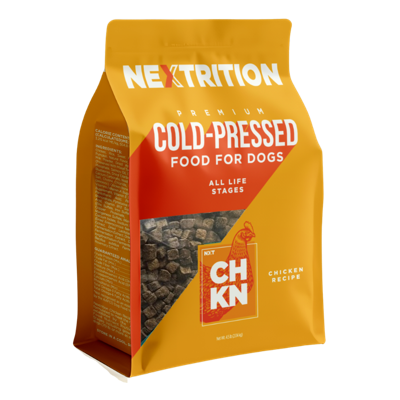
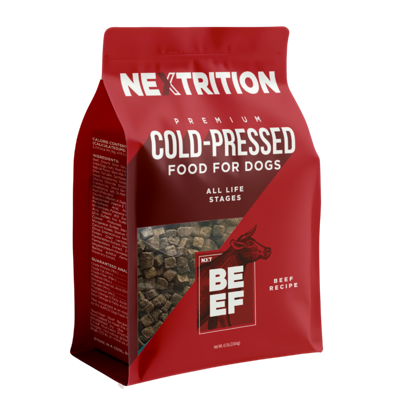
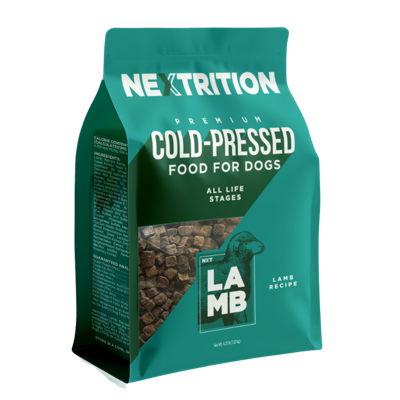
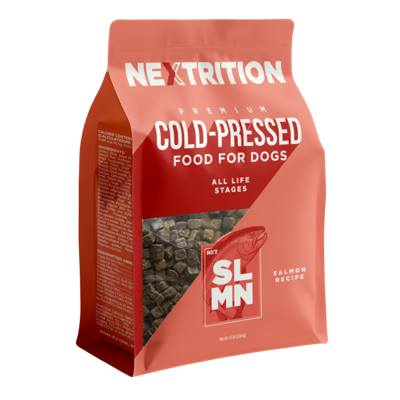
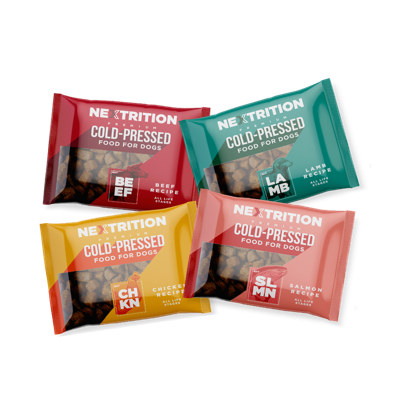
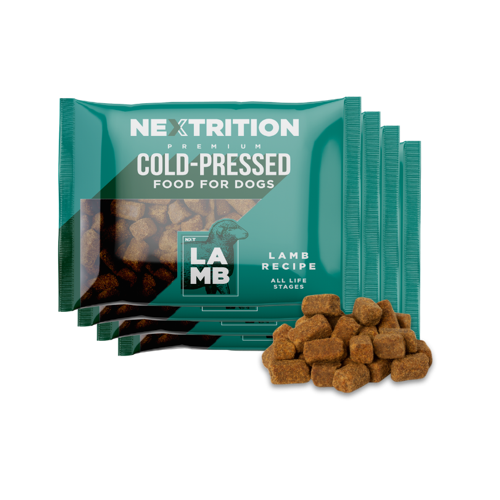
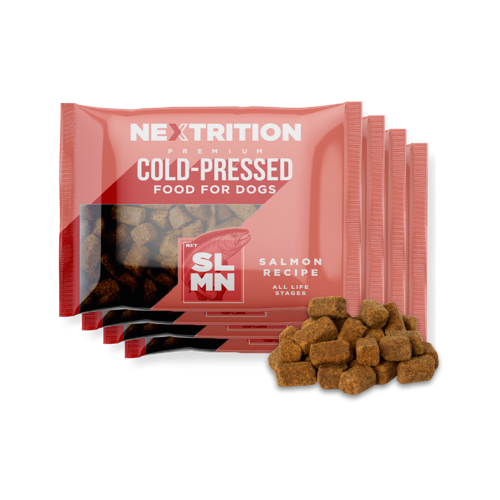
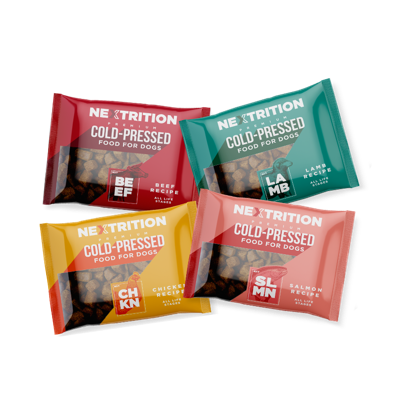
Our cold-pressed recipes come in lamb, chicken, salmon, and beef, using real ingredients and Rocky Mountain waters. But the bigger point is this: the goal isn’t just surviving the transition. It’s moving onto a food that supports digestion, immunity, skin, and coat for the long haul.
How to Know if the New Food Is a Good Long-Term Fit
The first week tells you whether your dog can transition. The next 2 to 4 weeks tell you whether the food is actually working.
Positive signs tend to be pretty clear:
- consistent stool quality
- healthy appetite
- steady energy
- less digestive noise
- comfortable, regular poops
- improvement in skin and coat over time
Digestive changes usually show up first. Skin and coat often take longer. That delay throws people off. They expect the full result by day five and bail too early.
Look at the whole-dog response. Not just whether your dog eats the food. Plenty of dogs will eat food that doesn’t really suit them. Acceptance is a low bar. Thriving is the bar.
Common Mistakes That Make Food Transitions Harder
Most transition problems come from impatience or too many moving parts.
Here are the mistakes we see most often:
- switching too fast because the first meal went fine
- adding too much new food too soon
- changing treats, supplements, and schedule at the same time
- assuming every soft stool means the food is bad
- ignoring symptoms that keep repeating
- overfeeding because the new food looks lighter or denser in the bowl
- bouncing between brands or proteins too quickly
The big one is this: people react faster than the dog’s gut can. Then they lose the signal. If you change pace, protein, portion size, and treats all in the same week, you won’t know what worked.

Special Cases: When a Faster or Different Switch May Happen
Not every transition is elective. Sometimes you’re dealing with a recalled food, a discontinued product, refusal to eat the current diet, or a direct veterinary recommendation that changes the timeline.
In those cases, a faster switch may be necessary. That can still bring digestive upset, but the priority may be different.
If your dog has allergies, active GI disease, or needs a therapeutic diet, work with your veterinarian. Those are not situations to manage by feel.
For most healthy dogs, though, the rule holds. If you have the choice, use a gradual plan. Fast changes are usually more stressful than they need to be.
Choosing the Right New Food Before You Transition
A smoother transition starts before the first scoop. If you choose better upfront, the whole process gets easier.
Look at the basics first:
- protein source your dog is likely to tolerate well
- ingredient quality and digestibility
- food format
- fit for your dog’s age, activity, and health goals
- whether the formula supports gut health, immunity, skin, and coat
For our kind of customer, highly processed feed isn’t the benchmark. The interest is in real meat, fruits and vegetables, natural ingredients, and gentler preparation.
A personalized meal plan helps here. It makes feeding feel more precise and less like trial and error. And once you find a formula that works, consistency matters. One-time orders are fine if that suits your routine, but subscription delivery can remove the gap between “this food works” and “we forgot to reorder.” Convenience is part of digestive consistency whether people admit it or not.
Frequently Asked Questions About Dog Adjusting to New Food
A few questions come up every time.
How long does it take a dog to adjust to new food if they have a sensitive stomach?
Usually closer to 10 to 14 days. Some sensitive dogs need even longer, especially if the new food differs a lot in protein, fat, or format.
Can a dog have diarrhea for a few days after switching food?
Mild, short-lived stool changes can happen. Ongoing diarrhea is not something to just watch indefinitely. If it persists or worsens, call your vet.
Should I stop the new food at the first sign of soft stool?
Not necessarily. First, slow the transition down. Go back to the last successful ratio and hold there for a couple of days.
What if my dog refuses to eat the new food?
A little hesitation can be normal with a new smell or texture. A full refusal that lasts more than a day deserves more attention.
Is it normal for potty habits to change during a food switch?
Yes, briefly. Timing, frequency, and stool consistency can shift during adjustment.
Can I switch proteins and food format at the same time?
You can, but it’s a bigger ask for the gut. If your dog is sensitive, it’s smarter to reduce variables where you can.
How do I know if I should keep going, slow down, or call my vet?
If symptoms are mild and improving, slow down and monitor. If they’re persistent, severe, or getting worse, call your vet.
Conclusion
Most dogs settle into a new food within 7 to 10 days when the change is gradual and the food is a good fit. Some need longer. That part is normal.
The bigger goal isn’t just avoiding an upset stomach for a week. It’s getting your dog onto a food that supports digestion, immunity, and day-to-day vitality in a way you can sustain.
Go slow. Measure carefully. Watch the whole dog, not one moment. A calm, steady dog food transition schedule usually works better than reacting to every small fluctuation.
Food shouldn’t feel like a gamble. Done well, it becomes one of the most reliable tools you have.


