




Cold pressed dog food nutrients get talked about like a label claim, but what usually gets missed is the processing. You can have a bag full of good ingredients and still lose a lot of what made them worth feeding in the first place.
What matters is how much of that food still does useful work for your dog: digestion, stool quality, coat, appetite, day to day energy (that part gets overlooked). Here's where people usually get tripped up:
- lower heat changes what stays intact
- dense food breaks down differently than puffed kibble
- ingredient lists matter, but processing tells the real story
By the end, you'll know what to look for.
What Cold Pressed Dog Food Nutrients Actually Means
When people talk about cold pressed dog food nutrients, they’re really talking about what stays in the food, not what gets patched back in later. That distinction matters more than most labels let on.
Cold-pressed food is made to help preserve the naturally occurring proteins, fats, vitamins, minerals, fiber, and other useful compounds already present in real ingredients. It’s not about taking a heavily processed base and dressing it up after the fact. It’s about being less destructive from the start.
For most dog owners who care about health, the real concern isn’t academic. You’re looking for signs in daily life:
- steady energy
- comfortable digestion
- healthy stools
- skin and coat condition
- resilience over time
A bag can say complete and balanced and still leave an important question unanswered. How much of the original ingredient integrity is still there after manufacturing? That’s where the nutrient conversation gets real.
A food isn’t just ingredients on paper. It’s ingredients after processing.

Why So Many Dog Owners Feel Confused by Nutrient Claims
The confusion is earned. Walk down any pet food aisle and every bag sounds healthy, premium, natural, or nutrient-rich. Most of them can’t all mean the same thing, but they’re written as if they do.
Terms like gently cooked, baked, raw-inspired, and natural often create more fog than clarity. They sound reassuring. They don’t always tell you what happened to the ingredients under heat, pressure, and manufacturing stress.
One mistake we see a lot is focusing only on the ingredient panel. Ingredients matter, obviously. But processing can change what remains nutritionally useful. Two foods can start with similar ingredients and finish very differently.
Traditional kibble became normal because it’s convenient, shelf-stable, and consistent. That doesn’t automatically make it the best way to protect delicate nutrients. It just means the system got used to it.
If you’ve ever felt like you’re doing the homework and still not getting a straight answer, that’s not you being difficult. It’s the market. The better question is simpler: which method treats nourishment with more respect?

How Cold Pressing Works and Why Temperature Matters
Cold pressing is fairly simple once you strip away the marketing. Ingredients are mixed, then pressed into dense pieces using much lower temperatures than extrusion.
In the broader category, cold-pressed food is generally made around 40 to 80°C. Extruded kibble is often made around 120 to 200°C. We make our food at 3x lower temperatures to help preserve nutrients. That’s not a cosmetic detail. It’s the point.
Why lower heat changes the conversation
Higher heat can be hard on heat-sensitive components such as:
- certain vitamins
- enzymes
- natural oils
- amino acids
- natural aroma compounds
Extrusion uses high heat, steam, and pressure to create that puffed kibble shape many people recognize. It’s efficient. It also tends to strip away some of the food’s natural character. That’s one reason many conventional kibbles need coatings or added palatants after processing.
Cold pressing takes a less aggressive route. The result is a denser chunks, and, usually, more of the ingredient’s original qualities left intact.
A lot of this gets made too technical. It doesn’t need to be. If you cook ingredients less harshly, you generally preserve more of what made them valuable in the first place.
Does Cold Pressing Preserve Nutrients Better Than Traditional Kibble
Yes. If you’re asking does cold pressing preserve nutrients, the practical answer is yes, compared with traditional high-heat extrusion.
That doesn’t mean no processing has an effect. It does. But gentler preparation is designed to retain more of the naturally occurring nutrient value than a hotter, more forceful process.
Research across the category consistently points in the same direction. Cold pressing is generally better for retaining heat-sensitive vitamins, enzymes, amino acids, antioxidants, oils, and natural aromas. That’s not just nice for a label. It affects how the food smells, tastes, digests, and how efficiently your dog may use it.
Here’s the useful comparison:
- Cold-pressed food aims to preserve more of what ingredients naturally offer
- Extruded kibble is more likely to degrade delicate nutrients during production
- Heavier processing often leads to greater reliance on synthetic vitamin packs and flavor coatings afterward
That last point gets overlooked. A food can meet minimum standards and still depend heavily on reconstruction after manufacturing. We don’t think that should be the default goal.
If you’re comparing dry foods seriously, look at both ingredient quality and processing intensity. One without the other is incomplete.
Which Nutrients Are Most Affected by Processing
Not every nutrient responds to heat the same way. Some hold up reasonably well. Others don’t. That’s why the method matters.
Proteins and amino acids
Protein isn’t just about the number on the bag. Intense heat can alter protein structure and reduce some of its natural integrity. Lower-temperature preparation is generally less disruptive, which is part of why cold pressing appeals to owners who care about usable nourishment, not just crude percentages.
Fats and essential fatty acids
Oils are sensitive. They can be damaged by heat and oxidation, and that matters for skin, coat, and overall vitality. When fat quality goes off course, dogs often show it before owners know why. The coat gets dull. Mealtime enthusiasm slips.
Vitamins, enzymes, and plant compounds
Some vitamins and enzymes are especially heat-sensitive. The same goes for many antioxidants and beneficial compounds from fruits and vegetables. Those ingredients aren’t there just for color on the bag. In a gentler process, they have a better shot at contributing something meaningful.
Fiber and digestion-supporting components
Fiber often gets treated like a side note. It shouldn’t be. It plays into stool quality, digestive comfort, and how well nutrients move through and get absorbed. In practice, that’s one of the first places owners notice whether a food is working.
Why Digestibility Is Part of the Nutrient Story
A nutrient your dog can’t break down and absorb well isn’t doing much. This is where a lot of nutrient talk falls apart.
Cold-pressed dog food are physically different from puffed kibble. They’re denser, and they break down differently. Instead of expanding the way extruded kibble can, cold-pressed food tends to disintegrate more gradually. For some dogs, especially sensitive ones, that difference matters at mealtime and afterward.
Common owner-reported outcomes across the category include:
- gentler digestion
- smaller, firmer stools
- less bloating
- more comfortable feeding
None of that should be treated like a guarantee. Dogs are individuals. Still, the pattern is consistent enough to pay attention to.
This is the operator view of it: digestibility isn’t a bonus feature. It’s part of whether the nutrition is actually accessible. If the bowl looks good on paper but your dog struggles with it by the second afternoon, the paper wasn’t the point.
Why Gut Health and Immune Support Belong in This Conversation
Around 70% of a dog’s immune system resides in the gut. Once you understand that, digestion stops being a narrow issue.
A gentler, less harshly processed food can support the digestive environment that everyday resilience depends on. Not in a magic way. In a basic, biological way. Preserve more nutrient value, reduce unnecessary processing stress, support digestion better, and you give the body a more stable foundation to work from.
That matters most to owners dealing with:
- sensitive stomachs
- inconsistent stools
- signs that a current food isn’t being handled well
- dogs that seem fine, but not fully thriving
Most people aren’t chasing miracle claims. They want steady energy, better tolerance, and long-term wellness they can actually observe. That’s the right instinct. Gut health, nutrient preservation, and immune support aren’t separate conversations. They’re the same system viewed from different angles.
What Real Ingredients Contribute Beyond the Label
Ingredient quality and processing work together. One can’t fully rescue the other.
Real meat provides the protein and amino acids dogs actually need. Purposeful fruits and vegetables can contribute fiber and beneficial plant compounds. And even something as overlooked as water says something about a brand’s approach. Clean, naturally sourced water isn’t decorative. It reflects whether the food is being built carefully or just marketed carefully.
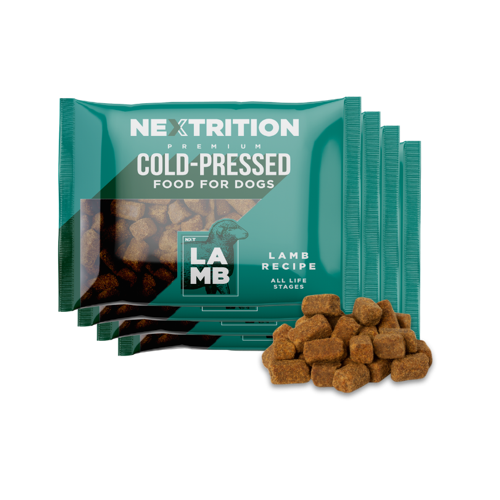
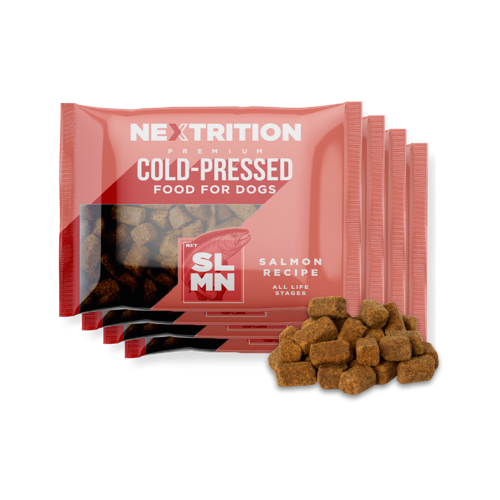
At Nextrition, we build our cold-pressed recipes around real meat, fruits and veggies, and Rocky Mountain waters. Not because those details sound premium, but because they support ingredient integrity from the start.
A good rule here: whole-food ingredients should do real work. They should influence nourishment, digestibility, and palatability. If they’re only there for label theater, your dog usually tells you sooner than the brand does.
Cold Pressed vs Extruded Kibble Nutrients at a Glance
Most readers don’t need a lecture here. They need a clean comparison.
| Format | Cold-pressed food | Extruded kibble |
|---|---|---|
| Processing | Lower temperature | High heat, steam, pressure |
| Texture | Dense | Expanded, airy piece |
| Breakdown | Gradual, non-expanding | Puffed structure, can expand |
| Nutrient retention | Better preservation of delicate compounds | Greater risk of nutrient degradation |
| Aroma and flavor | More natural retention | Often needs coatings or palatants |
| Additives | Often fewer synthetic add-backs | More common reliance on supplementation |
Extruded kibble became dominant largely because it’s efficient to make and easy to distribute. That’s a manufacturing advantage, not necessarily a nutritional one.
Both formats can be convenient and shelf-stable. But if your priority is a more biologically respectful approach to nutrition, cold pressing is often the stronger fit.
Signs Your Dog May Benefit From a More Nutrient-Preserving Food
You don’t need a crisis to rethink the bowl. Often it starts with a low-grade sense that something is off.
Maybe your dog has inconsistent stools. Maybe digestion seems touchy for no obvious reason. Maybe the coat looks flat, meals get only polite interest, or the food itself just feels overly processed when you handle it. Sometimes owners are doing everything right and still feel their dog could be doing better. That feeling is worth listening to.
Look for patterns over a few weeks, not one dramatic day:
- stool quality that swings around
- visible digestive sensitivity
- dull skin or coat
- low enthusiasm at meals
- a general sense that the current food isn’t landing well
The goal isn’t perfection. It’s fit. Better preparation can be the missing variable.
How to Evaluate a Cold-Pressed Food Without Falling for Hype
This is where discipline helps. Front-of-bag language is cheap. You need the operating details.
Use a short checklist:
- Does the brand clearly explain the processing method?
- Are the proteins real and named, not vague animal terms?
- Are fruits, vegetables, and other ingredients included purposefully?
- Does the brand talk clearly about digestibility and sourcing?
- Is the nutrition philosophy believable, or just premium-sounding?
- Can you actually use this food long term, consistently?
A personalized meal plan can help if you want better nutrient quality without guessing on portions or recipe fit. We offer that because premium nutrition only works when it’s usable in daily life. Good feeding systems reduce friction. They don’t add to it.
How Recipe Variety Can Support Better Nutritional Fit
Nutrient preservation matters, but recipe fit still matters. Dogs respond differently to proteins, flavors, and formulas over time.
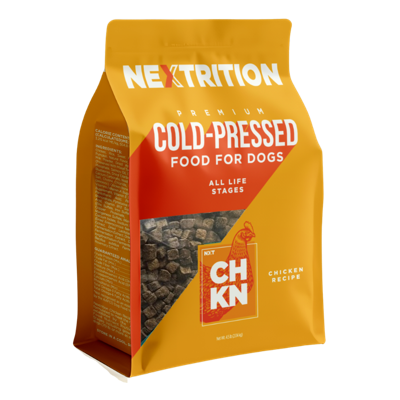
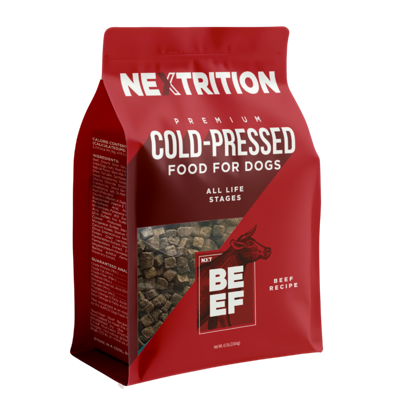
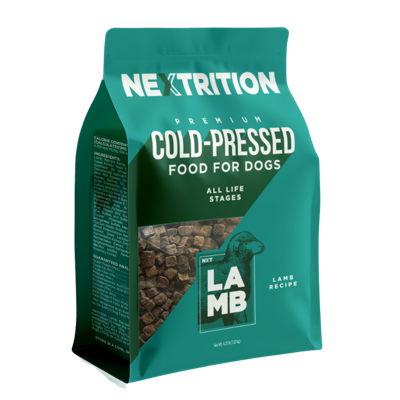
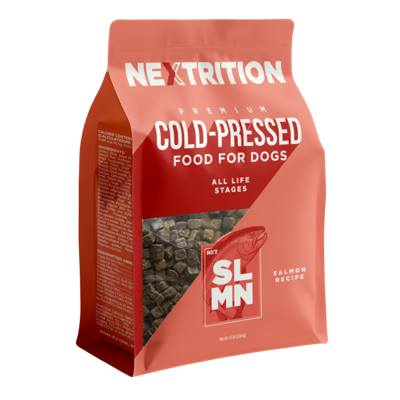
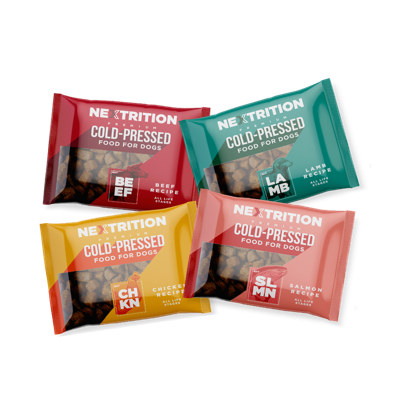
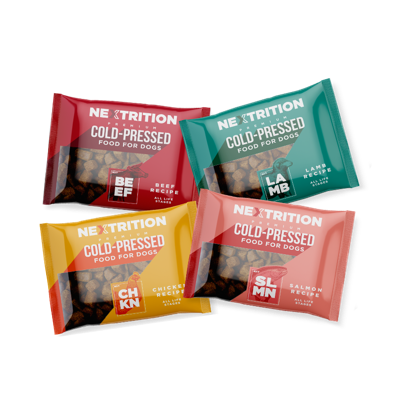
We keep four recipes for a reason: lamb, chicken, salmon, and beef. That gives you room to choose based on preference, tolerance, rotation, or how your dog actually responds after a few weeks.
One dog does better on salmon. Another is more enthusiastic about beef. Some owners want a practical rotation without changing formats entirely. That’s reasonable. Consistency in processing with flexibility in protein is a much calmer way to feed.
A personalized feeding approach helps here. It shifts the question from “what sounds healthiest?” to “what fits this dog?”
What to Expect When Switching to Cold-Pressed Food
Switch gradually. That’s the boring advice, and it’s the right advice.
A slower transition helps reduce the chance of digestive upset. During the first days, pay attention without overreacting. You may notice changes in stool, appetite response, digestion, and general enthusiasm at mealtime as your dog adjusts.
Watch the trend, not every single bowl.
Convenience matters here more than people admit. If a better food is hard to maintain, many owners drift back to whatever is easy. That’s why we offer both one-time purchases and subscription delivery. Not as a pitch, just because consistency usually decides whether a nutrition upgrade sticks.
Common Misunderstandings About Cold Pressed Dog Food Nutrients
A few points are worth clearing up.
- Cold pressed does not mean raw.
- It is still a dry food.
- Not all dry foods are nutritionally equivalent just because they meet minimum standards.
- Dense does not automatically mean harder to digest. Cold-pressed food breaks down differently and does not expand like puffed kibble.
- Higher price alone proves nothing. Processing and ingredient transparency still matter.
If you’ve been told that caring about this is fussy, we’d disagree. Seeking simpler, less harshly processed food is a rational response to how nutrition works. Heat changes food. Manufacturing choices matter. That’s not a trend. It’s just true.
Conclusion
Cold pressed dog food nutrients are about preserving more of the natural value already present in real ingredients through lower-temperature preparation. That’s the core idea, and once you see it, a lot of pet food marketing starts to read differently.
The benefits connect. Better nutrient integrity supports digestibility. Digestibility supports gut health. Gut health connects closely to immune support. And none of it works well if ingredient quality is weak to begin with.
If you want a practical next step, compare your current food’s processing method with a cold-pressed option. Then look at whether a personalized feeding approach would make better nutrition feel clearer, more realistic, and easier to stick with for your dog.


