




How is cold pressed dog food made? That's the part most brands skip, and it's usually where the real difference is. You see a nice label, good ingredients, maybe a digestion claim, but the process is what tells you whether that food stays closer to the ingredients you actually wanted in the bowl.
What matters is heat, pressure, and how the food breaks down after your dog eats it (not just how the bag talks about it). If you're trying to avoid harshly processed kibble, start here.
- why lower temperature pressing changes the final food
- what happens between raw ingredients and the finished bag
- where digestion, density, and shelf stability actually come from
What Cold Pressed Dog Food Actually Means
Cold pressed dog food is dry food made by blending ingredients, then pressing them into dense pieces at lower temperatures than standard kibble. That’s the basic answer, but the important part is the method, not just the label.
Cold pressed does not mean raw. It’s still prepared food. It’s also shelf-stable, which means you can store it like dry food, not like frozen or refrigerated diets.
What usually throws people off is the shape and texture. Cold pressed pieces tend to be more compact than puffed kibble. They’re denser, less airy, and that difference isn’t cosmetic. It points back to how the food was made.
Processing is part of the recipe, whether the bag says so or not.
So when people ask how is cold pressed dog food made, they’re usually really asking something more practical: how is it different from the dry food they already know? That’s the right question, because for premium nutrition, manufacturing affects digestion, flavor, nutrient integrity, and how much of the original ingredient value actually makes it to the bowl.

Why the Manufacturing Process Matters More Than Most Labels Suggest
A lot of dog foods sound healthy on the bag. Real meat. Natural ingredients. Added vitamins. You’ve seen it. The problem is that two foods can start with similar ingredients and end up very different once heat, steam, and pressure get involved.
That’s where most labels go quiet.
When food is pushed through a harsher manufacturing system, proteins can change, oils can be stressed, and more delicate nutrients have a harder time holding up. You still get a finished product, of course. But it’s not the same food in functional terms.
For dog owners who care about digestive comfort, coat quality, nutrient density, and immune support, this matters. A lot. Around 70% of a dog’s immune system resides in the gut, so digestibility isn’t some side issue. It’s central.
Cold pressing sits in a useful middle ground:
- more practical than raw
- more considered than standard extruded kibble
- easier to live with day to day than fresh food that needs constant refrigeration
That balance is why this category keeps growing. Not because it sounds premium, but because it solves a real tension. You want convenience, but you don’t want convenience to flatten ingredient quality.
How Is Cold Pressed Dog Food Made? Step by Step
The cold pressed dog food process is deliberate, not mysterious. If you strip away the marketing language, it comes down to a cleaner sequence with less aggressive heat.
1. Ingredient sourcing
It starts with the actual recipe. Real protein sources like lamb, chicken, salmon, or beef form the base. Then come fruits, vegetables, grains where appropriate, and natural oils depending on the formula.
This is where better food usually separates itself early. If a formula leans on fillers, the process won’t save it.
At Nextrition, our recipes are built around real meat and natural ingredients because there’s no point preserving nutrients that weren’t there to begin with.
2. Grinding and measuring
Ingredients that need drying are prepared first, then ground and measured into a complete formula. Precision matters here more than most people realize. Every piece needs to deliver a balanced nutritional profile, not just the batch as a whole.
That sounds technical, but it’s really operational discipline. Sloppy formulation shows up later.
3. Mixing
Once portioned, the ingredients are blended so proteins, fats, carbohydrates, vitamins, minerals, and functional ingredients are distributed evenly.
Lower-intensity preparation helps here. More delicate ingredients have a better chance of staying useful when they aren’t headed straight into extreme heat.
4. Gentle pressing at lower temperatures
This is the defining stage. The mixture is pressed into bite-sized pieces without the high heat and steam used in extrusion. Cold pressing is typically done at temperatures around 3x lower than traditional kibble production, and well below the roughly 120 to 180°C often used for extruded kibble.
That’s the hinge point in the whole conversation.
5. Drying and moisture reduction
After pressing, moisture is reduced so the food stays shelf-stable. Less available water means spoilage-causing microorganisms have a harder time thriving.
Shelf stability doesn’t have to come from aggressive preservation. Often it comes from getting moisture right.
6. Cooling and packaging
The finished pieces are cooled and packaged to maintain freshness and quality. Because the food is dry and stable, it doesn’t need the freezer or fridge the way raw diets do.
So if you’ve been wondering how is cold pressed dog food made, that’s the real answer: quality ingredients, measured carefully, mixed evenly, pressed gently, dried for stability, then packed for daily use. A practical process with a lighter touch.
How Cold Pressing Differs From Traditional Kibble Production
Traditional kibble is usually made through extrusion. Ingredients are turned into a paste-like mass, then forced through an extruder using high heat, steam, and pressure. The result is the puffed, airy shape most people recognize.
Cold pressing works differently. No steam expansion. No dramatic puffing. Just a denser piece formed under gentler conditions.
Here’s the simplest way to think about the cold pressed dog food process versus extrusion:
- Extrusion uses much higher heat, often around 120 to 180°C
- Cold pressing uses substantially lower temperatures
- Extruded kibble expands into a lighter, puffed texture
- Cold pressed food stays compact and dense
- Extruded foods often need fats, vitamins, or preservatives added after processing
- Cold pressed foods aim to preserve more of the food’s natural value during production
The shape can fool people. Cold pressed dog food may look less dramatic than puffed kibble, but less expansion often means less aggressive processing. That’s not a downgrade. In many cases, it’s the point.
What Happens to Nutrients During Lower-Temperature Pressing
Heat always changes food. The question is how much.
Under high heat, proteins can denature more aggressively, oils can oxidize more easily, and certain heat-sensitive nutrients lose integrity. That doesn’t mean every hot-processed food is automatically poor quality. It means there’s a cost to harsher treatment, and that cost is often hidden behind the ingredient panel.
Cold pressing is valued because it reduces that thermal stress. Not zero stress. Less.
That distinction matters if you care about real meat, fruits, vegetables, and natural oils staying closer to their intended nutritional role. Gentler production can also make it easier to include ingredients that would be harder to preserve through extrusion.
We’re careful not to overstate this. No serious operator should throw around exact retention percentages without support. But the direction is clear. Lower-temperature processing gives ingredients a better shot at arriving intact.
For premium buyers, that’s the whole game. Fewer compromises between convenience and nourishment.
How Cold Pressed Food Breaks Down in the Stomach
This is where many owners notice a practical difference first.
Cold pressed food is denser, but density is not the same thing as difficulty. In water, cold pressed pieces generally sink and break down steadily rather than swelling dramatically. That same basic behavior is one reason some owners find it easier to trust for dogs with sensitive digestion.
Expanded texture can look light in the bowl. It doesn’t always act light in the stomach.
A few real-world outcomes people often watch for:
- more consistent stools
- less digestive discomfort
- better tolerance during transition
- fewer worries around foods that seem to bloat or over-expand
None of that means every dog responds the same way. Dogs are still dogs. But if your dog has stool inconsistency, a touchy stomach, or you’re simply trying to support gut health more intentionally, the way food breaks down matters. Especially when so much immune function begins in the gut.
What Ingredients Are Typically Used in Premium Cold Pressed Recipes
The better cold pressed formulas usually start with named animal proteins and build from there. Chicken, beef, salmon, and lamb are common because they offer clear nutritional value and give owners room to match recipes to preference or tolerance.
You’ll also typically see:
- fruits and vegetables for vitamins, minerals, and antioxidant support
- healthy fats and natural oils for skin, coat, and overall vitality
- grains in some formulas, while others take a grain-free route depending on the recipe
- fewer unnecessary fillers and fewer artificial additives
This is one place recipe variety actually matters. Some dogs do better rotating proteins. Some clearly prefer one over another by the second afternoon. That’s not indulgence. It’s useful feedback.
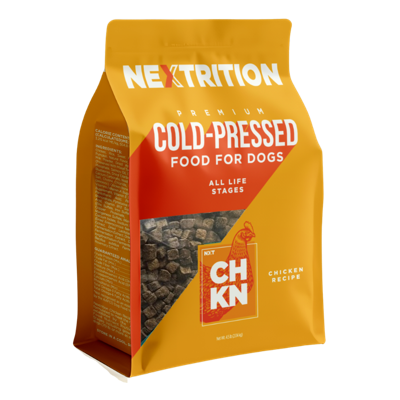
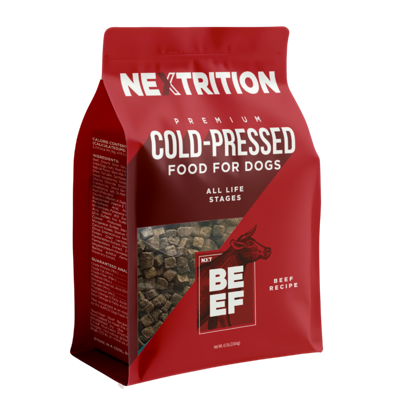
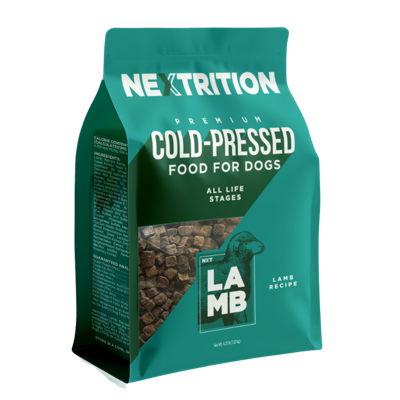
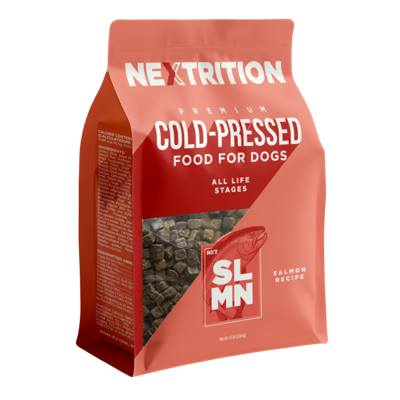
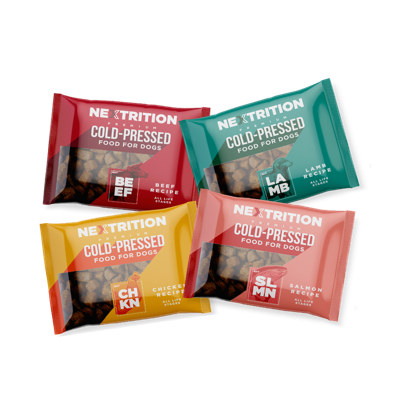
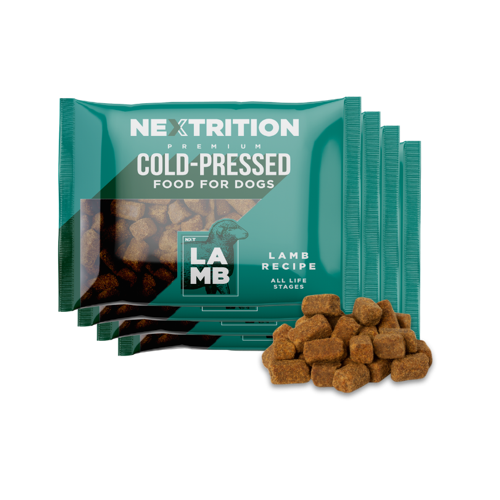
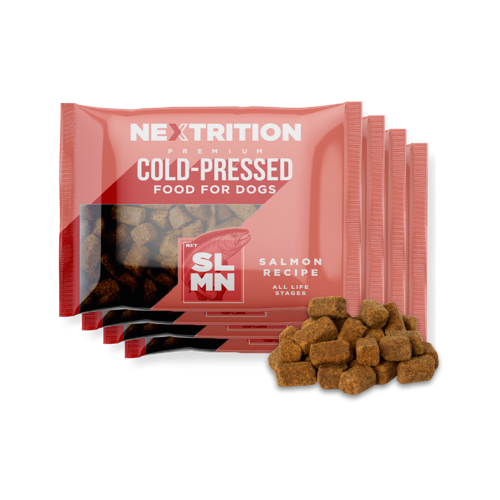
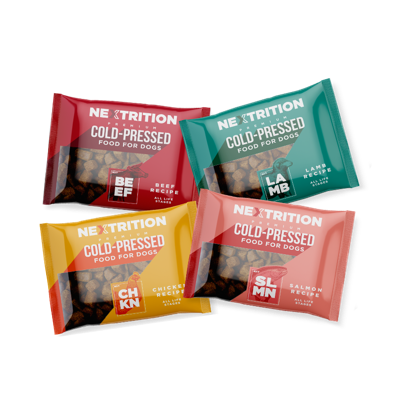
We offer four recipes built around lamb, chicken, salmon, and beef, using natural ingredients and Rocky Mountain waters as part of the sourcing philosophy. Not as decoration. Just a reflection of how we think food should be built from the start.
Why Shelf Stability Does Not Mean Overprocessed
Health-conscious dog owners often hear “shelf-stable” and assume the food must be heavily preserved. That’s understandable, but it’s not always accurate.
In cold pressed food, the main reason it stays stable is low moisture. Once most of the water is removed, bacteria and other microorganisms have far less opportunity to grow. Natural oils may also play a smaller supporting role, but moisture control does the heavy lifting.
That’s very different from raw or fresh diets, where higher moisture means refrigeration or freezing is part of the safety equation.
Shelf-stable is not the same as stripped down.
If the ingredients are solid and the process is handled carefully, a shelf-stable food can still align with a natural feeding philosophy. The mistake is assuming all dry food gets there the same way.
The Main Benefits Dog Owners Are Looking For
People usually search how is cold pressed dog food made because they’re trying to solve something, not because they’re curious about manufacturing equipment.
Most are looking for a combination of benefits:
- Gentler digestion and steadier breakdown in the stomach
- Better preservation of natural nutrients and flavor from lower-temperature processing
- Dense nutrition that may support smaller feeding portions than standard kibble
- Dry-food convenience without freezer storage
- A better fit for dogs with sensitive stomachs or inconsistent stools
- Support for skin, coat, and overall wellbeing through quality proteins, fats, fruits, and vegetables
The value isn’t just premium ingredients. Plenty of brands talk about premium ingredients. The value is premium ingredients handled with more care.
That’s a real distinction.
Who Cold Pressed Dog Food Is Best Suited For
Cold pressed food isn’t for every owner, and it doesn’t need to be. It tends to fit best when someone wants better processing without moving fully into raw or refrigerated feeding.
It’s often a strong fit for:
- owners who want a less processed alternative to standard kibble
- dogs with digestive sensitivity
- households that care about ingredient transparency
- owners who want to rotate proteins like lamb, chicken, salmon, and beef
- people who don’t want to guess portion sizes on their own
That last point is underrated. Good food still gets fed badly all the time. Too much, too little, wrong protein, messy transition.
That’s why personalized meal plans and flexible ordering matter more than they seem. We offer both one-time purchases and subscription delivery because consistency beats good intentions. Especially once life gets busy.
Common Misconceptions About Cold Pressed Dog Food
There are a few doubts that come up repeatedly, even from well-informed owners.
“Cold pressed means uncooked”
It doesn’t. Cold pressed food is gently prepared, not raw.
“Shelf-stable means it’s loaded with preservatives”
Not necessarily. In this category, shelf stability mainly comes from moisture reduction.
“Dense food must be harder to digest”
Density and digestibility are different things. Cold pressed food often breaks down steadily rather than expanding dramatically.
“It’s just another premium trend”
Trends come and go. Manufacturing choices have consequences. Heat, pressure, and steam change food.
“It works the same for every dog”
It doesn’t. Some dogs thrive on it quickly. Others need a careful transition or a different protein.
A sensible owner watches the dog, not just the label.
How to Evaluate the Quality of a Cold Pressed Dog Food
If you’re comparing options, keep it simple and stay operational. Look past the front of the bag.
Use this checklist:
- named animal proteins, not vague meat terms
- a clear explanation of how the food is processed
- meaningful whole-food ingredients like fruits and vegetables
- signs the formula is built for digestibility and nutrient density
- recipe variety if your dog has preferences or sensitivities
- practical support like feeding guidance, delivery options, and easy storage
And ask direct questions. How is it made? What temperatures are used? Does the brand’s sourcing philosophy match the finished product? If those answers get fuzzy, that tells you something.
Questions Dog Owners Often Ask Before Switching
A few questions come up right before people make the jump.
Is cold pressed dog food the same as kibble?
It’s still dry food, but the process is different. Lower temperatures and pressing create a denser, less expanded piece.
Can it be easier on sensitive stomachs?
For some dogs, yes. The gentler breakdown is one reason owners often consider it.
Does it expand in the stomach like traditional kibble?
Cold pressed food generally breaks down steadily rather than swelling significantly.
Is it safe to store at room temperature?
Yes, as a shelf-stable dry food, it’s designed for that.
Can you mix it with other food types?
You can, but transitions should be done gradually so you can monitor tolerance.
Do dogs usually need less because it’s denser?
Sometimes. Feeding amount depends on the formula and the dog, so follow guidance rather than eyeballing it.
How should you transition?
Start slowly over several days, mixing increasing amounts with the current food. Don’t rush it just because your dog seems eager.
Conclusion
If you want the cleanest answer to how is cold pressed dog food made, it comes down to this: quality ingredients are blended, gently pressed at much lower temperatures, dried for shelf stability, and formed into dense pieces that break down differently from standard kibble.
That chain matters. Not just the ingredient list.
For health-conscious dog owners, processing is part of nutrition. It shapes digestibility, nutrient integrity, and how the food actually performs once it leaves the bag. If you’re comparing options now, look at recipes, look at proteins, and look hard at the method behind them. And if you want a clearer fit for your dog, a personalized meal plan can take a lot of guesswork off your plate.


