




When people ask about the best meat for dogs, they're usually thinking about protein first. Fair enough. But in real feeding, the gut tells you whether that protein is actually working.
A dog that digests a food well usually shows it in obvious ways:
- firmer, more consistent stools
- less gas and post-meal discomfort
- steadier energy
- better skin and coat over time
- fewer little issues that seem unrelated until they keep repeating
About 70% of a dog’s immune system resides in the gut, so this isn't just about avoiding an upset stomach. It's about resilience. Prevention matters more than cleanup.
A high-protein food can still be the wrong fit if the meat is hard for your dog to tolerate or if the food has been processed so aggressively that the natural value is stripped down. We see owners get stuck on the protein name on the bag and miss the bigger question: how does this food behave in your dog’s body?
There isn't one universally perfect meat. There is a best fit, and the way that meat is prepared matters almost as much as the source itself.
What Actually Makes a Meat “Best” for Dogs
The best meat for dogs isn't the most exotic or the loudest on the label. It's the protein your dog can digest, absorb, and do well on consistently in a complete recipe.
Here's the checklist we use:
- Is the protein easy for this dog to digest?
- Is it part of a balanced recipe?
- Is the ingredient quality high?
- How is the food processed?
- Does the dog stay well on it over time?
Digestibility is a big one. If a dog digests a meat well, they absorb more amino acids and nutrients and leave less waste behind. That's practical, not theoretical. Better in. Less trouble out.
Research on dog foods made with high-quality ingredients has shown strong amino acid digestibility. That lines up with what careful owners see at home. Ingredient quality isn't marketing fluff when stool quality, appetite, and comfort are on the line.
Palatability matters, but it's not the whole story. Plenty of dogs will inhale a food that doesn't really love them back.
And plain cooked meat on its own is not complete nutrition. Dogs need balanced vitamins, minerals, fats, and supporting ingredients. Meat should be judged as part of the whole bowl, not in isolation.
Why Processing Matters as Much as Protein Choice
The same meat can perform very differently depending on how the food is made. That's where a lot of otherwise smart buying decisions go sideways.
Mild heating can help digestibility. Push heat too far and you start reducing it. That's the practical takeaway. More processing isn't automatically more helpful.
This is one reason gut-focused owners start looking beyond standard kibble logic. Lower-temperature preparation can preserve more of the food's natural value, which matters when you're trying to support digestion instead of just checking the protein box.
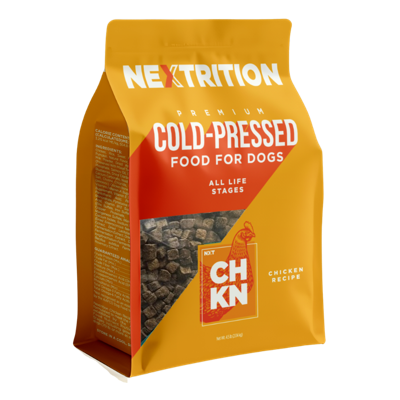
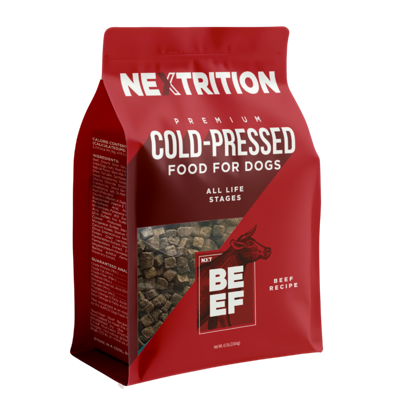
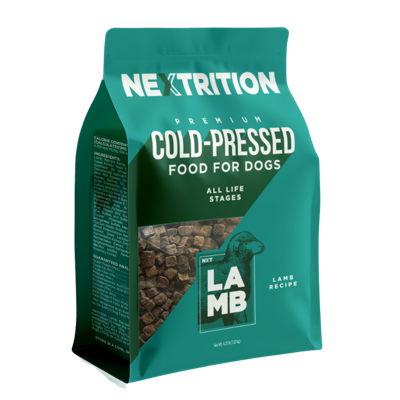
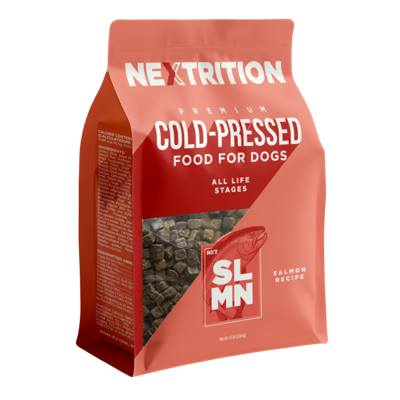
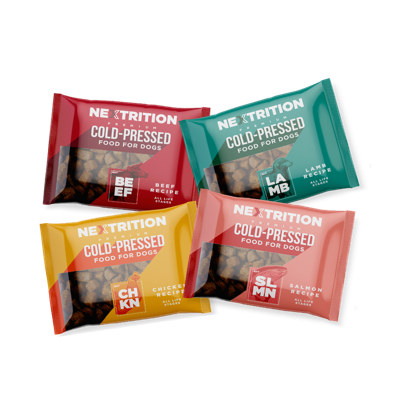
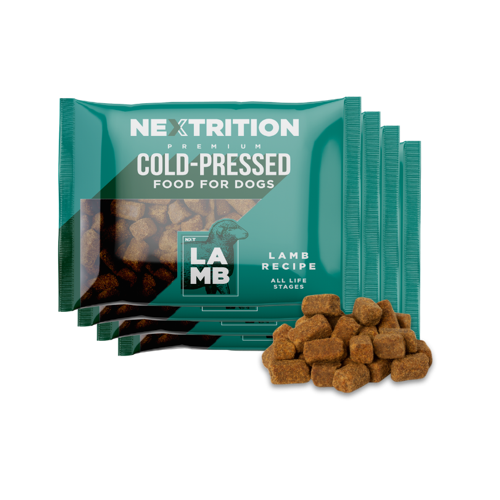
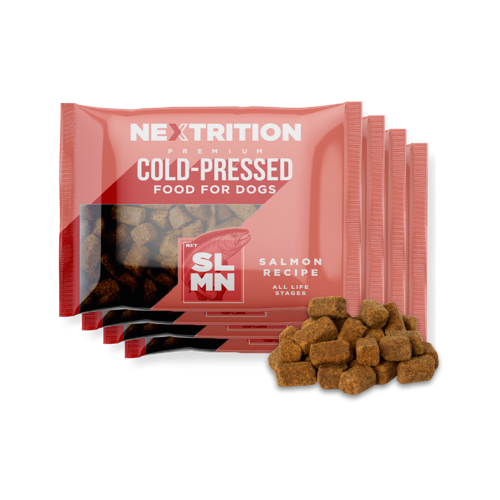
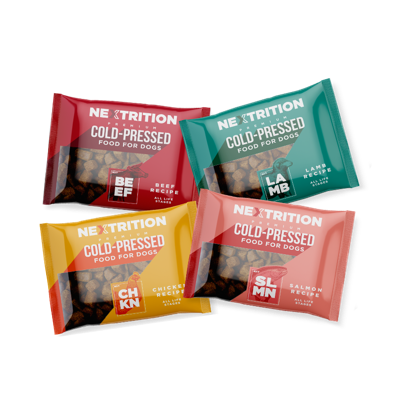
At Nextrition, our cold-pressed recipes are made at 3x lower temperatures and built around real meat, fruits, vegetables, and Rocky Mountain waters. We like this approach because you're not just choosing lamb, chicken, salmon, or beef. You're choosing how that protein reaches the bowl.
Research comparing fresh-meat formulations with more meat-meal-heavy approaches has found that fresh-meat-based formulas can compare favorably on protein quality, lipid quality, and digestibility. That's worth paying attention to.
You're not buying "protein." You're buying a finished food and the consequences of how it was made.

The Four Main Proteins Most Readers Compare
Most healthy, practical comparisons come back to four proteins: lamb, salmon, chicken, and beef. Familiar choices tend to beat trendy ones because you can evaluate them more clearly and feed them more consistently.
No single option wins for every dog. The right pick depends on digestion, skin and coat needs, energy, sensitivities, and the rest of the formula.
A quick way to frame them:
- Lamb: rich, hearty, and often useful when you want a break from common proteins
- Salmon: fish-based, often chosen for skin, coat, and fatty acid support
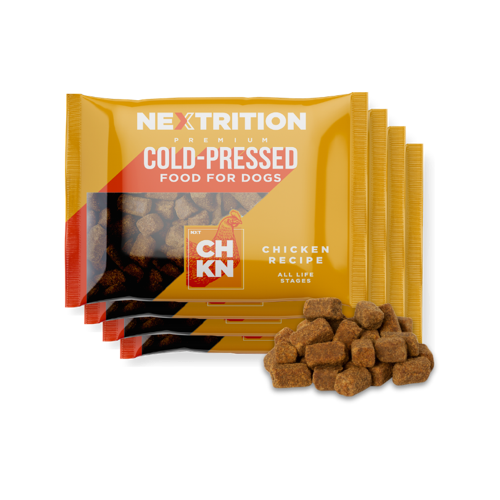
- Chicken: lean, common, and often easy for many dogs to digest
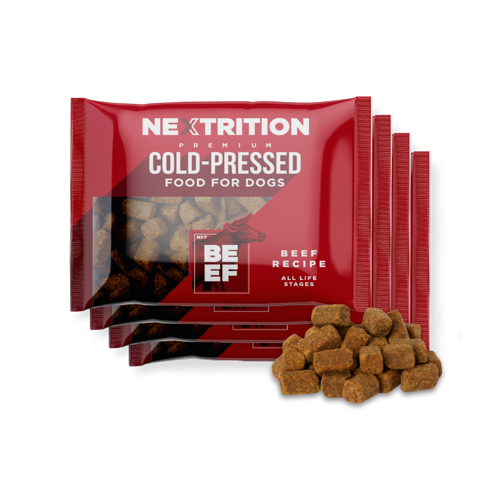
- Beef: satisfying, nutrient-dense, and a strong fit for many dogs, though richer for some
Online hype tends to turn protein choice into a ranking contest. It isn't. Your dog decides.

Chicken for Dogs: Lean, Familiar, and Often Easy to Digest
Chicken is common for a reason. It's lean, broadly accepted by dogs, and often easy to digest when it's part of a well-made recipe.
Cooked lean meats such as chicken are widely regarded as highly digestible and palatable for many dogs. In practice, chicken is often a strong starting point for dogs that need a familiar, simple protein without too much richness getting in the way.
Chicken usually makes sense for:
- dogs that do well on straightforward proteins
- dogs needing a leaner option
- owners testing tolerance and wanting a stable baseline
That said, common doesn't mean superior. Some dogs do better with rotational variety. Others need a break from proteins they've eaten over and over.
If a dog is thriving on chicken, you usually see calm signs: consistent stools, a good appetite, stable skin, no drama after meals. That's the kind of result we trust.
Beef for Dogs: Richer Flavor, Strong Nutrition, and When It Fits Best
Beef tends to bring more flavor and a little more richness than chicken. Many dogs love that. Some dogs really do better on it. Others look fine for three days and then start telling you otherwise.
Beef can be an excellent option when it's part of a balanced recipe and your dog digests it comfortably. It's especially useful for dogs with strong appetites or owners who want variety beyond chicken without getting overly complicated.
Beef often fits well for:
- dogs that enjoy richer proteins
- households wanting a more satisfying, nutrient-dense option
- dogs that stay steady on red meat
This is where the beef vs chicken dog food question gets more practical. Chicken is often the leaner starting point. Beef may be the better fit if your dog handles richness well and seems more satisfied on it. Watch stools and digestive comfort closely. Richer isn't always better.
Lamb for Dogs: A Useful Option for Variety and Sensitive Stomachs
Lamb is often where owners land when they want something different from the usual proteins without wandering into novelty for novelty's sake.
For some dogs, especially those who've eaten the same common meats for a long time, lamb can be a useful reset. That doesn't make it the best protein for sensitive dogs by default. It just makes it worth considering when a dog may do better with a different protein source in a simpler formula.
What matters with lamb is pretty straightforward:
- how your dog digests it
- how simple the ingredient deck is
- the quality of the full recipe
- how gently the food is prepared
A dog doesn't benefit from novelty alone. Lamb still needs to be complete, balanced, and easy to live with day after day. Our lamb recipe is one example of a gently prepared option for owners who want to compare a red-meat formula without jumping to something extreme.
Salmon for Dogs: When Skin, Coat, and Fatty Acids Are Part of the Goal
Salmon stands apart because it brings a different fat profile than land-animal proteins. That's why owners often reach for it when skin and coat are part of the goal.
And yes, appearance matters. But fat quality also affects how a dog feels on a food. Sometimes a coat improves only after digestion settles down too. Those two things aren't as separate as they look.
Good reasons to consider salmon:
- coat feels softer or looks dull
- skin seems dry or reactive
- you want fish-based variety
- your dog does well on the recipe's fat level
Salmon can be excellent, but fish-based formulas aren't automatically easier on every stomach. Look for real outcomes: comfortable digestion, good stools, steady mealtime enthusiasm, a coat that improves without trading for digestive mess.
Lamb vs Salmon Dog Food: How to Choose Between Two Strong Options
Lamb vs salmon dog food usually comes down to what you're solving for first. Not forever. Just first.
Choose lamb if your dog may need a break from common proteins or tends to do well on a simple, hearty recipe. Choose salmon if skin, coat, and fatty acid support are high on the list along with overall digestibility.
When owners compare salmon vs lamb dog food, we encourage them to zoom out a little:
- Are there gentle supporting ingredients like fruits and vegetables?
- Is the food heavily processed or more gently prepared?
- Has your dog reacted poorly to richer fats before?
- Are you solving for skin, digestion, or both?
This isn't a ranking battle. It's a fit question. If your dog has multiple concerns, a personalized meal plan can narrow the choice without turning every bag into a gamble.
Beef vs Chicken Dog Food: Which One Is Better for Digestion and Daily Feeding?
This comparison is usually simpler than people make it. Chicken is often the leaner, more neutral option. Beef tends to be richer and more flavorful.
Choose chicken if your dog does well on lean, familiar proteins or you want a dependable starting point. Choose beef if your dog enjoys richer food and digests it without trouble.
Pay attention to the boring signals. They're the useful ones:
- appetite
- stool consistency
- gas or bloating
- skin condition
- energy after meals
Many owners assume a stronger-smelling or meatier-feeling food must be better. For gut health, that logic falls apart fast. The best food is the one your dog digests cleanly and tolerates over time.
Best Protein for Sensitive Dogs: What to Prioritize First
There is no single best protein for sensitive dogs. Sensitivity is a category, not a diagnosis.
Loose stools, gas, itching, vomiting after meals, and appetite swings can point in different directions. That's why panic-switching foods every few days usually makes things worse. You stop learning.
For sensitive dogs, prioritize this order:
- one clearly identified meat source
- a balanced recipe without unnecessary complexity
- high ingredient quality
- gentle processing
- a slow transition
Lamb or salmon may help some sensitive dogs. Chicken can also work very well when tolerated and thoughtfully prepared. The point isn't to chase the least common protein. It's to reduce friction for the gut and then observe calmly.
Our personalized meal plan can help narrow the choice based on your dog's needs instead of guesswork, which is often the piece owners need most.
Fresh Meat, Meat Meals, and Raw: What Matters for Gut-Conscious Owners
This topic gets ideological fast. It doesn't need to.
Fresh meat is often preferred by premium-focused owners, and research suggests fresh-meat-based formulations can compare favorably for protein quality, lipid quality, and digestibility. Meat meals are common in dry food and can play a role in formulation, but quality varies and processing is more intensive.
Raw gets chosen because it feels closer to ancestral feeding. It can work when properly formulated, but it also carries bacterial handling risks for dogs and people in the home. That's not fear-mongering. It's just part of the decision.
A food can sound premium because of the meat source while still missing the mark on processing, balance, or safety. We prefer a middle ground: complete, gently prepared food that respects the ingredient without making daily feeding harder than it needs to be.
How to Read a Dog Food Label Without Falling for Protein Marketing
The front of the bag is designed to pull you in. The actual recipe tells the truth.
When you're reading a label, look for:
- named animal protein sources
- clear recipe language instead of vague meat wording
- supporting whole-food ingredients
- confirmation that the food is complete and balanced
- some explanation of how the food is made
Red flags are usually easy to spot once you stop getting distracted by the headline claim:
- overly complicated formulas for sensitive dogs
- exotic ingredients with no explanation of digestibility
- no clarity around processing
More meat is not the same as better for your dog. Compare label promises to what happens in the bowl and then in the yard the next morning. That's still one of the best filters we've got.
The Best Meat Choice Still Needs the Right Supporting Ingredients
Meat matters a lot. It just doesn't do the whole job by itself.
Dogs need complete recipes with supporting nutrients from thoughtfully chosen ingredients. That's where fruits and vegetables earn their place. Not as decoration. As part of a more balanced bowl.
Health-conscious owners usually feel better with recipes built around real meat plus recognizable supporting ingredients instead of bare-minimum formulas engineered mostly for shelf life and label appeal. We agree with that instinct.
Our own point of view is simple: quality should show up across the bowl, from the meat to the fruits and vegetables to the Rocky Mountain waters used in production. Once you start looking at the whole bowl, the decision gets calmer.
How to Transition to a New Protein Without Upsetting the Gut
Even a great food can look like a bad fit if the transition is rushed. We see this all the time.
Move gradually, especially if your dog has any digestive sensitivity. Change one major variable at a time when possible. Don't switch protein, format, toppers, and treats all in the same week and then try to interpret the result.
Track these during the change:
- stool quality
- appetite
- gas
- energy
- scratching or skin changes
One-time purchases can be useful when you want to trial a recipe without overcommitting. Once your dog is doing well, subscription delivery makes a lot more sense because consistency becomes part of what's helping.

Signs You Chose the Right Meat for Your Dog
The right food usually doesn't create drama. It creates steadiness.
Look for:
- comfortable digestion
- consistent, well-formed stools
- steady energy
- healthy skin and coat
- eagerness to eat without post-meal discomfort
The best meat for dogs should feel sustainable. Calm consistency is the win.
Also, don't give all the credit to the protein name alone. Better outcomes often come from the combination of the right meat, a complete recipe, and gentler processing. One good week is encouraging. A good month tells you more.

When to Get Extra Help Instead of Continuing to Experiment
Some issues are bigger than a simple protein mismatch. If symptoms are persistent, severe, or unclear, it's time to bring in your veterinarian.
Pay attention to signs like:
- ongoing vomiting
- chronic diarrhea
- significant itchiness
- weight loss
- refusal to eat
Asking for help isn't failure. It's part of making a smart nutrition decision.
The best outcomes usually come from two things working together: careful observation at home and professional guidance when the pattern doesn't add up.
Conclusion
Choosing the best meat for dogs isn't about finding the most impressive protein on the label. It's about digestibility, ingredient quality, balance, and how the food is prepared.
Chicken and beef should be judged by how lean or rich your dog handles them. Lamb and salmon should be chosen based on digestive needs, skin and coat goals, and real tolerance. Sensitive dogs usually do best with simpler, well-made recipes and slower transitions, not frantic switching.
If you want a grounded next step, keep it simple: pick one high-quality protein, choose a gently prepared complete recipe, watch your dog closely, and use a personalized plan if you want more confidence before you commit. That's how this gets easier.


