


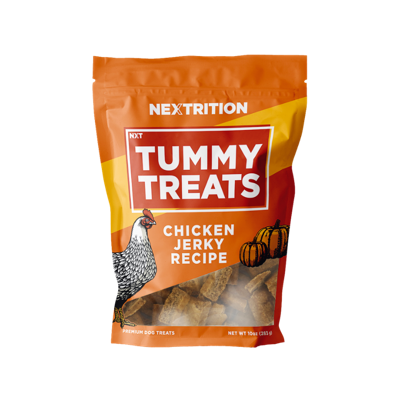
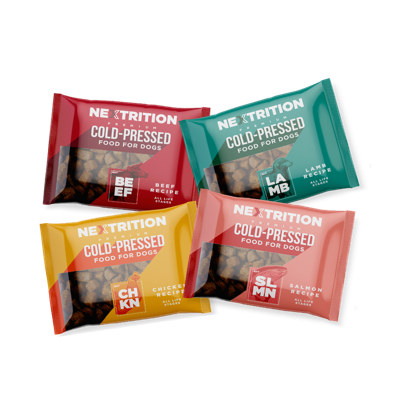
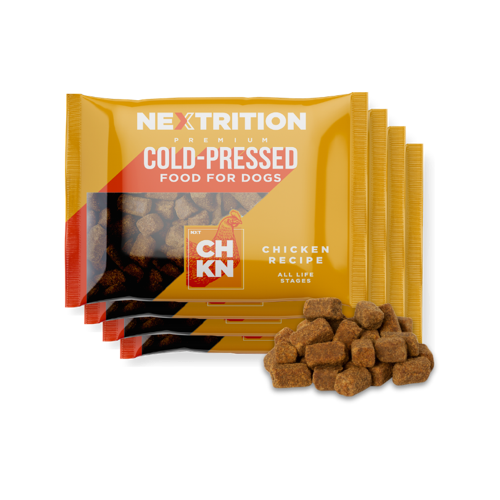
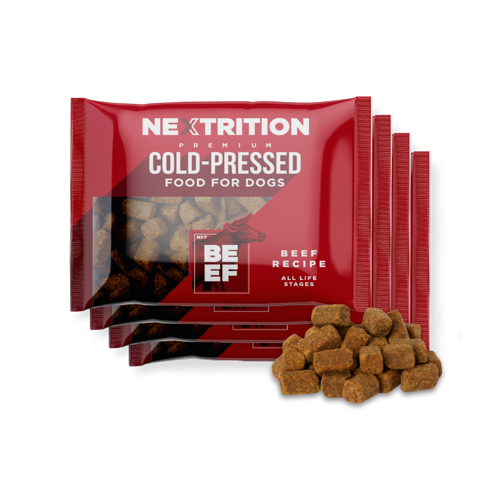


The difference starts with process and ends in the bowl.
- Dehydrated food removes moisture using low heat and airflow over time. It usually needs water added back before serving.
- Cold-pressed food is formed at lower temperatures than traditional extruded kibble, with the goal of protecting more of the food's original nutritional value.
- Cold-pressed tends to suit owners who want a scoop-and-serve routine with a lower-temperature nutrition philosophy.
- Dehydrated tends to suit owners who like a shelf-stable, rehydratable meal and don't mind a little prep.
Don't choose the label that sounds fancier. Choose the process that makes more sense for your dog.
What Is Cold-Pressed Dog Food
Let's answer the search intent directly. If you've been asking what is cold pressed dog food, it's dog food made by combining ingredients and forming them at lower temperatures than traditional extruded kibble.
That lower-temperature approach is the point. Not the name.
Extrusion uses significantly higher heat. Cold pressing focuses on gentler processing. That matters because heat and time can change protein quality, digestibility, and some delicate nutrients in ways owners don't always see on the front of the bag.
A lot of people assume cold-pressed means automatically better. That's too loose. Ingredient quality still matters. Formula matters. Manufacturing standards matter. We've seen plenty of premium-sounding foods that still hide behind vague ingredients or weak formulation.
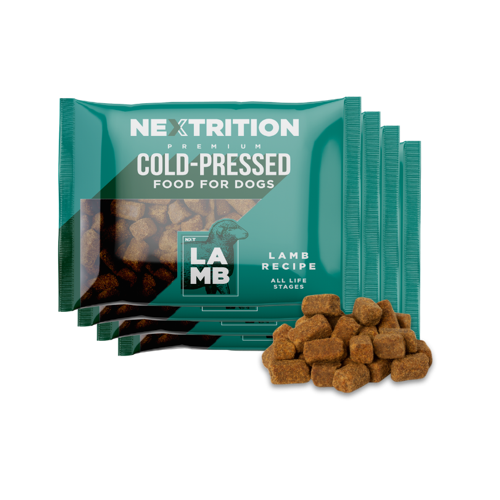
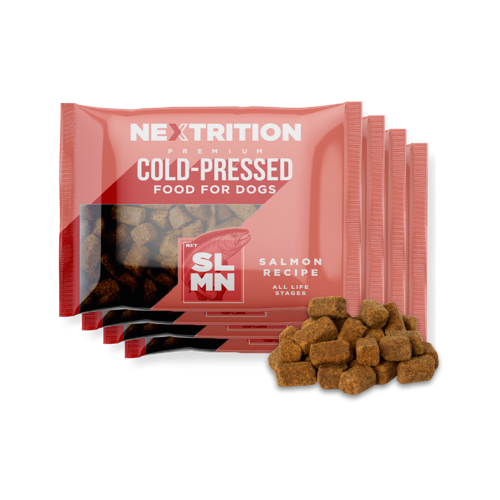
At Nextrition, our view is simple. Processing should protect nourishment, not just create a shelf-stable pellet. That's why some cold-pressed foods, including ours, are made at temperatures about 3x lower than conventional high-heat processing. Lower heat isn't a marketing trick. It's part of a wider belief that food should stay closer to its original potential.
What Dehydrated Dog Food Is and How It Is Made
Dehydrated dog food is food that has had its moisture removed through evaporation using low heat and air circulation over an extended period. It isn't freeze-dried, and that distinction matters more than most labels let on.
Here's the practical difference:
- Dehydrated food uses heat plus airflow
- Freeze-dried food removes water under very low temperatures and pressure
Because dehydrated food uses more heat than freeze-drying, nutrient retention may be lower depending on the recipe and the process. Not always dramatically, but enough that serious buyers should pay attention.
Owners usually choose dehydrated food for a few clear reasons:
- it's lightweight
- easy to store
- shelf-stable before opening
- often made with visibly recognizable ingredients
- it can feel like a middle ground between kibble and raw-style feeding
The routine is different, though. Many dehydrated foods are meant to be rehydrated with water before serving, and prep often takes around 5 to 10 minutes. After that, it should be treated more like fresh food than dry food.
One thing dehydrated dog food comparison articles often miss: removing moisture changes texture, storage, and convenience, but it doesn't automatically guarantee better nutrition or better safety. The recipe still does a lot of the heavy lifting.
Cold-Pressed vs Dehydrated Dog Food Comparison at a Glance
This is where most people need a clean framework. Not a winner yet. Just the right lens.
| Factor | Cold-Pressed | Dehydrated |
|---|---|---|
| Processing | Lower-temperature forming | Low heat and air circulation over time |
| Serving style | Usually ready to serve | Usually needs rehydration |
| Nutrition philosophy | Reduce heat exposure during production | Preserve more whole-food character than heavily processed dry food |
| Convenience | Fast, low-prep feeding | More hands-on |
| Storage | Pantry-friendly | Pantry-friendly before rehydration |
| After serving prep | Minimal | Rehydrated leftovers handled like fresh food |
| Typical buyer | Wants low-temperature nutrition with less fuss | Likes a meal-like, rehydratable feeding experience |
Cold-pressed often wins on daily ease and lower-temperature positioning. Dehydrated can win for owners who specifically want a softer, rehydratable whole-food format.
That's the real split.
How Processing Affects Nutrients and Digestibility
The label matters less than what the process does to the food itself. That's the part worth slowing down for.
Temperature and time both influence nutrient retention, protein structure, and digestibility. Mild thermal processing can sometimes improve digestibility. More intensive heat can reduce it. Both things can be true, which is exactly why this topic gets muddy fast.
Dehydrated foods are generally gentler than high-heat kibble, but they're still exposed to heat over a longer period than freeze-dried foods and may lose more nutrients than foods processed under colder conditions. Cold pressing matters because it aims to reduce that heat burden in the first place.
Why do health-conscious owners care?
- Amino acid integrity supports muscle maintenance and repair
- Fats can be affected by heat
- Delicate nutrients are more vulnerable than marketing copy suggests
- Digestibility often shows up later, in stool quality and steady energy
The value of cold pressing isn't hype around the word cold. The value is that lower-temperature processing can help reduce the nutrient damage associated with harsher cooking methods.
A better question is this: how much did the manufacturing process change the food before it reached the bowl?
Gut Health, Immune Support, and Why This Comparison Matters More Than It Seems
Most people don't start this search because they're bored. They're trying to solve something small but persistent. Soft stools every few days. A dull coat. Low-grade digestive drama that never quite turns into an emergency, but never fully settles either.
The gut is where food is broken down, nutrients are absorbed, and stool quality often tells you if a diet is working. Around 70% of immune function is associated with the gut, which is why digestibility isn't a niche concern. It's central.
From that angle, each format has a different appeal.
Cold-pressed may suit owners who want gentler processing and daily consistency without turning feeding into a project. Dehydrated may suit dogs that do better with rehydrated meals and extra moisture at feeding time.
But no format guarantees gut health by itself. These still matter:
- protein source
- ingredient quality
- fiber balance
- complete and balanced formulation
- your dog's own sensitivities
The signs of a good fit are usually boring, which is exactly what you want. Steady appetite. Predictable stools. Less turbulence during transitions. Stable energy. Better skin and coat over time.
For owners who prioritize digestive support, a cold-pressed formula built around real meat, fruits, and vegetables can align well with a gut-first feeding philosophy.

Safety, Pathogen Risk, and Handling Differences
Premium food conversations sometimes get a little selective here. Minimal processing and safety are not the same thing.
Dehydrated foods can reduce bacteria through heat, but dehydration alone doesn't necessarily eliminate all pathogens. Foods positioned closer to raw-style feeding may still carry more contamination concern than fully cooked formats, so handling matters.
A 2024 scientific review counted more than 117 U.S. pet-food recalls for Salmonella contamination since 1999. Eleven were linked to human outbreaks, including five involving multidrug-resistant strains. Those figures cover pet food broadly—not dehydrated food alone—but they put the handling question in perspective: shelf stability is not proof that a product is pathogen-free.
A few practical realities:
- unopened dehydrated food stores easily
- once rehydrated, leftovers should be treated more like fresh food
- warm water, bowls, and counters still need normal hygiene discipline
We wouldn't turn this into fear. That's not useful. The point isn't that dehydrated food is unsafe. It's that owners should understand the handling expectations of the format they choose.
For any brand, ask the plain questions:
- Where are the ingredients sourced?
- How is the food processed?
- Is the recipe complete and balanced?
- What quality-control standards are in place?
If a company gets vague when you ask basic safety questions, that's your answer.
Texture, Palatability, and the Actual Mealtime Experience
This part gets overlooked by people who read labels more than they feed dogs. Day-to-day experience matters.
Dehydrated food needs water added, and once rehydrated it becomes softer and more meal-like. That can be helpful for dogs who prefer moist food or need gentler chewing. Some owners love that ritual. Some are done with it by the second week.
Cold-pressed appeals for the opposite reason. It's ready to serve, but still fits a minimally processed dog food philosophy. In busy households, that matters more than people admit.
A few questions tend to decide this section in real life:
- Will your dog care more about texture than the ingredient deck?
- Is added water helpful or just another step you'll resent?
- Do you need a feed-and-go option to stay consistent?
Palatability often depends more on named animal proteins, fat quality, and freshness than on format alone. That's why having multiple protein options can help. A dog that turns away from one recipe may do well on another, especially if sensitivities are involved.
Ingredient Quality Still Matters More Than Format Hype
Savvy owners usually figure this out eventually. Format alone doesn't make a food good.
Cold-pressed, dehydrated, air-dried, and freeze-dried can all be marketed as premium. None of that saves a weak recipe. The best minimally processed dog food isn't defined only by a gentle process. It's defined by gentle processing plus genuinely strong ingredients.
Read with a harder eye:
- named animal proteins, not vague meat terms
- real fruits and vegetables, not filler-heavy formulas with a little produce for decoration
- natural ingredients without unnecessary artificial additives
- complete and balanced nutrition, not just visual whole-food appeal
This is where a lot of premium packaging falls apart. You'll see attractive ingredient stories sitting on top of starch-heavy formulations, vague by-products, or labels that sound healthy without saying much.
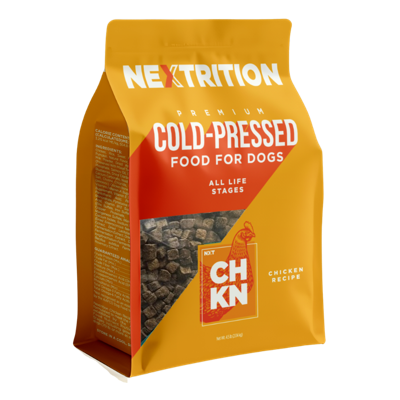
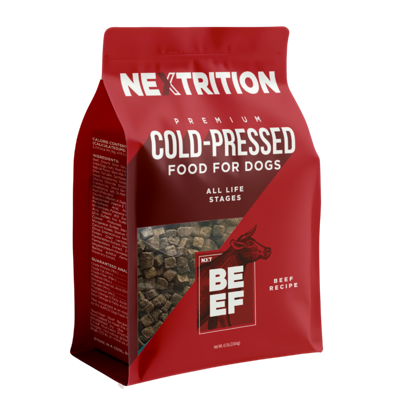
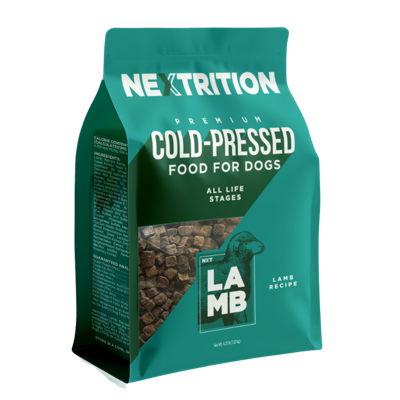
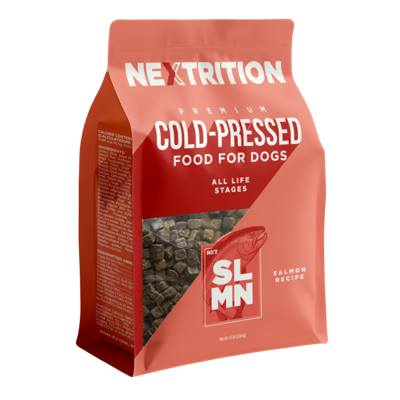
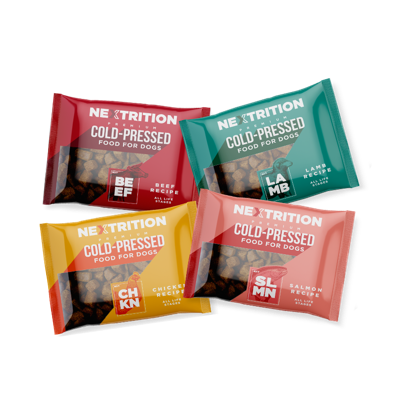
A cold-pressed food made with real lamb, chicken, salmon, or beef plus fruits and vegetables gives you a clearer ingredient story than a product that leans too heavily on format buzzwords.
Cost, Storage, and Everyday Practicality
Wanting better food is one thing. Buying and using it consistently is another.
Dehydrated food does a few things very well. It's light to store, shelf-stable before preparation, and easier for travel or pantry use than frozen fresh diets. That's a real advantage.
The tradeoffs aren't small, though:
- it usually costs more than standard kibble
- it requires prep at each meal
- rehydrated portions need fresh-food handling
Cold-pressed often feels stronger in daily life for owners who want premium nutrition without another task. It's simpler to feed, easier to keep consistent, and avoids freezer logistics.
Price per bag matters, of course. But so do stool quality, ingredient trust, and whether the food actually gets fed correctly every day. A theoretically perfect food that you rush, skip, or prep inconsistently isn't really winning.

Which Dogs May Do Better on Cold-Pressed vs Dehydrated Food
There isn't a universal winner here. There is only fit.
Cold-pressed may be a stronger fit for:
- owners who want a minimally processed dog food without daily rehydration
- dogs that do well on consistent portions and routine
- households wanting an easier alternative to fresh or raw-style feeding
Dehydrated may be a stronger fit for:
- dogs that prefer softer meals once water is added
- owners who enjoy preparing a more stew-like bowl
- households that want shelf stability but don't mind fresh-style serving habits
If your dog has specific medical, digestive, or protein-related issues, it's smart to involve your veterinarian during transitions. That's especially true if you're already seeing warning signs.
Watch for:
- chronic stool inconsistency
- reluctance to eat
- bloating or visible discomfort
- coat decline
- energy that doesn't match age and health
Dogs don't read the label. They answer with their body.
How to Choose the Best Minimally Processed Dog Food for Your Dog
You don't need a perfect system. You need a reliable filter.
Start here:
- Look at your dog's digestion, stool quality, appetite, and sensitivities.
- Compare the processing method, not just the package language.
- Read the first several ingredients closely.
- Be honest about whether the feeding method fits your life.
- Confirm the recipe is complete and balanced.
A few label-reading prompts help fast:
- Are the proteins clearly named?
- Are fruits and vegetables there to nourish, or just decorate the bag?
- Will you realistically keep up with the prep this format requires?
- Are you paying for ingredient quality or premium language?
If you're leaning cold-pressed, a personalized meal plan can narrow the right recipe and feeding amount faster than trial and error. Owners looking for a low-temperature route can look for options with multiple protein recipes, natural ingredients, and flexible purchase choices like one-time orders or subscriptions for regular delivery.
The right food is the one you can trust and sustain.
Where Cold-Pressed and Dehydrated Fit Among Non Kibble Dog Food Options
If you're exploring non kibble dog food options, cold-pressed and dehydrated sit in a broader premium landscape that includes freeze-dried, air-dried, fresh cooked, and raw frozen.
The core differences come down to heat, moisture, convenience, and safety.
- Freeze-dried often prioritizes nutrient retention but can raise raw-style safety questions
- Dehydrated offers rehydratable convenience with some heat exposure
- Fresh cooked can be highly palatable but often needs fridge or freezer space
- Raw frozen appeals to some owners but comes with more handling friction
- Cold-pressed aims for a useful middle ground with lower-temperature processing and practical feeding
You're not just choosing between two bags. You're choosing the kind of feeding relationship you want to maintain long term.
Common Misconceptions That Confuse This Decision
A few myths keep this decision harder than it needs to be.
Myth: Dehydrated always means better nutrition than any dry food.
Dehydration can be gentler than extrusion, but ingredient quality and formulation still decide a lot.
Myth: Minimally processed means no safety concerns.
Lower processing may preserve more nutrition, but it doesn't replace sound handling or manufacturing standards.
Myth: The most expensive format is automatically the healthiest.
Price can reflect quality. It can also reflect positioning. Judge the process, recipe, digestibility, and fit.
Myth: Visible whole foods mean the recipe is complete and balanced.
Visual appeal and nutritional completeness are not the same thing.
Myth: All non kibble dog food options are basically interchangeable.
They're not. Processing changes moisture, nutrient retention, prep, shelf life, and safety expectations in meaningful ways.

Conclusion
Cold-pressed and dehydrated foods can both be a meaningful step up from heavily processed feeding. They just solve different problems for different dogs and households.
The right question isn't which format sounds more premium. It's which process better protects nutrition, supports gut health, and fits your dog's actual needs.
Shortlist the formulas that meet your standards for ingredient quality, processing transparency, and daily usability. Then choose the one you can feed with confidence, and keep feeding consistently.

Article Record
ReferencesPrimary sources used for this article
- Salmonella Presence and Risk Mitigation in Pet Foods: A Growing Challenge with Implications for Human Health
- Apparent total-tract macronutrient digestibility, serum chemistry, urinalysis, and fecal characteristics, metabolites and microbiota of adult dogs fed extruded, mildly cooked, and raw diets1
- Effects of dietary processing conditions on nutrient digestibility and fecal characteristics, metabolite concentrations, and microbiota populations of healthy adult dogs | IDEALS
- Aspects of physical and chemical alterations to proteins during food processing – some implications for nutrition
- Systematic Review and Meta-Analysis of Quality Claims Associated with Fresh Pet Food: Evaluating Scientific Evidence for Additives, Ingredient Quality, and Effects of Processing in Pet Nutrition
- The Ultimate Guide to Dehydrated Dog Food
- Freeze-Dried vs. Dehydrated Dog Food: Vet-Reviewed Differences, Pros & Cons | Hepper Pet Resources
Update HistoryMeaningful revisions to this article
- Added recent recall data to the safety section to help readers better understand Salmonella risks and handling differences between cold-pressed and dehydrated dog food.


