




If you're hunting for dog food for gassy dogs sensitive stomach problems, you already know most bags start sounding the same. People get fooled by the front label, then wonder why the gas, loose stools, or post-dinner belly noise never really changes.
The better picks are easier on digestion and less cluttered where it counts. We looked harder at ingredients, protein choices, and feeding format than the marketing copy.
We've cut this down to the options worth your attention.
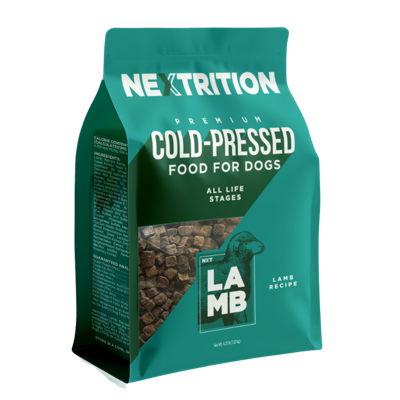
Nextrition All-Natural Dog Food

Pros
- Lamb-first recipe for sensitive dogs
- Cold-pressed for gentler digestion
- Whole-food ingredients feel less processed
- Shelf-stable alternative to fresh
- Strong fit for gas-prone stomachs
Cons
- Premium price versus standard kibble
- Less flexible than custom fresh plans
- Not ideal for budget shoppers
If you're looking for dog food for gassy dogs sensitive stomach issues and you don't want to default to another standard kibble, this is where we'd start. The format matters here, not just the ingredient list.
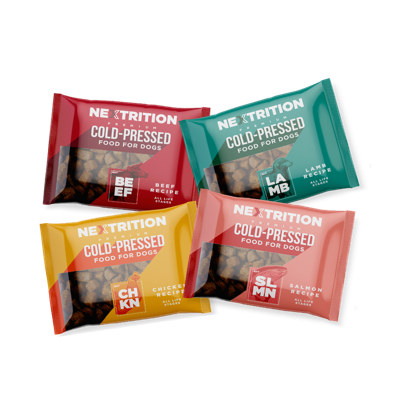
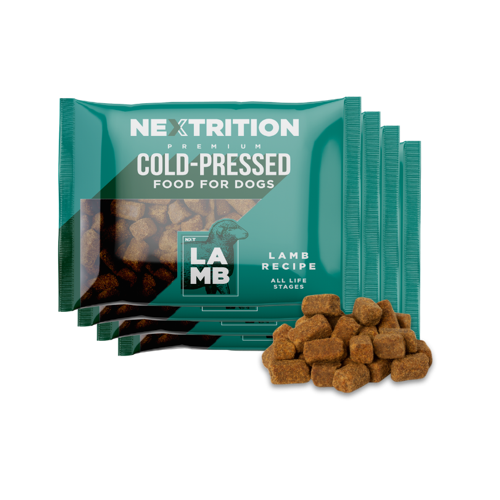
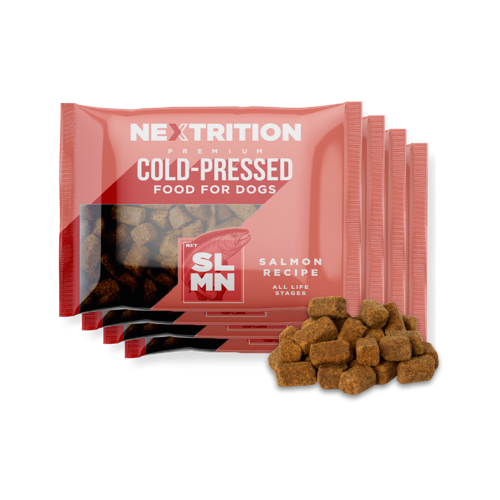
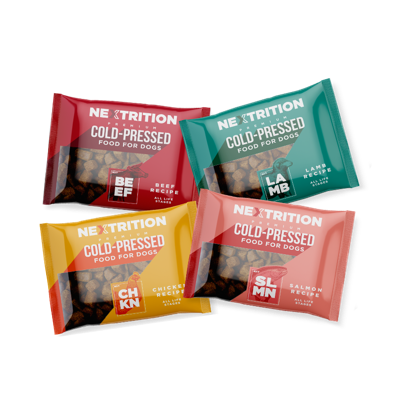
Our All-Natural Lamb Recipe uses real lamb as the number one ingredient, and more than 12 pounds of whole fresh ingredients are cold-pressed into a 4.5 lb bag. That's a very different feeding philosophy from the usual extruded dry food. We make it at 3x lower temperatures to help preserve nutrients, which is one reason many owners see it as a gentler everyday option for digestion.
A few things make it especially relevant for sensitive dogs:
- lamb-forward instead of chicken-heavy
- cold-pressed rather than conventional kibble
- whole-food ingredients including fruits and veggies
- shelf-stable enough for real life, without moving into freezer logistics
This sits in a useful middle lane. It's more premium than mainstream sensitive-stomach kibble, but easier to manage day to day than fresh subscriptions. For a lot of households, that's the sweet spot.
When gas is coming from poor digestion, not just one obvious trigger ingredient, processing can matter more than people expect.
It's not the cheapest path, and it isn't trying to be. This is for owners who care about ingredient quality, digestibility, and what happens after the food hits the bowl. If your dog gets gassy on ordinary dry food and you want the best dog food for sensitive stomach and gas without going fully fresh, this is a strong fit.

2. Hill's Science Diet Adult Sensitive Stomach & Skin Chicken Recipe
Pros
- Built for stomach and skin support
- Familiar, easy kibble transition
- Trusted mainstream brand recognition
- Straightforward adult maintenance formula
Cons
- Still a conventional processed kibble
- Chicken may not suit every dog
- Less whole-food focused approach
Hill's is usually one of the first foods people look at, and that's not a mistake. For many owners, a familiar kibble is the easiest starting point.
This is an adult maintenance, chicken-based recipe built specifically for sensitive stomach and skin support. That focus is part of the appeal. You're not buying a broad wellness claim and hoping digestion improves. You're buying a formula that says exactly what it's for.
Why owners often choose it first:
- it's a standard kibble routine
- it's from a widely recognized brand
- it feels lower-risk for cautious shoppers
- it's easy to compare against your dog's current food
That said, it's still a conventional kibble. If you're the kind of owner who reads ingredient panels closely and cares about processing as much as formula labeling, you may hit the limit of what Hill's offers pretty quickly. It solves for familiarity better than it solves for a whole-food feeding philosophy.
We see it as a benchmark food. A lot of people start here before deciding whether their dog needs a simpler ingredient deck, a different protein, or a more significant format change.
3. Purina Pro Plan Sensitive Skin & Stomach Salmon & Rice

Pros
- Salmon-first alternative to chicken
- Targets stomach and skin support
- Mainstream brand feels approachable
- Good fit for skin issues
- Easy dry-food routine
Cons
- Still a conventional kibble
- Less whole-food focused
- Not ideal for fresh-food shoppers
Purina Pro Plan fills a similar role to Hill's, but the salmon-led recipe changes the conversation. For dogs that don't seem to do their best on chicken, that's a practical reason to take it seriously.
It's an adult formula positioned specifically for sensitive skin and stomach needs. So if your dog has gas, softer stools, and coat or skin issues showing up at the same time, this kind of fish-first option is often where owners start comparing more closely.
The useful distinction here is simple:
- Hill's is the more familiar chicken-based baseline.
- Purina Pro Plan gives you a mainstream digestive-support option with a different primary protein.
That doesn't make it automatically better. It just makes it more relevant when chicken feels like part of the problem, or at least part of the question.
This is still mass-market kibble. It won't appeal as much to buyers who want minimally processed, whole-food style feeding. But if you want a recognizable brand and you need to move away from chicken without jumping into fresh food, it earns its spot.
4. Nom Nom Fresh Dog Food Subscription

Pros
- Fresh format may aid digestion
- Home delivery simplifies fresh feeding
- Good for kibble non-responders
- Premium whole-food feeding approach
Cons
- Requires refrigerator space
- Subscription model limits flexibility
- Less convenient for chaotic routines
Some dogs keep struggling no matter how many sensitive-stomach kibbles you try. That's usually the point where owners stop asking which bag is best and start asking whether the format itself is wrong.
Nom Nom makes sense in that moment. It's a fresh food subscription with strong relevance for dogs dealing with gas-related digestive discomfort, and the home-delivery model makes the switch easier than doing fresh feeding on your own.
A few realities to weigh before you pick it:
- you're choosing a feeding system, not just a formula
- refrigerator space and delivery rhythm become part of the decision
- it's often better suited to owners ready for a more hands-on routine
Fresh food appeals to many of the same premium-minded owners who consider cold-pressed food, but the tradeoff is obvious by the second week. Fresh can be easier on some dogs. It's also less forgiving if your routine is chaotic.
If your dog seems consistently uncomfortable on standard dry food, even the ones labeled for sensitivity, Nom Nom becomes much more interesting. At that point, convenience alone shouldn't be deciding the case.
5. Canidae PURE

Pros
- Simplifies ingredient troubleshooting
- Dry format stays easy to feed
- Good for elimination-style trials
- Less cluttered recipe approach
Cons
- Not automatically lower-gas
- Formula fit still matters
- Less focused on processing quality
Canidae PURE is for the owner who wants fewer moving parts in the bowl. That's often smart when gas feels random and you need to reduce variables instead of layering on more features.
Its limited-ingredient positioning is the point. Not premium storytelling. Not broad wellness. Simplification.
Here's where it fits well:
- you suspect ingredient overload is part of the issue
- you want a dry food format
- you need an elimination-style approach without going fully fresh
Compared with Hill's or Purina, Canidae PURE is more stripped back. Compared with cold-pressed or fresh foods, it's less about processing and more about narrowing the ingredient question.
One thing we'd say plainly: limited ingredient doesn't mean automatically low gas. If the recipe still includes something your dog doesn't handle well, the simplicity won't save it. But when you need a clearer read on what is and isn't working, simpler can beat fancier.
6. Wellness Complete Health

Pros
- Supports everyday digestive balance
- Includes probiotic support
- Moderate fiber may reduce gas
- Premium dry food convenience
- Less restrictive long-term option
Cons
- Not specifically stomach-targeted
- Not a limited-ingredient formula
- May be too broad for triggers
Wellness Complete Health is less narrowly targeted than some of the digestive formulas on this list, but that's also why it works for certain dogs. Not every gassy dog needs an intervention-style food.
This line gets attention because of digestive support elements like moderate fiber and probiotic support. That's relevant when your dog isn't dealing with one obvious trigger, but instead seems a little off more generally. Mild gas. Inconsistent stools. Appetite that's mostly fine until it isn't.
It tends to appeal to owners who want:
- a premium dry food
- everyday digestive balance
- support that doesn't feel overly clinical or overly restrictive
The tradeoff is focus. It's not as direct as Hill's or Purina for sensitive stomach labeling, and it's not as simplified as Canidae PURE. But that broader balance can be exactly right for a dog who needs steadier digestion, not a complete dietary reset.
Sometimes the best dog food for sensitive stomach and gas is not the most specialized one. It's the one your dog can stay on comfortably for months.
7. The Farmer's Dog
Pros
- Whole-food fresh feeding approach
- Good fit after kibble failures
- May feel easier to digest
- Convenient recurring home delivery
- Strong option for chronic sensitivity
Cons
- Requires refrigeration and meal planning
- Subscription model won't suit everyone
- Higher cost than standard kibble
The Farmer's Dog usually enters the picture after a dog has already burned through a few dry food attempts. Owners who end up here are often less interested in tweaking kibble and more interested in changing the whole feeding approach.
It's a whole-food, service-based delivery model with strong relevance for chronic digestive sensitivity. That's the key phrase. Chronic. Not occasional gas after a rich treat. Ongoing stomach issues that haven't really settled.
Compared with Nom Nom, the buyer mindset is similar:
- you're open to fresh delivery
- you care about whole-food feeding
- you're willing to manage fresh food logistics
The difference often comes down to how you think about the switch. Some owners want a fresh option because it sounds better. Others want it because standard dry food has clearly stopped being a good answer. The second group tends to make cleaner decisions.
If your dog has had repeated digestive setbacks across multiple kibble trials, The Farmer's Dog becomes a serious option. At that point, sticking to dry food just because it's familiar can be the expensive choice in disguise.
8. JustFoodForDogs

Pros
- Sensitive-stomach formula available
- Fresh-frozen, digestibility-forward format
- More targeted than broad fresh food
- Good fit for chronic gas issues
Cons
- Requires freezer and fridge space
- Thawing adds daily routine
- Less convenient than shelf-stable food
JustFoodForDogs is one of the stronger picks for owners who want fresh feeding but still want the decision anchored in stomach-specific relevance. That's an important distinction.
It offers a sensitive stomach formula and uses a fresh-frozen format, which puts it in a more digestibility-forward category than broad fresh-food wellness alone. If you're deciding between "fresh because it's premium" and "fresh because digestion is the problem," this leans toward the second camp.
That makes it useful for readers who want:
- a fresh option tied directly to sensitive stomach needs
- more formula specificity than some other fresh brands
- a middle ground between premium feeding and digestive focus
The friction is practical. Fresh-frozen food asks more from your routine. Storage matters. Thawing matters. Running low matters. These aren't minor details when you're feeding every day.
Still, for dogs with gas, loose stool, and obvious stomach sensitivity, this can be a more purpose-built alternative than simply moving to fresh food in general.
9. The Honest Kitchen

Pros
- Whole-food ingredient philosophy
- Less processed-feeling than standard kibble
- Flexible alternative to fresh delivery
- Simple, recognizable ingredient approach
Cons
- Less targeted for symptom-specific issues
- Premium price versus mainstream kibble
- Not ideal for severe cases
The Honest Kitchen works for a specific kind of owner. Usually someone who wants whole-food ingredients, wants less processed-feeling feeding, but doesn't want a refrigerated subscription showing up on the porch.
That in-between position is why it belongs here. It's relevant to sensitive-stomach shoppers who care about ingredient recognizability and want a format shift without going all the way into fresh delivery.
Its appeal is less about symptom targeting alone and more about feeding philosophy:
- whole-food positioning
- a simpler ingredient approach
- more flexibility than many fresh-frozen plans
This isn't the same buyer as the one choosing Hill's for familiarity. It's also not quite the same buyer choosing fresh for a dog with chronic digestive trouble. It's a premium-minded household trying to clean up the bowl without overcomplicating life.
That can be a very reasonable place to land. Not every dog needs a full reboot. Some just need a better input.
10. Open Farm
Pros
- Premium sourcing and cleaner ingredients
- Digestive-health focused dry food
- Good fit for ingredient-conscious owners
- Convenient alternative to fresh feeding
Cons
- Not a true limited-ingredient trial
- Less familiar than mainstream brands
- Premium pricing for dry food
Open Farm tends to attract ingredient-conscious owners who still want the convenience of dry food. If that sounds like you, it's one of the more natural comparisons to make.
It's positioned around digestive-health relevance, gentler formulation choices, and premium sourcing. So while it overlaps a bit with Canidae PURE in attracting thoughtful shoppers, it comes from a different angle. Canidae is about stripping things down. Open Farm is more about keeping the ingredient deck cleaner and more intentionally premium.
That distinction matters in real buying decisions.
Choose Open Farm if you're thinking along these lines:
- you want dry food, not fresh delivery
- you care a lot about sourcing and ingredient philosophy
- you want digestive support without moving to a bare-bones formula
It won't satisfy someone who wants the trust signal of a mainstream sensitive-stomach kibble. It also won't replace a true limited-ingredient trial when you're trying to isolate a trigger. But as an elevated dry-food path before considering fresh feeding, it's easy to justify.
How to Choose the Right Dog Food for a Gassy Dog with a Sensitive Stomach
Before you compare brands, get specific about the problem. "My dog is gassy" is too broad to shop well.
Try to pin down the real goal:
- less flatulence
- firmer stools
- fewer vomiting episodes
- steadier appetite
- less discomfort after meals
Then narrow by format. That's usually where the cleaner decision happens.
Start with feeding format
If you want gentler processing and premium natural feeding, start with our All-Natural Lamb Recipe. If you want the comfort of a familiar sensitive-stomach kibble, compare Hill's and Purina first. If your instinct is to simplify ingredients, line up Canidae PURE and Open Farm. If you're ready to move beyond dry food entirely, compare Nom Nom, The Farmer's Dog, and JustFoodForDogs.
Then look at protein and philosophy
Some dogs do better on lamb. Some do better away from chicken. Some need the simplest possible recipe before anything becomes clear.
You're also choosing between two mindsets:
- mainstream digestive support
- whole-food premium nutrition
Neither is automatically right. But mixing them up usually leads to frustration. If you want convenience and brand familiarity, don't pretend you're shopping for fresh-food principles. If you want natural ingredients and gentler processing, don't expect a standard kibble to scratch that itch.
Pick the format first. Then choose the formula inside that lane.
Household fit matters too. Shelf stability, freezer space, delivery cadence, and feeding routine are not side issues. They're part of whether the food will work for long enough to judge it honestly.
What Actually Helps Reduce Gas and Digestive Upset
Gas is a clue. Annoying, yes. But still a clue.
Across this shortlist, a few patterns show up again and again. Highly digestible, animal-protein-forward feeding tends to matter. Simpler formulas often make it easier to see what's going wrong. Some dogs really do improve when owners move away from heavily conventional dry-food routines. And digestive support features like probiotics or moderate fiber can help, but only in the right dog.
A few likely matchups are worth keeping in mind:
- suspected ingredient sensitivity often points toward Canidae PURE
- repeated failure on standard kibble makes fresh options like Nom Nom, The Farmer's Dog, or JustFoodForDogs more relevant
- a premium dry-food compromise often lands with our All-Natural Lamb Recipe, Open Farm, or Wellness Complete Health
Not every case should be solved with another casual switch. If you're dealing with chronic loose stool, recurrent vomiting, ongoing bloating, or multiple failed food trials, the next change should be more structured.
The best food isn't the one with the cleanest marketing. It's the one that gives you better stool quality, less gas, and a dog that looks more comfortable after eating.
Fresh, Cold-Pressed, Limited-Ingredient, or Traditional Kibble
The right format depends as much on your life as your dog's symptoms. That's not glamorous, but it's true.
Cold-pressed makes sense when you want a premium dry-food alternative with gentler processing. That's where our All-Natural Lamb Recipe stands apart. Traditional sensitive-stomach kibble works when you want routine simplicity and a familiar feeding pattern, which is why Hill's and Purina remain common starting points.
If you're trying to reduce variables, limited-ingredient dry food like Canidae PURE is often the cleanest move. If you want premium dry-food support without going narrow, Wellness Complete Health and Open Farm fit better.
Fresh or fresh-frozen options such as Nom Nom, The Farmer's Dog, and JustFoodForDogs usually make the most sense for dogs who keep struggling across multiple dry foods. And The Honest Kitchen occupies that useful middle ground for owners who want a whole-food alternative without fully taking on fresh-food logistics.
Here's the practical version:
- busy households often need consistency and convenience
- ingredient-focused households usually care more about quality and processing
- dogs with repeated digestive setbacks may need a bigger format change, not just a different bag in the same aisle
That's the part many owners resist. But sometimes the answer isn't a better kibble. It's a different category.

Conclusion
If you want premium cold-pressed nutrition with a sensitive-stomach focus and a lamb-forward approach, choose All-Natural Lamb Recipe. If you want a mainstream starting point built around digestive sensitivity, Hill's and Purina are the cleanest comparisons.
If ingredient simplicity is the priority, look closely at Canidae PURE and Open Farm. If your dog hasn't done well on standard dry food and you're ready to consider fresh feeding, compare Nom Nom, The Farmer's Dog, and JustFoodForDogs. If you want a broader premium wellness path with digestive relevance, Wellness Complete Health and The Honest Kitchen both make sense.
The next step is simple. Match your dog's main symptom pattern to the right format first. Then compare proteins and ingredient philosophy inside that smaller group before you switch.
That usually leads to a better answer, faster. And your dog feels the difference.


