




Chronic loose stools in dogs are easy to dismiss as a sensitive stomach—until you’re watching every walk for mucus, urgency, or another 5 a.m. accident. A week is one thing. A pattern that keeps returning needs a closer look.
What matters is the full picture: stool shape, frequency, appetite, weight, treats, and how consistently you feed. Food can be a real lever, but random switching usually makes the signal harder to read.
Watch for:
- Small, frequent stools with mucus or straining
- Weight loss, vomiting, blood, or low energy
- Improvement after a slow, simple diet change
Get past guesswork and toward firmer stools.
What Counts as Chronic Loose Stools in Dogs
Chronic loose stools in dogs usually means this is no longer a one-off stomach upset. We're talking about stool that stays soft, loose, poorly formed, or keeps coming back for weeks instead of clearing after a day or two.
Some vets use more than 2 weeks as the cutoff. Others use 3 weeks or longer. In real life, if your dog keeps cycling through "better, then sloppy again," it's worth paying attention before it turns into a full project.
A single bad day after raiding the trash is one thing. A repeating pattern is different. And chronic doesn't always look dramatic.
You might see:
- soft "cow pat" stools instead of fully watery diarrhea
- stool that starts formed and ends mushy
- frequent small bowel movements
- mucus on the stool
- urgency at the door
- accidents that feel out of character
That range matters because long term loose stools in dogs causes aren't all the same. Some dogs have a diet-responsive gut issue. Some have parasites. Some are dealing with chronic enteropathy, colitis, pancreatic trouble, or a bigger medical problem outside the gut.
Loose stool is a symptom, not a diagnosis. That's the mindset shift.
Why Chronic Stool Changes Matter More Than Most Owners Think
Most people treat stool quality like a housekeeping issue until it goes on too long. We don't see it that way. Your dog's stool is one of the clearest daily signals you get.
The gut handles nutrient absorption, microbial balance, and a lot of immune activity. When the stool is chronically off, the system upstream is often off too. That can show up as low energy, inconsistent appetite, gas, coat changes, skin irritation, or a dog that just seems a little less comfortable in their own body.
About 70% of the immune system is tied to the gut. That number gets thrown around a lot, but the practical point is simple: when digestion is messy for weeks, the effects rarely stay neatly in the poop bag.
If you're frustrated, we get it. If you feel a little guilty, that part's common too. But chronic loose stools in dogs are often more actionable than owners think once you stop treating them like random bad luck and start looking for patterns in food, treats, timing, and symptoms.
Better digestion usually comes from consistency, not heroics.
Good gut support is often boring in the best way. Feed the right food, feed it consistently, and stop changing five variables at once.
The Most Common Causes Behind Long-Term Loose Stools
There isn't one master cause. But there is a pattern: many chronic stool cases start with a primary intestinal problem, and a lot of them are inflammatory or diet-responsive.
In larger case reviews of dogs with chronic diarrhea, about 90% had a primary enteropathy. Within that group, inflammatory cases were the biggest bucket. Here's the encouraging part: among inflammatory gut cases, food-responsive disease was the most common subgroup. That means diet is often one of the first real levers, not an afterthought tacked on at the end.
Common diet-related triggers include:
- abrupt food changes
- rich treats and table scraps
- high-fat extras
- overfeeding
- poor tolerance to certain ingredients
- adverse food reactions
Then there are the gut-specific medical causes:
- chronic enteropathy
- colitis and other large bowel inflammation
- microbiome imbalance
- parasites such as giardia
- bacterial overgrowth patterns
And sometimes the stool problem starts outside the intestines:
- exocrine pancreatic insufficiency
- pancreatitis
- endocrine disease
- liver or kidney disease
- cancer
- medication disruption, especially after antibiotics
Stress can absolutely stir up the gut in some dogs. We see that. But "it's probably stress" is also a lazy explanation when the stool has been loose for weeks. Rule out the more common causes first.
The Stool Clues That Help Narrow Down the Cause
The mess matters less than the pattern. Once you start reading the pattern, the next step gets a lot clearer.
Large bowel vs small bowel signs
Large bowel problems often look like this:
- frequent small stools
- urgency
- straining
- mucus
- fresh red blood
Small bowel issues more often bring:
- larger volume stool
- weight loss
- poor body condition
- gas
- occasional vomiting
A dog with normal appetite and energy but repeated mucus-filled stools may be dealing with a very different issue than a dog dropping weight with bulky loose stool. Same symptom on the surface, different logic underneath.
Keep notes on a few plain things:
- how often your dog goes
- whether they strain
- stool color
- mucus or blood
- overnight accidents
- appetite shifts
- body weight
- vomiting
This is the sort of detail that helps a vet decide whether to start with fecal testing, bloodwork, a diet trial, or a deeper workup. Owners often remember the worst day. The useful part is the pattern across ten days.
| Pattern | Common signs | Example picture |
|---|---|---|
| Large bowel | frequent small stools; urgency; straining; mucus; fresh red blood | repeated mucus-filled stools |
| Small bowel | larger volume stool; weight loss; poor body condition; gas; occasional vomiting | dropping weight with bulky loose stool |
When Loose Stools Are a Vet Issue, Not a Wait-and-See Issue
Some cases shouldn't sit on the kitchen counter as a "let's watch it" situation. If you see any of the following, call your vet:
- weight loss
- lethargy
- repeated vomiting
- black stool
- obvious blood
- dehydration
- refusing food
- abdominal pain
- fever
- loose stools in puppies, seniors, or medically fragile dogs
Even without those red flags, chronic cases deserve a conversation. Weeks of loose stool can mean poor absorption, protein loss, or ongoing intestinal inflammation.
In tougher cases, certain lab findings tend to show up more often, including anemia, very low albumin, and low cobalamin. That doesn't mean every dog with soft stool has something severe going on. It means testing matters when the pattern sticks.
Chronic diarrhea is common in veterinary practice. A lot of it is manageable. But the dog that looks bright at home can still be dealing with a gut problem that's been simmering for months.
What a Good Diagnostic Workup Usually Includes
A solid workup is usually stepwise, not dramatic. That's good news. You don't want random testing. You want the next right test.
The first pass
Your vet will usually start with history and a physical exam. Expect questions about:
- how long it's been happening
- the exact stool pattern
- diet changes
- treat use
- scavenging
- travel
- deworming
- medication history
Fecal testing usually comes early. One negative sample doesn't always rule out parasites because some shed intermittently. Multiple stool samples over a few days often give a better read.
When symptoms keep going
Bloodwork and urine testing help screen for inflammation, organ issues, protein loss, pancreatitis clues, and non-intestinal causes. Gut-focused tests such as cobalamin, folate, and TLI can be useful when pancreatic or absorption problems are in play.
If symptoms are severe, odd, or just won't quit, imaging or ultrasound may be next. Endoscopy and biopsies come later when chronic enteropathy, inflammatory bowel disease, or cancer needs clearer confirmation.
Diet trials sit in an interesting spot here. They're both treatment and diagnostic tool. In a lot of dogs, that's not a compromise. That's smart medicine.

Why Diet Is Often the First Real Fix, Not Just Supportive Care
Food changes the traffic pattern inside the gut. It affects digestibility, fermentation in the colon, microbial balance, inflammation, and the actual shape of the stool.
That's why the right diet can work fast. In one prospective study of dogs with chronic large bowel diarrhea, a fiber-supported therapeutic food improved stool consistency within a day for many dogs. Over 56 days, 68% had complete resolution of clinical signs and the rest improved. No recurrence was reported during the study period.
That tracks with what makes sense physiologically. Certain fibers help shift the colon away from protein putrefaction and toward healthier carbohydrate fermentation. In plain terms, the gut gets a calmer fuel source, and stool quality often follows.
Still, this isn't one-size-fits-all.
Some dogs do better on:
- more targeted fiber support
- a highly digestible formula
- a novel protein
- a hydrolyzed or elemental diet
- diet plus medical treatment
Other feeding trials in chronic enteropathy have also shown meaningful improvement within days to a couple of weeks, especially when the dog stays exclusively on plan. That's the hard part for a lot of households. One biscuit from the wrong jar can muddy the read.
The Best Diet Approaches for Chronic Loose Stools
There are a few main diet paths, and they solve different problems. This is where owners get stuck because everything gets marketed as "gentle."
Highly digestible diets
These are useful when the gut is irritated and needs less work. They can help dogs whose stool went sideways after richer foods or heavily processed diets. Sometimes simpler really is better.
Fiber-supported diets
These matter most for chronic large bowel patterns: mucus, urgency, frequent small stools. Fiber isn't one thing. The source and type matter. Some fibers help normalize stool and feed the right microbes. Some just add bulk and miss the point.
Novel or single-protein diets
These are worth considering when food sensitivity is on the table. A single protein makes it easier to figure out what your dog actually tolerates instead of guessing through a crowded ingredient panel.
Hydrolyzed or elemental diets
These are more specialized and usually best used with veterinary guidance, especially after repeated diet failures or in diagnosed chronic enteropathy.
One rule cuts across all four: exclusive feeding matters. If your dog is still getting random treats, flavored chews, scraps, and three toppers, you don't really know whether the food is working.
What a Hydrolyzed Diet Trial Achieved After Earlier Diet Failures
Hydrolyzed diets are often considered after simpler diet trials have not worked. In a small 2025 uncontrolled clinical trial of dogs with confirmed chronic enteropathy that had already failed one to three diet therapies, clinical success meant a reduction of at least 75% in disease-activity score. The share meeting that threshold increased over the 10-week feeding period.
| Assessment time | Dogs meeting clinical-success threshold | Dogs evaluated | Clinical success (%) |
|---|---|---|---|
| Week 5 | 8 | 13 | 61.5% |
| Week 10 | 10 | 11 | 90.9% |
This is promising evidence for a veterinarian-guided hydrolyzed-diet trial in a specific, difficult-to-treat group—not proof that one formula works for every dog with loose stools. The study was small, uncontrolled, and two dogs withdrew before the week-10 assessment, so the later percentage uses a smaller denominator.
What to Look for in a Better Food if Stool Quality Is the Goal
If stool quality is the goal, stop shopping by vibe. Read the food like it has a job to do.
Look for:
- clearly named animal proteins
- simpler ingredient lists
- steady fiber sources
- a formula built for digestibility, not just marketing novelty
- prebiotic fibers or natural fiber sources when tolerated
Processing matters too. Lower-temperature preparation can preserve more of the food's natural value than conventional high-heat extrusion. Some sensitive dogs do better when the food is easier to break down and more nutrient-dense per bite.
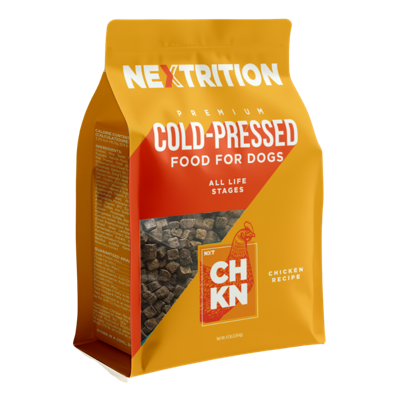
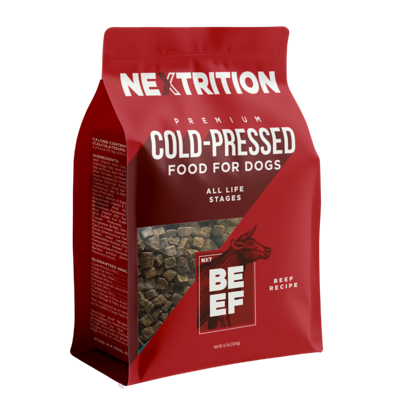
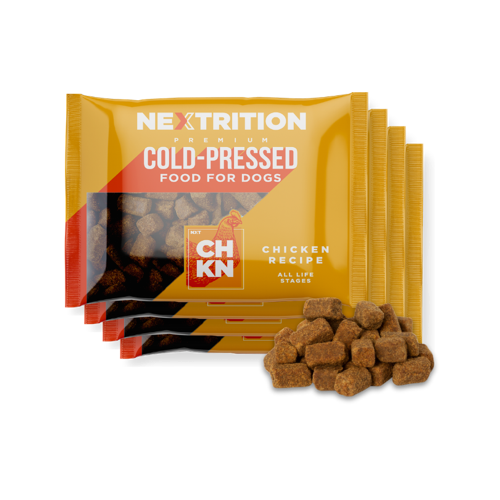
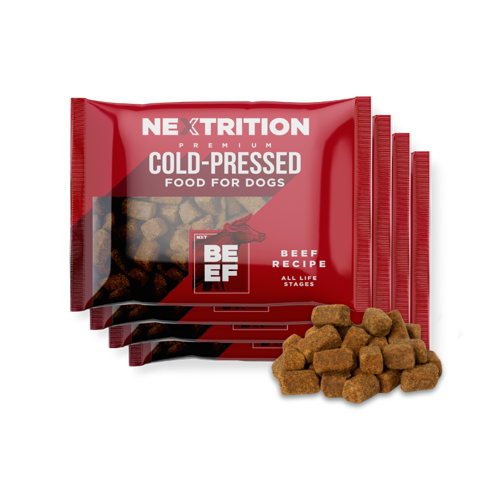
That's one reason we built our Dog Food for Soft Stool collection around cold-pressed recipes. The food is made at 3x lower temperatures than standard kibble, with real meat, fruits, vegetables, and digestive support in mind. For owners trying to get out of the loose-stool cycle, a gentler dry-food format makes more sense than just swapping from one heavily processed bowl to another.
Not every premium bag earns your trust. Firmer stool is a performance outcome, not a packaging claim.
How to Choose the Right Protein for a Dog With a Sensitive Gut
Protein isn't always the villain, but it can be the variable that keeps setting a dog off. When flare-ups repeat, we like a one-protein-at-a-time mindset.
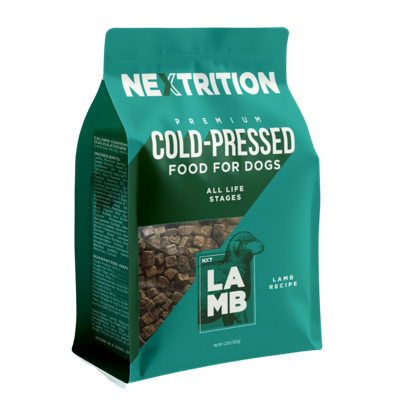
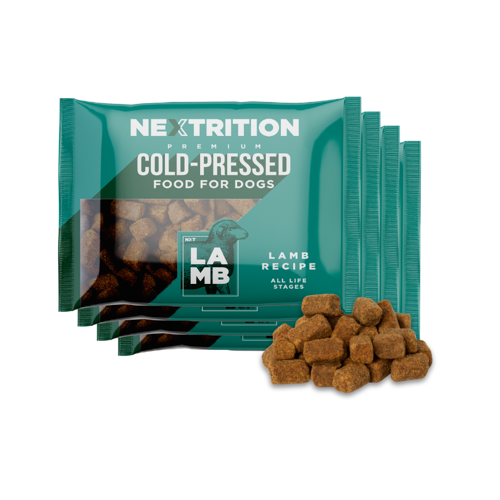
Lamb can be a practical choice for dogs needing a formula positioned for easier digestion. Our All-Natural Lamb Recipe fits that lane well, especially for owners who want a lamb-based option without turning the bowl into an ingredient experiment.
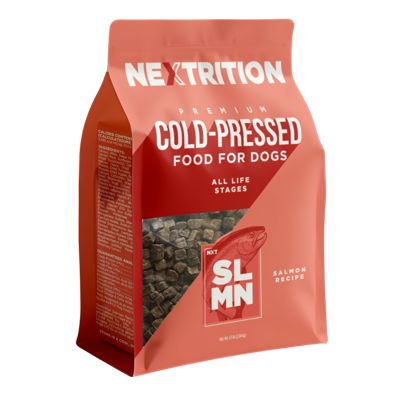
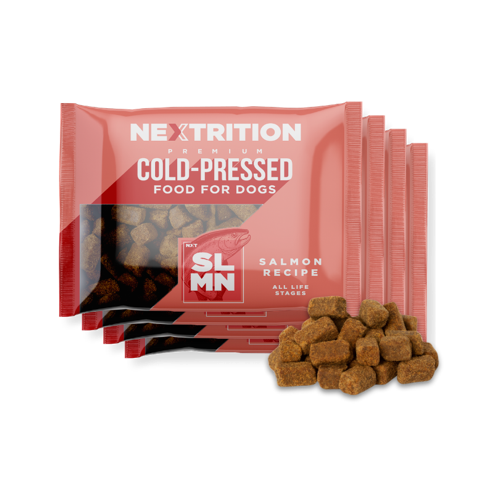
If stool issues overlap with itchy skin or a dull coat, a fish-based formula may deserve a look. In that case, salmon can solve two problems at once if the dog tolerates it.
And if poultry seems to trigger problems, a chicken-free path may be the cleaner move. That's where a chicken-free collection becomes useful. It removes one common suspect without making the whole feeding plan complicated.
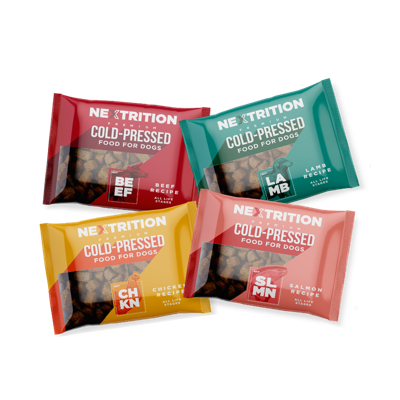
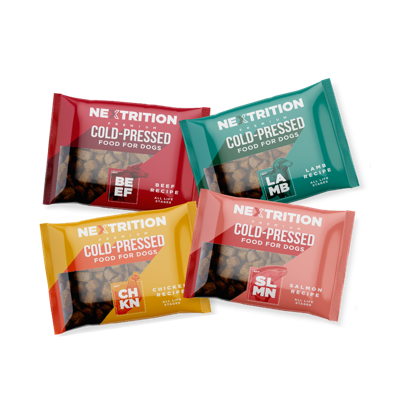
If you're still figuring out preference and tolerance, a Trial Variety Pack can help. Just don't rotate too fast if you suspect a true sensitivity. Testing four proteins in a blur tells you almost nothing.
The goal isn't novelty. It's landing on one formula your dog digests well and can stay on consistently.
How to Transition Food Without Making the Problem Worse
Even a better food can backfire if the switch is too abrupt. We've seen owners blame the new food when the real issue was the transition.
A slow 5 to 7 day change is usually the safe play unless your vet tells you otherwise:
Step-by-step transition
- Start small
start with a small amount of the new food mixed into the current food
- Increase gradually
increase gradually each day
- Pause if needed
slow down or pause if stools get worse
During that window, remove the confounders:
- no new treats
- no rich chews
- no table scraps
- no rotating toppers
Feed measured portions and keep meal times steady. Overfeeding a gentler food can still overwhelm digestion. Soft stool doesn't care how premium the bag is.
A personalized meal plan helps here because it cuts the guesswork on portions. Regular delivery helps too. If you're constantly running out and substituting with whatever's nearby, you never get a fair read on the food.
Mistakes That Keep Dogs Stuck in the Loose-Stool Cycle
This is where good intentions usually go sideways.
Common mistakes include frequent food hopping, changing too many variables at once, overfeeding, assuming all fiber is useful, and deciding every soft stool means the dog now needs a raw, grain-free, or exotic-protein diet. Usually not.
Another one: casual antibiotic use when the main problem may be diet-responsive or inflammatory. That can muddy the microbiome and make the picture worse, not clearer.
And maybe the most common mistake is ignoring the pattern because the dog still seems happy. Dogs can be bright, social, and still have chronic maldigestion or irritation.
A cheerful dog can still have an unhappy gut.
How to Track Whether the Diet Fix Is Actually Working
Don't rely on memory. Track it like a calm detective.
Write down:
- stool consistency
- frequency
- urgency
- mucus or blood
- appetite
- body weight
- energy
- gas
- coat quality
Some dogs improve within days on the right food. Others need 2 to 8 weeks before the trend is clear, especially after repeated gut disruption or in chronic enteropathy cases.
Use simple decision points:
- improving but not perfect: stay consistent and reassess
- no improvement: talk to your vet about the next diet or diagnostic step
- worsening symptoms or red flags: stop home troubleshooting and get care
Progress isn't only about firmer stools. Less urgency, less gas, better appetite, and a calmer dog after meals all count. Sometimes the stool firms up last.
Conclusion
Chronic loose stools in dogs are common, but they shouldn't be dismissed as normal for your dog. A lot of long term loose stools in dogs causes come back to diet quality, digestibility, gut irritation, or a mismatch between the food and the dog eating it.
Many cases are diet-responsive. That's the good news. But persistent symptoms still deserve a smart workup so you're choosing the right food strategy for the right reason.
Start simple. Track the pattern, watch for red flags, rule out the obvious medical issues, and move toward a steadier feeding plan built around digestibility and gut support. When the food respects the gut, the stool usually tells you.
Article Record
ReferencesPrimary sources used for this article
- An extensively hydrolysed protein-based extruded diet in the treatment of dogs with chronic enteropathy and at least one previous diet-trial failure: a pilot uncontrolled open-label study | BMC Veterinary Research | Springer Nature Link
- Chronic Diarrhea in Dogs – Retrospective Study in 136 Cases
- A prospective multicenter study of the efficacy of a fiber-supplemented dietary intervention in dogs with chronic large bowel diarrhea | BMC Veterinary Research | Springer Nature Link
- Efficacy of an elemental diet in achieving clinical remission in dogs with chronic enteropathy
- Chronic Diarrhea in Dogs--Diagnostic Approach - VIN
- Multimodal Treatment Approach to Dogs With Chronic Diarrhea and the Role of the Microbiome
- Chronic diarrhoea in pets | CVS Vets
- Chronic Diarrhea in Dogs: What Causes It and When Should ...


