




Why does my dog's breath smell like poop? It’s not normal “dog breath,” and a treat that masks it can waste time when the real problem is tartar, stool-eating, or a gut issue.
Start with the smell, the timing, and what else has changed: stool quality, appetite, thirst, or a sudden refusal to chew. That’s how you stop guessing.
- Check the yard, litter box, trash, and mouth before changing food.
- Look for brown tartar, red gums, drool, or something wedged between teeth.
- Call the vet fast for ammonia breath, vomiting, weakness, or excess thirst.
Find the cause, not a cover-up.
The Short Answer to This Gross but Important Question
If you're asking why does my dogs breath smell like poop, the answer is usually pretty simple at first glance and a little less simple once you look closer. That smell is a symptom, not a diagnosis.
The most common explanations are:
- your dog ate poop
- plaque, tartar, or gum disease has gotten out of hand
- something in the gut is off
Then there are the higher-concern possibilities, like kidney disease, liver disease, or a metabolic issue that changes the smell of the breath in a more specific way.
And yes, the type of smell matters. Fecal, rotten, urine-like, and sweet breath are not the same problem wearing different clothes. They point in different directions.
The real job here is to sort manageable from urgent without guessing. That's where most owners get stuck.
What the Smell Can Tell You
A lot of owners group every awful mouth odor into one bucket. Fair enough. It all smells bad. But if you slow down for thirty seconds, the smell itself can give you a useful head start.
Here's the rough map:
- True stool-like or fecal odor often points to poop eating, scavenging, or heavy bacterial buildup in the mouth.
- Rotten or decaying odor fits dental disease more often than people think.
- Urine or ammonia smell raises more concern for kidney trouble.
- Sweet or fruity breath is not poop-like, but it matters because it can show up with diabetes-related ketones.
That last one catches people off guard. They know the breath is "weird," but they can't place it, so they file it under bad breath and move on. That's how things get missed.
Pay attention to timing too. Did it show up right after yard time? Only after meals? Is it worst first thing in the morning? Did it start suddenly this week, or has it been building for months? Pattern beats panic.
The nose won't diagnose your dog, but it can absolutely tell you where to look first.

The Most Common Cause: Eating Poop or Other Gross Things
Let's start with the obvious one. If your dog's breath suddenly smells like stool, there's a very real chance your dog ate stool.
Dogs find opportunities everywhere:
- their own stool in the yard
- another dog's stool
- cat litter boxes
- wildlife droppings
- trash
- decomposing material outside
It's gross, but it's common. Puppies do it a lot. Some grow out of it. Some don't.
Why dogs do it is less tidy than people want. Sometimes it's curiosity. Sometimes boredom. Sometimes habit. Sometimes they like the cat box because, frankly, cat food makes the litter box smell interesting to them. And in some dogs, repeated stool eating can go along with digestive trouble or poor absorption, which means the behavior may be annoying and useful information at the same time.
A practical clue: if the odor shows up right after being outside, after access to the litter box, or after a stretch where your dog was unsupervised in the yard, coprophagia jumps way up the list.
Still, don't wave it off too quickly. Repeated stool eating can expose dogs to parasites and bacteria. It's not always an emergency, but it's not nothing either.
How Common Is Stool Eating?
Stool eating is not a rare one-off behavior. In a web-based owner survey with 1,552 returns, 16% of sampled dogs were reported to engage in frequent conspecific coprophagy—defined as having been seen eating their own or another dog’s stool at least six times.
The survey found no evidence that the behavior was related to a dog’s age or diet. That does not identify why an individual dog is doing it, and it does not rule out a medical issue when stool eating comes with weight loss, diarrhea, vomiting, or other changes. But it does mean repeated stool eating is a behavior many owners encounter, not proof by itself that a food is failing your dog.
Because this was an owner-reported web survey rather than a representative clinical sample, the 16% figure is best treated as a useful estimate from the surveyed dogs—not a population-wide prevalence for every dog.
Dental Disease Is a Bigger Cause Than Most Owners Realize
If poop eating is the obvious cause, dental disease is the underestimated one. We see owners focus on the smell and miss the fact that the mouth may be genuinely unhealthy.
Here's the short version. Plaque builds up. It hardens into tartar. Bacteria settle in along the gumline. Those bacteria produce foul-smelling waste compounds, and the smell can get strong enough that owners describe it as sewer-like or poop-like.
By age three, a lot of dogs already have some degree of dental disease. That's why a dog can seem otherwise healthy and still have breath that makes you step back.
Look for signs like:
- yellow or brown buildup along the teeth
- red or swollen gums
- drooling
- pawing at the mouth
- bleeding from the gums
- reluctance to chew hard things
- chewing on one side
- dropping food
One thing owners miss all the time: a dog can keep eating with serious dental disease. Eating does not prove the mouth is fine. Dogs are tough, and sometimes too tough for their own good.
If the breath smells rotten, infected, or like something is decaying, don't frame it as a hygiene problem. It's a health problem that happens to smell bad.
Gut and Digestive Problems Can Show Up on the Breath
Not all bad breath starts in the mouth. Some of it starts lower down, then works its way back up.
Reflux, regurgitation, slow stomach emptying, poor digestion, and malabsorption can all change breath odor. Usually you don't see that in isolation. You see it with other digestive clues:
- gas
- burping
- soft stool
- inconsistent stool
- bloating
- vomiting
- stool-eating behavior
This matters more than people think. The gut doesn't just handle food. It affects stool quality, immune function, and how well your dog actually uses what goes into the bowl. Around 70% of the immune system sits in the gut, so when digestion is messy, the fallout isn't always neat and local.
Food is often part of the picture. Some dogs don't do well on heavily processed diets or formulas they struggle to digest. You end up with more digestive byproducts, worse stool quality, more scavenging, more odor. It's a loop.
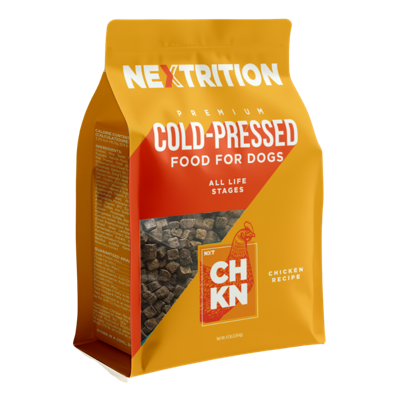
For dogs with frequent soft stools or a history of sensitive digestion, we usually think it's worth looking at feeding before throwing random breath products at the problem. Our Cold-Pressed Dog Food collection is built around gentler digestion and better nutrient retention than traditional high-heat kibble, which is why owners often start there when mouth odor seems connected to gut imbalance rather than just tartar.
Diet won't fix a rotten tooth. But if the gut is adding fuel to the problem, it belongs in the investigation.
Less Obvious Medical Causes You Should Not Ignore
This is the part nobody wants, but it's where calm matters most. Some dog breath smells like poo causes are less common and more urgent.
Kidney, liver, and diabetes clues
Kidney disease often creates breath that smells more like urine or ammonia than actual stool. If that odor shows up with increased thirst, more urination, lethargy, appetite changes, or weight loss, don't sit on it.
Liver disease can also create foul breath, especially if it's paired with vomiting, diarrhea, poor appetite, or just a dog who seems off.
Diabetes belongs on the list too. The breath may smell sweet or fruity rather than fecal, and owners sometimes describe it badly because they know something changed but can't identify the smell.
Mouth problems that are easy to miss
There are also mechanical problems that can stink fast:
- oral tumors or growths
- ulcers or infected areas
- bone fragments wedged in the mouth
- sticks, grass awns, or debris caught between teeth
A foreign object can create a sudden awful smell and a lot of pain in a short window. One day the breath is normal. The next day it smells severe and your dog doesn't want you near the mouth. That's not a "wait and see" situation.
These causes are not the most likely. They are the ones you don't want to miss.
Clues That Help You Narrow Down the Cause at Home
Before you assume anything, step back and look for patterns. This is usually faster than bouncing between internet guesses.
Run through these questions:
Did the smell start suddenly or build slowly?
Sudden points more toward scavenging, a foreign object, or an abrupt medical change. Gradual often fits dental disease.Does your dog have access to stool, litter boxes, compost, or trash?
Don't overcomplicate a simple problem.What does the mouth look like?
If it's safe, check for tartar, redness, swelling, broken teeth, drool, or something stuck.Any body-wide changes?
More drinking, more peeing, vomiting, diarrhea, weight loss, lower energy, or obvious discomfort all matter.How old is your dog?
Puppies are more likely to eat stool. Seniors are more likely to have dental disease or kidney issues.What do the stools look like lately?
Loose, inconsistent, or hard-to-predict stools often tell you the gut has been messy for a while.
One more thing. A clean-looking mouth does not rule out disease below the gumline. That's a trap. Some dogs have surprisingly decent-looking teeth from the front and a real problem hiding where you can't see it.
What to Do Today if Your Dog’s Breath Smells Like Poop
Start with the simple moves. They solve the simple cases and help you spot the serious ones faster.
- remove access to stool, litter boxes, trash, and anything rotten
- do a quick visual mouth check if your dog allows it safely
- offer water
- watch appetite, stool, vomiting, and energy over the next several hours
If you're pretty sure your dog ate poop and otherwise seems normal, monitor for persistence instead of treating it like an automatic emergency. A one-off incident is different from a smell that hangs around into tomorrow.
If the odor persists beyond the obvious incident, book a vet exam. Teeth, gums, and the bigger medical causes need a real check.
A mistake we see a lot is trying to cover the smell with flavored chews or treats before understanding the cause. That can muddy the picture. Same with human toothpaste or mouthwash. Don't use them. Dogs are not small people, and a minty cover-up is not treatment anyway.
If the smell is strong enough to make you uneasy, that's already useful information.
How Diet Can Help if the Problem Starts in the Gut
If the bad breath keeps showing up next to soft stool, gas, stomach upset, or food sensitivity, the food deserves a hard look.
Health-conscious owners usually do best when they keep the standard simple. Look for real meat, recognizable ingredients, and a format your dog can actually digest well. Fancy packaging doesn't help if the gut is constantly irritated.
Cold-pressed food is worth considering here because it's made at lower temperatures than standard kibble. That helps preserve nutrients and natural enzymes that support digestion instead of cooking the life out of everything and hoping additives clean up the mess later.
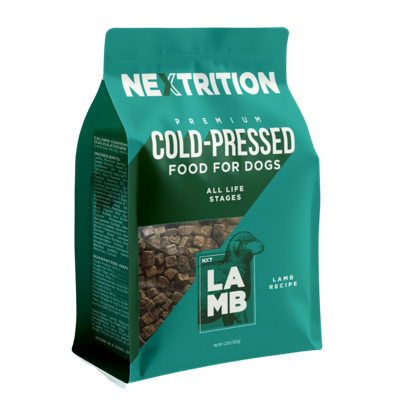
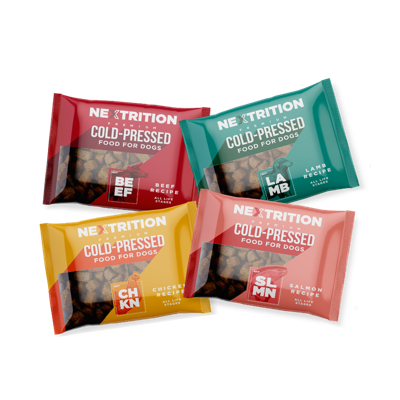
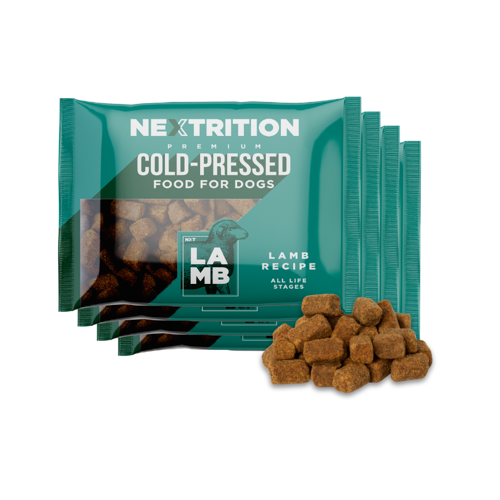
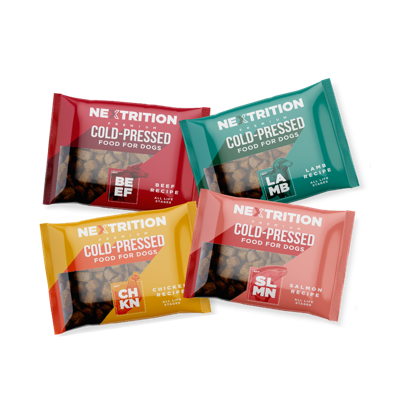
We'd also rather see sensitive dogs on a steadier, simpler protein approach than constant ingredient roulette. If you're looking for a lamb-based option for easier digestion, our All-Natural Lamb Recipe is a natural fit. For cautious switchers, the Trial Variety Pack gives you a low-commitment way to test protein tolerance and palatability before moving to a full-size bag.
None of that means food alone cures halitosis. It doesn't. But when the gut is part of the story, feeding can either calm things down or keep the cycle going.
How to Prevent Poop-Smelling Breath Long Term
Prevention is not glamorous, but it works. Most of this comes down to consistency.
A solid long-term plan usually includes:
- brushing teeth daily with a dog-safe toothpaste
- getting professional dental cleanings when your vet recommends them
- picking up stool promptly in the yard
- blocking access to litter boxes and trash
- supervising chew time so sticks, bones, and debris don't turn into mouth injuries
- feeding consistently digestible food that supports stool quality
- changing foods gradually, especially in sensitive dogs
- keeping up with routine wellness checks
This is where people either stay practical or get distracted by hacks. There isn't a shortcut that's better than boring consistency.
Breath is not just a cosmetic annoyance. It's an early warning system. Treat it that way and you catch problems earlier, when they're cheaper, easier, and less painful to deal with.
When to Call the Vet Right Away
Some situations move out of the home-troubleshooting category fast. Call your vet promptly if you notice any of the following:
- breath that smells like urine or ammonia
- foul breath with vomiting, diarrhea, lethargy, collapse, or refusal to eat
- excessive thirst or urination
- weight loss, weakness, or a sudden behavior shift
- pawing at the mouth, visible bleeding, swelling, or severe oral pain
- suspicion that something is lodged in the mouth
- persistent foul breath in a puppy, senior, or medically fragile dog
- any sudden, intense, unexplained odor change
You don't need to be certain before you call. In fact, waiting for certainty is how some of these cases get worse.
Conclusion
Poop-smelling breath is common enough that you don't need to panic, but important enough that you shouldn't ignore it. The smell may be coming from stool eating, dental disease, digestive imbalance, or a more serious medical issue, and the clues around it usually tell the real story.
The useful shift is this: stop thinking of breath as just an odor problem. Fresh breath often starts with healthier gums, a calmer gut, and a better daily diet.
So check for the obvious cause first. If the odor sticks around or comes with other symptoms, get your dog examined. And if digestion seems to be part of the picture, a gradual move toward gentler, digestion-focused feeding can help you clean up more than just the smell.
Article Record
ReferencesPrimary sources used for this article
- The paradox of canine conspecific coprophagy
- Epidemiology of periodontal disease in dogs in the UK primary‐care veterinary setting
- Revisiting Periodontal Disease in Dogs: How to Manage This New Old Problem?
- Why Does My Dog's Breath Smell Like Poop?
- Effectiveness of silver diamine fluoride 38% on reduction of gingivitis in dogs: a randomized clinical trial


