




Foods that cause gas in dogs are usually not random table scraps. More often, you are dealing with everyday ingredients that look harmless until your dog gets bloated, noisy, or clears the room after dinner.
What people miss is the pattern: rich dairy, legume-heavy recipes, and fibers that ferment hard in the gut. You do not need guesswork, you need a better read on what your dog is actually eating.
That makes feeding your dog a lot easier.
Why Some Dogs Get Gassy More Easily Than Others
Gas isn't always about a "bad stomach." Most of the time, it starts with digestion that didn't finish the job.
In dogs, gas can come from swallowed air, gas made inside the digestive tract, or gases moving into the gut from the bloodstream. But food-related gas usually shows up when undigested material reaches the colon and bacteria ferment it. That's the part many owners miss. The fart is the ending. The real story started earlier.
A little burping, stomach noise, or occasional flatulence can be normal. Frequent gas that smells terrible, shows up after most meals, or comes with loose stools, weight loss, or discomfort deserves a closer look.
Highly digestible, low-residue food tends to leave less behind for gut bacteria to work on. Less leftover material usually means less gas. That tracks with what we've seen in practice, and it matches research comparing canine diets. Animal-protein formulas generally show better digestibility and lower hindgut gas than more fiber-heavy, vegetarian-style approaches, even when both technically meet maintenance needs.
Carbohydrates matter too. Some dogs do better on rice-based foods than on formulas built around wheat or corn. And fiber is not automatically gentle. That's one of those label truths that sounds healthy until your dog proves otherwise. Some fruit and vegetable fibers ferment aggressively and create a surprising amount of gas.
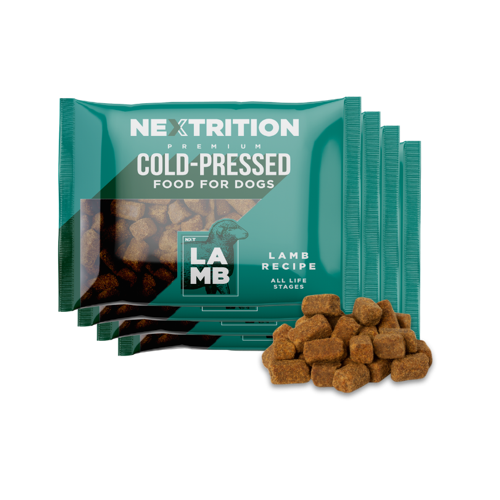
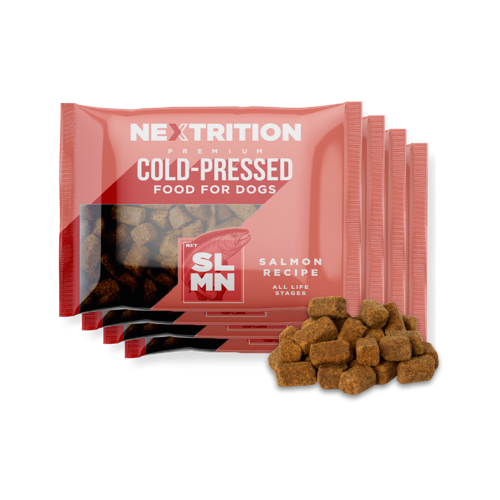
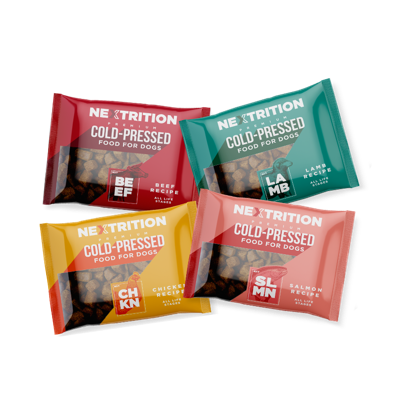
Processing also affects how digestible a food is. Gentler methods can help preserve nutrients in a form the body can actually use. That's one reason we believe cold-pressed food deserves a serious look for dogs with touchy digestion. Our recipes are made at 3x lower temperatures, using real meat, fruits, vegetables, and Rocky Mountain water. The goal isn't to make food sound fancy. It's to support gut health where about 70% of your dog's immune system resides.
Repeated gas is often a food signal, not just a social problem.

1. Soybean Meal and Soy Protein
Soy is one of the first ingredients we question when a dog has frequent, offensive gas but otherwise seems fine.
The issue is simple. Soy contains fermentable compounds that may not get fully digested in the small intestine. When that material reaches the large intestine, bacteria go to work. That's where the smell starts earning its reputation.
This shows up most often in dry foods that lean heavily on plant protein. And it gets easy to miss when soy appears in several forms on the label:
- soybean meal
- soy protein concentrate
- soy flour
A food can look protein-rich on paper while doing too much of the lifting with soy. That's not the same as building a recipe around named animal proteins your dog is more likely to digest cleanly.
If your dog is gassy every evening but still eager to eat, we'd look here early.
2. Peas and Pea Protein
Peas get marketed as clean and modern. They also show up often in the real answer to what foods make dogs gassy.
The problem usually isn't a few peas. It's when peas become structural. Many formulas stack peas, pea protein, pea starch, and pea fiber in ways that push legumes much higher than the front of the bag suggests. That's a common label trick, and experienced owners learn to spot it fast.
Legume-heavy foods can leave more fermentable residue behind, especially in dogs with sensitive digestion. If your dog has chronic gas, softer stools, or a bloated look after meals, compare ingredient lists carefully. When several pea ingredients appear near the top, that's not a small detail.
Sometimes the fix isn't dramatic. You just move peas lower on the list and let real meat do the heavy lifting.
3. Milk
Milk is one of the most common table foods that cause gas in dogs, mostly because of lactose.
Many adult dogs don't digest lactose efficiently. Even a small serving can lead to bloating, gas, loose stool, or loud stomach rumbling a few hours later. Small dogs usually show it faster, but sensitive large dogs can react just as clearly.
If your dog gets gassy after licking a cereal bowl, a coffee drink lid, or leftover milk in the kitchen, you probably found your answer.
A practical rule we use is this:
- don't make milk a regular treat
- don't assume "just a little" means harmless
- use water or dog-appropriate hydration options instead
This one is usually easy to clean up.
4. Yogurt
Yogurt gets a health halo. Sometimes it earns it. Sometimes it doesn't.
Because yogurt is fermented, it may contain less lactose than milk, which is why some dogs tolerate it better. But "better" isn't the same as "good for every dog." If your dog already has a reactive gut, yogurt can still trigger gas.
Sweetened or flavored yogurts make things worse by adding sugar and extra ingredients your dog doesn't need. That's where a well-meant spoonful turns into midnight stomach noise.
Treat yogurt like a tolerance test, not a digestive cure. Start tiny. Plain only. Then watch what actually happens by the next afternoon, not what the packaging promises.
5. Ice Cream
Ice cream is a stack of digestive stressors in one scoop.
You get dairy, lactose, sugar, and fat all at once. For a sensitive dog, that combination is asking for gas, loose stool, or both. This is especially true with pup-cup habits that become routine. The problem isn't the celebration. It's the repetition.
Even human lactose-free versions aren't ideal if they're still rich in sugar and fat. Owners often focus on lactose and miss the rest of the load.
If dessert-sharing is part of your routine, swap it out for simpler dog treats. When a dog is already prone to gas, don't pile on ingredients that all work against digestion at the same time.
6. Soft Cheeses and Creamy Dairy
Not all cheese hits the same. Soft and creamy dairy products usually contain more lactose than hard, aged cheeses.
That makes foods like cream cheese and ricotta more likely to trigger gas than a tiny bite of an aged cheese. This matters because many owners use cheese for pill delivery or as a high-value reward and never connect it to the evening gas.
We've seen that pattern more than once. The food bowl gets blamed. The real trigger was medication time.
A few smarter swaps:
- use non-dairy pill pockets or a small meat-based wrap
- reserve dairy for dogs that clearly tolerate it
- avoid making creamy cheese a daily training reward
The smallest habits are often the ones that keep a problem going.
7. Wheat
Wheat isn't automatically bad. But in some dogs, wheat-based foods create more flatulence than foods built around rice.
Usually, this isn't a dramatic intolerance story. It's more about digestibility and residue. Some dogs simply leave more fermentable material behind when wheat is a major carbohydrate source.
Watch for wheat showing up across several ingredients, such as wheat flour, wheat middlings, and wheat gluten. When that happens, wheat may be doing more of the formula's work than you realized.
A smart way to test it is to keep the protein source stable and change the carbohydrate base. That's how you learn something useful instead of creating label chaos.
8. Corn
Corn falls into a similar category. It isn't always the villain, but it can be a factor in dogs that get gassier after a switch to corn-heavy dry food.
The full formula still matters. Processing quality, fiber load, and protein digestibility all shape the outcome. Corn becomes more suspicious when it's paired with other fermentable ingredients or when the overall food already looks harder to digest.
If you're troubleshooting foods that cause gas in dogs, ask a blunt question: is corn one ingredient, or is it helping hold up the whole formula? That answer changes how much attention it deserves.
9. Apple Pomace
Apple pomace sounds wholesome. Sensitive dogs don't care how wholesome it sounds.
Canine fermentation research found that apple pomace can produce high amounts of gas. That's important because pomace is often used as a fiber source in foods marketed as fruit-forward or natural.
Fresh apple slices in tiny amounts are not the same issue. Concentrated pomace behaves differently in the colon, and that distinction matters.
If your dog has bulky stools, gas after fiber-rich meals, or trouble with foods that advertise a lot of fruit, check for apple pomace high on the label. "Natural" is not the same as easy to digest.

10. Carrot Pomace
Carrot gets treated like a gentle ingredient. Carrot pomace can tell a different story.
Among fruit and vegetable fibers studied with canine gut microflora, carrot pomace produced particularly high gas and fermentation output. That's a useful reminder that concentrated fiber ingredients don't act like a few fresh carrot pieces from the cutting board.
If your dog becomes bloated or noisy on formulas packed with vegetable matter, this is worth noticing. Especially when the food leans hard on mixed vegetable fiber sources and the marketing keeps talking about garden ingredients.
Sometimes the gut gives a clearer read than the front label does.
11. Tomato Pomace
Tomato pomace tends to sit in the middle. Not the worst offender, not always harmless either.
In canine fiber testing, it showed intermediate fermentation and gas production. On its own, some dogs tolerate it just fine. The issue is when it gets layered with several other pomaces and added fibers in the same formula.
That's where owners get misled. One fiber source might be manageable. A stack of them can push a sensitive dog over the line.
If gas improves after simplifying the ingredient list, tomato pomace may have been part of the problem, even if it wasn't the only one.
12. Broccoli
Broccoli is healthy for people. For dogs, it can lead to especially smelly gas.
Cruciferous vegetables contain sulfur compounds, and sulfur drives the odor owners notice most. That's why even a small serving can create a smell problem out of proportion to the amount fed.
Raw scraps, steamed leftovers, and repeated "healthy bites" from dinner all count. This isn't about one accidental floret. It's about the pattern that follows.
If your dog's gas is less frequent than it is powerful, broccoli is worth remembering.
13. Cauliflower
Cauliflower causes trouble for a lot of the same reasons.
It's another cruciferous vegetable, so the smell can get strong fast. It also contains fiber that can ferment if larger amounts reach the colon undigested. Dogs with sensitive stomachs or dogs already eating a fiber-rich kibble usually show this more clearly.
This comes up often in homes where dogs get bites of low-carb meals and vegetables feel like the safest thing to share. Fair idea. Wrong vegetable.
Skip generous portions and watch for repeat symptoms after cauliflower-heavy meals. Dogs are usually pretty consistent once you've spotted the trigger.
14. Cabbage
Cabbage has a reputation for a reason.
It can cause digestive rumbling and sulfur-heavy gas, especially when dogs get raw cabbage, coleslaw scraps, or repeat servings from soups and cooked greens. Owners tend to notice this one quickly because the smell factor can be bigger than the serving size suggests.
Cabbage is not useful as a healthy filler for a dog already dealing with gas. It just adds more friction to a system that's already telling you it's struggling.
When shared meals are part of the issue, this is an easy ingredient to remove.
How to Avoid Foods That Cause Gas in Dogs Without Guessing
You don't need to panic and you don't need to change everything at once. In fact, changing too much too fast is how owners lose the trail.
Start with patterns. Track when the gas happens, how strong the odor is, whether stools changed, and whether your dog is burping, bloated, or eating too fast. A simple note on your phone for a few days is usually enough to make the pattern obvious.
Then read labels with more skepticism than most marketing deserves. Look for repeated forms of the same trigger:
- several pea ingredients in one formula
- stacked pomaces and mixed fibers
- dairy showing up across treats, toppers, and shared food
Change one major variable at a time. That's how you learn what foods make dogs gassy for your dog, not just what sounds suspicious online.
A few principles help most dogs:
- favor highly digestible animal protein
- keep fiber moderate, not overloaded
- choose cleaner formulas over foods padded with trendy extras
- if carbs seem to matter, compare rice-based recipes with wheat- or corn-centered ones
- transition slowly so adjustment gas doesn't get mistaken for a true ingredient issue
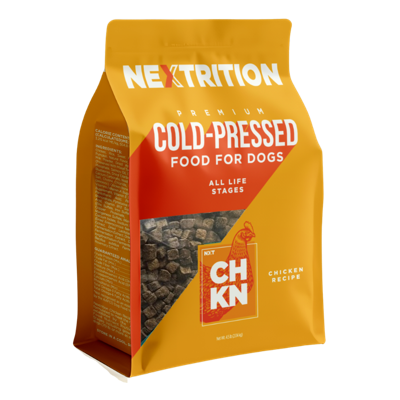
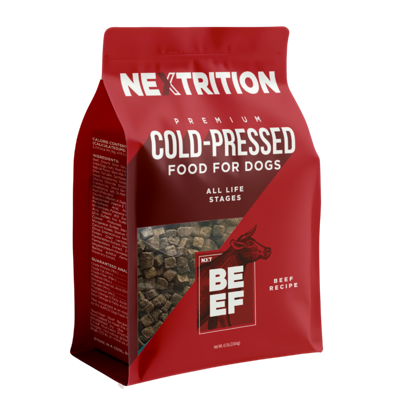
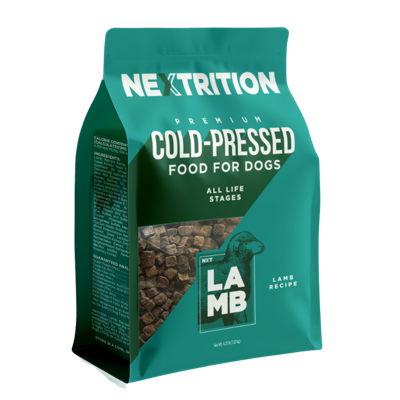
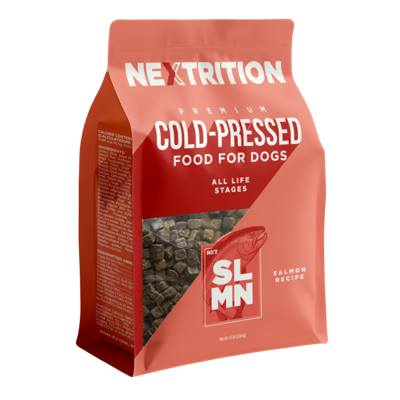
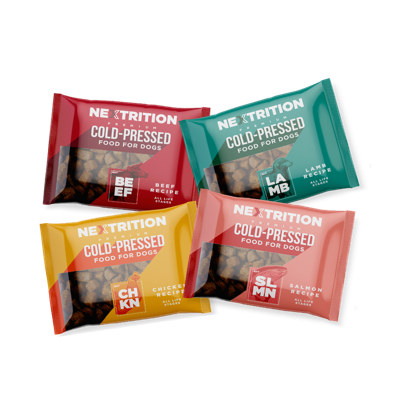
For owners ready to simplify the process, we like a more intentional reset. A personalized meal plan paired with a cold-pressed recipe built around real meat, fruits, and vegetables can remove a lot of the noise. Our lamb, chicken, salmon, and beef recipes were built for exactly this kind of practical decision-making. Not because every dog needs something complicated, but because many dogs do better when the food is simpler, more digestible, and less processed.
And if gas comes with diarrhea, vomiting, weight loss, abdominal pain, or a swollen belly, stop troubleshooting at home and call your veterinarian. That's not the moment for another ingredient experiment.
Conclusion
Most gas isn't random bad luck. It usually points back to digestibility, ingredient choice, or feeding habits.
The common offenders are fairly consistent: lactose-rich dairy, legume-heavy formulas, certain grain bases for some dogs, concentrated fermentable fibers, and sulfur-rich vegetables. Once you know where to look, the problem gets less mysterious.
The next step is usually straightforward. Remove the most likely trigger, simplify the diet, and watch your dog's response closely. A calmer gut often starts with a cleaner food decision. And when mealtime works better, everything around it gets easier too.


