




Dog food sensitive stomach vomiting searches usually start after one too many 3 a.m. cleanups. And the mistake is buying whatever says "sensitive" on the bag. A lot of those formulas are still heavy, messy, or just not worth the switch.
The better options are easier on digestion, use cleaner protein choices, and don't feel like a compromise on ingredient quality. We've cut past the filler and left in the foods that actually make sense for dogs with touchy stomachs.
These are the ones worth your attention.
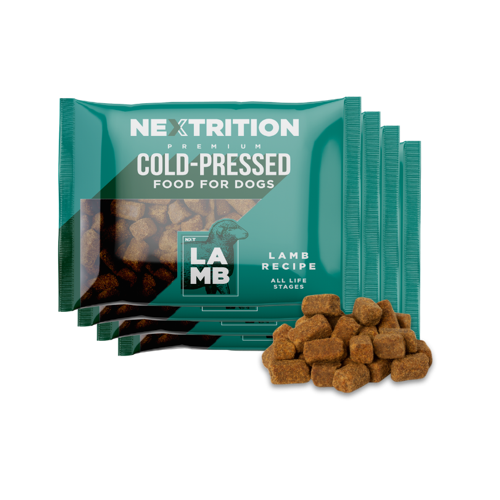
1. All-Natural Lamb Recipe

Pros
- Cold-pressed for easier digestion
- Real lamb is first ingredient
- Natural whole-food ingredient profile
- Shelf-stable alternative to fresh
- Strong fit for mild sensitivity
Cons
- Not a veterinary therapeutic diet
- May not suit fat-sensitive dogs
- Premium pricing versus standard kibble
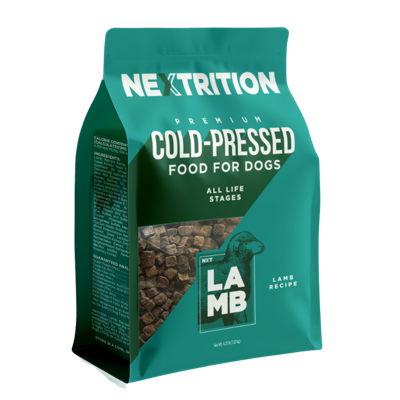
If you're looking for a premium everyday answer to dog food sensitive stomach vomiting concerns, this is where we'd start. Not because every vomiting case is the same, but because a lot of dogs don't need a clinical diet first. They need a cleaner, more digestible daily food and one consistent trial.
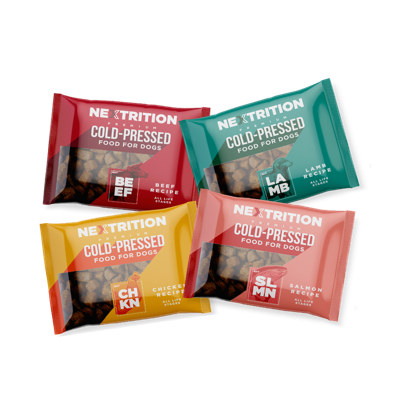
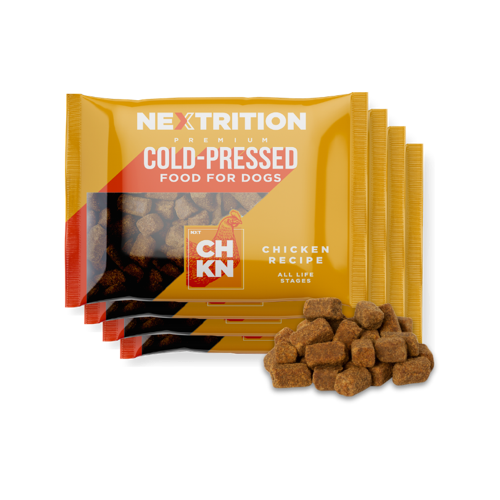
Our All-Natural Lamb Recipe sits in that lane. It's cold-pressed, not traditional kibble, and that matters more than most labels let on. We make it at temperatures up to 3x lower than standard kibble processing, which helps preserve more of the nutrients already in the ingredients instead of cooking the life out of them and trying to add everything back later.
A few things make it especially relevant for sensitive digestion:
- real lamb is the first ingredient
- over 12 pounds of whole fresh ingredients are pressed into a 4.5 lb bag
- it uses natural ingredients, including real meat, fruits, veggies, and Rocky Mountain water
- it feels like a pantry-friendly food, not a freezer project
That last point matters. A lot of owners want something more thoughtful than mainstream dry food, but they also want a feeding routine they can actually maintain on a Tuesday morning.
This is not a prescription GI diet, and we don't pretend it is. If your dog has pancreatitis, severe vomiting, or a fat-triggered history, this isn't the first call. But for mild recurring vomiting, touchy digestion, or dogs that just don't do well on conventional kibble, it's a smart place to begin before moving into therapeutic territory.
Start with the least complicated solution that matches the symptoms.
We've seen that ingredient quality and processing style often get lumped together as marketing. They shouldn't be. Some dogs simply handle a cold-pressed food better than a harder, more heavily processed kibble. Not every case, but enough that it's worth paying attention.

2. Hill's Science Diet Sensitive Stomach & Skin

Pros
- Easy to find and repurchase
- Supports digestion plus skin health
- Good everyday maintenance formula
- Practical for mild sensitivity
Cons
- Not ideal for frequent vomiting
- Less targeted than prescription GI diets
- Conventional kibble format only
This is a practical middle-ground option. It's built for dogs with mild digestive sensitivity, and it adds a skin-and-coat angle that can matter more than people think.
A dog with an unsettled stomach and dull coat or itchiness isn't always dealing with two separate problems. Sometimes it's one system showing stress in two places. That's where a formula with both stomach and skin positioning earns its keep.
Hill's Science Diet fits owners who want:
- something familiar and easy to find
- a daily maintenance food rather than a short-term intervention
- a formula that addresses digestion without ignoring coat and skin
Compared with a premium cold-pressed food, this is more conventional. Compared with a prescription GI diet, it's far less targeted. That's not a knock. It's just the truth. A lot of dogs live in that middle zone where they need better tolerance, not medical management.
The limit is pretty clear too. If vomiting is frequent, if richer foods seem to trigger it, or if your dog has already failed a couple of retail food changes, this usually isn't the best dog food to stop vomiting sensitive stomach cases. At that point, you'd want either a more deliberate ingredient strategy or a vet-led GI diet.
Sometimes mainstream works fine. Sometimes it just delays the next switch.
3. Purina Pro Plan Sensitive Skin & Stomach Salmon & Rice
Pros
- Salmon-based everyday digestive support
- Widely available and easy to repurchase
- Good fit for mild sensitivity
- Appeals to fish-protein preference
Cons
- Still a standard dry kibble
- Less suitable for frequent vomiting
- Not a therapeutic GI diet
Some owners know exactly what they want from the start. They want salmon. They want rice. They want a formula that feels straightforward and widely available. This option speaks directly to that buyer.
The salmon-and-rice pairing gives it a cleaner, simpler everyday identity than broader sensitive-stomach products that don't really tell you what feeding problem they're trying to solve. For dogs whose digestion seems calmer on fish-based food, that can be enough reason to test it seriously.
Where it fits well:
- mild stomach sensitivity
- owners looking for a mainstream salmon-forward formula
- households that want easy repurchasing without changing feeding style
In real use, this fills a similar role to Hill's Science Diet. The difference is less about quality hierarchy and more about protein preference and tolerance. If you're specifically trying to move away from chicken-leaning options, this one makes more sense.
Still, it's standard dry food. That's the tradeoff. For some dogs, that won't matter. For others, it will. If your dog vomits often, seems worse after richer meals, or has a diagnosed GI issue, don't let "sensitive stomach" on a retail bag do more work than it should.
A label can point you in the right direction. It can't do the diagnosis for you.
4. Royal Canin Veterinary Diet Gastrointestinal Low Fat
Pros
- Targets fat-sensitive vomiting cases
- Useful for pancreatitis history
- Stronger GI support than retail
- Vet-guided therapeutic positioning
Cons
- Requires veterinary authorization
- Too specialized for mild cases
- Less flexible than everyday diets
This is where the conversation changes. We're no longer talking about a generally fussy stomach. We're talking about dogs whose vomiting may be tied to fat sensitivity, pancreatitis history, or a documented digestive condition.
That low-fat focus is the reason it's on this list.
Plenty of foods claim digestive support. Far fewer are built around the specific reality that some dogs simply don't tolerate fat well. If your dog's vomiting tends to flare after richer meals, table scraps, or anything outside a narrow routine, a low-fat veterinary diet deserves real attention.
Royal Canin Gastrointestinal Low Fat is a better fit when:
- your vet has raised concern about pancreatitis or fat intolerance
- vomiting isn't occasional anymore
- standard sensitive-stomach foods haven't held things together
This is narrower than the everyday options above, and that's a strength, not a weakness. It isn't trying to be for everyone. It is trying to be useful in a very specific kind of case.
The mistake we see is owners reaching for therapeutic diets as a lifestyle upgrade. That's usually backward. Prescription foods make the most sense when the dog's history has already told you a normal retail path probably won't cut it.
5. Just Food For Dogs Sensitive Stomach
Pros
- Fresh, less processed feeding style
- Digestive-focused everyday formula
- Whole-food appeal for picky owners
- Feels more intentional than kibble
Cons
- Requires refrigeration and planning
- Costs more than dry food
- Less medically targeted than prescription diets
Fresh food has real appeal, especially for owners who are ingredient-conscious and done with conventional kibble. This option lands there, but with a digestive focus rather than just a premium halo.
For dog food sensitive stomach vomiting situations, a fresh sensitive-stomach formula can make sense when your priority is digestibility and whole-food style feeding, not clinical GI management. It's a different philosophy from both mainstream dry food and prescription diets.
The appeal is fairly obvious:
- less processed feeding style
- specific positioning for digestive upset
- a more premium daily feeding experience
But fresh feeding asks more from you. Storage, handling, timing, cost, all of it. That doesn't make it worse. It just makes it a commitment.
Compared with cold-pressed food, this is less shelf-stable and usually less convenient. Compared with standard kibble, it feels more intentional and less industrial. Compared with prescription GI diets, it's less medically specific.
That's the real comparison set. Not "good" versus "bad," but which tradeoff actually fits your life and your dog's symptoms.
If you want to move beyond ordinary dry food and you're comfortable with the logistics, this is a serious option. If you need pantry simplicity, it may not be.
6. Hill's Prescription Diet i/d
Pros
- Targeted GI support for vomiting
- Strong vet-guided escalation option
- Useful after retail diet failures
- Fits broader digestive upset cases
Cons
- Requires veterinary authorization
- Not ideal for mild cases
- Less relevant for fat-triggered vomiting
When dogs have moved past mild sensitivity and into actual recurring digestive upset, Hill's Prescription Diet i/d becomes relevant fast. This is one of the more common escalation points when over-the-counter changes haven't solved the problem.
It earns its place because it's built for GI support first. Not skin. Not general wellness. GI.
That matters when you're dealing with vomiting that keeps returning, especially if it's paired with loose stool, appetite changes, or a pattern that has already outlasted a few well-intentioned food switches. At that stage, another premium retail trial can become expensive guesswork.
A useful way to think about i/d versus Royal Canin Low Fat:
When i/d makes more sense
- the issue is broader digestive upset
- the trigger isn't clearly fat-related
- your vet wants GI support without narrowing only on fat tolerance
When it may not be the first move
- the vomiting was a one-off after getting into something
- symptoms are mild and recent
- you haven't yet tried a consistent daily food change
We've said this to plenty of owners: random switching creates noise. A structured trial creates information. Prescription GI diets are often valuable because they remove some of that noise and let you see whether the dog's system settles when the plan is actually controlled.
7. Just Food For Dogs Fish & Sweet Potato
Pros
- Fresh fish-based protein alternative
- Simpler limited-ingredient style profile
- Useful for common protein concerns
- Premium fresh-food feeding approach
Cons
- Less convenient than pantry foods
- Not a formal elimination diet
- Higher cost than standard kibble
This is one of the more interesting options on the list because it isn't just "sensitive stomach" in a broad sense. It has a clearer food-sensitivity angle.
Fish and sweet potato gives it a limited-ingredient feel that can be useful when you suspect a specific protein issue or want to get away from the usual land-animal rotation. That's a different use case from a general digestive-support formula.
It may be a strong fit if:
- your dog seems worse on common proteins
- you want a fresh recipe with a simpler profile
- you're trying a more deliberate protein change without jumping straight to prescription
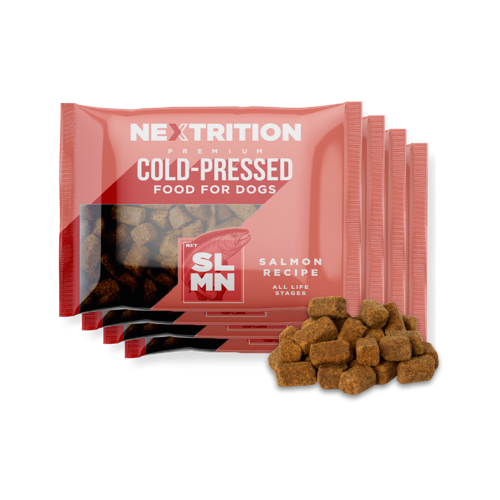
Compared with Just Food For Dogs Sensitive Stomach, this is more troubleshooting-oriented. Compared with salmon-and-rice kibble, it feels more premium and more intentionally stripped back. Compared with our lamb recipe, it offers a different protein path for owners who don't want lamb as the trial choice.
There is a limit here too. If your vet recommends a stricter hydrolyzed or formal elimination diet, this is not a substitute. Fresh and simple isn't the same thing as medically controlled.
Sometimes a narrower ingredient profile helps quickly. Sometimes the case is already beyond that.
How to Choose the Best Dog Food to Stop Vomiting for a Sensitive Stomach
Choosing the best dog food to stop vomiting sensitive stomach problems starts with the pattern, not the brand. Vomiting after gobbling a meal, waking up with bile vomit, and vomiting that keeps showing up for weeks are not the same problem.
Start by sorting the case:
- Occasional vomiting after meals: look at portion size, eating speed, and whether a digestibility-focused daily food is enough
- Chronic vomiting over weeks: move faster toward veterinary guidance and a structured diet trial
- Bile vomiting: meal timing may matter as much as food choice
- Vomiting with loose stool: think broader GI support, not just a nicer ingredient list
Then match the food type to the likely trigger.
A lamb or fish recipe can be useful if you're exploring a protein change. A low-fat veterinary diet makes more sense if richer meals seem to cause trouble. Fresh or cold-pressed options are often appealing when digestibility and ingredient quality are the main priorities. Prescription GI diets come into play when previous retail foods have already failed.
One hard rule here: commit to one clear trial. Don't rotate three formulas in ten days and call it data. That just muddies the picture.
Consistency is part of the treatment plan.
Your feeding style matters too. Some people want fresh food. Some want a shelf-stable premium option. Some need a clinically guided plan and don't care about format nearly as much as results. All reasonable. The right answer is the one your dog tolerates and you can actually stick with.

What Matters Most When Comparing These Options
Once you've narrowed the field, the comparison gets easier. You're really weighing four things, not twenty.
Protein strategy
Lamb, salmon, fish, and general sensitive-stomach formulas don't solve the same problem. If you're testing whether a different protein helps, choose intentionally. Don't buy a "sensitive" formula that still keeps your dog on the same protein profile that may have been part of the issue.
Fat tolerance
This one gets missed all the time. If vomiting is worse after richer foods, general sensitive-stomach picks are often too broad. Low-fat veterinary diets deserve more attention in that situation.
Processing style
Cold-pressed, conventional dry, fresh, and prescription therapeutic diets each reflect a different approach.
- cold-pressed can appeal when you want digestibility with shelf stability
- conventional dry keeps things simple and accessible
- fresh suits owners willing to trade convenience for format preference
- prescription diets are there for cases that need stronger GI structure
History of diet failure
A dog that hasn't tolerated multiple food changes is telling you something. Usually that the next step should be more structured, not just more premium.
Skin and coat overlap belongs in the comparison too. If stomach issues tend to show up alongside itching or coat changes, a dual-purpose formula can make more sense than a GI-only retail pick.

When Vomiting Signals a Bigger Issue Than Food Alone
Not every vomiting case is a food problem. Some are. Some aren't. Sorting that out early saves time and usually saves your dog a lot of discomfort.
First, know the difference between vomiting and regurgitation. Passive return of undigested food points in a different direction than active retching with stomach contents. Owners mix these up constantly, and it changes the conversation.
Red flags should move you out of shopping mode and into vet mode:
- repeated vomiting
- weight loss
- lethargy
- blood
- obvious pain
- refusal to eat
- symptoms lasting more than a few weeks
Diet trials are useful, especially early in chronic enteropathy workups, but they need to be done properly. One food. Enough time. No side detours with treats and leftovers every other day. That's where good intentions usually break down.
If your dog has prior diet failures, chronic GI signs, or suspected fat-sensitive disease, a prescription option like Hill's Prescription Diet i/d or Royal Canin Veterinary Diet Gastrointestinal Low Fat may be more appropriate than another standard retail experiment.
There's also a gut-brain piece here. Some dogs with chronic digestive discomfort have stress-related or functional GI patterns layered on top. In those dogs, repeated random food changes can miss the real issue entirely.
Food matters. It just isn't always the whole story.
Conclusion
The best choice for dog food sensitive stomach vomiting concerns depends less on hype and more on the kind of problem you're trying to solve. Our All-Natural Lamb Recipe is a strong fit for premium natural daily feeding and mild recurring sensitivity. Hill's Science Diet and Purina Pro Plan make sense for mainstream mild cases. The Just Food For Dogs options suit owners who want a fresh-food route. Hill's Prescription Diet i/d and Royal Canin Gastrointestinal Low Fat are the clear heavy hitters when a vet-guided GI plan is warranted.
Your next step is pretty simple. Decide whether your dog needs an everyday upgrade, a protein change, a fresh-food approach, or a therapeutic GI diet. Then run one consistent transition and give it a fair trial. If vomiting is frequent, persistent, or tied to other symptoms, bring your veterinarian into the plan early.
The right food can do a lot. The right process does even more.


