




If your dog has loose stools, itchy paws, or random ear flare-ups, the dog sensitive stomach vs food allergy question gets messy fast. Most people switch foods too soon and miss the pattern.
What matters is where the signs show up, how often they come back, and what else your dog is eating besides meals (treats count). Start here:
- Gut-only trouble usually points in a different direction than itch, paws, and ears
- One rich snack can upset digestion; allergies usually show up after repeat exposure
- Tracking symptoms beats another expensive food switch, and gets you closer to the right bowl
Dog Sensitive Stomach vs Food Allergy at a Glance
When people search dog sensitive stomach vs food allergy, they’re usually already tired. Loose stool, paw licking, ear gunk, food switching, second guessing treats. We’ve seen that spiral. The first thing to fix is the mental model.
A sensitive stomach usually points to digestive sensitivity or food intolerance. That means the body is struggling with the food, but not necessarily mounting an immune response. Most of the signs stay in the gut.
A food allergy is different. It’s an immune reaction, usually to a protein the dog has eaten before, and it often shows up through the skin and ears more than the stomach.
Here’s the cleanest way to think about the difference between food allergy and sensitive stomach in dogs:
- Sensitive stomach or intolerance: mostly digestive signs like loose stools, vomiting, gas, bloating, discomfort after meals
- Food allergy: often non-seasonal itching, ear issues, foot chewing, skin irritation, sometimes digestive signs too
- Response needed: sensitivity often improves with a gentler, more consistent feeding approach, while true allergy usually calls for a strict elimination diet and full avoidance of the trigger
Not every soft stool is an allergy, and not every itchy dog has a food problem.
That matters because panic leads to bad decisions. Pattern recognition leads to better ones.
What a Sensitive Stomach Usually Means
“Sensitive stomach” is a useful everyday label, but it’s not a precise diagnosis. Most of the time, it means a dog tends to react with digestive upset more easily than others.
In practice, this often looks more like food intolerance than food allergy. The body has trouble handling something in the diet, but the immune system isn’t the main driver. That distinction changes everything.
Dogs with intolerance may react on first exposure, or after a while. They may also tolerate a small amount of the problem food better than a truly allergic dog would. That’s one of those details that helps when you’re sorting through the mess.
Common signs usually stay centered in the digestive tract:
- diarrhea or soft stools
- vomiting
- gas
- bloating
- abdominal discomfort
- lower energy after meals
- weight loss if the cycle keeps repeating
Sometimes the problem isn’t even the food itself. It’s the amount. Or the spoiled scrap under the picnic table. Or dairy in a dog that doesn’t handle lactose well. We’d rather owners hear that plainly than chase exotic causes too early.
A sensitive stomach is real. It can make daily life miserable. But it is not automatically the same thing as an immune-based food reaction.
What a Food Allergy Actually Is
A food allergy is an immune-mediated reaction to something in the diet, usually a protein. The immune system misidentifies that protein as a threat and reacts to it. That’s why this is more than simple stomach drama.
Most true food allergies develop after repeated exposure. A dog can eat the same ingredient for months or years, then start reacting. That’s one reason owners get thrown off. They assume the long-fed food can’t be the issue because it used to be fine.
The ingredients most often associated with food allergy in dogs are the ones dogs commonly eat over and over:
- beef
- dairy
- chicken
- wheat
- lamb
That doesn’t mean those ingredients are “bad.” It means common exposure creates more chances for reactivity over time. Frequency matters.
Food allergies are also less common than the internet makes them sound. Food reactions get talked about constantly, but true allergy in the overall dog population is still considered uncommon.
The pattern often includes:
- chronic itching
- red or inflamed skin
- recurrent ear infections
- paw licking or chewing
- hair loss
- skin infections
- sometimes vomiting or diarrhea alongside skin signs
Rarely, dogs can have hives or facial swelling after eating. That’s different. Treat it as urgent.
The Symptom Patterns That Help You Tell Them Apart
This is where the dog sensitive stomach vs food allergy question starts getting easier. You stop staring at one symptom and start looking for the pattern across the whole dog.
A sensitive stomach usually stays local. The gut gets loud. The rest of the body often doesn’t.
A food allergy often looks broader. Not always dramatic, but broader.
When it leans more toward sensitive stomach
You’re more likely looking at digestive sensitivity if you’re seeing things like:
- loose stools after rich foods
- vomiting after overeating
- gas and bloating
- stomach upset tied to scavenging or table scraps
- recurring GI discomfort without chronic itch or ear trouble
When it leans more toward food allergy
The suspicion goes up when digestive signs come with:
- non-seasonal itching
- red skin
- repeated ear infections
- foot licking or chewing
- hair loss
- recurrent skin flare-ups
One non-obvious point here: food challenge reactions are not always immediate. In dogs with confirmed adverse food reactions, flare-ups have often been observed between days 2 and 6 after exposure. So when someone says, “He ate it once and seemed fine,” that doesn’t always clear the ingredient.
Isolated stomach upset is one story. Gut signs plus itch, paws, and ears is a different story.

Why So Many Dog Parents Mix These Two Up
The confusion is understandable. The body has a limited number of ways to complain.
A dog throws up after a new chew and it feels logical to blame allergy. But maybe he ate too much, too fast. Maybe it was dairy. Maybe it had been sitting out too long. One reaction does not always equal one diagnosis.
Then the opposite happens. A dog eats chicken for a year, starts licking his feet and getting ear infections, and the owner says, “It can’t be the food, he’s always eaten it.” Actually, that timeline can fit allergy much better than first-day upset.
Marketing doesn’t help. “Sensitive,” “allergy,” “intolerance,” and “digestive support” get used interchangeably. They shouldn’t be.
The other trap is focusing only on the latest bag of food. We’d look wider than that. Stool. Skin. Ears. Paws. Appetite. Energy. Coat. The stronger clue is often the pattern across months, not the last meal.
What Tends to Trigger a Sensitive Stomach vs a Food Allergy
Triggers matter because they point to different feeding strategies. If you misread the trigger category, you usually waste time.
Sensitive stomach triggers are often pretty ordinary:
- overeating
- spoiled food
- scavenging
- abrupt diet changes
- dairy in lactose-intolerant dogs
Lactose intolerance is a clean example of a non-immune food intolerance. A dog eats milk-based food and gets diarrhea, bloating, or abdominal discomfort. That’s unpleasant, but it’s not the same as an allergic immune response.
Some food reactions aren’t allergy or intolerance at all. They’re direct irritant or toxic effects from whatever the dog got into. We’ve seen owners blame the regular diet when the real culprit was what happened in the yard two hours earlier.
On the allergy side, the trigger is more often a protein the dog has been exposed to repeatedly over time. Beef, dairy, chicken, wheat, and lamb come up often because they’re common. Any dog can react differently, but repeated exposure is a real part of the story.
One thing we wouldn’t do is automatically blame additives. Evidence that common food additives are a major driver of canine food reactions is limited. It’s an easy theory, not always a useful one.
How Vets Actually Tell the Difference
The right diagnosis usually starts with a boring tool: a careful history. That’s not glamorous, but it works.
Your vet will want to know:
- what your dog eats every day
- what treats, chews, toppers, and flavored medications are in the mix
- whether signs are mostly digestive, mostly skin-related, or both
- whether symptoms follow small amounts or only larger exposures
- how long the pattern has been happening
For food allergy, the gold standard is a strict elimination diet trial, usually 8 to 12 weeks under veterinary guidance. That trial often uses either a hydrolyzed diet or a carefully selected novel protein diet.
Improvement alone doesn’t fully prove the trigger. Confirmation usually requires a food challenge afterward. And since reactions can take days to show up, casual at-home guessing sends a lot of people in circles.
This is where discipline matters more than enthusiasm. One treat. One flavored chew. One table scrap. That can muddy the whole trial.
Blood, saliva, and hair tests are not reliable replacements for a proper elimination diet when diagnosing food allergy. We know they’re tempting. They promise shortcuts. This isn’t a category where shortcuts tend to save time.
Also worth saying plainly: many itchy dogs have environmental allergies, not food allergies. A veterinarian isn’t the last resort here. Often they’re the fastest path to clarity.

What to Do if It Looks More Like a Sensitive Stomach
If the signs look digestive and not strongly allergic, simplify before you start chasing every ingredient theory online.
Pick a consistent, thoughtfully made diet. Cut the extras. Then observe like a grown-up, not like a gambler checking for instant results.
Watch for changes in:
- stool quality
- gas
- appetite
- energy
- comfort after meals
For sensitive dogs, gentler everyday nutrition often helps more than constant food swapping. We’re opinionated about that because we’ve watched over-rotation make dogs harder to read, not easier.
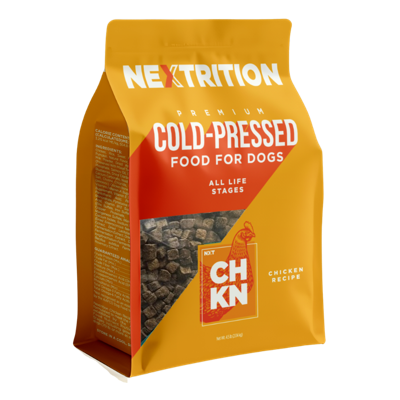
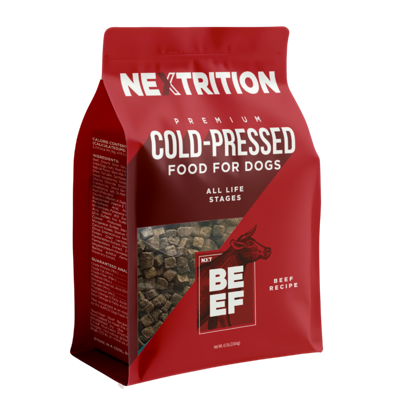
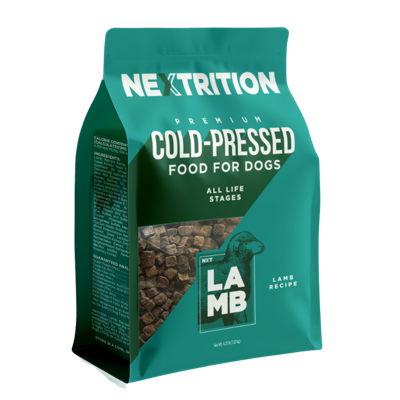
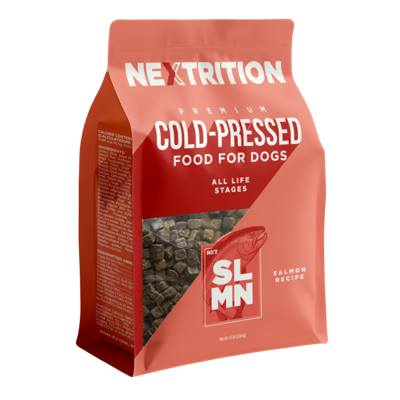
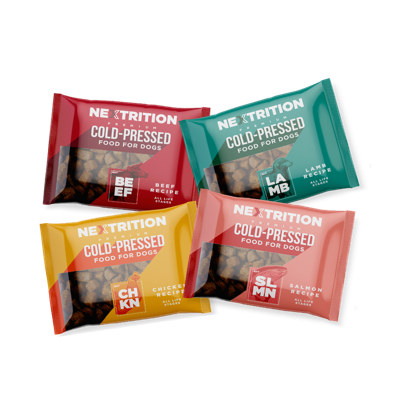
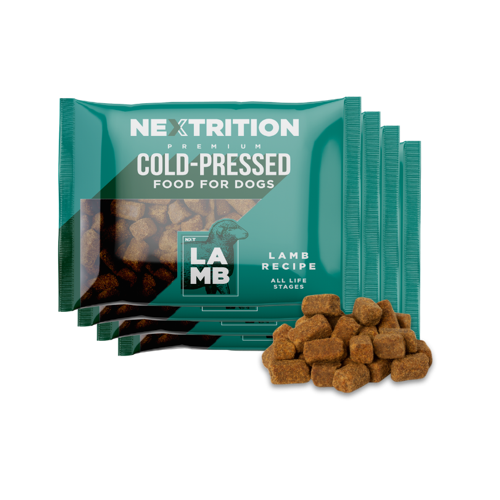
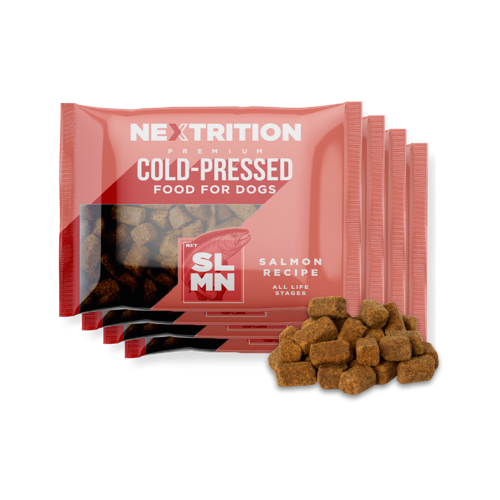
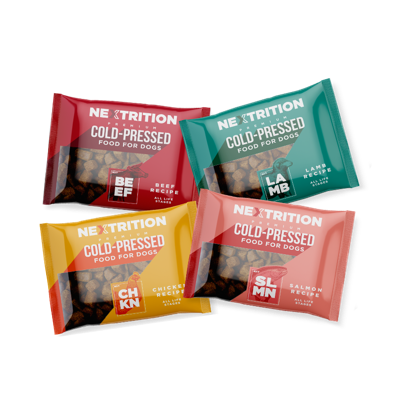
This is where our cold-pressed approach can make sense. Nextrition is made at 3x lower temperatures, which helps preserve nutrients, and that matters to owners who care about digestive support and gut health. We use real meat, fruits, and vegetables in four recipes: lamb, chicken, salmon, and beef, with natural ingredients and Rocky Mountain waters.
That’s not a medical diagnosis. It’s a feeding philosophy.
If your dog seems sensitive rather than truly allergic, a personalized meal plan can also reduce the usual guessing. Better to start from a clear plan than bounce from bag to bag every ten days.
What to Do if Food Allergy Is a Real Possibility
If allergy is on the table, don’t get cute with the diet.
Premium, grain-free, and limited-ingredient do not automatically mean allergy-safe. And rotating three proteins at once because you’re “covering your bases” usually does the opposite. It buries the signal.
The smarter move is straightforward:
- work with your vet on a proper elimination diet
- stay strict with treats, chews, toppers, flavored meds, and scraps
- don’t assume improvement after a few days means you’ve solved it
- confirm the trigger properly before building a long-term plan
True food allergy can react to very small amounts. Casual exceptions can undo weeks of progress. That part frustrates people, but it’s also where the real answers come from.
Once a trigger is confirmed, long-term management is mostly about consistent avoidance. After that, if your dog is not allergic to a certain protein, whole-food options can become relevant again. Some owners do well settling into one everyday recipe, like lamb or salmon, instead of constantly rotating.
Supportive nutrition matters. Accurate identification comes first.
The Gut Health Perspective That Changes How You Feed
Even though digestive sensitivity and food allergy are different, they both point to the same deeper truth: the gut is central.
Around 70% of a dog’s immune system resides in the gut. So stool quality isn’t just about cleanup. It connects to immune resilience, skin comfort, appetite, and how your dog feels day to day.
That’s the shift we want owners to make. Stop treating stool, itch, ears, and coat as unrelated incidents. Start reading them as one system giving feedback.
A better way to evaluate food
Instead of asking only, “Did this ingredient cause a reaction?” ask:
- how are the stools after a full week?
- is gas settling down?
- is appetite steady?
- are ears calmer or still cycling?
- is coat quality holding up?
- is your dog more comfortable overall?
A gentle food philosophy fits here. Real meat. Natural fruits and vegetables. Lower-temperature cold pressing that preserves more of what you put in. Not hype. Just a more thoughtful match for owners who care about digestion and whole-body wellbeing.
Common Mistakes That Keep Dogs Stuck in the Cycle
Most mistakes here come from trying too hard to help. We don’t say that critically. We say it because nearly every dog parent in this situation has done some version of it.
A few patterns keep showing up:
- switching foods too quickly to see a real pattern
- labeling every upset stomach as an allergy
- blaming food for every itchy flare when environmental triggers may be driving it
- forgetting that treats, chews, supplements, and flavored medications count
- assuming a premium food is automatically safe
- using broad internet allergy tests instead of a real elimination trial
- ignoring the difference between a dog who reacts after repeated exposure and one who got sick after one rich snack
The hard part is that these mistakes feel proactive in the moment. They feel like action. But more action is not always more clarity.
When everything changes at once, nothing can be interpreted.
When Your Dog Needs Veterinary Help Sooner Rather Than Later
Some patterns are worth watching at home. Others need help sooner.
Call your veterinarian if you’re seeing any of the following:
- persistent vomiting or diarrhea
- ongoing gas, weight loss, or lethargy
- chronic non-seasonal itching
- repeated foot chewing
- recurrent ear infections
- repeated skin flare-ups
- facial swelling or hives after eating
- symptoms that keep cycling even after you simplify the diet
The key point here is simple: a vet isn’t the last stop after months of guessing. If the pattern is becoming chronic, they’re usually the fastest route to an answer.
Conclusion
The core distinction in dog sensitive stomach vs food allergy is this: a sensitive stomach usually points to digestive intolerance, irritation, or simple gut sensitivity, while a food allergy involves the immune system and often shows up through the skin, ears, or both.
That difference changes what you should do next. Not every symptom belongs to the same category. And not every reaction should send you into a full food overhaul.
The better move is calmer pattern recognition. Track the stool. Track the itch. Track the ears, paws, appetite, energy, and timing. If allergy looks possible, work with your veterinarian and do the trial properly. If sensitivity seems more likely, commit to a consistent, gut-supportive feeding approach long enough to actually learn something.
Once the pattern is clearer, staying consistent gets easier. And if you want a cleaner starting point, our personalized Nextrition meal plan can help take some of the guesswork out, whether you prefer a one-time order or regular subscription delivery. For a lot of dog parents, the biggest relief isn’t finding a miracle ingredient. It’s finally having a plan that makes sense.


