




Cold pressed vs air dried dog food sounds simple, but a lot of people get stuck on the label and miss what actually changes in the bowl. If your dog has touchy digestion, patchy stools, or starts strong then loses interest, that matters fast.
What counts in real life is how the food is made, what goes into it, and how your dog handles it day after day. We don't need hype here. You need something your dog can eat happily and do well on. Start with these:
- Whether the food is gently made or just sold that way
- How real meat, fruits, and vegetables show up on the label
- What your dog's stool, appetite, and coat tell you after a few weeks
The Short Answer: Which One Is Healthier?
If you're comparing cold pressed vs air dried dog food, the honest answer is this: neither one wins just because the label sounds premium. The healthier choice depends on the full recipe, how gently it's processed, and how your dog actually does on it.
Both formats are generally gentler than traditional extruded kibble, which is usually made with much higher heat and steam. That matters. Once you start cooking ingredients hard, you change more than texture.
Here's the practical read:
- Cold pressed often stands out for owners who care most about lower-temperature processing, nutrient preservation, and digestive support.
- Air dried can also be a strong option, especially when the ingredients are excellent and the method is truly gentle.
- The best food is the one your dog thrives on consistently, not the one with the most polished packaging.
Premium processing helps, but it can't rescue a weak formula.
If your priorities are gut health, immune support, skin, coat, and steady everyday feeding, cold pressed usually deserves a very close look.
Why This Comparison Matters to Health-Conscious Dog Owners
A lot of dog food marketing is built to blur real differences. Cold pressed and air dried can sit on the same shelf, use the same premium language, and still behave very differently in the bowl and in your dog's body.
Most of the owners we talk to aren't just trying to upgrade from cheap kibble because it feels nice. They're trying to fix something real. Loose stools. Gassiness by the second afternoon. A dog that eats one meal eagerly and sniffs at the next. Dry skin. Dull coat. Energy that's just a little off.
Lower-temperature processing matters because heat affects delicate nutrients, flavor compounds, and the natural character of ingredients. That doesn't mean every low-temp food is great. It means the method deserves attention.
This comparison becomes especially useful if your dog has:
- a sensitive stomach
- inconsistent stool quality
- a fussy appetite
- skin or coat issues that may be tied to diet
- a need for a cleaner, more whole-food routine than conventional kibble offers
The better question isn't which label sounds more advanced. It's which food supports your dog on ordinary days, meal after meal.
What Cold-Pressed Dog Food Actually Is
Cold-pressed dog food is made by blending ingredients and pressing them into bite-sized pieces using lower temperatures and pressure, instead of the high-heat steam-heavy extrusion used for standard kibble.
Cold pressed doesn't mean raw. It also doesn't mean no heat. That's a common misunderstanding. It means the food is made more gently.
In broader research and category references, cold pressing is often described in a range of roughly 40 to 80 degrees Celsius, which is about three times lower than conventional kibble production. That preservers a lot more nutrients in the food.
You can usually spot cold-pressed food pretty quickly. The pieces tend to be compact and dense rather than puffed up like extruded kibble. Less airy. More substance.
Why owners seek it out is pretty straightforward:
- lower-temperature production
- less industrial feel than standard kibble
- the belief that more of the original ingredient value and taste is preserved
- a format that's still dry, convenient, and easy to feed daily
We've found that once owners understand the process, the appeal becomes less about trend and more about control. They want food that's dry and practical without being cooked into something unrecognizable.
What Air-Dried Dog Food Actually Is
Air-dried dog food is made by removing moisture slowly with circulating warm air until the food becomes shelf stable. It starts with blended ingredients, often meat, fruits, and vegetables, then relies on dehydration rather than pressing.
That process sounds simple, but the details matter. Air drying generally uses low to moderate heat over a longer stretch of time. Some sources place it around 35 to 70 degrees Celsius, while some brand processes can run much hotter in drying chambers. That's where broad category claims can get slippery.
The finished food is usually different from cold pressed in a noticeable way. Air-dried pieces may be softer, chewier, or more jerky-like depending on the recipe and method.
That texture is a big part of the appeal. For many buyers, air-dried sits in the middle ground between raw and kibble:
- shelf stable
- no freezer or fridge required
- often meat-forward in feel and aroma
- less processed-looking than conventional kibble
It's a legitimate premium format. But air dried isn't one single method with one predictable outcome. Some products are genuinely gentle. Others use the language more loosely than you'd expect.

Cold Pressed vs Air Dried Dog Food: How the Processing Methods Differ
This is where the comparison gets practical. Both are gentler than extrusion, but they are not the same thing.
Cold pressed
With cold pressed food, ingredients are ground, blended, and mechanically pressed into shape. The goal is to form a complete piece of food while avoiding the high heat and steam used in standard kibble manufacturing.
You typically get:
- compact pellets
- low-temperature production
- a dry food that stays easy to portion and store
Air dried
With air-dried food, the ingredients are blended and then dried over time with warm circulating air. The main job here is moisture removal. That drying step is what creates shelf stability.
You often get:
- softer or chewier pieces
- a denser, sometimes meatier feel
- a process that depends more on time and airflow than pressing
Here's the clean distinction: cold pressing shapes the food under lower heat, while air drying removes moisture over time.
They may both sound gentle, and compared with kibble they usually are. But from a nutrition and feeding standpoint, they shouldn't be treated as interchangeable.

What Lower Temperatures Can Mean for Nutrient Retention
This is the core appeal behind both formats. Gentler heat may help preserve more of the natural nutritional value and flavor of ingredients than aggressive high-heat kibble processing.
That matters because high heat can affect certain vitamins, amino acids, and flavor compounds. Once you push ingredients too hard, some of the original value has to be rebuilt later through added nutrients. That's common in pet food. It's also one reason many owners start looking beyond standard kibble.
Still, air dried vs cold pressed nutrition isn't as simple as saying lower temperature always means better nutrition. Final nutrient levels also depend on:
- ingredient quality
- how the recipe is formulated
- what happens before processing
- whether nutrients are added back after processing
Cold pressing is often chosen specifically because the temperatures are especially low. Air drying can also preserve nutrients better than extrusion, but methods vary a lot by brand. That's the part many comparison articles skip.
A good rule: don't just ask which method sounds gentler. Ask what ingredients are being protected, and how transparent is the brand about the process?
Digestibility, Gut Health, and Why This Is the Deciding Factor for Many Dogs
Most owners don't notice nutrient theory first. They notice the poop. Then the appetite. Then whether their dog seems comfortable after meals.
That's why digestibility is such a big part of the cold pressed vs air dried dog food conversation. If a food looks beautiful on paper but leaves your dog bloated, gassy, or inconsistent, the paper doesn't matter much.
Gut health carries extra weight because a large share of the immune system is associated with the gut. So when digestion is off, the effects don't always stay in the digestive tract. You may see it in skin, coat, energy, or resilience.
Research around digestibility is mixed, and it should be treated carefully. Some cold-pressed manufacturers position their food as easier to break down than traditional kibble. In broader studies, digestibility can depend heavily on the ingredients used, especially starch sources and whether anything was pre-cooked. Processing method matters, but it doesn't make guarantees.
What we tell owners is simple:
- Watch stool quality for a few weeks, not two meals.
- Notice appetite consistency, not just day-one excitement.
- Pay attention to whether meals seem to sit lightly or heavily.
- Look for steadiness. Good food usually shows up as less drama.
Our view is that cold-pressed formulas built around real meat, fruits, vegetables, and a whole-food approach tend to align well with owners prioritizing digestive ease and immune support. Not because the label says so. Because the dog often tells you fairly quickly.
Ingredient Quality Matters as Much as the Processing Method
A premium-looking food doesn't become healthy just because it's cold pressed or air dried. If the formula is weak, the process won't save it.
This is where smart buyers separate themselves from hopeful buyers. Look at the recipe itself.
A useful checklist includes:
- Named animal proteins, not vague meat terms
- Whole-food ingredients like fruits and vegetables
- Natural ingredient profile
- Complete and balanced daily nutrition
- Clear sourcing or manufacturing transparency
If you're feeding for skin, coat, digestion, and stable energy, ingredient quality matters every bit as much as process.
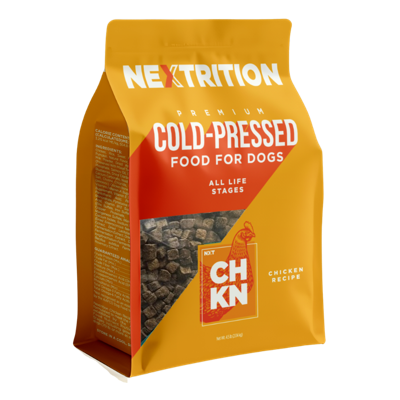
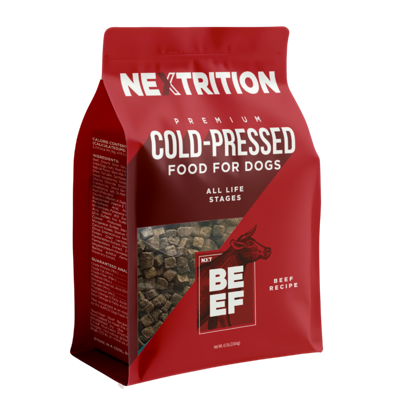
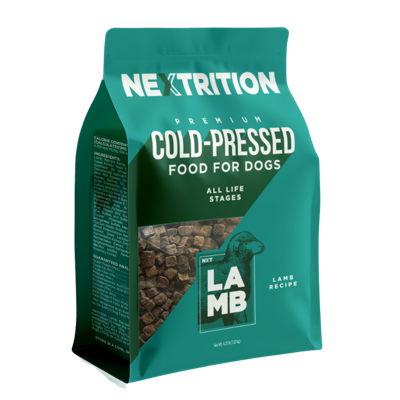
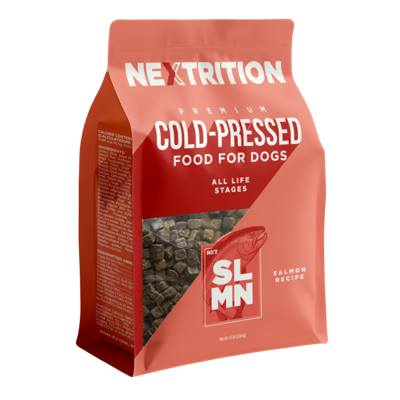
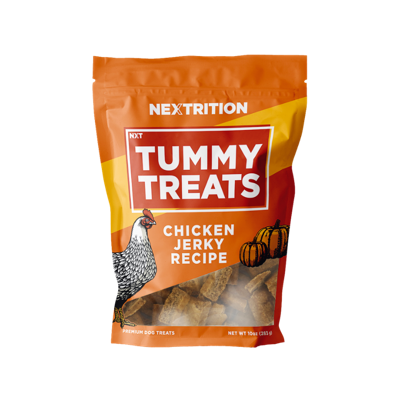
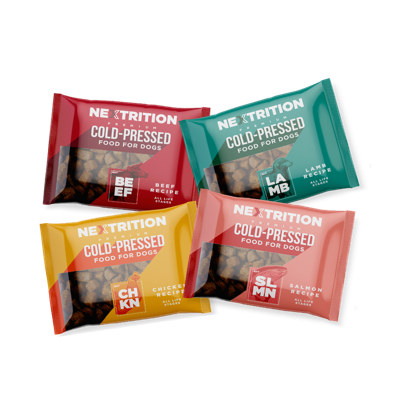
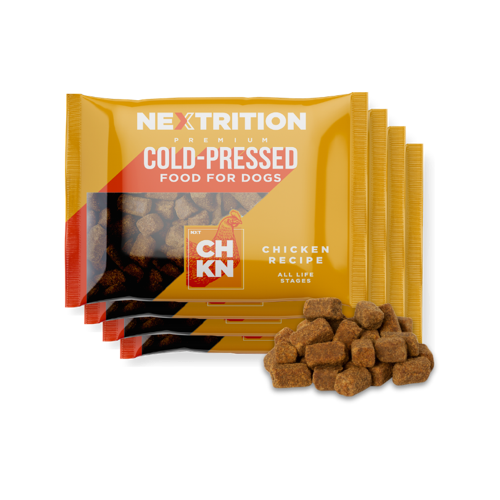
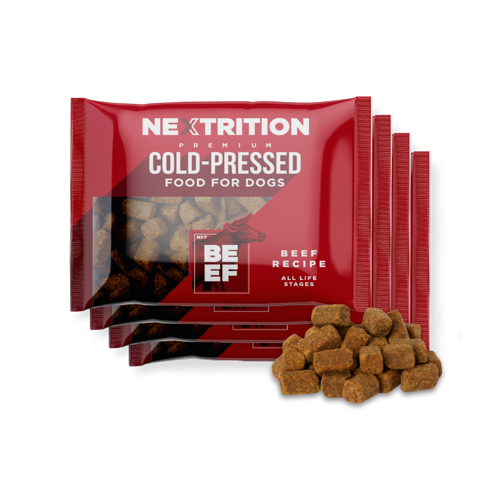
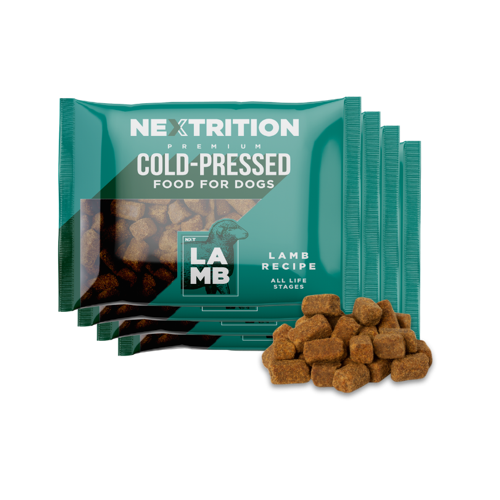
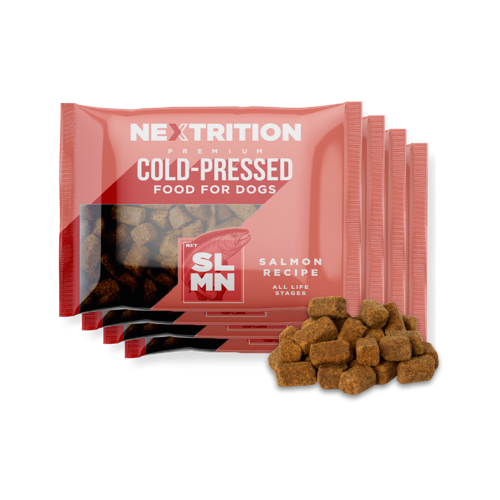
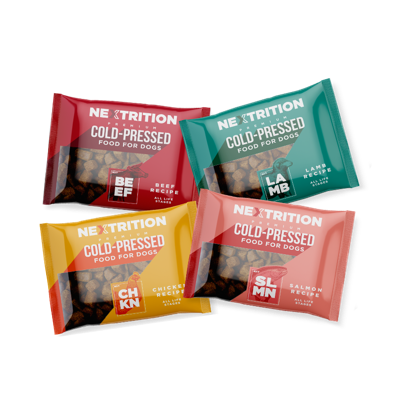
For example, if you're reviewing a cold-pressed recipe, we'd want to see exactly the kind of things we build around ourselves: real meat, natural ingredients, fruits and veggies, and clear protein options such as lamb, chicken, salmon, and beef. That's not a sales point. That's the checklist.
The label should answer questions. If it mostly creates mood, keep moving.
Texture, Palatability, and Everyday Feeding Experience
This part gets underestimated all the time. Food can be nutritionally sound and still be a poor daily fit if your dog doesn't enjoy the texture or you hate feeding it.
Cold-pressed foods are usually crunchy and compact. Air-dried foods are often softer or chewier. That difference changes the experience more than people expect.
A few real-world examples:
- Picky eaters may respond better to a stronger natural aroma or softer texture.
- Small dogs may do better with pieces that are easy to bite cleanly.
- Seniors sometimes prefer less resistance.
- Some dogs just like crunch. Others don't.
Lower-temperature methods can help preserve more natural smell and taste than heavily processed kibble, which is one reason both formats often feel more appealing in the bowl.
Ask yourself practical questions:
- Does your dog eat it consistently?
- Is portioning simple?
- Does the texture match your dog's chewing habits?
- Can you use it easily for travel, training, or mixed feeding?
A feeding routine has to work on Tuesday morning too, not just on comparison charts.
Which Option Makes More Sense for Different Types of Dogs
There isn't one answer for every dog. But some patterns are pretty reliable.
Cold pressed may make more sense for:
- dogs transitioning away from traditional kibble
- owners who specifically want lower-temperature processing
- dogs with sensitive digestion where simplicity matters
- households that want a dry, shelf-stable food with a whole-food feel
Air dried may make more sense for:
- dogs that love softer, meatier textures
- owners who want something closer in feel to dehydrated whole food
- dogs that do well on richer, highly palatable formats
Some dogs will do beautifully on either. That's true. But if you're trying to reduce digestive friction and keep an easy daily routine, cold pressed often feels more practical long term.
The best fit still comes down to your dog's response, taste preferences, and the quality of the specific recipe.
Cost, Value, and What You Are Really Paying For
Premium dog food costs more for real reasons. Real meat costs more. Whole-food ingredients cost more. Smaller-batch premium production costs more. Gentler processing isn't free either.
Air-dried foods are often priced at the very top of the market because drying can be time-intensive and the formulas can be ingredient-dense. For some owners, that's worth it. For others, it becomes hard to sustain every month.
Cold pressed often lands in a useful middle ground. More premium and gentler than standard kibble, but often more realistic for daily feeding than some ultra-premium formats.
Value isn't just bag price. Look at:
- ingredient quality
- digestive results
- whether your dog actually wants to eat it
- how sustainable the routine is over time
This is also where support matters. A personalized meal plan and flexible one-time or subscription delivery can make a premium cold-pressed routine much easier to stick with, especially when you're dialing in portions for your dog's size and needs.
How to Compare Labels Without Getting Misled by Marketing
If you're shopping carefully, you need a tighter filter than "sounds natural."
Use this checklist:
- How is the food processed?
- Does the brand share temperature details clearly?
- What are the first several ingredients?
- Are there real meat, fruits, and vegetables?
- Is the formula complete and balanced?
- Does the brand explain how the method supports digestion or nutrient preservation?
- Is there feeding guidance or transition support?
A few assumptions to drop right now:
- Air dried is not automatically raw-like.
- Cold pressed is not automatically better if the recipe is weak.
- Natural-sounding words are not proof of nutritional quality.
The better questions are boring, which is exactly why they work. What ingredients are used? How much heat is involved? Is this a full daily food or more of a topper-style product? How do they help you transition your dog well?
Good brands make the answers easy to find. If you have to dig through vague language to understand the food, that's information too.
When Cold-Pressed Food May Be the Better Fit for a Health-First Household
For a health-first household, cold pressed can be the better fit when you want a dry food made at significantly lower temperatures than traditional kibble, with a whole-food ingredient profile and a routine built around digestive support.
That usually means you care about:
- real meat and produce, not just nutrient numbers
- gut health as part of immune support
- everyday convenience without falling back to heavily processed kibble
- a food you can feed consistently and confidently
This is where our own approach fits naturally for the right dog. We make cold-pressed recipes in lamb, chicken, salmon, and beef, using natural ingredients and Rocky Mountain waters. We also help owners build a personalized meal plan, with one-time orders or subscription delivery depending on how they like to feed.
Still, cold pressed isn't the only healthy answer. It may simply be the clearest fit if your priorities are gentle processing, whole-food nutrition, and digestive steadiness.
The healthiest food is the one your dog digests well, enjoys consistently, and can stay on successfully.
Common Questions Readers Still Have Before They Switch
A few questions come up every time.
Is cold-pressed dog food raw?
No. Cold pressed uses lower temperatures than kibble, but it is not raw.
Is air-dried dog food always healthier than kibble?
Not automatically. It can be gentler than kibble, but quality still depends on the actual recipe and formulation.
Does lower temperature automatically mean better digestion?
No. Lower temperature may help preserve ingredients, but digestion depends on the full food and on your individual dog.
Which is better for sensitive stomachs?
There isn't a universal answer. Start with the ingredient list, then evaluate your dog's response during a gradual transition.
Can you switch directly from kibble to cold pressed or air dried?
It's better to transition slowly. Watch stools, appetite, and comfort over the first couple of weeks.
Is one better for skin and coat?
Usually that comes back to overall ingredient quality, fat profile, and steady digestion, not processing alone.
Conclusion
The real takeaway on cold pressed vs air dried dog food is simple: this isn't a contest of labels. It's a question of how gently the food is made, what ingredients it starts with, and how your dog responds once it becomes part of daily life.
Both can be meaningful upgrades from traditional kibble. Cold pressing offers especially low-temperature processing and often makes the strongest case for owners focused on nutrient preservation, gut support, and whole-food simplicity. Air-dried foods can also be excellent, but the methods and value can vary more than the label suggests.
So compare the process. Read the ingredient list. Think about texture, digestibility, and whether the routine actually fits your household.
If cold pressed lines up with what you want, the next practical step is to explore a personalized plan built around your dog's size, needs, and preferred protein. That's usually where the decision gets easier. Once the bowl starts giving you answers, the marketing gets a lot quieter.


