




Dog food with real meat and vegetables sounds easy to shop for, but you can waste a lot of money on bags that talk big and deliver very little. Most people get distracted by pretty packaging and vague ingredient claims.
What matters is simple. Named meat up front. Vegetables you can recognize. Gentler processing, because your dog has to live with the results (not the marketing).
We've already cut this down to the few options that earned a spot. These are the ones worth your attention.
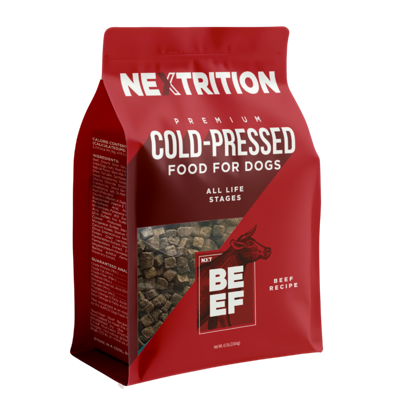
1. All-Natural Beef Recipe

Pros
- Real beef with fruits and veggies
- Cold-pressed for easier digestion
- Nutrient-dense, compact bag size
- Shelf-stable with fresh-like appeal
- Includes gut-healthy nutrient support
Cons
- Pricier than basic dry food
- Texture may not suit all dogs
- Less convenient than standard kibble
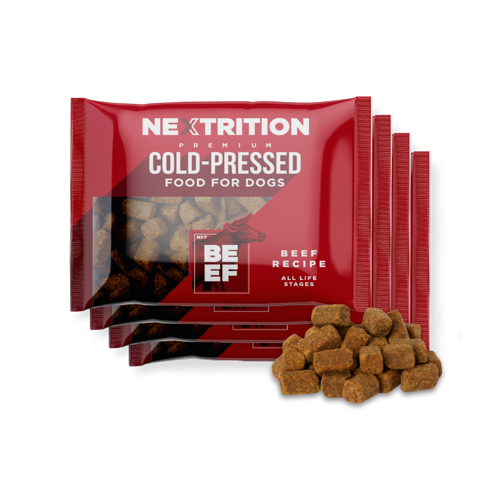
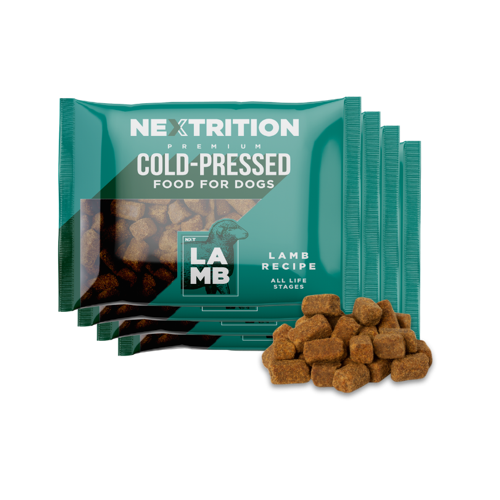
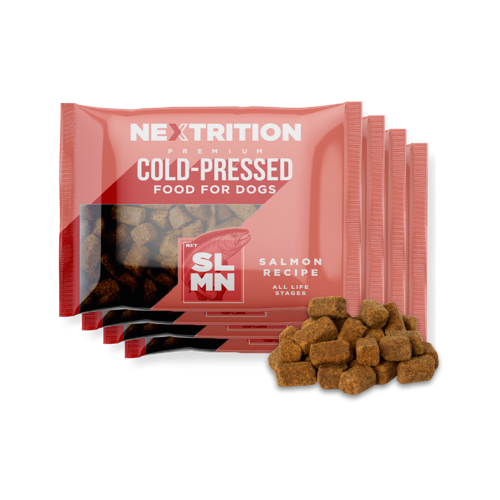
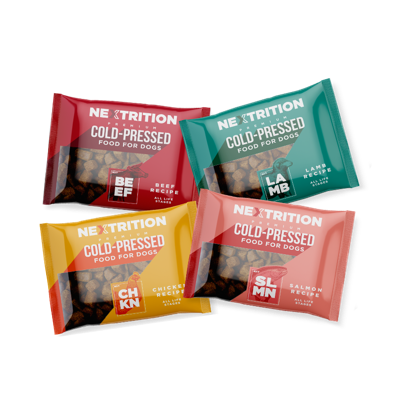
If your priority is dog food with real meat and vegetables that’s formulated for better digestibility and concentrated nutrition, Nextrition All-Natural Beef Recipe is a perfect fit. It’s aimed at owners who want named, whole-food ingredients but prefer a shelf-stable, nutrient-dense option that still feels closer to fresh than conventional kibble.
This option is a good match when:
- You want real beef as the primary protein and visible, meaningful inclusions of fruits, vegetables, and premium grains to support overall health.
- Digestibility and gut support matter — the recipe includes gut-healthy nutrients and is processed to be more digestible than standard dry kibble.
- You value nutrient density and convenience — the formula cold-presses over 12 lbs. of whole fresh ingredients down into a compact, 4.5 lb bag, so you’re getting concentrated nutrition without freezer planning.
The cold-pressed approach preserves more of the original ingredient profile than high-heat extrusion, which can help dogs with sensitive digestion adapt more easily. The smaller, nutrient-packed bag also fits households that want higher-quality feeding without switching entirely to fresh-frozen routines.
Compared with other premium options, All-Natural Beef Recipe sits between fresh-feeding and traditional kibble: it delivers whole-food ingredients and gut-focused formulation while staying convenient for everyday use. That balance is useful for busy owners who want real-meat recipes but aren’t ready to manage frequent thawing or fresh storage.
There are tradeoffs to consider. Highly concentrated, premium formulas can be pricier per pound than basic dry food, and some dogs may prefer the texture of fresh or canned meals. As always, the best choice is the one you’ll feed consistently — All-Natural Beef Recipe works best when its format and feeding routine match your household’s habits.
2. JustFoodForDogs

Pros
- Whole meat and vegetable focus
- Fresh, shelf-stable, and custom options
- Strong ingredient visibility
- Helpful for allergy-focused feeding
- Closer to real-meal feeding
Cons
- Requires more storage planning
- Typically costs more than dry food
- Less convenient than standard kibble
If you’re searching for dog food with real meat and vegetables because you want ingredients you can actually recognize, JustFoodForDogs is the most obvious fit on this shortlist. It lines up well with owners who are trying to move away from the usual dry-food pattern and toward something that feels closer to real meals.
This option makes the most sense for a few specific households:
- You care a lot about whole ingredient dog food and want named meats and visible vegetable ingredients to be part of the point, not just a line on the bag.
- Your dog may need a more individualized approach because of allergies, sensitivities, or digestion issues.
- You want flexibility across fresh frozen, shelf-stable, and custom feeding paths instead of being locked into one format.
That last point matters more than people think. Format becomes part of the feeding routine fast. A food can look great on paper and still be a poor fit if your freezer is already full, your travel schedule is messy, or everyone in the house feeds the dog a little differently.
JustFoodForDogs stands out here because it’s directly associated with whole meat and vegetable ingredients. For readers specifically looking for real ingredient dog food, that matters. It doesn’t just sit in the broad premium category and hope the label does the work. The food format itself is part of the appeal.
There’s also a practical advantage in the range. Fresh frozen is the clearest expression of the brand’s approach, but the shelf-stable options give some room for normal life. That middle ground is useful. A lot of owners want fresher feeding in theory, then realize by the second week that convenience still counts. It always does.
The custom pet food pathway is another meaningful differentiator if your dog has allergy concerns. Not every dog needs that level of tailoring, but when you do need it, generic “sensitive” formulas can feel blunt.
Compared with Hill’s Science Diet, JustFoodForDogs is less about familiar dry-food habits and more about ingredient visibility and freshness. If your definition of premium dog food ingredients includes not only what goes into the formula but also how food is prepared and presented, this option has a clearer argument.
Still, there are tradeoffs.
Fresh-oriented feeding asks more from you. You need to think about storage, planning, and cost with more discipline than you would with a conventional dry-food routine. For some homes, that’s completely worth it. For others, it starts strong and fades once the routine gets busy.
The best food is the one you’ll feed well every day, not the one that feels ideal for four days.
For health-conscious owners who want food that looks and feels like whole-food feeding, JustFoodForDogs earns its place. But it works best when your lifestyle can support the format, not just your standards.

3. Hill’s Science Diet
Pros
- Established, science-forward brand reputation
- Easy storage and daily portioning
- Broad line across life stages
- Familiar dry-food routine for households
- Some formulas avoid corn, wheat, soy
Cons
- Less aligned with fresh whole-food feeding
- Ingredient quality varies by formula
- More processed than fresh options
Hill’s Science Diet sits on the other side of this decision. It’s the more conventional option, and for plenty of dog owners, that isn’t a compromise. It’s the point.
This is the better fit if you want a recognized dog food line, prefer a dry-food routine, and still care about ingredient quality enough to look beyond the cheapest shelf options. Some owners don’t want to rebuild feeding from the ground up. They just want a smarter version of what already works in their house.
That’s where Hill’s Science Diet tends to land well:
- You want a familiar, established brand with a strong science-forward reputation.
- You need easy storage, simple portioning, and a routine everyone can follow.
- You’re looking for meat-and-vegetable recipe options within a more mainstream buying experience.
There’s a reason established dry food continues to hold ground even among ingredient-conscious buyers. Routine is powerful. Dry food is easy to store, easier to portion consistently, and easier to keep steady during travel or schedule changes. A lot of digestive problems don’t start with ingredients alone. They start when feeding gets inconsistent.
Hill’s Science Diet also brings range. The research references the core dog food line, Science Diet dog food, Adult Original Dry, and an Adult No Corn, Wheat, Soy Dry option. That matters for owners who want to compare within one product family rather than jumping between brands and formats every time their dog’s needs change.
Where it differs from JustFoodForDogs is pretty straightforward. Hill’s is more adoptable for households used to standard dry feeding. It asks for less change. That can be a real advantage. A good plan you’ll stick with usually beats an ambitious one you won’t.
But if you’re specifically searching for whole ingredient dog food in a fresh or minimally processed sense, Hill’s is less aligned with that goal based on the shortlist evidence. It belongs in this conversation because it may offer meat-and-vegetable formulas inside an established line, not because it leads with whole-food presentation.
That distinction is worth keeping clean. “Premium” gets blurry fast when every label sounds careful and wholesome.
Ingredient-conscious buyers should still inspect specific formulas closely. Don’t assume the entire line delivers the same ingredient profile just because the brand is well known. Experienced owners learn this quickly. Brand trust can get you onto the right shelf, but the actual recipe still decides the result.
For a household that wants real ingredient dog food without leaving the dry-food lane, Hill’s Science Diet is the steadier path. It’s not trying to be a fresh-feeding brand. For some dogs and some homes, that honesty is useful.

How to Choose the Right Dog Food With Real Meat and Vegetables
Choosing between options gets easier once you stop treating “real meat and vegetables” like a slogan. It needs to mean something concrete in the bowl.
Start there.
Named animal protein should be easy to spot. Recognizable produce ingredients should also be there for a reason, not just to decorate the package. And the formula has to fit your dog’s life stage, digestion, and tolerance. A beautiful ingredient list that doesn’t sit well with your dog is still the wrong food.
Here’s the filter we’d use:
- Protein clarity: Look for named proteins, not vague meat language.
- Produce that’s identifiable: Real vegetables and other whole-food inclusions should be obvious.
- Fit for the dog in front of you: Age, stool quality, skin, coat, and sensitivity history matter more than trend language.
- Format realism: Fresh, shelf-stable, dry, or cold-pressed all ask different things from your routine.
Food format deserves more attention than most buyers give it. Fresh styles often appeal to owners who want the strongest whole-food signal and more visible ingredients. Dry formats usually win on storage, travel, budget predictability, and easy handoff between family members. Shelf-stable options can bridge that gap better than many people expect.
Then decide what kind of premium actually matters most to you. That answer is personal, and it changes the shortlist fast.
Four different versions of “premium”
Some owners mean freshness. Others mean research-backed consistency. Others want customization for allergies or ingredient exclusions like no corn, wheat, or soy. Those are not the same priority, even if they all sit under the premium label.
If you value:
- Whole-food presentation and freshness, you’ll lean toward JustFoodForDogs.
- Science-led familiarity and a stable dry routine, Hill’s Science Diet fits better.
- Customization for sensitivities, JustFoodForDogs has more obvious relevance.
- Conventional convenience with ingredient intent, Hill’s is easier to live with.
The cleanest way to narrow the choice is by using tradeoffs instead of ideals. Convenience versus freshness. Mainstream consistency versus individualized feeding. A routine you already know versus one that may suit your values better but takes more work.
That’s the real decision. Not the front-of-bag promise.
What Premium Dog Food Ingredients Actually Matter
Health-conscious owners usually aren’t fooled by shiny packaging for long. The harder part is knowing what to focus on once you start reading closely.
For us, premium dog food ingredients start with three basics:
- Named proteins you can identify clearly
- Recognizable vegetables and whole-food inclusions
- Formula transparency that goes beyond lifestyle language
That sounds simple, but this is where a lot of products drift into fog. “Natural,” “premium,” and “real” can all appear on a label without telling you much about the daily feeding experience. You still need to ask whether the formula makes sense for digestion, energy, skin, coat, and consistency in the bowl.
Processing style belongs in this conversation too. It’s not separate from ingredients. It affects how owners think about quality, digestibility, and nutrient handling.
Fresh and minimally processed formats naturally attract people looking for whole ingredient dog food. That’s understandable. The ingredients often feel easier to trust because they’re easier to recognize. More conventional processing can still work well, especially when routine consistency matters, but it’s a different value proposition.
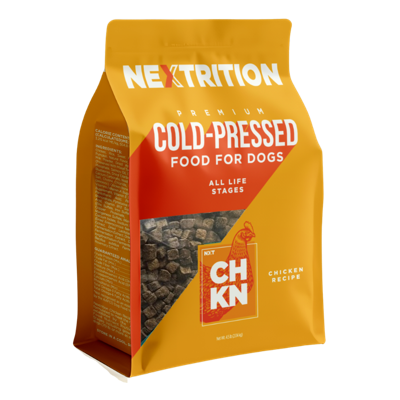
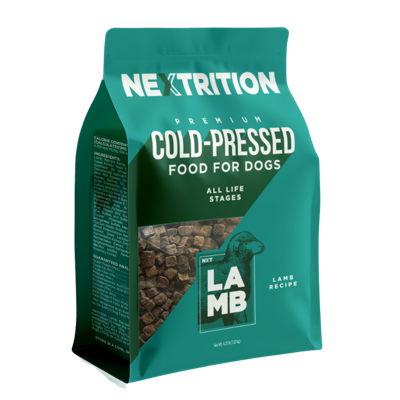
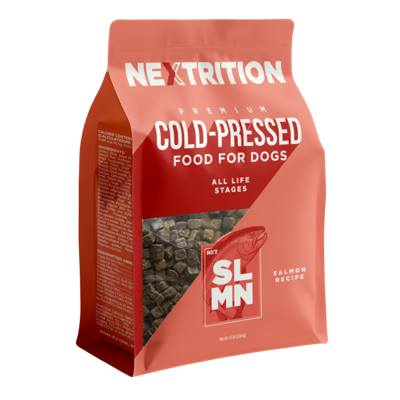
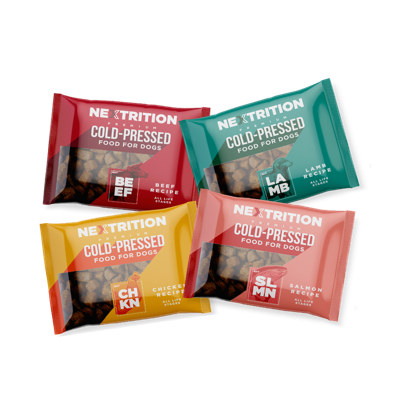
At Nextrition, we’ve always looked at this through the practical lens. Ingredient quality matters, but so does what processing does to that ingredient quality. That’s why we cold-press at three times lower temperatures than traditional methods, using real meat, fruits, vegetables, and Rocky Mountain water. The goal isn’t marketing theater. It’s to preserve more of what made the ingredients worth choosing in the first place, especially for digestive health, where a lot of immune support begins.
Ingredient quality doesn’t end at sourcing. Processing can either respect the formula or flatten it.
That’s also why “real ingredient dog food” should signal more than a pretty ingredient panel. It should point to a feeding approach that supports comfort, stool quality, skin, coat, and daily wellness in a way you can actually observe after a few weeks.
The same goes for all natural premium dog food. Treat that phrase carefully. It’s only useful when it connects to identifiable ingredients, an appropriate formula, and a format that matches your dog’s needs. Otherwise it’s just expensive vocabulary.
Fresh vs Dry Real Ingredient Dog Food for Different Dogs and Households
This part is usually where the decision gets honest. Fresh and dry can both make sense. The better choice depends on your dog, your home, and how much change you’re realistically willing to manage.
Fresh-style feeding often fits best when ingredient visibility is a top priority. If you want food built around obvious meat and vegetable ingredients, or you’re dealing with allergy-related needs that push you toward more individualized feeding, fresh has a stronger pull. It can also feel more reassuring for owners who want their dog’s meals to look closer to food than pellets.
But fresh asks for cooperation from your household. Storage matters. Timing matters. Transitions matter. If any of that tends to slip, the feeding plan can get messy fast.
Dry food earns its place for a reason. It’s easier to portion, easier to store, and easier to keep consistent across busy days, travel, and shared routines. For dogs already doing well on dry food, upgrading ingredient quality within that format is often smarter than changing everything at once.
Here are the questions that usually make the choice clearer:
Ask these before you switch
- Do you need customization, or do you just need a better everyday formula?
- Is your top priority whole-food appeal, or do you need routine simplicity?
- Will your household actually manage a less conventional format well?
- Is your dog stable on dry food and simply ready for an ingredient upgrade?
On this shortlist, the mapping is pretty clean. JustFoodForDogs suits readers leaning toward fresh, whole-food, or customized feeding. Hill’s Science Diet fits readers who want a more traditional, established dry-food path.
There’s also a middle view that often gets missed. Some owners don’t need to choose between “fresh” and “ordinary kibble” as if those are the only two lanes. If you want dog food with real meat and vegetables but still care deeply about digestibility and everyday ease, this is where cold-pressed food can make a lot of sense. It keeps the routine closer to dry feeding while respecting ingredient integrity more than standard high-heat approaches.
That’s a very practical lane for health-conscious owners. Not flashy. Just useful.

Conclusion
If your goal is dog food with real meat and vegetables in the most whole-food, fresh-oriented sense, JustFoodForDogs is the clearer fit on this shortlist. It aligns better with owners who want visible ingredient quality, more format flexibility, and customization options for dogs that need a narrower feeding approach.
Hill’s Science Diet makes more sense if you want an established, research-referenced brand inside a conventional dog food routine. It’s the steadier choice for homes that value familiarity, dry-food convenience, and broad product availability without fully stepping into fresh feeding.
The real decision has less to do with marketing language and more to do with balance. Ingredient style, processing format, convenience, and your dog’s actual day-to-day response all matter. In practice, one strong formula fed consistently usually beats a more impressive option that doesn’t fit your life.
So make the first cut based on format. Decide whether you want a fresh whole ingredient dog food experience or a familiar dry-style routine with stronger ingredient intent. Then compare the formulas that match your dog’s age, sensitivities, digestion, and the way your household actually feeds every day.
That’s how good decisions get made. Not from the bag. From the bowl.


