




Choosing cold pressed vs fresh dog food gets messy fast. You want calmer digestion, firmer stools, and a dog who feels good, but the labels make everything sound simple.
What matters in real life is how your dog does by week 2. For sensitive dogs, digestibility, ingredient quality, and a routine you can keep matter more than trendier packaging.
Start here:
- A fast switch can upset the stomach before the new food gets a fair chance.
- Serving size matters more than most people expect, especially with richer recipes.
- The right pick is the one your dog thrives on every day.
Why This Choice Feels So Important to Dog Parents
If you're weighing cold pressed vs fresh dog food, you're probably not doing it out of curiosity. You're doing it because something feels off. Maybe your dog has inconsistent stools, gets itchy for no clear reason, or seems fine one week and unsettled the next.
We see this a lot. Good dog parents end up stuck between bold promises: fresh, gently cooked, minimally processed, gut-friendly. Every bag and box sounds like the answer. That kind of marketing creates pressure fast.
The real goal is usually much simpler:
- fewer digestive flare-ups
- more predictable stools
- steadier energy
- less skin irritation
- better day-to-day resilience
Gut health matters well beyond the stomach. Roughly 70% of a dog's immune system is tied to the gut, so when digestion is off, it doesn't always stay contained there. It can show up in coat quality, recovery, appetite, and general comfort.
Gut health isn't a trend category. It's where daily health either holds together or starts to fray.
So this comparison isn't about which label sounds cleaner. It's about how food is made, what happens to nutrients along the way, and whether your dog can actually thrive on it over time. That's the part that gets missed.

What Cold Pressed and Fresh Dog Food Actually Mean
Before comparing outcomes, it's worth getting clear on terms. A lot of confusion starts there.
Cold-pressed dog food is a dry food made by mixing ingredients and pressing them into shape at lower temperatures, commonly around 40 to 80°C. That matters because it's very different from standard extruded kibble, which is typically made with much higher heat and pressure, often above 300°F, to cook and expand the food.
Fresh dog food is broader. It usually refers to gently cooked meals with whole-food style ingredients and much higher moisture. Most are refrigerated or frozen. Some arrive ready to serve, others need thawing or cold storage planning.
That distinction matters:
- Cold pressed describes a specific formation method
- Fresh describes a category with several possible cooking and handling methods
They also aren't the same as raw or freeze-dried diets. Raw skips cooking altogether. Freeze-dried removes moisture in a different way and lands in its own category. If you're comparing cold pressed vs fresh cooked dog food, you're looking at two cooked options with very different formats and feeding realities.
And one more thing. Process alone doesn't make a food good. Both cold-pressed and fresh foods can be complete and balanced. Both can also miss the mark if the formula is weak.
How Processing Can Change Nutrients, Digestibility, and Gut Response
This is where the conversation usually gets flattened into slogans. Lower heat good. More cooked bad. That's not how it works in practice.
Heat and pressure can change proteins, starches, vitamins, and other nutrients. Sometimes those changes help. Higher-heat extrusion, for example, can improve starch digestibility through gelatinization and reduce some anti-nutritional compounds found in certain ingredients.
But high heat can also take something away. Some heat-sensitive nutrients, including vitamin C, thiamine, biotin, and lysine, may be reduced or altered during more intense processing. You don't need to be anti-processing to see the tradeoff. There is one.
Milder processing can preserve more of a food's native structure. That's part of why cold pressing appeals to us. At lower temperatures, you have a better chance of protecting nutrients rather than forcing the formula to rebuild them later.
Still, lower heat isn't automatically better in every recipe. If the ingredient mix is poor, gentler handling won't rescue it. We've learned to look at the whole formula, not just the process headline.
The part that actually matters for gut health
Your dog's gut doesn't respond to a label. It responds to the full recipe.
That includes:
- protein sources and how digestible they are
- starch handling and ingredient prep
- fiber types and moisture level
- nutrient balance
- how consistently the same food is fed
A bag can say "gently made" and still not sit well with your dog. A fresh meal can look beautiful in the bowl and still lead to loose stool by the second afternoon. The body is less interested in branding than people are.
What the Research Suggests About Gut Health Outcomes
The honest answer is that direct research comparing cold pressed vs fresh dog food is limited. So most of the useful evidence comes from studies comparing broader diet formats like pressed, fresh, raw, freeze-dried, and extruded foods.
That research still tells us something important. In one controlled comparison of commercial diet formats, mildly cooked fresh and raw-style diets generally showed higher amino acid digestibility and energy availability than one extruded diet. But ingredient differences likely influenced those results, so it would be sloppy to credit format alone.
Across studies in dogs, diet format has been shown to affect quite a bit:
- protein and fat digestibility
- stool quality
- fecal output
- fecal pH
- fermentation byproducts
- microbiota composition
That's useful, but it doesn't hand us a universal winner. In fact, one of the more important nuances gets ignored: fresh was not automatically best across every stool-related measure. Some fresh and extruded diets produced looser stools and lower fecal dry matter than some raw and freeze-dried options.
There's also older work comparing pressed and extruded foods showing that digestibility varied depending on whether starch sources were more gelatinized or stayed more native. That points back to the same lesson. Ingredient handling matters as much as format.
The format sets the conditions. The formula decides a lot of the outcome.
So if you're hoping for a simple research answer that says fresh always wins or pressed always wins, that answer isn't there. Gut health outcomes depend on recipe design, ingredient quality, and your individual dog's tolerance.
Cold Pressed vs Fresh Cooked Dog Food at a Glance
If you're specifically searching cold pressed vs fresh cooked dog food, you probably want a side-by-side view, not a lifestyle pitch. Fair enough.
Here's the practical comparison.
- Moisture and storage: Fresh cooked food has much higher moisture and usually needs refrigeration or freezing. Cold-pressed food is lower moisture and stores more like a pantry staple.
- Processing intensity: Cold pressed is made at lower temperatures than extruded kibble. Fresh cooked food is also gently cooked, but it still involves heat plus cold-chain storage and handling.
- Feeding experience: Fresh often feels closer to serving a homemade meal. Cold pressed gives you a dry format with a more ingredient-conscious approach.
- Daily practicality: Fresh takes more management. Portion packs, fridge space, thawing, travel planning. Cold pressed is easier to measure, store, and feed consistently.
- Routine stability: Some sensitive dogs do best when meals stay very repeatable. That sounds boring until you've cleaned up enough avoidable digestive messes.
- Owner fit: Fresh works best if you're comfortable running a refrigerated feeding system. Cold pressed fits owners who want premium nutrition without turning every meal into a cold-storage project.
Neither option is wrong. But they ask different things of both the dog and the owner.

When Cold-Pressed Food May Be the Better Gut-Health Fit
For many dogs, cold-pressed food lands in a very practical sweet spot. You get a less intense processing method than extrusion, but you keep the convenience of a dry format. That's not a small thing. It often means the food is easier to feed well for months, not just for the first excited week.
Cold pressed can be a strong fit when your dog benefits from:
- consistent portions
- steady meal timing
- less frequent diet switching
- ingredient quality without refrigeration logistics
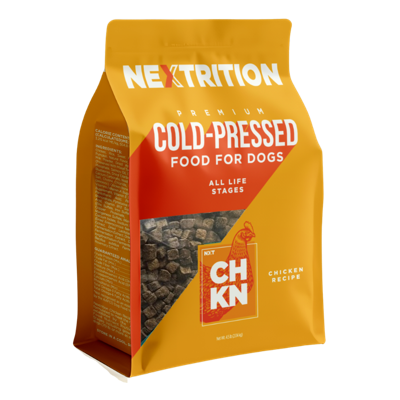
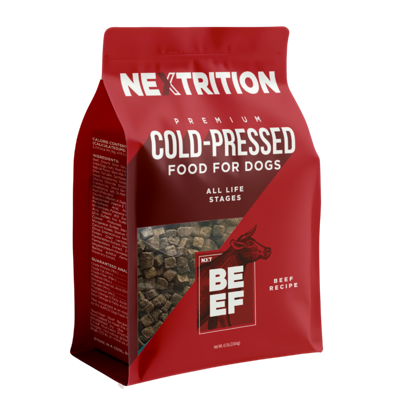
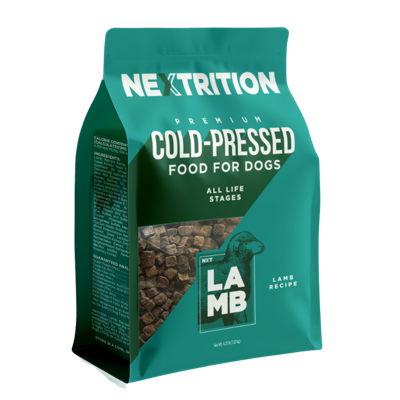
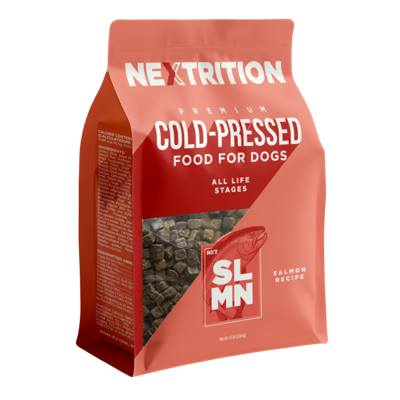
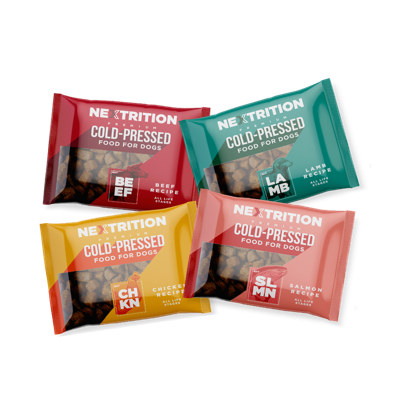
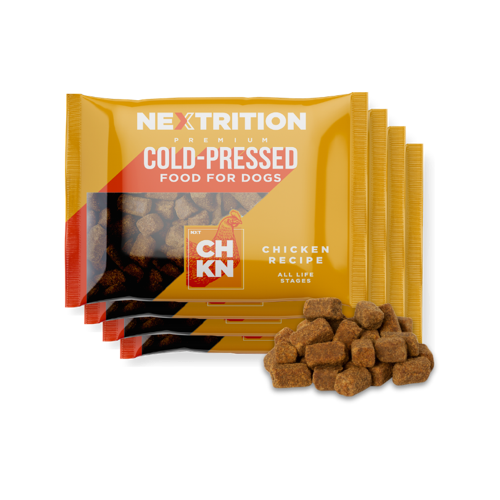
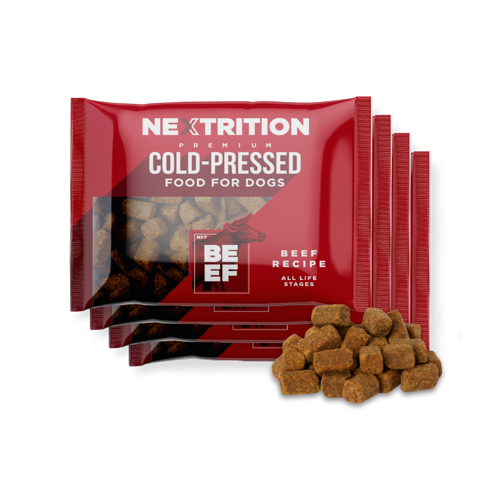
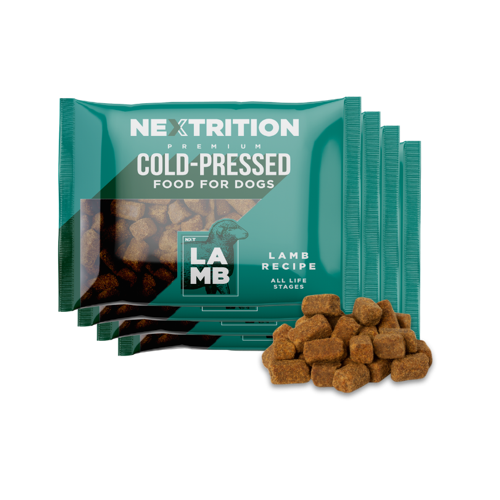
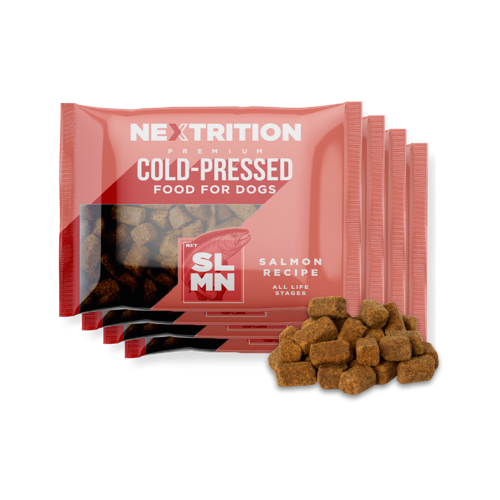
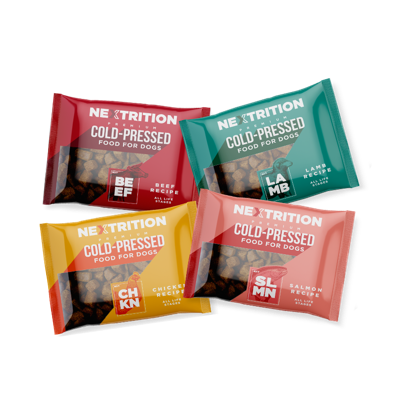
This is exactly why we built Nextrition the way we did. Our recipes are cold-pressed at 3x lower temperatures to help preserve nutrients, using real meat, fruits, and vegetables with Rocky Mountain waters. We keep it straightforward with four recipes: lamb, chicken, salmon, and beef.
That setup matters more than it sounds. Dogs with sensitive digestion often don't need a more complicated feeding routine. They need a cleaner, steadier one.
Why this format works in real life
A food can be nutritionally thoughtful and still fail if the routine falls apart. Missed deliveries, thawing issues, inconsistent portions, topping one day and not the next. Sensitive dogs notice.
Cold-pressed food helps reduce that friction. Our personalized meal plan also takes some of the guessing out of what and how much to feed, which is useful when you're trying to judge a dog's actual response instead of improvising portions. One-time orders and subscriptions support the same goal: consistency.
And consistency is underrated in digestive care. Probably because it doesn't sound exciting.

When Fresh Dog Food May Make More Sense
Fresh dog food can absolutely make sense in the right setup. Some owners strongly prefer visible whole-food style meals, and some dogs are clearly more interested in eating them. If you have a picky dog or one with low meal enthusiasm, fresh can have real appeal.
Higher moisture is another draw. For some dogs, that feeding style just feels better day to day.
But the tradeoffs are real:
- refrigerated or frozen storage
- thawing or fridge management
- shorter handling windows
- more day-to-day feeding work
- usually higher overall cost
That's manageable for some households and annoying for others. No point pretending otherwise.
Fresh also shouldn't be chosen on image alone. It still has to be digestible, complete and balanced, and well tolerated by your dog. We've seen owners move into fresh expecting instant improvement, only to end up with softer stools and more second-guessing because the recipe or routine didn't really fit.
If you can maintain it consistently and your dog does better on it, fresh may be the right call. But "fresh equals better" is one of those ideas that sounds smart until a real dog gets involved.
What to Look for if Gut Health Is the Real Goal
If gut health is the real priority, evaluate food through that lens. Not through the loudest claim on the front of the package.
A few things are worth checking every time:
- clearly named animal proteins instead of vague meat terms
- real, recognizable ingredients with decent transparency
- confirmation that the food is complete and balanced
- a brand that explains its process clearly, including temperature and ingredient handling
- a formula you can actually feed consistently
Also, don't let fear-based messaging do all your thinking for you. Research doesn't support the idea that approved additives or preservatives are automatically harmful when used within regulatory limits. A lot of premium marketing leans on panic. We don't think that's helpful.
Watch the dog, not just the label
After a diet change, track what you can actually observe:
- stool consistency
- gas
- appetite
- energy
- coat quality
- overall comfort
Those signals usually tell you more than a dramatic ingredient infographic ever will. Social media rewards aspiration. Your dog's gut rewards consistency.
How to Transition a Sensitive Dog Without Creating More Gut Stress
Even a good food can look like a bad one if the transition is messy. That's a common mistake.
For sensitive dogs, make changes gradually rather than all at once, especially if there's a history of loose stools, gassiness, or food sensitivity. And if you're changing both format and formula at the same time, know that you're making troubleshooting harder.
A few rules help:
- increase the new food slowly over several days
- keep treats and toppers stable during the transition
- double-check serving sizes because calorie density can vary a lot between fresh and dry food
- monitor stool, itching, appetite, energy, and any signs of discomfort
Overfeeding is a quiet problem here. Fresh food can look light because of the moisture. Dry food can look small because of the density. Either way, the bowl can mislead you.
If your dog has chronic GI disease, a history of pancreatitis, severe food sensitivities, or ongoing vomiting and diarrhea, bring your vet into the decision early. That's not being cautious for the sake of it. It's just smart.
A personalized feeding plan can also make the switch smoother because it removes some of the guesswork around portions and recipe choice.

Common Mistakes That Make the Decision Harder Than It Needs to Be
Most confusion around cold pressed vs fresh dog food comes from a few predictable errors. Once you see them, the whole choice gets clearer.
- Assuming fresh is automatically superior, even if the recipe doesn't suit the dog
- Treating all dry food as the same, when cold-pressed and extruded foods are made very differently
- Obsessing over processing claims while ignoring digestibility and nutrient adequacy
- Switching too fast because a trend sounds convincing
- Forgetting lifestyle fit, then feeding inconsistently because the routine is hard to maintain
- Reading stool changes during transition as proof the format is wrong, when the issue may be speed, portions, or too many variables at once
- Falling for fear-based ingredient messaging instead of watching real outcomes
We've said this to a lot of dog owners and it usually lands: the best diet is not the one that wins the internet that week. It's the one your dog does well on and you can manage without friction.
Conclusion
In the cold pressed vs fresh dog food debate, gut health isn't about chasing the label that sounds newest or most natural. It's about digestible ingredients, thoughtful processing, and a feeding routine your dog can handle consistently.
Fresh can be a good fit for some dogs and households. Cold pressed can be a very compelling middle path if you want lower-temperature processing and premium ingredient quality without the daily complexity of refrigerated feeding.
Start with what you can observe. Look at your dog's stool quality, appetite, sensitivities, and your actual routine. Then choose the format that lets you feed with confidence and consistency, not uncertainty. That's usually where better gut health starts.


