




How long for dog food to help a sensitive stomach? Usually longer than the first good poop—and switching again too soon is where many owners get stuck.
What matters is a clean trial: one gentle recipe, steady portions, no rich treats sneaking in after dinner. Watch the trend for a week or two, not one wobbly morning.
Here’s what to keep your eye on:
- Firmer stools, less urgency, and quieter gas by day 7
- No protein hopping while the gut is trying to settle
- Vomiting, blood, or lethargy means call the vet
Get the routine right, then let the food show you what it can do.
The Short Answer: What Is a Realistic Timeline?
If you're asking how long for dog food to help sensitive stomach issues, the honest answer is: usually not overnight, often within a week for early signs, and sometimes closer to 2 to 4 weeks before you can judge it fairly.
That's the part many owners miss. The goal isn't just one decent poop on day three. The goal is a gut that stops swinging around.
Here's the practical range we use:
- Some dogs show meaningful stool improvement within 7 days of a diet change.
- Dogs with chronic large bowel diarrhea have improved in about 8.5 days on average with a highly digestible, high fiber, hypoallergenic diet plus probiotic support, though some took up to 15 days.
- Many dogs with chronic enteropathy responded during an initial 2 week diet period.
- Some food sensitive dogs need closer to 2 to 4 weeks, especially when the gut has been irritated for a while and a veterinarian is involved.
A few better stools do not mean the problem is solved. Sensitive digestion tends to improve in a jagged line, not a straight one. You may get a solid morning stool and a messy evening one in the same week.
Calm observation beats panic switching. Every time.
That really is the lens for the rest of this. If you want to know how long to see results after switching dog food, look for a trend you can trust, not a single good day.
Why One Dog Improves in Days and Another Takes Weeks
"Sensitive stomach" gets used like it's one thing. It isn't. That's why timelines are all over the place.
A dog with mild stress diarrhea after boarding is not the same case as a dog with months of loose stool, gas, and weight loss. Same label, very different gut.
A few common patterns sit under the sensitive-stomach umbrella:
- Temporary digestive upset after stress or a sudden food change
- Ongoing digestive sensitivity with soft stool, gas, or irregular bowel movements
- Chronic enteropathy or food responsive diarrhea that needs a stricter diet trial
- Large bowel diarrhea, where stool quality and fiber response matter a lot
Acute diarrhea can also come from stress, parasites, infection, or scavenging. So yes, food matters, but food isn't always the whole story. We've seen owners chase formulas for weeks when the real issue was that the dog got into something, or the routine kept changing, or treats were quietly wrecking the trial.
Starting condition changes the clock. Mild stool inconsistency can shift fast. Long standing inflammation usually doesn't. Dogs that are already underweight, not eating well, or flaring on and off tend to move slower.
Then there are the non food variables that drag things out:
- Too many treats, even "healthy" ones
- Table scraps
- Switching proteins every few days
- Medication changes
- Different portion sizes from one meal to the next
This is the hard truth: a decent food can't prove itself in chaos. Digestibility helps, ingredients matter, but the gut also needs uninterrupted time.
What Improvement Actually Looks Like in the First Days and Weeks
Most owners watch for one dramatic sign. That's usually where the confusion starts. Real improvement is usually a cluster of smaller changes.
Track the same things diet studies track:
- Stool consistency
- Defecation frequency
- Stool volume
- Stool odor
- Flatulence
- Appetite
- Vomiting frequency
- Abdominal discomfort
- Weight stability, or weight gain if your dog had been slipping
Early improvement often looks a little boring. Fewer urgent bathroom trips. Less gas after dinner. Stools that are still soft but easier to pick up. That's progress, even if it doesn't feel dramatic.
Full improvement is different. Bowel movements become more predictable. The dog strains less. Frequency settles down if they were going too often. You stop studying every walk like it's a medical event.
A useful timeline to keep in your head
- By day 7, some dogs show better stool quality and better digestive tolerance.
- Around 2 weeks, many dogs with diet responsive chronic issues show a clearer answer.
- Between 2 and 4 weeks, you can often judge harder cases more honestly.
The uneven part throws people off. A dog may improve by the second afternoon, then wobble again on day five. That doesn't automatically mean failure. The gut doesn't care that you want a clean, satisfying timeline.
Don't confuse early movement with final stability.
That's the line to remember when you're tempted to give up on day six.
The Timeline Depends on What the Food Is Trying to Fix
This gets much easier when you stop asking one broad question and start matching the food to the problem.
Mild digestive sensitivity
If your dog has softer stools, some gas, mild inconsistency, or just seems touchy with food, noticeable improvement can show up in the first week when the new food is a better fit. That's where we often see stool quality shift first.
In one crossover feeding study, digestive tolerance markers and stool quality improved significantly by day 7. That's a useful benchmark for everyday sensitive stomach cases. Not a promise, but a real benchmark.
Chronic diarrhea or chronic enteropathy
These dogs usually need more discipline and more time. A two week structured diet trial is often the minimum before early conclusions mean much. In a randomized trial, 19 of 23 dogs with non-protein-losing chronic enteropathy (83%) responded clinically to their first diet during the initial two-week period. Of the four that did not, all responded after crossing over to another appropriate diet; among dogs assessed at 26 weeks, 18 of 18 remained in remission.
That makes the practical takeaway more specific: a first diet can give a clear early answer for many chronic cases, but a non-response does not automatically mean diet is not part of the solution. Many dogs with chronic enteropathy responded within that initial 2 week period, and some that didn't improve on the first diet did improve after changing to another appropriate one.
That matters for morale. One food failing doesn't prove diet isn't the answer.
Large bowel diarrhea
This pattern often responds to a more targeted setup: highly digestible food, enough fiber, and probiotic support. Average resolution around 8.5 days is encouraging, but some dogs took up to 15 days. So if you're at day nine and things are clearly better but not finished, that's still in range.
Severe or complex cases
If your dog has repeated vomiting, poor body condition, protein losing enteropathy, or recurrent flare ups, diet may still help a lot, but this shouldn't be a food-only experiment.
The right question isn't just how long for dog food to help sensitive stomach problems. It's whether the food actually matches the type of digestive problem sitting in front of you.

What Kind of Dog Food Tends to Help Sensitive Stomachs Faster
Faster doesn't mean rushed. It means the food creates less work for the gut.
In practice, the foods that tend to help sensitive stomachs sooner usually have a few things in common:
- Highly digestible ingredients
- Simple, recognizable ingredient lists
- One main animal protein when sensitivity is suspected
- Gentle fiber sources that help stool quality
- Support for the gut environment instead of a formula that hits the digestive tract like a brick
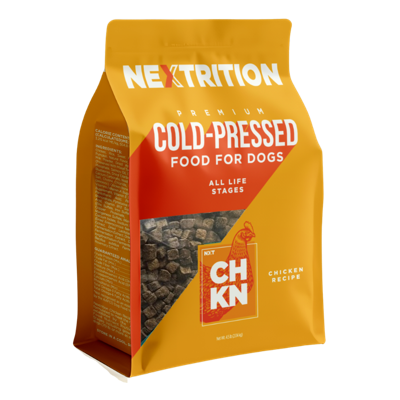
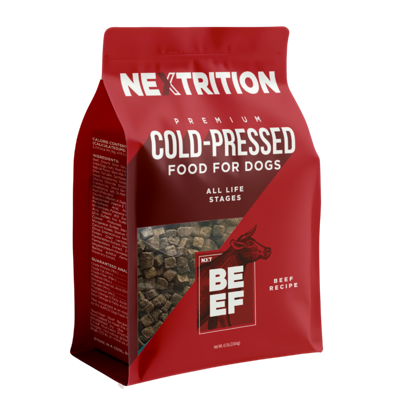
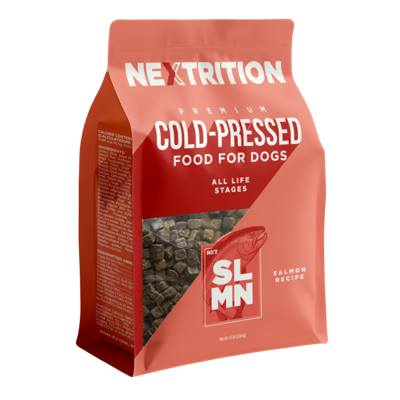
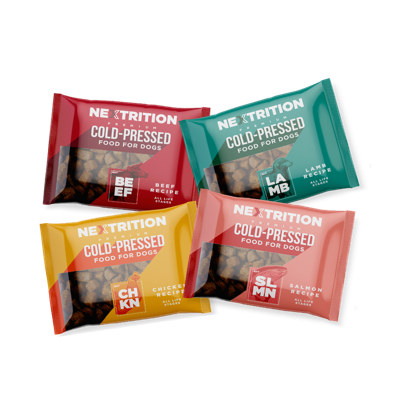
We're opinionated here for a reason. Cold pressed food made at lower temperatures is often a better fit than high heat kibble for dogs with digestive issues, because the goal isn't just feeding calories. It's feeding something your dog can comfortably break down and absorb.
Our approach is built around that. We cold press at lower temperatures to preserve more of the food's natural nutrients, enzymes, and amino acids. For a healthy dog, that matters. For a touchy gut, it matters more.
A couple of practical examples
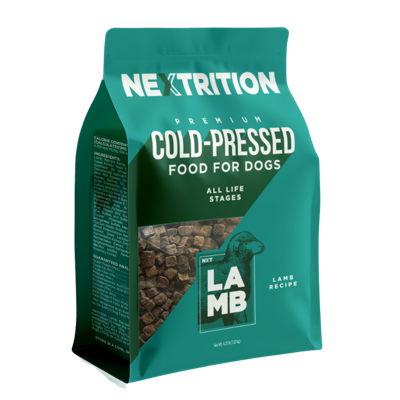
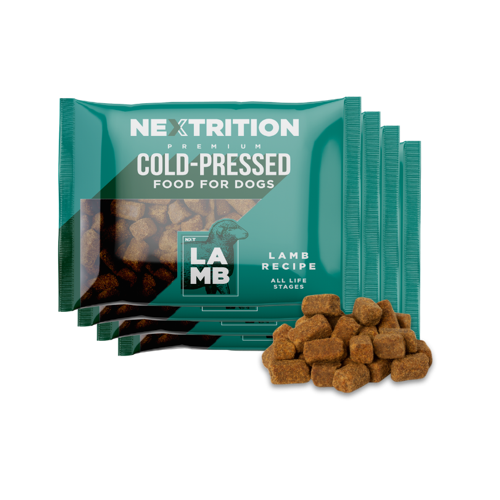
The All-Natural Lamb Recipe is an easy place to start when sensitive digestion is the main concern. It's a lamb based cold pressed recipe and it's the one we naturally think about for dogs that need a gentler fit.
If you suspect poultry may be part of the issue, our Chicken Free Dog Food collection gives you a cleaner lane to test that without mixing signals.
Supportive ingredients matter too. Pumpkin, chicory root, and prebiotic fiber can help support stool quality and feed a healthier gut environment. Still, even a well built food needs consistency and enough time. Good ingredients can't outrun constant switching.
How to Switch Foods Without Accidentally Making Things Worse
A good food introduced badly can look like a bad food. We see that mistake all the time.
Sensitive dogs usually do better with a gradual 5 to 7 day transition unless your veterinarian has told you to do something different. An overnight swap can create enough digestive noise that you can't tell whether the new food is helping or causing the mess.
A simple framework works well:
Food transition
- Start small
Start by mixing a small amount of the new food into the old.
- Increase gradually
Increase the new food gradually over 5 to 7 days.
- Hold steady
Hold steady longer if stools wobble but your dog otherwise seems comfortable.
- Keep it consistent
Keep everything else boring and consistent.
For the trial to mean anything, keep it clean:
- Feed one primary recipe
- Don't rotate proteins mid trial
- Pause rich chews, table scraps, and random training treats
- Keep meal timing steady
- Measure portions instead of guessing
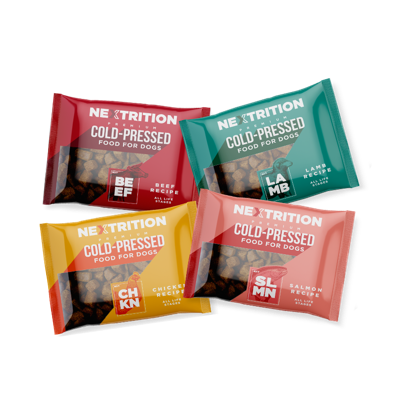
Trial packs are useful, but use them the right way. A Lamb Recipe Trial Pack is a smart low commitment way to test whether your dog accepts the food and handles the first introduction well. That's different from running a real digestive evaluation across multiple proteins at once. During the actual assessment period, one recipe wins.
A temporary stool wobble during transition is common. It is not automatic proof the food failed. Too many owners call it too early.
How Long to See Results After Switching Dog Food, by Sign
This is usually the section people want first, because symptoms don't all improve on the same schedule.
Stool consistency
This is often the first thing you notice. Some dogs start showing firmer, more formed stools within the first week. Chronic cases often need closer to 2 weeks before the pattern is clear.
Gas and stool odor
These can settle fairly early if the food is easier to digest. But they sometimes lag behind stool changes, especially if the gut is still adjusting. Less gas on day four with still-soft stool is not strange.
Stool frequency and urgency
If your dog has been going too often or racing outside with no margin, this can improve within a week in some sensitive dogs. Frequency is one of the most useful signals because it's harder to fake than appetite.
Appetite
Some dogs eat with more confidence on a food that agrees with them. Still, appetite alone is a weak scorecard. Plenty of dogs will eat enthusiastically and still have poor digestion.
Vomiting or visible abdominal discomfort
If food is a major driver, these should ease as the diet settles. If vomiting keeps going, don't stretch the trial just because you want the food to work.
Body weight and overall condition
This takes longer. Weight stability or gain matters most in dogs that came into the switch underweight or chronically unstable. You won't judge this by the weekend.
The real win isn't one solid week. It's a dog that stops backsliding.
That's how long to see results after switching dog food in the way that actually counts.
| Sign | When change may show up | How to read it |
|---|---|---|
| Stool consistency | Often within the first week; chronic cases may need closer to 2 weeks before the pattern is clear | This is often the first change owners notice, but the goal is a trend that holds, not one good stool |
| Gas and stool odor | Can settle fairly early; less gas by day 4 can happen even if stool is still soft | These signs can improve after stool starts changing, so a short lag is not unusual while the gut adjusts |
| Stool frequency and urgency | Can improve within a week in some sensitive dogs | This is one of the most useful signals because it is harder to misread than appetite alone |
| Appetite | Some dogs eat with more confidence once the food agrees with them | A better appetite is encouraging, but it is a weak scorecard because dogs can eat eagerly and still digest poorly |
| Vomiting or visible abdominal discomfort | Should ease as the diet settles if food is a major driver | If vomiting keeps going, do not stretch the trial; ongoing vomiting is a reason to call the vet |
| Body weight and overall condition | Longer-term; this is not something to judge by the weekend | Weight stability or gain matters most in dogs that started underweight or chronically unstable |
Signs the New Food Is Working vs. Signs It Is Not
You don't need perfect certainty. You do need a clear direction.
If the new food is likely helping, you'll usually see a few of these stack up:
- Stools are gradually firmer and more predictable
- Bowel movements are less frequent or less urgent
- Gas, stool odor, or stomach noises are easing
- Appetite stays stable
- Your dog seems more comfortable after meals
- Weight holds steady or starts to improve
If the food is not a good fit, the picture looks different:
- Stools stay consistently loose with no real trend toward improvement
- Discomfort or gas gets worse
- Your dog starts refusing food
- Vomiting continues
- A fair trial window passes with no meaningful progress
One important nuance: a failed first food trial doesn't mean diet can't help. In chronic enteropathy work, some dogs that didn't respond to one appropriate diet improved after switching to another one.
Don't keep pushing a clearly poor fit. But don't abandon a promising food before there's enough data either. Those are two different mistakes, and both are common.
When to Stop Waiting and Call Your Veterinarian
Some cases need less patience and more medical help. Sensitive stomach is one thing. A sick dog is another.
Call your veterinarian sooner if you see:
- Blood in the stool
- Black or tarry stool
- Repeated vomiting
- Lethargy or weakness
- Signs of dehydration
- A painful or bloated abdomen
- Refusing water
- Diarrhea that doesn't improve within 24 to 48 hours in a concerning acute episode
Puppies, senior dogs, dogs with existing medical issues, and dogs with chronic or recurring digestive signs all deserve a lower threshold for care.
Diet and veterinary care are not competing options. Some more complex cases improve with diet while still needing medical support. That's normal. Waiting too long because you want the food to solve everything is not a smart trial. It's just delay.
A Calm, Practical Way to Track Progress at Home
If you want to stop second guessing, make the trial visible. Memory is terrible at this, especially when you're tired and worried.
Keep a simple daily log with:
- Meal amount
- Recipe fed
- Treats given
- Stool consistency
- Number of bowel movements
- Gas or stomach noises
- Vomiting
- Appetite
- Energy
- Weight, if that's part of the issue
You don't need a fancy spreadsheet. Notes on your phone work fine. The point is to spot trends instead of reacting to every single bowel movement like it's a final verdict.
If stools are fluctuating, take a quick photo. It sounds a little absurd until day ten, when you can't remember whether things were actually better on Monday or you just hoped they were.
A clean trial still matters here too. Same food. Same routine. As few digestive variables as possible.
If you're looking for a simple starting place, our Sensitive Stomach Dog Food and Treats collection keeps meals and stomach friendly treats aligned, which helps reduce the random extras that muddy the picture. That's useful because the real answer to how long to see results after switching dog food comes from tracking what changed, not guessing.

Conclusion
So, how long for dog food to help sensitive stomach issues?
Some dogs show meaningful improvement within a week. Many diet responsive stomach problems are easier to judge by about 2 weeks. Some need a longer 2 to 4 week window, especially when symptoms are chronic or more complicated.
Better digestion usually comes from the right food, introduced gently, fed consistently, and evaluated calmly. That's less exciting than miracle claims. It's also how this actually works.
Choose one gentle, digestible recipe. Transition slowly. Track symptoms every day. And if red flags show up, or progress never really starts, bring your veterinarian in early instead of hoping the next scoop fixes it.
Article Record
ReferencesPrimary sources used for this article
- Frontiers | A new highly digestible prescription diet containing Bacillus velezensis DSM 15544, fructo-oligosaccharides, plasma immunoglobulin, yeast and sepiolite for the management of acute diarrhea in dogs—a randomized double-blinded, controlled trial
- Randomized Trial to Evaluate Two Dry Therapeutic Diets for Shelter Dogs with Acute Diarrhea
- Efficacy and Tolerance of Two Low-Carbohydrate Diets in Large Adult Dogs with Digestive Sensitivity: A Randomized, Cross-Over, Blinded Evaluation
- JustFoodForDogs Sensitive Stomach: Vet Diet for Diarrhea | Vetstreet


