




Loose stool, paw licking, and random ear flare-ups often get treated as separate problems. Leaky gut syndrome in dogs is the phrase many owners use when those patterns keep showing up together.
What matters is not chasing a miracle powder. It’s spotting the repeat triggers, simplifying what goes in the bowl, and getting veterinary help when symptoms don’t let up.
Start by watching for:
- Mucus, urgency, or stools that swing from normal to soft
- Treats and chews that quietly derail a food trial
- Itching that flares alongside digestive trouble
Get the pattern clear, then make one change that holds.
What Leaky Gut Syndrome in Dogs Usually Means
When people talk about leaky gut syndrome in dogs, they're usually describing a gut barrier problem, not a neat medical label. The phrase points to increased intestinal permeability, which means the lining of the gut isn't screening things as well as it should.
A healthy intestinal lining has a hard job. It needs to let nutrients through while keeping bacteria, toxins, and poorly digested food particles inside the digestive tract. When that lining gets irritated or inflamed, the system gets sloppy. Nutrients may not be absorbed as well, and the immune system can start reacting to things it would normally ignore.
That matters because the gut doesn't just process food. It helps decide what belongs in the body and what doesn't.
Here's the distinction we'd keep in mind:
- Leaky gut syndrome in dogs is not a stand alone diagnosis in the same category as parasites, pancreatitis, or chronic enteropathy.
- It is a useful framework for understanding why loose stools, itchiness, food reactions, and low resilience often show up together.
- It should push you toward better observation and better feeding decisions, not internet self-diagnosis.
If your dog's stool, skin, and appetite all seem to go sideways at the same time, that's a pattern worth respecting. Owners often see the symptoms separately and miss the connection.
Why the Gut Barrier Affects More Than Digestion
It's easy to think of the gut as a tube where food goes in and stool comes out. That's way too small a view of it.
A large share of immune activity sits in the gut, which is one reason digestive disruption can spill outward into skin, energy, appetite, and recovery. If the gut is irritated all the time, the body often acts like it's under pressure all the time. Some dogs get loose stools. Some get itchy paws and ears. Some just seem off after meals and a little less steady than they used to be.
The microbiome isn't a side character
The gut microbiome helps with:
- digesting food
- shaping stool quality
- sending immune signals
- helping control inflammation
When that ecosystem gets knocked around, the results aren't always dramatic at first. Sometimes it's just more gas at night, softer stools by the second afternoon, or a dog that suddenly seems fussier about food.
There's also a simple gut-skin connection. When the gut is irritated and the immune system stays activated, skin can become one of the places that stress shows up. That's why loose stools and itchy skin often travel together. Not always. Often enough.
Emerging veterinary research also suggests that dogs with more severe atopic dermatitis may show signs of intestinal mucosal injury and altered gut-barrier markers. That doesn't mean every itchy dog has leaky gut. It does support what many careful owners already notice: gut health and skin health are tightly connected.
The skin and the stool often tell the same story, just in different ways.
A small study of 30 owned dogs with atopic dermatitis adds measured context to that association. The researchers used diamine oxidase (DAO) as an intestinal mucosal-injury marker. Both the low and high ends of the reported DAO range declined across the study's mild, moderate, and severe skin-disease groups (P = 0.031).
Reported low-to-high diamine oxidase (DAO) concentrations among 30 dogs with atopic dermatitis, grouped by clinical skin-disease severity.
Source: Ural et al., Brazilian Journal of Veterinary Medicine (2026).
- This was a short-term, open-label observational study of 30 dogs with atopic dermatitis.
- The reported ranges overlap across severity groups, so DAO is not an individual diagnostic cutoff in this study.
- The study shows an association and does not test whether diet or gut treatment changes skin disease.
View chart data
| Atopic dermatitis severity | DAO low | DAO high |
|---|---|---|
| Mild | 2.1 | 6.0 |
| Moderate | 0.9 | 5.2 |
| Severe | 0.4 | 4.1 |
The groups still overlapped substantially, so DAO could not diagnose an individual dog's skin or gut problem. This was one short-term, open-label observational study—not a diet trial, a treatment result, or proof that gut-barrier changes cause skin disease.
Common Causes of Increased Intestinal Permeability
Most dogs don't get here from one dramatic cause. It's usually layered. A little irritation, repeated often enough, becomes a pattern.
Heavily processed diets can be part of that picture in some dogs, especially when the food leans hard on refined starches, filler ingredients, and harsh manufacturing. Not every dog falls apart on standard kibble, but plenty don't thrive on it either. We think that difference gets dismissed too easily.
Other common drivers include:
- Food intolerances or allergies: repeated exposure to a problem ingredient can keep the gut lining inflamed.
- Antibiotics and NSAIDs: useful when needed, but repeated use can disrupt gut bacteria or irritate the intestinal tract.
- Chronic stress: yes, dogs feel it physically. Stress can change gut motility, immune tone, and digestive resilience.
- Infections and parasites: these need veterinary evaluation, not guesswork.
- Underlying inflammatory bowel conditions: a food change may help, but it won't replace a real workup.
One pattern we see owners miss is the cycle itself. Diarrhea happens, then a bland diet, then treats creep back in, then antibiotics, then another flare. Repeat that a few times and the gut never really settles.
Diet can help a lot. But first make sure you're not stepping over parasites, infection, pancreatitis, or an inflammatory condition that needs medical care.
Signs of Leaky Gut Syndrome in Dogs
The signs are rarely elegant. They're messy, inconsistent, and easy to explain away one by one.
Digestive signs are usually the first clue:
- chronic diarrhea
- soft or inconsistent stools
- vomiting
- gas
- bloating
- loud stomach noises
- urgent bowel movements
- mucus in stool
- alternating loose and normal stools
Then there are the non-digestive signs. These are the ones that make owners feel like nothing quite adds up.
The signs outside the bowl
You may also notice:
- itchy skin
- paw licking
- recurrent ear issues
- dull coat
- food reactivity
- lower energy
- reduced appetite
- seeming off after meals
One bad weekend after raiding the trash isn't the story. Chronic patterns are. If symptoms keep returning after meals, if one food seemed to help and then stopped helping, or if skin and stool flare at the same time, pay attention to that.
No single sign confirms leaky gut syndrome in dogs. Together, they can justify a deeper look at diet and digestive health. That's a more useful standard anyway.
What Else Can Look Like Leaky Gut
A lot of gut problems overlap on the surface. That's where people get stuck.
The same signs can show up with chronic enteropathy, parasites, food-responsive enteropathy, pancreatitis, infections, anal gland problems, or plain dermatologic allergy disease. That's why we don't treat "leaky gut" as a final answer. It's a functional pattern, not the finish line.
A short lived upset stomach after something weird got eaten is one thing. A chronic pattern is another.
Diet trials matter a lot in veterinary medicine because some dogs with persistent GI disease improve dramatically on the right food. But improvement alone doesn't prove leaky gut. It proves the diet mattered. That's still valuable.
Go straight to your veterinarian if you see any of these red flags:
- ongoing vomiting
- blood in the stool
- rapid weight loss
- dehydration
- marked lethargy
- severe skin inflammation
- symptoms in a puppy, senior dog, or medically fragile dog
When the dog looks truly unwell, don't turn a nutrition problem into a home experiment.
How Veterinarians Investigate Ongoing Gut Symptoms
If symptoms keep going, the workup usually starts with boring details. Good. That's where the useful answers are.
Your vet may look at symptom history, diet history, stool testing, medication use, and a physical exam. Bloodwork often comes in early too, depending on the case. None of that is glamorous, but it helps separate chronic irritation from something more serious.
Food history matters more than owners think
When we say "food history," we mean everything:
- meals
- treats
- chews
- table scraps
- supplements
- toppers
- recent switches
- antibiotics or anti inflammatory drugs used around flare-ups
Owners often remember the main food and forget the rest. Then the dog is getting a "sensitive stomach" meal plus beef chews, peanut butter, dental sticks, and half a breakfast egg. That's not a diet trial. That's noise.
More advanced cases may move into elimination diets, hydrolyzed diets, imaging, or endoscopy. Research settings may study intestinal biomarkers or mucosal injury markers, but that isn't where most owners start.
In real life, diagnosis often comes from ruling out the common causes and then seeing how the dog responds to a disciplined plan. And yes, consistency is part of the test.

What the Diet Research Really Shows
Most research doesn't use the popular label leaky gut syndrome in dogs. It focuses on chronic enteropathy and food responsive GI disease. That's actually more useful, because it deals with dogs who had real ongoing symptoms and were put on structured diet plans.
The practical point is pretty clear: nutrition can change the course of intestinal symptoms when the right food is fed exclusively and long enough.
A few numbers make that real:
- In one study of dogs with inadequately controlled chronic enteropathy, about 68 percent improved within 2 weeks on an elemental diet, and 70 percent were responders overall.
- In a randomized trial, 83 percent of dogs with non-protein-losing chronic enteropathy responded to their initial diet change within 2 weeks, and remission held when the right diet was continued.
- In a pilot study, even dogs that had failed previous diet trials improved on an extensively hydrolyzed diet, with clinical scores dropping by week 2 and many dogs doing well by week 10.
That's not proof that one trendy supplement solves everything. It is strong evidence that diet is one of the biggest levers in gut care.
The gut often responds faster than owners expect, but only when the plan is clean.
That last part matters. If the dog gets the "test food" plus random treats and leftovers, you don't really learn anything.
What a Dog Leaky Gut Diet Should Include
When owners talk about a dog leaky gut diet, they usually mean a feeding plan that reduces digestive stress, improves stool quality, supports the microbiome, and gives the gut lining a calmer place to recover.
We'd keep it simple and specific.
Start with real, recognizable ingredients and clearly named proteins. If food sensitivity is even a possibility, a single protein or simpler formula is often easier to read and easier to test honestly. Vague by-products and heavily altered formulas make the whole process harder than it needs to be.
Supportive whole food ingredients matter too. Fruits, vegetables, and gentle fibers can help feed beneficial gut bacteria and support more regular stools. But digestibility is still the main question. A pretty ingredient panel doesn't help if the dog can't handle it.
Why some owners choose cold-pressed food
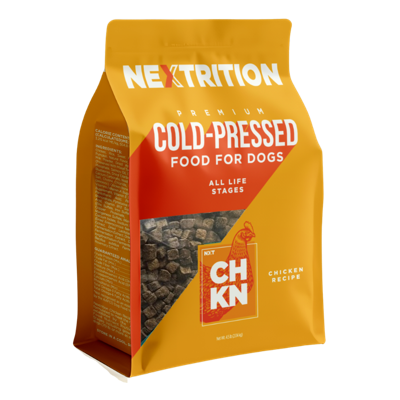
This is where food format matters more than people think. Many health-conscious owners prefer lower-temperature cold-pressed food because it's a gentler alternative to conventional high-heat kibble. We make our food at 3x lower temperatures to help preserve nutrients that are more fragile under heavy heat, and that lines up with what gut-focused owners are actually trying to do: feed in a way that works with the digestive system, not against it.
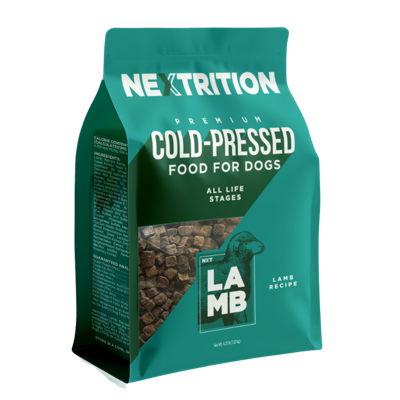
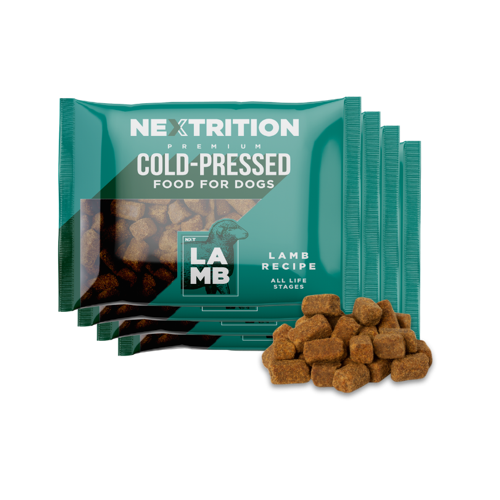
For dogs that need a lamb based option, our All-Natural Lamb Recipe fits well. It's a cold-pressed formula with real lamb as the number one ingredient, and it's positioned for sensitive stomachs. If you're trying to simplify the protein while staying with an everyday dry format, that's a sensible place to look.
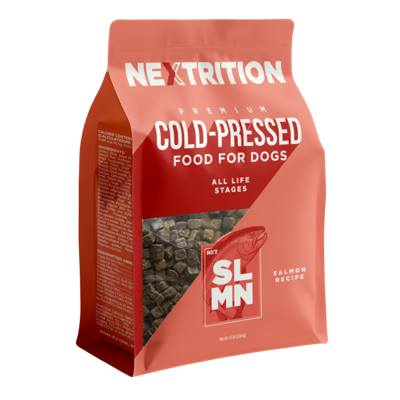
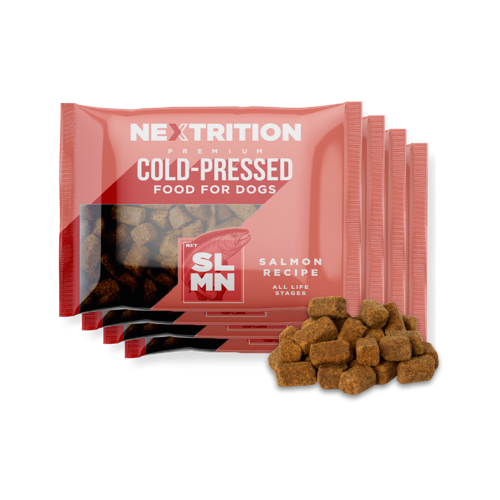
If gut trouble overlaps with itchy skin or coat issues, our All-Natural Salmon Recipe makes more sense. It pairs a fish based protein with digestive support, and the omega-3 angle is useful when the stool problem isn't the only thing going on.
Not every dog needs the same protein. That's the point.

Foods, Ingredients, and Feeding Habits That Can Make Things Worse
Even a good food can't do its job if the gut keeps getting interrupted.
The most common mistake isn't always the main bag of food. It's the extras. Random treats, leftovers, chew rewards, freeze dried toppers, and constant little "just this once" changes can keep symptoms going and make it impossible to spot a trigger.
A few trouble spots show up again and again:
- frequent protein switching while the dog is already reactive
- filler heavy foods and low quality treats
- rich, high fat extras during vomiting or loose stool phases
- starting multiple new supplements at once
- diet changes right after antibiotics without giving the gut a stable window
This part is hard for people who care a lot, because trying harder can make things worse. We see owners throw pumpkin, broth, probiotics, goat milk, new chews, and topper powders at the bowl all in the same week.
That's not support. That's turbulence.
Think of recovery as a simplified period. Fewer variables. Cleaner feedback.
How to Transition to a Gentler Diet Without Upsetting the Gut
A sensitive dog usually needs a measured transition, not a dramatic one. Unless your veterinarian tells you otherwise, switch slowly.
For most dogs, that means moving from the old food to the new food in stages over several days while watching stool quality closely. Dogs with touchy digestion often need a little more patience here, because even a better food can cause temporary disruption if you move too fast.
Track a few things daily:
- stool quality
- number of bowel movements
- itching
- appetite
- gas
- overall energy
Choose one protein and one feeding plan, then hold steady long enough to judge it honestly. Don't change three things and hope you can sort it out later.
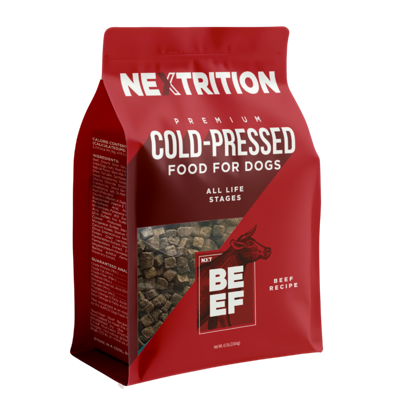
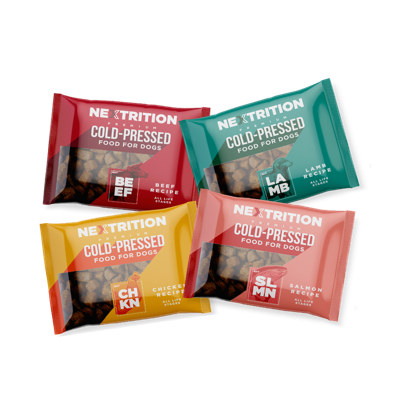
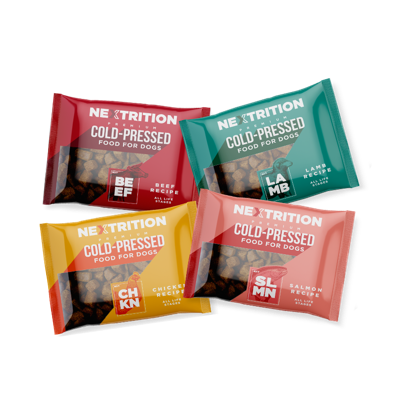
If you want to test tolerance carefully before buying a full bag, a small format option can help. Our Trial Variety Pack gives you a way to compare proteins without overcommitting, which is useful when you're trying to figure out whether chicken, beef, lamb, or salmon sits best.
Some dogs show early changes within 2 weeks. Fuller improvement can take several more weeks of strict consistency. During that test period, exclusive feeding matters. Even small off plan treats can blur the results more than most owners expect.
When Diet Alone May Not Be Enough
Sometimes an over the counter food change isn't enough. That's not failure. It's just a sign that the case is more serious or more complicated.
Dogs with severe symptoms, poor body condition, protein loss, or repeated relapses may need an elimination diet, a hydrolyzed diet, or even an elemental approach through their veterinarian. These plans can be especially helpful when multiple foods have already failed or hidden food reactivity is strongly suspected.
A veterinary therapeutic diet can be a diagnostic tool, not a forever sentence. That's an important distinction.
We don't think this has to be framed as natural everyday nutrition versus medical nutrition. Some dogs need one. Some need both in sequence. A stricter prescription style plan may calm the system first, then a well chosen everyday food may become part of the longer term answer.
The useful mindset is precision, not ideology.
Conclusion
Gut issues rarely come out of nowhere. Recurring stool problems, skin flare-ups, and low energy often make a lot more sense when you look at digestion, immunity, and diet together instead of chasing each symptom on its own.
The practical path is usually straightforward, even if it takes discipline: rule out the bigger medical problems, simplify everything your dog eats, choose a digestible food built on real ingredients, and stay consistent long enough for the gut to respond.
If you're stuck, start with one plain exercise. Write down everything your dog eats in a day. Every meal, treat, chew, scrap, topper, and supplement. Then make one intentional, trackable change and hold it steady. That's how you stop guessing.
Article Record
ReferencesPrimary sources used for this article
- Leaky gut and intestinal mucosal injury among dogs with clinically subclassified atopic dermatitis | Brazilian Journal of Veterinary Medicine
- Leaky gut and intestinal mucosal injury among dogs ... - PMC
- Leaky Gut Syndrome in Dogs
- Anti-leaky Gut Recipe ‘Gut-cumin I’ Could Have Helped Hastening Clinical Signs and Disease Remission Among Dogs with Inflammatory Bowel Disease | Turkish Journal of Veterinary Internal Medicine


