




Dog soft stool usually means the stool is still somewhat formed, but it's too moist, too loose, or too shapeless to count as normal. It hasn't crossed into full diarrhea, but it also isn't the firm, easy pickup stool most owners want to see.
That middle zone matters more than people think. We don't look at soft stool as just a lawn problem. We look at it as feedback.
When a dog's stool gets soft, the gut is often telling you something about digestion, absorption, stress, recent food changes, or microbial balance. One soft bowel movement on its own is rarely a crisis. A dog can have an off day, just like people do. But recurring softness is different. That's the kind of clue worth paying attention to before it turns into a bigger issue.
A lot of your dog's immune health is tied to the gut. That isn't marketing language. It's one reason stool quality tells you more than many owners realize. If the gut is irritated, underfed, overworked, or just not handling the current bowl well, stool is often one of the first places it shows up.
Soft stool is a symptom, but it's also a message.
The mental shift we want for you is simple: move from guilt and random fixes to calm observation. You don't need to panic over every soft pile in the yard. You do need to notice patterns and respond like someone who understands that the gut keeps score.
How to Tell Dog Soft Stool From Diarrhea
A lot of confusion starts here. Owners say "diarrhea" when they really mean "too soft," and those aren't always the same thing.
Veterinarians often use stool scoring charts to describe consistency. Some use a 1 to 5 scale. Others use 1 to 7. The exact numbers vary, but the logic doesn't.
On a 1 to 7 chart, the best stool sits in the middle: formed, firm, easy to pick up. Dog soft stool is usually the next softer step before true diarrhea. On a 1 to 5 chart, ideal stool is that compact log shaped middle score, while soft stool is the very moist but still somewhat shaped category.
In real life, soft stool often looks like this:
- a log that comes out formed, then collapses when it hits the grass
- soft blobs that leave residue on the bag
- a pudding-like stool with some shape, but no real firmness
Diarrhea looks different:
- no defined shape
- puddling stool or partly liquid stool
- fully watery output
Don't judge by texture alone, though. Frequency and urgency matter too. A dog that has one soft stool but acts fine is in a very different spot from a dog that needs to go six times by noon and can barely hold it.
That's the operator view: consistency tells part of the story. The pattern tells the rest.

What Healthy Dog Stool Should Look Like
Healthy stool is usually medium to dark brown, moist but firm, log shaped, and easy to pick up without leaving a smear behind. It shouldn't look greasy. It shouldn't be soaked. It shouldn't be rock hard either.
And it shouldn't be packed with mucus.
Stool size often tracks with how much a dog eats. More food in usually means more waste out. That's not automatically bad. What raises an eyebrow is stool that seems unusually large for the amount fed, which can hint that the food isn't being digested especially well.
Many adult dogs pass stool one to three times a day. Some land outside that range and do just fine. That's why comparing your dog to every other dog gets people into trouble. Your dog's normal is the baseline that matters.
A simple stool journal helps more than most owners expect. Track:
- consistency
- color
- frequency
- anything unusual in it
- meals, treats, chews, and changes
You don't need a spreadsheet obsession. A few notes on your phone for a week can clear up a lot. By the second or third day, patterns usually start showing themselves.
What a Single Soft Stool Usually Means vs a Pattern That Keeps Returning
One soft stool after a stressful day, a rich chew, a stolen scrap, or a fast food transition is common. If your dog's energy, appetite, and behavior are all normal, a short-lived episode is often mild and self-limiting.
The trouble starts when softness becomes familiar.
One or two isolated episodes often point to a brief irritation. Soft stool that keeps coming back week after week suggests the gut isn't fully settled. And if you've already "tried a few things" but nothing really sticks, that's usually a sign the real trigger hasn't been identified.
Here's the timing we use as a practical line:
- Clearly loose stool or diarrhea that doesn't settle within 48 to 72 hours deserves a vet call.
- Soft but formed stool that stays too soft for about a week also deserves a closer look.
A lot of owners wait because the stool is "not that bad." We get it. But chronic mild issues are still issues. The dog may still be eating, still playing, still acting normal, while the gut keeps struggling in the background.
Patterns matter more than panic.
What Causes Soft Stool in Dogs Most Often
What causes soft stool in dogs? Usually, it's not one dramatic cause. It's a handful of very common things, and the context helps separate the mild from the meaningful.
The most common causes include:
- sudden food changes that outpace the gut's ability to adapt
- rich treats, table scraps, or dogs eating things they shouldn't
- overfeeding, especially when extra snacks quietly pile on
- lower quality or less digestible food that leaves more work for the gut
- too little soluble fiber to help stool hold shape
- stress from boarding, travel, visitors, schedule changes, or anxiety
- food sensitivities or ingredient intolerance
- low grade parasite exposure such as worms or giardia
- mild microbiome imbalance that changes fermentation and stool formation
Then there are the less common but more medically important causes:
- inflammatory bowel problems
- pancreatic issues
- liver or biliary problems, especially if stool color changes too
This is why dog soft stool can't be treated like a diagnosis by itself. The same symptom can come from overfeeding, stress, a poultry sensitivity, a rushed food swap, or something your vet needs to investigate. That can be frustrating, but it also keeps you from making lazy assumptions.
One useful rule: if the stool changed right after something changed, start there.
| Cause | How common | First clue to check |
|---|---|---|
| Sudden food change | Common | If the stool changed soon after a new food, topper, treat, chew, or feeding routine, start there |
| Rich treats, table scraps, or eating something inappropriate | Common | Think about recent scraps, rich chews, or anything your dog stole or scavenged |
| Overfeeding or extra snacks piling on | Common | Check whether portions stayed steady or treats quietly pushed intake higher |
| Lower quality or less digestible food | Common | If the bowl recently changed or stool seems unusually large for the amount fed, review digestibility |
| Too little soluble fiber | Common | Stool may need more soluble fiber support, but add only one change at a time |
| Stress or routine disruption | Common | Look for boarding, travel, visitors, schedule changes, or anxiety around the time the stool changed |
| Food sensitivity or ingredient intolerance | Common | If flare-ups keep lining up with the same ingredient, such as poultry, start there |
| Low-grade parasite exposure | Common | Recurring softness is a reason to have your vet look into parasites such as worms or giardia |
| Mild microbiome imbalance | Common | Recurring softness can reflect a gut balance issue, so track the pattern instead of reacting to one stool |
| Inflammatory bowel, pancreatic, or liver and biliary problems | Less common but more medically important | If softness persists or stool color changes too, stop guessing and involve your vet |
Why Food Is So Often the First Place to Look
Food is one of the first places we look because it's one of the most common drivers of dog soft stool. If the stool change started soon after a new food, topper, treat, chew, or feeding routine, the bowl is the obvious suspect.
A few food issues show up again and again:
Where the bowl goes sideways
- abrupt transitions
- too many proteins or too much rotation at once
- portions that are simply too big
- highly processed food that sensitive dogs don't handle well
- formulas that don't bring much digestive support to the table
For health-conscious owners, this is where crude numbers on the bag stop being enough. Protein and fat percentages matter, sure. But ingredient integrity matters too. So does digestibility. So does how gently the food is prepared.
That's part of why we believe cold-pressed food is worth looking at for dogs that don't do well on conventional kibble. Our food is made at 3x lower temperatures than typical kibble, which helps preserve nutrients and digestive-supportive components that high heat can damage. For dogs chasing firmer stools and steadier digestion, that preparation method can make a real difference.
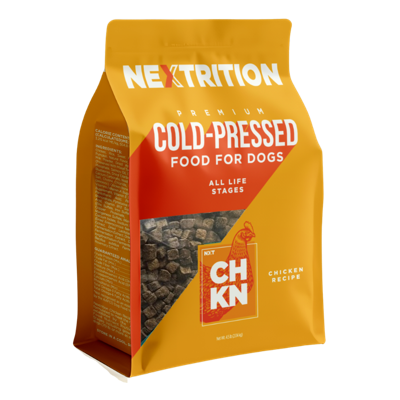
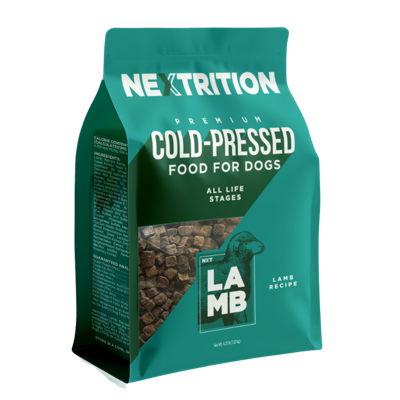
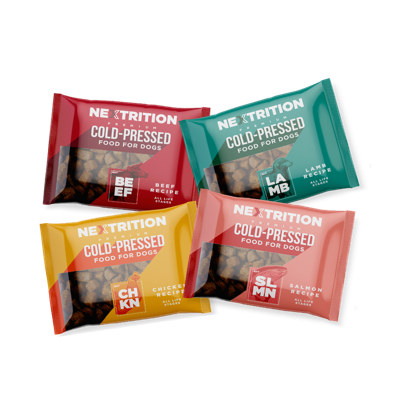
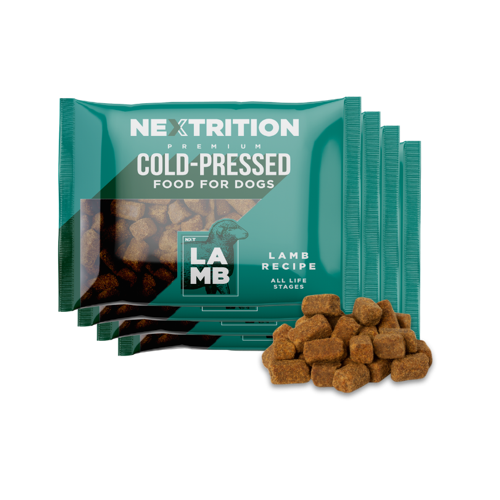
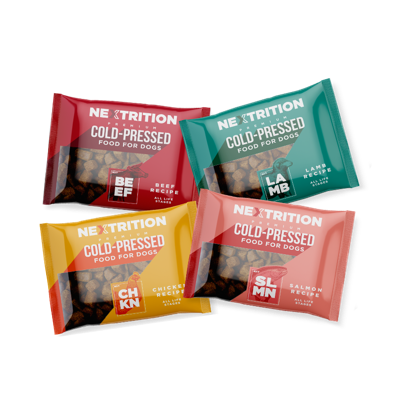
If your dog has recurring loose or inconsistent stools, our Dog Food for Soft Stool collection is a useful place to start. If your dog seems better on lamb or tends to have a sensitive stomach, our All-Natural Lamb Recipe is a logical option. And if poultry keeps showing up around flare-ups, a Chicken Free Dog Food approach usually makes more sense than guessing your way through another bag.
The goal isn't trendy ingredients. It's a simpler feeding pattern your dog's gut can handle consistently.
What to Do at Home When Your Dog Has Soft Stool
If your dog has mild soft stool but is otherwise acting normal, stay calm and simplify first. Owners often make this worse by stacking five fixes in the same afternoon.
Start here:
- Stop new treats, table scraps, rich chews, and heavy toppers.
- Keep fresh water available.
- Watch appetite, energy, hydration, and bathroom frequency.
- Keep meal timing and portion size steady.
If the issue started after a recent food change, it may help to return to the prior food until stool firms up. That's not backtracking. That's reducing noise so the gut can settle.
A short-term bland food approach is common for mild digestive upset. That's fine as a temporary step, but only temporary. Bland diets are not balanced for long-term feeding, and some owners keep them going too long because the stool sort of improves.
You can also consider plain pumpkin or another soluble fiber support, but add it thoughtfully. One variable at a time. If you change the food, add pumpkin, cut the portion, stop treats, and start a supplement all at once, you won't know what actually helped.
Once stool normalizes, restart any food transition slowly, ideally over 5 to 7 days.
The biggest home-care mistake is trying to outsmart the gut. Usually the gut wants less chaos, not more.
What One Controlled Diet Study Found in Acute Diarrhea
Diet changes are not interchangeable. In a randomized, double-blind trial of 111 adult dogs with uncomplicated acute diarrhea, dogs fed a newly formulated prescription diet returned to normal fecal consistency in a mean of 3.6 days, compared with 5.9 days for dogs fed a highly digestible control diet. The tested prescription formula combined multiple components—including Bacillus velezensis, fructo-oligosaccharides, plasma immunoglobulin, yeast, and sepiolite—so the result cannot be credited to digestibility, a probiotic, or any one ingredient alone.
Among adult dogs with uncomplicated acute diarrhea, the multi-component prescription diet had a lower mean recovery time than the highly digestible control diet.
Source: Jeusette et al., 2025.
- The study addressed acute uncomplicated diarrhea lasting less than seven days, not soft-but-formed stool or chronic digestive signs.
- The experimental diet was a prescription formula with several active components, so no individual ingredient or processing method can be assigned credit.
- The study was authored by researchers affiliated with the diet manufacturer.
View chart data
| Diet group | Mean recovery time |
|---|---|
| Multi-component prescription diet | 3.6 |
| Highly digestible control diet | 5.9 |
That 2.3-day difference is useful evidence that a targeted diet can affect recovery time in acute diarrhea—but it is not evidence that every food change, fiber add-on, or cold-pressed food will do the same. The dogs in this study had diarrhea for less than seven days, not merely recurring soft-but-formed stool. Persistent or recurrent stool changes still need a veterinarian’s input rather than repeated at-home diet experiments. Read the full trial.
What Else the Stool May Be Telling You Beyond Consistency
Don't look only at softness. Color, coating, smell, and contents often point to the next step faster than texture alone.
Here's a practical read on color:
- chocolate brown is the healthy baseline
- red streaks may suggest lower bowel irritation or bleeding
- black or tarry stool is more urgent because it can mean digested blood
- orange or yellow stool can point toward pancreas, liver, or gallbladder issues
- greasy gray stool can suggest pancreatic or biliary trouble
- green may follow grass eating, but repeated green stool deserves attention
Then look closer. Mucus changes the picture. Worms definitely change the picture. Foreign material changes the picture fast.
Extra foul smell, more gas, or stool volume that suddenly gets larger can also suggest poor digestion or a mismatch between your dog and the current food. Sometimes the stool isn't just soft. It's telling you the whole system is doing too much work.
The full stool picture is often louder than the stool score.
When Soft Stool Means It Is Time to Call the Vet
There are times to manage at home, and there are times to stop guessing.
Call your vet if soft stool comes with any of these:
- vomiting
- lethargy
- appetite loss
- weight loss
- weakness
- black stool
- bloody stool
- worsening urgency or frequency
Use the same timing thresholds every time. It keeps emotion out of the decision.
- Diarrhea or clearly loose stool lasting beyond 48 to 72 hours needs attention.
- Soft but formed stool lasting beyond roughly a week also needs attention.
A few visual signs should never be brushed off:
- tarry stool
- obvious blood
- worms
- greasy gray stool
- repeated mucus
Your vet may look into parasites, infection, inflammation, pancreatic function, or other underlying issues. And no, going in early is not overreacting. In a lot of cases it's the fastest way to protect the gut and avoid dragging a small problem across two messy weeks.
How to Choose a Better Long-Term Diet for Dogs Prone to Soft Stool
Once the immediate episode settles, the real job is prevention. The best long-term plan is a diet your dog can digest well every day, not a cycle of flare-up, bland food, and guesswork.
When we're choosing for stool quality, we want to see:
- a named animal protein
- simple, recognizable ingredients
- a consistent formula
- fibers that help stool hold form
- a preparation method built around digestibility and nutrient retention
If you suspect a food sensitivity, limited ingredient and single protein feeding can be useful. Not because simple is fashionable, but because simple is easier to read. When the ingredient deck gets crowded, the guessing gets crowded too.
For owners who care about cleaner feeding, real meat, fruits, and vegetables are part of that decision. So is processing. We believe cold-pressing at lower temperatures is a better route for many dogs than high-heat kibble, especially when gut health is front and center. Preserving nutrients and digestive-supportive components fits a gut-first feeding philosophy better than blasting everything with heat and hoping the label still looks good.
If you want a low-commitment way to test response, the Lamb Recipe Trial Pack gives you a clean way to watch digestion before moving to a full bag.
Just don't judge a food by one meal or one bowel movement. Watch the stool over days and weeks. That's where the truth shows up.
Common Mistakes That Can Keep Soft Stool Going
Most ongoing soft stool isn't caused by one terrible decision. It's usually caused by several well-meaning ones stacked together.
We see the same mistakes all the time:
- changing foods too quickly
- trying several gut fixes at once
- still giving treats while saying "the diet hasn't changed"
- overfeeding a food that might otherwise work
- staying on a bland diet too long
- ignoring color and other symptoms because the stool is still somewhat formed
Random switching creates confusion. Was it the protein? The chew? The portion size? The stress from travel? If you keep changing everything, you lose the ability to learn anything.
A more useful approach looks like this:
For troubleshooting soft stool
-
Observe
Observe the pattern.
-
Simplify
Simplify the bowl.
-
Track
Track what changes.
-
Adjust gradually
Adjust one thing at a time.
Even premium nutrition needs correct portions, careful transitions, and consistency. Good food still has to be fed well. That part gets overlooked more than it should.
Conclusion
Dog soft stool usually points to gut imbalance, food mismatch, stress, or a mild digestive disruption. It is not a diagnosis by itself, and it doesn't need panic attached to it.
Watch the pattern. Look closely at the bowl. Remove the obvious irritants. Act quickly if red flags show up or the timing crosses the line from temporary to persistent.
If soft stool keeps returning, it may be time to stop reacting to symptoms and choose a simpler, more digestible feeding approach that actually supports gut health. In our experience, the dogs that do best aren't managed with constant fixes. They're fed in a way their gut can finally handle.
Article Record
ReferencesPrimary sources used for this article
- Dog Stool Soft But Not Diarrhea? 2026 Vet Guide
- A new highly digestible prescription diet containing Bacillus velezensis DSM 15544, fructo-oligosaccharides, plasma immunoglobulin, yeast and sepiolite for the management of acute diarrhea in dogs—a randomized double-blinded, controlled trial
- A new highly digestible prescription diet containing Bacillus velezensis DSM 15544, fructo-oligosaccharides, plasma immunoglobulin, yeast and sepiolite for the management of acute diarrhea in dogs—a randomized double-blinded, controlled trial
- Diarrhea | Cornell University College of Veterinary Medicine
- Abrupt Dietary Change and Gradual Dietary Transition Impact Diarrheal Symptoms, Fecal Fermentation Characteristics, Microbiota, and Metabolic Profile in Healthy Puppies
- What Your Pet's Poop Can Tell You About Their Health - MedVet
- Dog Poop Chart: What Your Dog's Poop Tells | Royal Canin US
- Association of Diet With Treatment Response in Dogs With Chronic Enteropathy: A Retrospective Multicenter Study


