




Loose stools can turn into a guessing game fast. If you're looking for how to fix loose stools in dogs, the usual mistake is changing food too fast and throwing in extras when the gut needs less, not more.
What matters is the pattern: stool shape, frequency, appetite, energy. If your dog is otherwise bright, food is often the first thing to fix.
Start with the stuff that actually moves the needle:
- Pause treats, chews, toppers, and scraps.
- Watch the next 48 hours, not one bad poop.
- Know when to stop guessing and call your vet.
Start With the Safety Check
Loose stools are common. They also get dismissed too easily.
Most cases of acute diarrhea in dogs are mild and self-limiting, and it's one of the most common reasons dogs end up at the vet. That should reassure you a bit, but not lull you into guessing when your dog needs real help.
Get veterinary guidance right away if you’re seeing any of the following:
- repeated vomiting
- blood in the stool
- marked lethargy
- signs of dehydration
- fever
- abdominal pain
- a very young, senior, or medically fragile dog
- stools that stay loose for more than a few days or keep recurring
If your dog is still bright, hydrated, interested in food, and otherwise acting normal, diet is often the most practical first lever to pull.
Stool quality is daily feedback from the gut, not just a cleanup problem.
That mindset matters. Once you start reading the stool as information instead of inconvenience, the next step gets clearer.
Why Loose Stools Usually Point Back to the Gut
Loose stools can show up in a few different ways. Sometimes they’re soft but still formed. Sometimes they’re pudding-like, urgent, more frequent, or streaked with mucus. You may also see a little straining even when the stool itself isn’t hard.
All of that reflects what’s happening upstream.
Stool consistency is shaped by digestion, absorption, transit time, and microbial balance in the gut. If food isn’t being broken down well, if the gut is irritated, or if things are moving too fast, the stool usually tells you first.
The digestive tract does more than move food through. It’s where nutrients get absorbed and where a huge amount of immune activity is centered. In practical terms, when the gut is under strain, the stool often becomes your first visible sign that something is off.
A one-off loose stool after your dog stole something greasy off the counter is one thing. Repeated episodes are different. That usually points to a gut environment that’s being challenged by food, stress, poor digestibility, abrupt switches, or some combination that keeps getting overlooked.
Better stools often come from feeding more gently, more consistently, and in a way your dog can actually handle. Not just feeding something expensive and hoping for the best.
The Most Common Diet-Related Triggers Behind Loose Stools
If you want to understand how to fix loose stools in dogs, start with what commonly destabilizes them. In real life, it’s usually not mysterious.
The usual suspects are familiar:
- sudden food changes
- overfeeding
- rich treats or table scraps
- scavenging outside
- spoiled food
- too many toppers or supplements added at once
- inconsistent meal timing
Health-conscious owners run into a few less obvious traps too. We see it all the time.
Frequent rotation between premium foods can backfire if there’s no proper transition. Home-cooked meals can look clean on paper but still be digestively inconsistent from day to day. And adding three new wellness products in the same week makes it nearly impossible to tell what helped and what caused the setback.
Stress matters more than many people think. So do kennel stays, parasites, infectious causes, and classic dietary indiscretion. A dog doesn’t need to eat something dramatic to throw off the gut. Sometimes it’s just a new chew, a weekend routine change, and a big dinner on top of it.
This is where diet changes for dog loose stools become both the problem and the solution. Random food swaps can absolutely make things worse. Thoughtful diet changes can calm everything down.
There’s a big difference between a single upset after an unusual event and a pattern of recurring sensitivity. One deserves patience. The other deserves a plan.
Why Food Often Matters More Than Reaching for Medication
When a stable dog has uncomplicated loose stools, our bias is simple: start by looking at the bowl before you reach for something harsh.
Antibiotics are often prescribed for diarrhea, but they’re not automatically the best answer for mild acute cases. Practical evidence backs that up. In a placebo-controlled trial, a commonly prescribed antibiotic didn’t clearly outperform placebo in mild acute diarrhea. Probiotics showed a trend toward faster improvement in that study, but not enough to treat them like a cure-all. Other clinical work has found nutraceutical support performed comparably to antimicrobial treatment in uncomplicated cases.
That doesn’t mean medication never has a place. It means loose stools shouldn’t trigger a reflex.
If your dog is stable, the first question is often what to feed and how to feed it. A disrupted gut usually responds better to support than to chaos. And yes, unnecessary intervention can become its own kind of disruption.
The practical takeaway
Focus on digestive recovery through highly digestible, supportive nutrition.
That’s less dramatic than medication. It’s often more useful.
A Simple Diet Reset for the Next 48 to 72 Hours
This is the part most owners need. Not theory. A calm process.
If your dog has mild loose stools and no red flags, here’s a practical reset:
-
Pause the extras
Stop treats, chews, scraps, flavored supplements, and unnecessary toppers. Simplicity reduces digestive workload and helps isolate the cause. If five things went into the bowl, you can’t learn much from the result. -
Feed small, measured meals
Split the day’s intake into smaller portions. A gut that’s irritated often handles less volume better. Overloading it can worsen urgency and poor stool formation fast, sometimes by the second afternoon. -
Choose a highly digestible food approach
Feed something gentle, consistent, and easy to absorb. Don’t bounce between two or three foods because the first one didn’t produce a perfect stool overnight. That’s how owners accidentally extend the problem. -
Keep hydration front and center
Loose stools mean more fluid loss. Make sure fresh water is always available and keep an eye on energy, appetite, and gum moisture. -
Watch the trend, not one bowel movement
Improvement usually shows up as less urgency, fewer trips outside, and stools that begin holding shape better over several days.
The goal is to calm the gut, not to win the next walk.
We’re not trying to starve the system into silence. We’re trying to make digestion predictable again.

What a Gut-Healthy Recovery Diet Should Actually Look Like
A recovery diet should be boring in the best way. Clean, digestible, consistent.
Start with highly digestible animal protein from real meat. When the gut is irritated, digestibility matters more than label theater. Lower-quality fillers or overly rich formulas can keep stools loose even if the ingredient panel looks impressive at first glance.
Fat level matters too. Dogs need fat, but very fatty meals, greasy leftovers, and indulgent treats commonly aggravate diarrhea. During a flare, moderate and appropriate usually beats rich and exciting.
Simple, recognizable ingredients help. Real meat, thoughtfully used fruits and vegetables, and fewer unnecessary extras make sense when the goal is to reduce friction in the gut.
Processing matters more than many owners realize
Some owners prefer foods made with less harsh heat exposure because it aligns with preserving nutritional value. That’s a reasonable instinct. Gentle processing won’t solve every digestive issue on its own, but when you’re trying to support a stressed gut, nutrient integrity and digestibility are not small details.
Research on acute diarrhea supports the use of highly digestible diets, and newer diet-based approaches that combine digestibility with microbiome-supportive ingredients have led to faster recovery than a control diet.
Short term, the job is to calm the system. Long term, the job is different. You’re building resilience so loose stools happen less often and recover faster when life gets messy.

How to Make Diet Changes for Dog Loose Stools Without Making Things Worse
Most problems here come from speed and emotion. Owners switch foods too fast, too often, and usually after one bad cleanup.
If the upset seems tied to an obvious dietary indiscretion, simplify and stabilize first. Don’t introduce a brand-new routine in the middle of a one-day blip. But if the current food repeatedly lines up with poor stools, then yes, a structured transition is worth doing once your dog is stable.
A sensible framework looks like this:
- keep portions measured
- introduce the new food gradually
- don’t add new treats at the same time
- give the dog enough days to respond before judging the food
You’re looking for more than stool firmness. Monitor:
- stool consistency
- frequency
- gas
- appetite
- scratching or skin changes if food sensitivity is on your radar
A basic food and stool log helps more than people expect. Date, food, treats, stool quality, anything unusual. It sounds simple because it is. It also cuts down on second-guessing, which is usually where the sloppy decisions begin.
The right diet changes for dog loose stools should feel calming and predictable. If it feels like constant experimentation, you’re probably still feeding noise into the system.
Ingredients and Food Qualities Worth Looking for Long Term
Once the immediate flare settles, prevention becomes the real job.
For long-term gut support, we’d prioritize a food with real meat as the lead ingredient, balanced nutrition, digestible fruits and vegetables, and a formula that doesn’t lean on heavy fillers. Consistency across batches and in your feeding routine matters more than many marketing claims.
Many health-conscious dog owners also look for preparation methods that are less harsh. That’s one reason cold-pressed food keeps coming up in these conversations. It’s made at lower temperatures than conventional extrusion, which fits a nutrient-preserving philosophy and can make sense for owners trying to support digestion more thoughtfully.
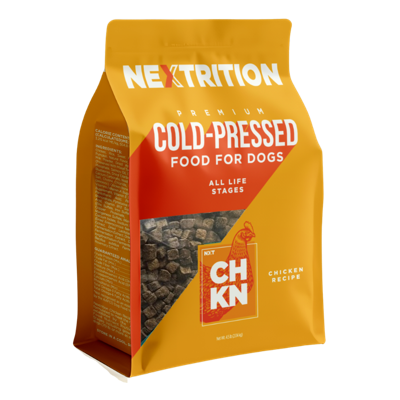
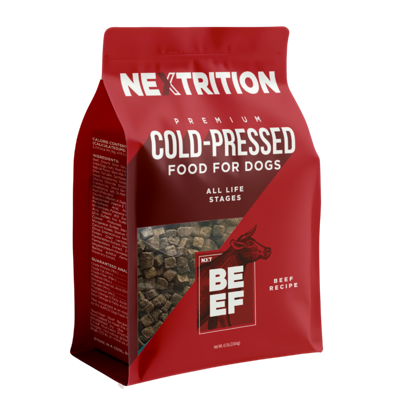
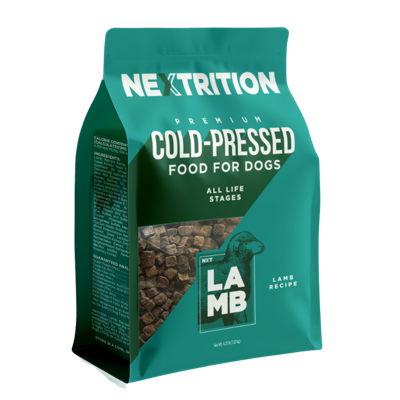
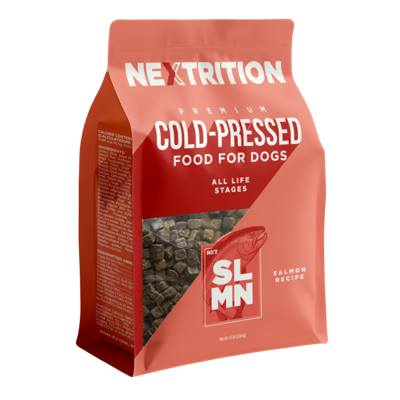
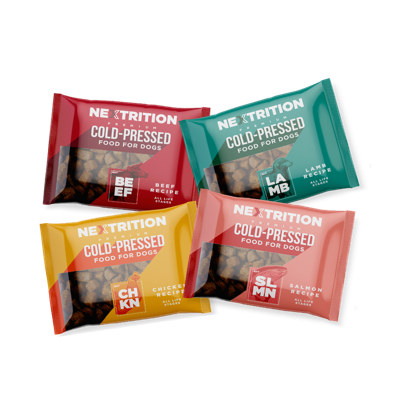
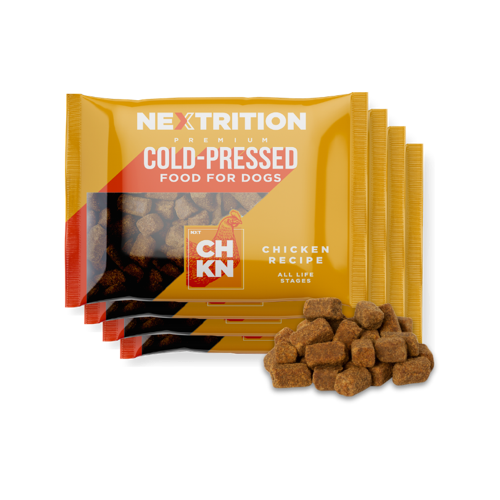
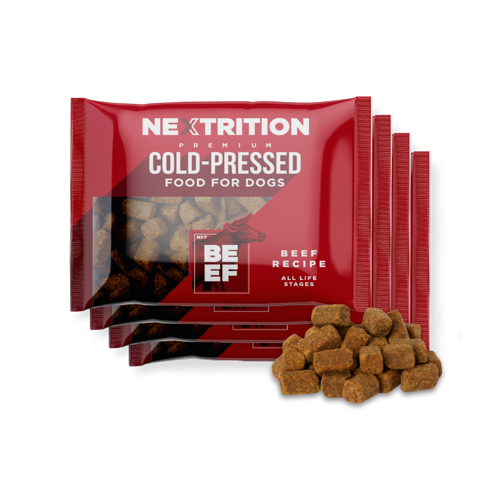
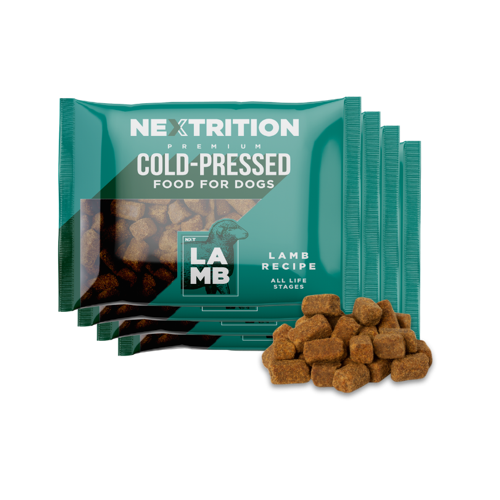
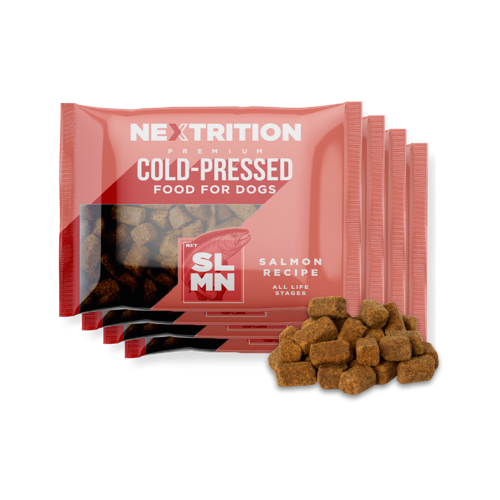
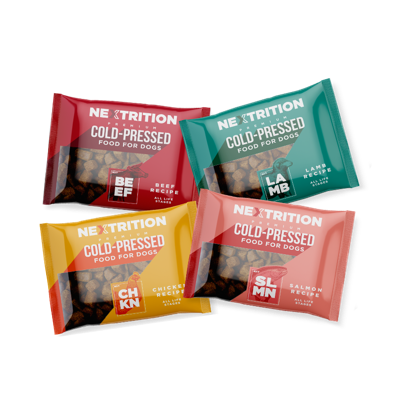
At Nextrition, our cold-pressed recipes are made at 3x lower temperatures and built around real meat with fruits and vegetables. We offer four recipes, including lamb, chicken, salmon, and beef. For dogs who do better on gentler, more digestible feeding routines, that approach can fit the goal of supporting stool quality and gut balance without turning mealtime into a science project.
We also offer a personalized meal plan, which is useful when you want to stop guessing on portions or forcing your dog into a one-size-fits-all formula. A lot of loose stool issues aren’t just about ingredients. They’re about feeding the wrong amount, the wrong way, for the dog in front of you.

Supportive Add-Ons That Can Help, and Their Limits
Owners always ask about supplements. Fair question. Some can help. None should be expected to rescue a poor diet.
Probiotics may help some dogs, especially when the gut microbiome is under stress. The evidence in acute canine diarrhea is mixed. Some studies show faster improvement trends, others don’t show clear superiority over other supportive care. That’s why we don’t position them like magic.
Prebiotics and fermentable fibers are useful because they feed beneficial gut microbes. Research on diets that include prebiotic fibers and related gut-supportive ingredients has shown encouraging results in acute diarrhea recovery. That’s usually more interesting than tossing a random powder on top of an unstable feeding plan.
Bland diets can be helpful short term. They’re simple and often easy on the gut. But they’re not something to rely on too long if your dog needs complete, balanced nutrition.
Clay-based or over-the-counter anti-diarrheal products get a lot of attention, though evidence in dogs is limited.
A good rule here: support is support. It doesn’t replace food quality, digestibility, or consistency.
Common Mistakes That Keep Stools Loose Longer
Most owners aren’t careless. They’re trying to help. But a few common mistakes keep dogs stuck in the cycle longer than necessary.
Here’s what we’d avoid:
- cycling through multiple foods in the same week
- giving treats because your dog seems hungry or pitiful during recovery
- assuming natural always means gentle
- overfeeding a premium food that’s otherwise well chosen
- restarting normal chews and snacks too soon
- using antibiotics as the default for every mild episode
- ignoring stress, daycare, boarding, scavenging, compost, or garbage access
That “natural equals safe” mistake catches a lot of smart people. Rich raw toppers, organ-heavy additions, and homemade extras can still overwhelm a sensitive gut.
And overfeeding matters. Even a high-quality food can create sloppy stools if the volume is too high. Good food doesn’t cancel out too much food.
How to Tell if the Diet Is Working
Don’t judge success by one slightly firmer stool. That’s how people get fooled.
Real improvement looks like fewer bowel movements, less urgency, more consistent stool shape, reduced mucus, better appetite, and steadier energy. You’re looking for a pattern that holds across several days.
Many uncomplicated cases improve within a few days with supportive feeding. Full stabilization can take longer, especially if your dog has had repeated flare-ups or a lot of food changes piled on top of each other.
One useful clue owners miss
If stools improve on a structured diet but relapse when treats or old foods return, that’s useful diagnostic information. The diet just told you something. Listen to it.
For dogs who do best when routine stays stable, a tailored feeding plan and regular subscription delivery can help keep that consistency in place. Sometimes convenience is part of gut health. Missed orders and backup foods create more digestive drama than people admit.

When Recurring Loose Stools Mean It Is Time for a Deeper Workup
Occasional dietary mishaps happen. Recurring loose stools are different.
If loose stools keep returning, your dog is losing weight, appetite is poor, vomiting is becoming part of the picture, skin issues are showing up, or there’s no improvement despite a careful diet reset, it’s time for a more complete veterinary workup.
That may include fecal testing and other baseline assessment to rule out parasites or more serious gastrointestinal disease. Seeking help here isn’t overreacting. Persistent patterns deserve actual answers.
When you talk to your vet, bring observations that matter:
- food history
- timing of transitions
- stool changes
- treat exposure
- stress events like boarding or travel
That kind of detail makes the conversation more productive. It also helps separate a true chronic issue from a management problem that just kept repeating.
Conclusion
Most mild loose stools improve with a calm, supportive approach. Not panic, not random swaps, not throwing six products at the bowl.
Stool quality is one of the clearest daily signals of gut health. When digestion improves, you usually see it there first. Better stools often start with simpler, more digestible nutrition, consistent feeding, and fewer reactive diet changes.
If you’re trying to figure out how to fix loose stools in dogs, strip the diet back to what is gentle and consistent, monitor the trend for a few days, and let the gut settle before you make your next move. If your dog needs a longer-term reset, a more tailored gut-supportive food approach, including a personalized cold-pressed plan built around your dog’s needs, can make that routine a lot more stable.


