




You can buy better food and still get loose stool if you rush it. Switching dog food gradually is what keeps a change from turning into a cleanup job.
What matters is simple: measure the mix, keep enough of the old food around, and watch your dog's stool before you add more of the new food. We don't need perfect, just steady.
A few things to keep straight:
- Richer food can hit too hard on day 1
- The same scoop can mean extra calories
- Soft stool usually means hold that ratio for two days, then move on
Why Switching Dog Food Gradually Protects Gut Health
If you want to upgrade your dog’s food, the instinct is usually simple: better food in, better health out. In practice, the body needs time to catch up. Switching dog food gradually is usually the difference between a smooth improvement and a week of regret.
A sudden swap can jolt the digestive system, especially if your dog has eaten the same formula for months or years. The stomach, enzymes, and gut bacteria all get used to a certain pattern. Change that pattern too fast and even a good food can create avoidable trouble.
This goes beyond a few messy stools. Your dog’s gut helps manage digestion, nutrient absorption, skin and coat condition, and immune function. About 70% of the immune system resides in the gut, so digestive stability has ripple effects well beyond the bowl.
Research in healthy puppies has shown that gradual food transitions lowered diarrhea compared with abrupt changes and supported a more favorable gut bacteria balance. That lines up with what we see in real feeding situations. Dogs usually do better when you let the gut adapt instead of forcing it.
A slower transition matters even more when the new food changes several variables at once:
- a new protein source
- a different fat level
- more or less fiber
- a different processing style
That last one gets overlooked. It shouldn’t.
If you’re moving from heavily processed kibble to a more premium food, the goal isn’t to prove how fast your dog can “handle” it. The goal is to protect the gut while getting to a better long-term place. Wanting a better food isn’t the problem. Rushing it usually is.
Better nutrition helps most when the gut is ready to use it.
What Actually Upsets a Dog’s Stomach During a Food Change
Most stomach upset during a food change isn’t random. There are a few predictable reasons it happens, and once you understand them, the process gets much easier to manage.
The first issue is the gut microbiome. Your dog’s digestive tract is home to a large community of bacteria that help break food down and support gut balance. Those microbes adapt to the food your dog eats regularly. When ingredients change, they need time to adjust too.
The second issue is simple digestion. Different foods behave differently in the body. Fat slows stomach emptying. Fiber changes stool texture and fermentation in the gut. Protein sources digest at different rates. Two foods can both be high quality and still feel very different to the dog eating them.
Then there’s calorie density. This one catches people all the time. If the new food is more nutrient dense, feeding the same scoop size can mean you accidentally overfeed on day one. That alone can cause loose stool, gas, or reduced appetite. It may look like the food is the problem when the portion is really the issue.
A practical example: moving from a lower-fat food to a much higher-fat food is often harder on digestion than switching between two foods with similar protein and fat levels. Richer isn’t automatically better if the jump is too sharp.
It also helps to separate two different situations:
- Transition speed issue: symptoms show up because the food was introduced too quickly
- Food fit issue: symptoms continue even when the transition is slowed and portions are appropriate
That distinction matters. We’ve seen dogs do poorly on a fast transition, then settle down completely when the same food is reintroduced more carefully. Good food introduced badly still causes problems.
For health-conscious owners moving away from standard kibble toward a real-ingredient diet, this is the mindset to keep. Thoughtful change beats dramatic change. Every time.
How Long Does It Take a Dog to Adjust to New Food?
The honest answer to how long does it take a dog to adjust to new food is: it depends on the dog, the old food, the new food, and how sensitive the digestive system is to change.
Most healthy adult dogs do well with a transition of at least 7 to 10 days. That’s a solid baseline, not a guarantee. Some dogs are easy. Some definitely aren’t.
Sensitive dogs often need more time. Ten days to three weeks is common, and some dogs do best with a transition stretched to four to six weeks. That’s not overcautious. That’s efficient in the long run because it avoids setbacks.
A few things tend to slow the timeline:
- a history of loose stool or a sensitive stomach
- puppy or senior age
- recent illness
- stress or routine disruption
- a big increase in richness, especially fat
- switching protein sources, like chicken to salmon
- changing food format, such as standard kibble to cold pressed food
This is where people get stuck. They assume a slower schedule means the new food isn’t working. Usually it means the dog needs more time.
A dog adjusting to new food is not on a deadline. Watch the dog, not the calendar. If stool, appetite, and energy stay steady, move forward. If something starts to wobble by the second or third day at a new ratio, hold there longer. The body is giving you the timeline.
How to Choose a New Food That Feels Easier on the Gut
A lot of people compare food by reading the front of the bag. That’s not enough. If you want a smoother transition, compare the overall nutritional character of the food, not just the headline ingredients.
Start here:
- primary protein source
- fat level
- fiber sources
- calorie density
- degree of processing
That last point deserves more attention than it gets. Minimally processed food can feel like a calmer choice for some dogs because the ingredients are more recognizable and the nutrient profile is often more intact. Less harsh processing can matter, especially if you’re already trying to support digestive comfort.
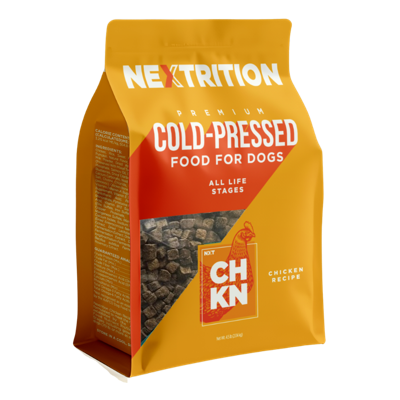
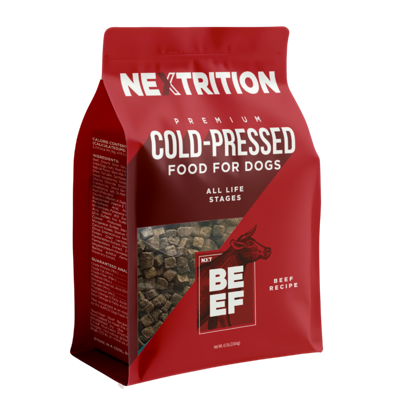
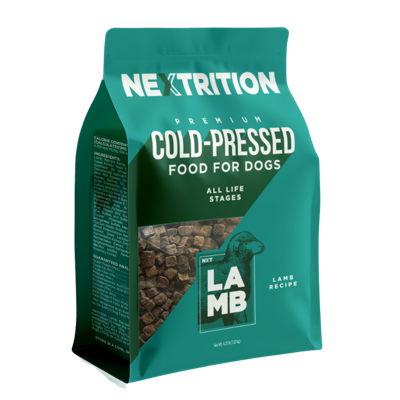
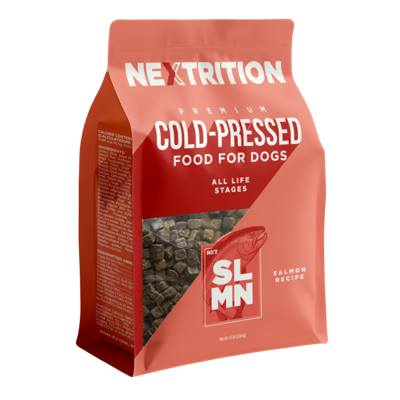
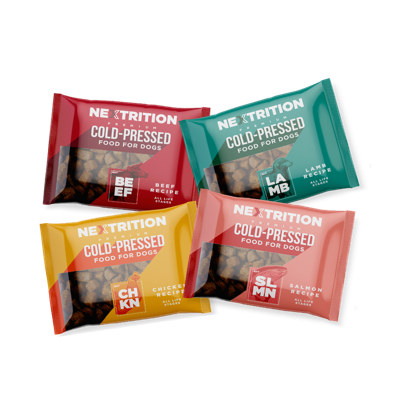
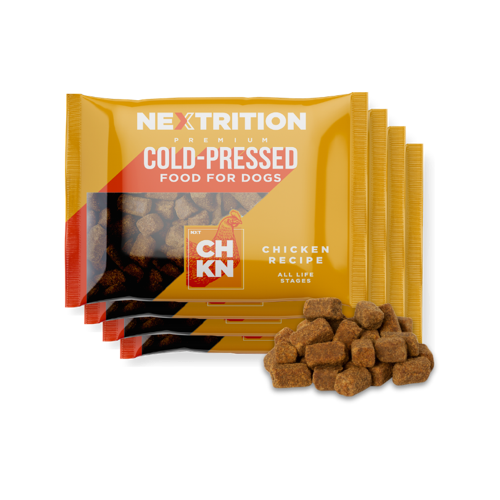
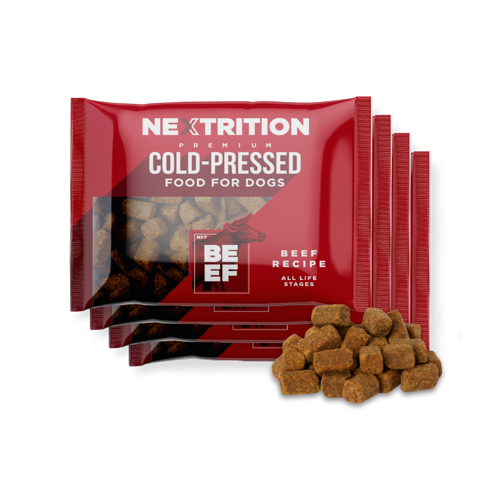
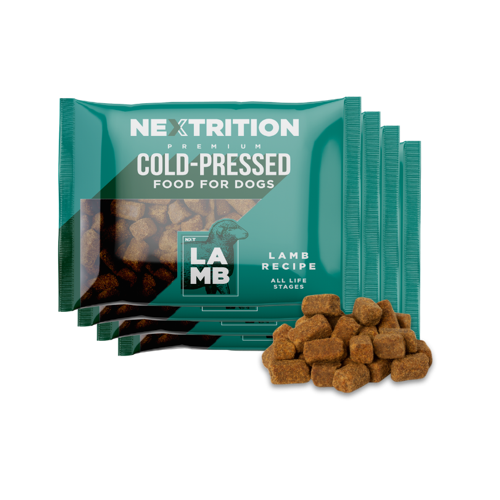
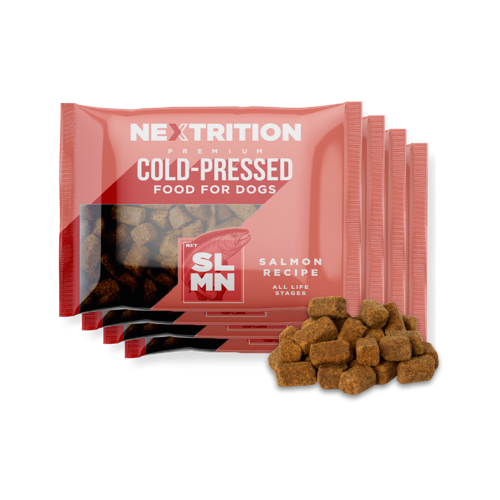
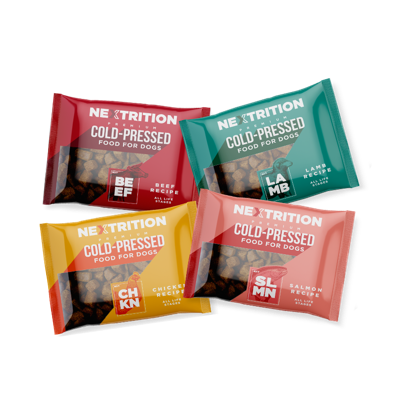
That’s one reason we make our food the way we do. Nextrition is cold pressed at 3 times lower temperatures to help preserve nutrients, and we use real meat, fruits, and vegetables in recipes built around lamb, chicken, salmon, and beef. Those recipe options matter because not every dog thrives on the same protein.
Sometimes the best move is not the trendiest formula. It’s the one your dog can settle into comfortably.
If you’re not sure where to start, a personalized meal plan helps reduce guesswork on both recipe choice and feeding amount. That matters during a transition. Picking the right recipe is only half the job. Feeding the right amount is the other half, and people underestimate how often that changes from one food to another.

A Simple Dog Food Transition Schedule for Most Dogs
Most dogs don’t need a complicated plan. They need a reasonable pace and a little consistency. A basic dog food transition schedule works well when the dog is healthy and the change isn’t being made during a stressful time.
Use this as a practical baseline:
- Days 1 to 3: 75% old food, 25% new food
- Days 4 to 6: 50% old food, 50% new food
- Days 7 to 9: 25% old food, 75% new food
- Day 10 and after: 100% new food if stool, appetite, and energy stay normal
For sensitive dogs, stretch each phase longer. Four days at each ratio is often better than three. Some dogs should start at less than 25% new food, especially if they have a history of stomach upset.
One operator’s note here: keep enough of the old food on hand. Running out turns a controlled transition into an abrupt switch, and then you’re troubleshooting a problem you created.
Also adjust portions based on the feeding guidelines for the new food. One cup of one food does not necessarily equal one cup of another in calories. Premium, nutrient-dense food often requires less volume. If you miss that detail, you can make a careful transition look like a food intolerance.

How to Switch Dog Food Without Upset Stomach
The schedule matters, but the daily routine is where transitions succeed or fail. Small handling mistakes add up fast.
Measure both foods instead of eyeballing the mix. Close enough is usually not close enough, especially once you’re trying to understand why stool changed at a certain stage.
Keep meal timing consistent too. If your dog normally eats twice a day, keep feeding twice a day. Don’t change the food and the routine at the same time unless you have to. Too many variables make it harder to read what’s happening.
A few habits help a lot:
- keep treats, table scraps, and toppers minimal during the transition
- make sure water intake stays normal
- check stool quality daily, not casually every few days
- note appetite, gas, and energy along with stool
If mild loose stool shows up after increasing the new food, don’t force your way through it. Drop back to the last well-tolerated ratio for a day or two, then try again. That often works better than stopping the new food altogether.
Consistency matters more than speed.
For premium food buyers, planning ahead matters too. Reliable reorder timing can prevent the old food from running out right when the transition is halfway done. A subscription can help with that. Not because subscriptions are exciting, but because digestive stability usually depends on boring logistics done well.
What Is Normal When a Dog Is Adjusting to New Food and What Is Not
Some change is normal. Trouble is not. The key is knowing the difference early enough to act calmly instead of guessing.
A few things can be normal during the adjustment period:
- slightly softer stool for a short stretch
- mild stomach sounds
- brief hesitation around a new smell or texture
What should make you slow the transition:
- ongoing loose stool
- noticeable gas
- reduced appetite
- stool changes that appear as the amount of new food increases
Those signs don’t always mean the food is wrong. Often they mean the pace is wrong.
What is not normal and deserves a call to your veterinarian:
- repeated vomiting
- liquid diarrhea
- a painful abdomen
- lethargy
- persistent refusal to eat
Keep a simple record if needed. Nothing fancy. Note the day, the food ratio, stool consistency, appetite, and anything unusual. If you do need support, that information is far more useful than saying your dog “seemed off for a bit.”
The goal isn’t to push through symptoms to stay on schedule. Listen to the body you’re feeding.
When to Slow the Transition Even More
Some dogs need extra time, and there’s no prize for pretending they don’t. A slower transition is often the most efficient route for dogs that are already more vulnerable.
Be prepared to extend the schedule for:
- puppies
- seniors
- dogs with previous digestive sensitivity
- dogs recovering from illness
- dogs with known food intolerances
- dogs moving to a richer or very different type of diet
Puppies deserve a special mention. Available research suggests they may be especially vulnerable to diarrhea during abrupt food changes. Their systems are still developing, so fast transitions are a poor bet.
Stress matters too. Travel, boarding, moving, a new routine, even a busy household week can affect digestion. That’s usually not the ideal moment to change food unless you have a strong reason.
If your dog has a history of soft stool, stretch each stage of the dog food transition schedule. If you’re moving from standard kibble to a more nutrient-dense cold pressed food, go slower than you think you need to. It’s easier to speed up later than to clean up a rushed start.
Change one variable at a time. That’s a rule worth keeping.
Common Mistakes That Make Food Transitions Harder Than They Need to Be
Most transition problems come from a handful of avoidable mistakes. Not dramatic mistakes, just common ones.
Here are the big ones:
- switching abruptly because the old bag ran out
- assuming better ingredients mean the dog can handle a faster transition
- feeding the same volume without recalculating portions
- adding new treats, supplements, or toppers in the same week
- choosing food based on marketing language instead of ingredient quality, nutrient profile, and digestibility
- ignoring early signs that the pace is too fast
- treating a temporary adjustment issue as proof the food is wrong
There’s another mistake on the other side of the spectrum. Some people dismiss serious symptoms as “just part of transitioning.” They’re not. Persistent vomiting, liquid diarrhea, or major discomfort should not be normalized.
A useful mindset here is simple: don’t be rigid, and don’t be casual. Most dogs don’t need drama. They need you to pay attention.
How to Know Whether the New Food Is Truly a Better Fit
Once the transition period is over, stop focusing on the switch itself and look at the dog in front of you. That’s where the answer is.
Signs a new food is actually a better fit include:
- better stool quality
- steadier appetite
- comfortable digestion
- good energy
- healthy skin and coat
Give it a little time. Early excitement around a new bag doesn’t tell you much. The real question is how your dog feels and functions after the adjustment period settles out.
Thoughtful nourishment means choosing food your dog can digest and use well, not the one making the loudest claims. That’s a more grounded standard, and honestly, a more useful one.
Our view has always been pretty straightforward. Real meat, fruits, and vegetables make sense. Lower-temperature cold pressing makes sense. Having recipe options makes sense because dogs are individuals, not feeding categories.
That shift matters. It moves you away from reactive feeding, where every symptom causes a panic change, and toward steady care that supports digestion, immunity, skin, coat, and overall wellbeing over time.
Conclusion
Switching dog food gradually gives your dog the best chance to improve nutrition without creating the digestive upset you were trying to avoid in the first place. Most dogs need at least 7 to 10 days. Sensitive dogs often need longer.
Mild symptoms usually mean slow down. Severe symptoms deserve veterinary attention. And when you’re deciding how fast to move, your dog’s response matters more than any rigid schedule.
Start with a recipe that actually fits your dog’s needs. Build a realistic dog food transition schedule. Measure carefully, stay consistent, and give the gut time to adapt. Done right, mealtime stops feeling like a gamble and starts becoming what it should be: steady support.


