




People often wait too long. When to change dog food usually shows up before the big mess: soft stools, extra scratching, stomach noise, or a dog that keeps walking away from the bowl.
What matters is the pattern, not one bad day. If those signs keep stacking up, the current food may be the wrong fit, even if your dog still eats it.
Start here:
- Loose stools that repeat for days
- Itching or coat changes that keep showing up with gut issues
- How to switch slowly so you don't turn a small gut issue into a week-long one
The Signs Your Dog’s Current Food May No Longer Be Working
Most owners don’t miss the obvious stuff. They notice diarrhea, vomiting, or a dog that suddenly won’t eat. The harder question is the real one: is this just a weird couple of days, or is the current food no longer a good fit?
Usually, the answer is in the pattern.
Digestive changes are often the first clue. If your dog has recurring loose stools, frequent diarrhea, extra gas, bloating, stomach noises that seem to happen after meals, vomiting, a drop in appetite, or bad breath that seems tied to digestion, the bowl deserves a closer look. One soft stool after raiding the yard isn’t the same as stools that are off three times a week for a month. Dogs tell the truth in repetition.
Non-digestive signs matter too, and they get missed all the time. We’ve seen dogs look “fine” on paper while dealing with itchy skin, a dull coat, low energy, unexplained weight gain, discomfort after meals, or picky eating that gets brushed off as attitude. Sometimes walking away from the bowl isn’t stubbornness. Sometimes it’s self-protection.
These can all show up as dog food intolerance symptoms, especially in sensitive dogs:
- loose or inconsistent stools
- gas that suddenly becomes routine
- vomiting or lip licking after meals
- reduced appetite
- itching without a clear seasonal trigger
- coat quality slipping
- lower energy than usual
A dog can tolerate a food and still not do well on it. That’s an important distinction. “Not falling apart” is not the same as thriving.
Sensitive dogs usually whisper before they scream.
If the signs are small but steady over days or weeks, pay attention. That’s often when a thoughtful food change helps most.
Why Gut Health Clues Matter More Than Many Owners Realize
A lot of people still think gut health begins and ends with poop. It doesn’t. The gut affects comfort, appetite, skin, energy, and a big piece of immune resilience.
Roughly 70% of a dog’s immune system is connected to the gut. So when you see recurring digestive upset, skin flare-ups, and sluggishness showing up together, that’s not random bad luck. Those systems are connected. The body is working with what it’s getting, or struggling to.
Food quality and digestibility shape that picture. So does ingredient fit. A recipe can look impressive on the bag and still be a poor match for the dog eating it. That’s where a gentler, simpler approach often wins. Less noise. Fewer surprises. Better odds the dog can actually use what’s in the bowl.
That’s part of why we believe in cold-pressed food made at lower temperatures, with real meat, fruits, and vegetables. The point isn’t novelty. The point is preserving more of what matters and making feeding simpler on the gut.
Food changes shouldn’t be panic moves. They should be alignment moves. You’re not chasing trends. You’re matching the food to the dog in front of you.
When to Change Dog Food and When to Wait a Little Longer
If you’re wondering when to change dog food, start by separating recurring signs from short-lived disruptions. Timing matters as much as the formula.
A food change often makes sense when you’re seeing one or more of these on repeat:
- loose stools or diarrhea that keeps returning
- persistent gas or stomach upset
- itching or declining coat quality that doesn’t let up
- refusal to eat the current food
- a life stage shift from puppy to adult, or adult to senior
- a vet recommending a diet change for a health issue
- the current food being discontinued, recalled, or hard to get long term
There are also times to slow down and watch. If your dog had one mild stomach issue after getting into something odd, is under short-term stress, or skips a meal during a hot day or a disrupted routine, an immediate switch may create more confusion than clarity. Not every blip needs a new bag of food.
Life stage matters more than people think. Many dogs transition from puppy food at around one year. Large and giant breeds often need longer, sometimes until about 15 to 18 months, because skeletal maturity takes more time. Senior diet changes commonly come into the picture around 6 to 9 years, depending on the dog’s size, body condition, and overall health.
Here’s the operator view: don’t switch food just because something looked off once on a Tuesday. Switch when the signals repeat, or when the dog’s needs have clearly changed.
If there’s a suspected food reaction or a medical diet is in play, bring your veterinarian in early. Those cases need structure, not guesswork.
How to Tell if Dog Food Is Hard to Digest
When owners ask how to tell if dog food is hard to digest, they usually mean this: “Is this food making my dog work too hard for basic comfort?”
That’s the right question. And the answer isn’t just on the ingredient panel.
Digestibility shows up in response. A food may be hard on your dog if you keep seeing soft stools, frequent bowel movements, urgency, straining, excessive flatulence, visible discomfort after eating, vomiting after meals, or a dip in meal enthusiasm. Sometimes the stool isn’t terrible, but the dog looks unsettled an hour after dinner. That counts.
A richer formula often exposes this fast. Big jumps in fat level or overall richness can be rough on sensitive stomachs, especially if the switch was abrupt. We see this all the time. People upgrade to a “better” food, switch too fast, then blame the new food when the real issue was the transition or the mismatch in richness.
That doesn’t automatically mean the food is low quality. It may simply be the wrong fit for that dog, at least in that amount, at that pace.
Watch for clusters, not isolated events:
- stool quality getting softer after a switch
- more gas than usual by the second afternoon
- reluctance to finish meals
- post-meal discomfort even when appetite is decent
- coat or energy slipping alongside digestion
One meal won’t tell you much. A week often will.
Dog Food Intolerance Symptoms vs Allergy vs a Simple Sensitive Stomach
This is where owners get tangled up. Loose stools and itching can look like “allergies” online, but the reality is less tidy.
Food intolerance is an adverse response that does not involve the immune system. It often shows up as loose stools, vomiting, gas, stomach discomfort, or an inconsistent appetite. The dog eats the food, but the body doesn’t handle it well.
Food allergy is immune-related. It’s real, but true food allergies are less common than many people assume. Signs can include vomiting or diarrhea, but also itching, especially around the ears, feet, or rear, plus nonseasonal skin issues that keep coming back.
A simple sensitive stomach may look similar on the surface. The dog may do poorly with sudden changes, rich foods, or certain formulas, without it being a true allergy.
What you can and can’t tell at home
You can observe patterns. You cannot reliably diagnose intolerance versus allergy from symptoms alone.
That matters because blood and saliva testing for food allergies aren’t considered reliable for this job. If a vet suspects an adverse food reaction, the more useful path is a structured food trial.
Typical timing looks like this:
- GI-related food trials are often judged over about 2 to 4 weeks.
- Skin-related trials may need 8 to 12 weeks.
- During that time, the dog should eat only the selected trial diet.
That last part trips people up. A little chew here, a leftover bite there, one high-value treat after a walk, and suddenly the picture is muddy again. If you need a real elimination or prescription trial, precision beats variety every time.

Reasons Dogs Need a Food Change at Different Stages of Life
Sometimes the issue isn’t intolerance at all. It’s that the dog has changed and the food hasn’t.
Puppies need growth-focused nutrition. Many move to adult food around one year, but larger breeds may need longer before switching. Feeding an adult formula too early can be just as unhelpful as staying on puppy food too long. Bigger dogs tend to make us earn our patience.
Older dogs change too. As metabolism slows, calorie needs often shift. Some seniors do better on foods that are easier to digest and offer more targeted nutritional support. Around 6 to 9 years is often when owners start noticing that the old routine doesn’t hit the same way.
Health conditions can force the decision more clearly. Kidney disease, diabetes, gastrointestinal disease, liver disease, urinary issues, food sensitivities, and weight management needs can all require diet changes. Some of those situations call for therapeutic diets, not shelf browsing.
Then there are the practical reasons:
- the product is discontinued
- a recall changes your plans overnight
- your dog simply won’t eat it anymore
- your budget shifts and you need consistency you can maintain
Changing food over a dog’s lifetime is normal. Doing it impulsively isn’t. When a dog’s system is clearly asking for a better fit, premium nutrition stops being a luxury conversation and becomes a practical one.
What to Look for in the Next Food if Gut Health Is the Priority
Once you’ve decided a change makes sense, the next step is choosing well. Not dramatically. Just well.
Start with a short list of criteria:
- a clear, quality protein source
- ingredient simplicity
- good digestibility
- richness that suits your individual dog
- the right life-stage fit
- a feeding plan you can actually stick with
Some dogs do better when the recipe is gentler and easier to interpret. Real meat. Natural ingredients. Fruits and vegetables you recognize. Not an overloaded formula that looks exciting on the label but creates friction in the gut.
Fit beats hype. Always.
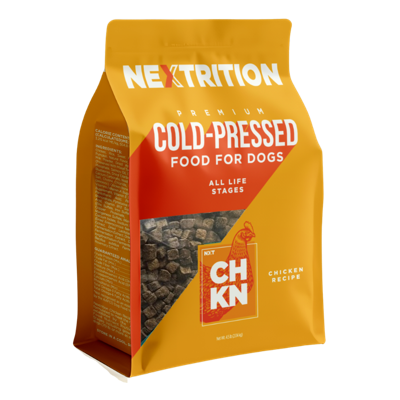
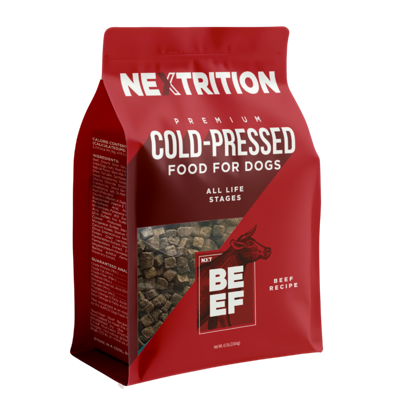
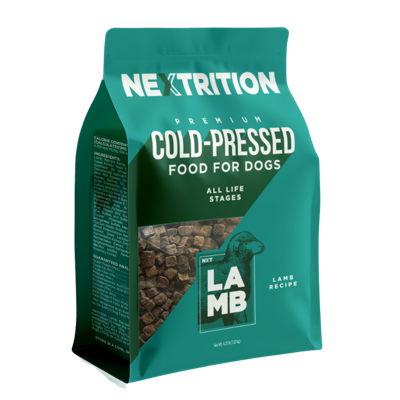
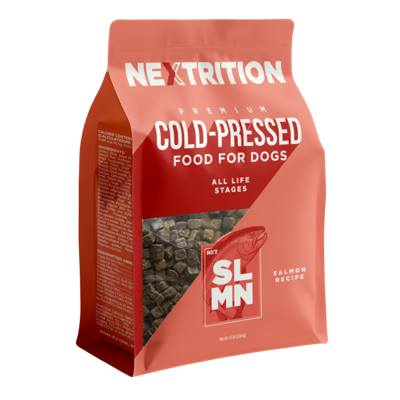
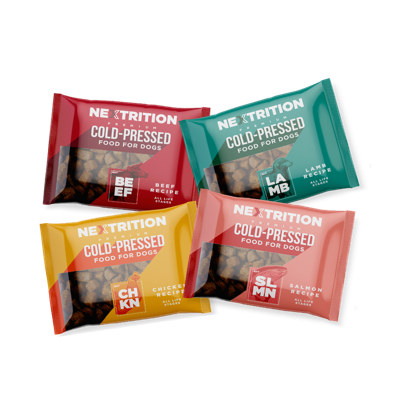
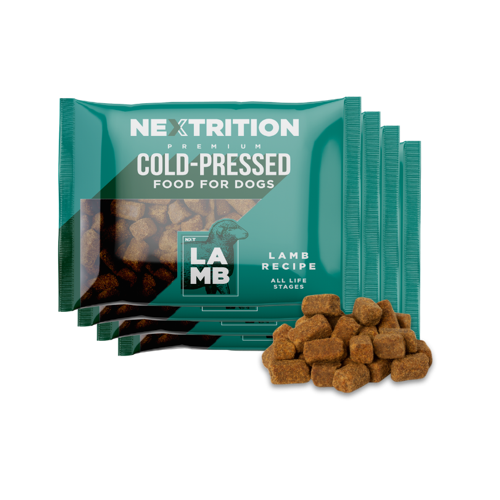
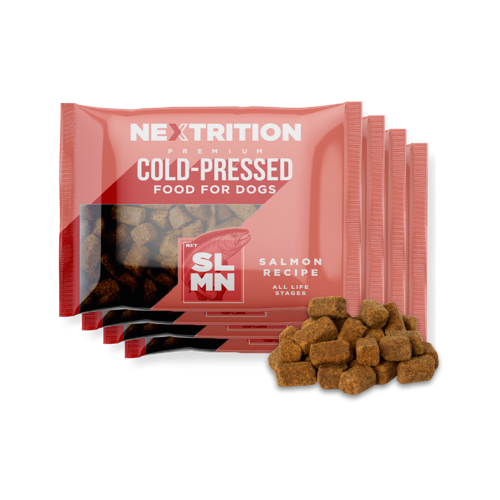
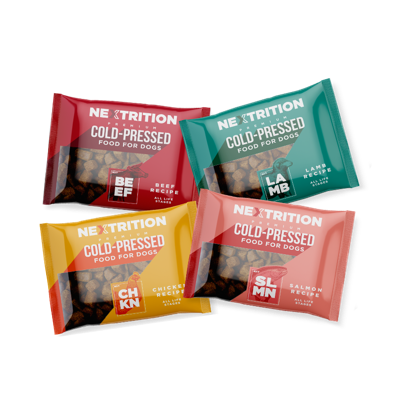
If your dog has taste preferences or possible sensitivities, having a few sensible recipe options helps. That’s one reason we offer lamb, chicken, salmon, and beef. It gives you room to choose without turning feeding into constant experimentation. And if you’re not sure where to begin, a personalized meal plan can narrow the field fast.
A non-obvious point here: if you’re replacing a food that worked but is no longer available, a comparable nutrient profile can make the transition easier than chasing a completely different formula.
Also watch the extras. Treats, chews, toppers, table scraps. If they make up more than a small share of daily calories, they can confuse the picture and make a decent food look like the problem.
How to Switch Dog Food Safely Without Triggering More Digestive Upset
If you want to know how to switch dog food safely, keep the rule simple: gradual transitions are usually best. Sudden changes can upset the GI tract, even when the new food is a better long-term fit.
A practical schedule looks like this:
- Days 1 to 2: 75% old food, 25% new food
- Days 3 to 4: 50% old food, 50% new food
- Days 5 to 6: 25% old food, 75% new food
- Day 7: 100% new food
For dogs with especially sensitive stomachs, stretch that out beyond a week. Ten to fourteen days is often more realistic.
There’s good reason for this. Research in puppies found that gradual dietary transition reduced diarrhea compared with abrupt change. It was also linked to a more favorable shift in beneficial gut bacteria, while abrupt changes caused more disruptive shifts in gut-related metabolites. In plain language, the gut needs time to adapt.
A few practical rules make a real difference:
- keep meal times steady
- don’t increase portions just because the dog likes the new food
- avoid new treats and toppers during the switch
- monitor stool, energy, skin, and appetite daily
There is one exception. Sometimes a veterinarian may recommend an immediate switch, such as a bland or prescription approach for a specific medical reason. When that happens, follow the medical plan, not the general rule.
Once you find a food that clearly works, consistency matters. Something as simple as subscription delivery can help keep that consistency in place and prevent last-minute food swaps that set you back.

What to Expect in the First Few Weeks After a Food Change
The first week tells you something. The first few weeks tell you more.
Early improvements often show up in stool consistency, gas frequency, appetite, and general meal enthusiasm. A dog that was hesitant at the bowl may start eating more confidently within days. That’s useful information. Digestion tends to respond before skin and coat do.
Skin, licking, scratching, coat texture, and shine usually take longer. Energy can be tricky too. Better stools with lower energy is not the same as full improvement.
Keep a simple log. Nothing fancy. Food amount, stool quality, gas, scratching, appetite, energy. Two minutes a day is enough. Without a log, most people remember the worst day and forget the trend.
A mild adjustment period can happen. Persistent diarrhea, repeated vomiting, or refusal to eat means reassessment, not blind optimism. And if you’re testing for a possible food reaction, don’t let treat drift ruin the signal. That’s one of the most common mistakes we see.
Calm observation beats random switching.
Red Flags That Mean It Is Time to Call Your Veterinarian
Some signs mean stop experimenting at home.
Call your veterinarian if you’re seeing:
- ongoing vomiting
- severe or persistent diarrhea
- rapid weight loss
- lethargy
- refusal to eat
- signs of dehydration
- recurring GI symptoms despite a careful transition
This is especially important if the dog has chronic GI issues, suspected allergies, or another medical condition. Some cases require therapeutic diets and structured guidance. They should not be managed through repeated trial and error with over-the-counter foods alone.
Getting help early isn’t overreacting. If symptoms are recurring or getting worse, that’s the right move.
Conclusion
Knowing when to change dog food isn’t about chasing the latest label or reacting to one off day. It’s about noticing repeatable gut health signs, life stage changes, and shifts in overall vitality.
Loose stools, gas, itching, low energy, bad breath, and picky eating are worth paying attention to when they form a pattern. Dogs often give you the answer in small clues first.
If a change is needed, go gradual. A slower transition is usually safer for the gut and more likely to lead to better digestive outcomes than an abrupt switch.
So start simple. Watch your dog closely. Choose a food that’s easier to match to their real needs. Transition slowly. And if you want a more confident starting point, use a personalized feeding approach that helps take the guesswork out of the next bowl.


