




Is kibble hard to digest? It can be, and a lot of people miss the clues because they look ordinary, like gas, huge stools, or random itching.
What matters is how the food is made and how your dog acts after eating, not just the label. We don't want you guessing. Start with these three checks.
- Big stools usually mean more waste, not better use of the food.
- Belly noise, grass eating, and a flat post meal slump all count.
- Named proteins and gentler processing tell you more than pretty bag claims.
The Short Answer: Kibble Can Be Harder to Digest for Some Dogs
If you've been asking is kibble hard to digest, the honest answer is yes, sometimes. Not every dry food causes problems, and not every dog struggles with it, but some kibble is clearly harder on digestion than others.
Digestibility isn't just about whether your dog can keep food down. It's about how well that food gets broken down, absorbed, and actually used without creating extra stress in the gut. A dog can eat the same bowl every day and still show you, in small ways, that it isn't going that smoothly.
That matters well beyond poop. Gut health affects comfort, energy, skin, coat, and immune function. Around 70% of the immune system lives in the gut, so when digestion is off, it rarely stays in one lane.
A lot of owners normalize the signs because they're common. Burping after meals. Big stools. Random grass eating. Paw licking. A dog who looks a little flat after eating. Common doesn't mean ideal.
If the bowl goes down easily but the body works hard to deal with it, that's not a great food fit.
So the better question isn't only whether kibble is hard to digest. It's what makes one dry food more gut-friendly than another, and whether your dog is actually thriving on the one in front of them.
Why Processing Matters as Much as the Ingredient List
Two dog foods can start with similar ingredients and behave very differently in the body. That's the part most labels don't help you see.
Traditional kibble is usually made through extrusion. In plain terms, ingredients are mixed, heated, steamed, pressurized, pushed through machinery, then dried. Heat is part of it. Pressure is part of it. Mechanical force is part of it too. All of that changes the final food.
That process can alter starches, proteins, and fats in ways that affect digestibility. Research has shown that changing extrusion conditions alone can change how much starch is cooked and how much remains available, or resistant, to enzymatic digestion. Same basic recipe. Different digestive outcome.
One especially useful detail from that research: lower mechanical energy during extrusion retained more resistant starch and reduced starch gelatinization. That's not trivia. It tells you the process intensity directly changes what your dog's digestive system has to handle.
Protein follows a similar pattern. Mild thermal processing can improve digestibility. Push heat too far and protein quality can start to slide. We see this mistake all the time in pet food conversations. People stare at the ingredient list and ignore the manufacturing method, when the method may be doing half the damage.
What to take from that
When you're choosing food for digestive health, look at both:
- What is in the food
- How the food was made
A clean ingredient panel doesn't automatically cancel out aggressive processing. That's where a lot of the friction starts.

Not All Kibble Works the Same Way in the Gut
It's worth saying clearly: not all kibble performs the same, and we don't think lumping every dry food into one category helps anyone make a better decision.
Protein source matters. Fiber type matters. Starch source matters. Processing method matters. Those variables affect stool quality, nutrient use, and even metabolic response after meals.
Research on extruded diets shows this pretty well. Different carbohydrate systems behaved differently during manufacturing, even when overall nutrient digestibility looked similar on paper. But fiber utilization and fecal quality still changed. That's a good reminder that lab similarities don't always translate into the same day-to-day experience in your dog.
Another point that tends to surprise people: even among premium extruded foods, digestibility can vary meaningfully by formula. In vitro work found some fish-based options outperformed lamb- and poultry-based options on average. So if you've already spent more and still have a dog with gas or inconsistent stools, you're not imagining it. Price is a weak shortcut.
Some expensive foods are still hard work for the gut.
A more useful lens
Instead of asking whether kibble is good or bad, ask:
- Does this formula leave your dog with stable stools?
- Is stool volume reasonable, or are you seeing a lot of waste?
- Does your dog seem comfortable after meals?
- Are skin, coat, appetite, and energy steady?
That's how we look at it operationally. The goal is to spot when a highly processed dry food is no longer serving your dog well, even if the bag sounds impressive.
What Can Make Dry Food Tougher on Digestion
There are a few repeat offenders. Once you know them, you start seeing why some dogs do fine on one bag and struggle on another.
Higher-heat, higher-shear processing can change nutrient structure and starch behavior. That can affect how food moves through the gut, how satisfying it feels, and what comes out the other end. Heavily refined starch systems can add to that problem. Texture and starch cook aren't just manufacturing details. They influence digestion and stool output in very practical ways.
Ingredient transparency matters too. We'd rather see named animal proteins and recognizable whole-food ingredients than vague animal ingredients or heavily processed blends. If the label feels like it's hiding the food, that's usually not a great sign.
Research backs some of this up. A dry formula built around fresh chicken performed better than meal-heavy alternatives on protein quality, lipid quality, and in vitro digestibility. That's not a reason to obsess over one ingredient. It's a reason to pay attention to ingredient form and formula construction.
Then there's fiber balance. Some dogs need more support here than owners realize. A formula can look technically complete and still leave a dog with looser stools, bigger stools, or more bathroom trips than you'd expect.
Here's the real-world version:
- Food that causes frequent gas is creating friction
- Food that leads to large, soft stools often isn't being used efficiently
- Food with vague sourcing gives you less confidence before you even open the bag
Convenience on paper can still feel rough inside your dog's body. That's the disconnect many owners are trying to solve.
The Signs Your Dog’s Current Food May Not Be Working
Dogs usually don't make this complicated. They show you patterns.
Some signs are clearly digestive:
- Frequent gas
- Inconsistent stool shape
- Loose stools
- Large stool volume
- Stomach noises
- Repeated grass eating
Others look unrelated until you step back:
- Itching
- Excessive paw licking
- Dull coat
- Uneven appetite
- Lower energy than usual
Minimally processed diets have been associated with improved fecal consistency compared with extruded kibble. That's why stool quality is such a useful marker. It's not glamorous, but it's honest. Lower defecation frequency and lower fecal calorie loss seen with fresher diets also suggest some dogs are simply using the food better.
Watch the pattern, not the one-off
One odd stool doesn't prove anything. A stressful day, a random treat, eating too fast, all of that happens.
But if by the second afternoon after most meals your dog is gassy, if the stool swings from firm to loose every few days, if licking and scratching seem to flare without another clear reason, that's not noise anymore. That's feedback.
Healthy digestion should feel quiet.
A lot of owners only notice how much low-grade discomfort was there after it starts to improve.

Cold Pressed vs Kibble: What Changes for Digestion
If you're comparing cold pressed vs kibble, the key difference is processing intensity.
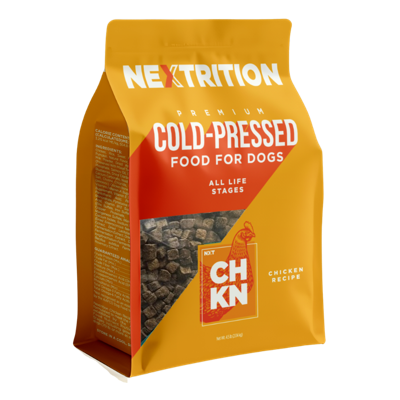
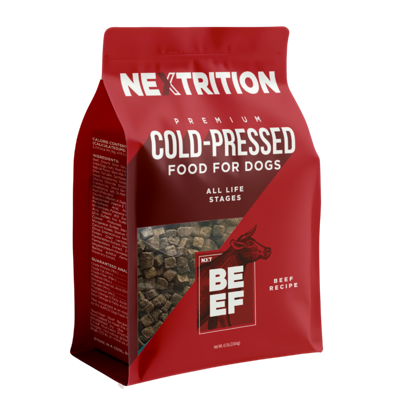
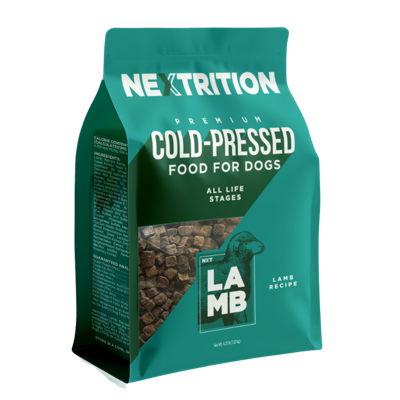
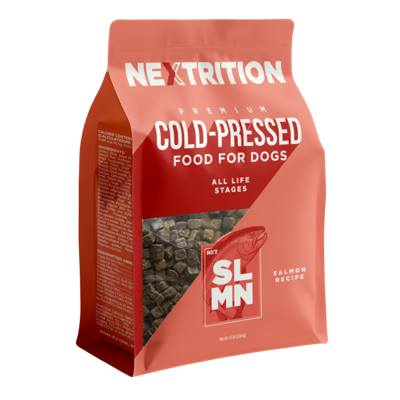
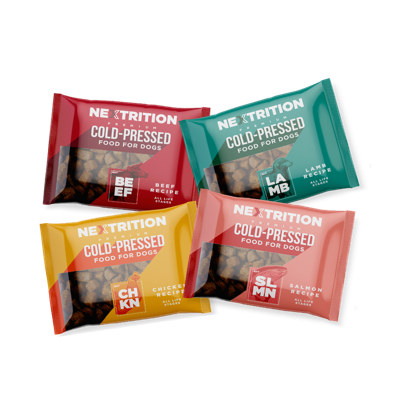
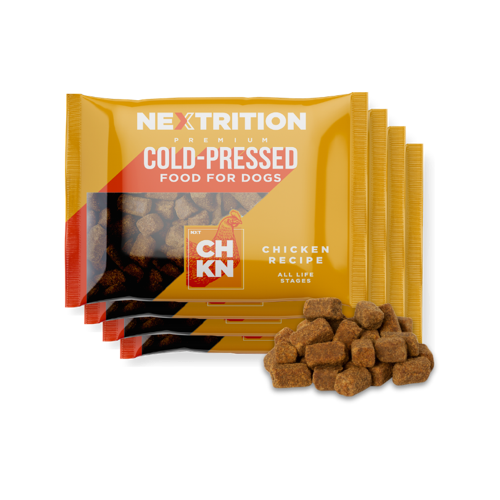
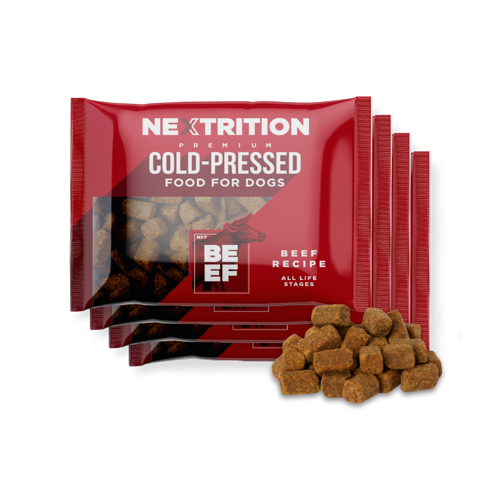
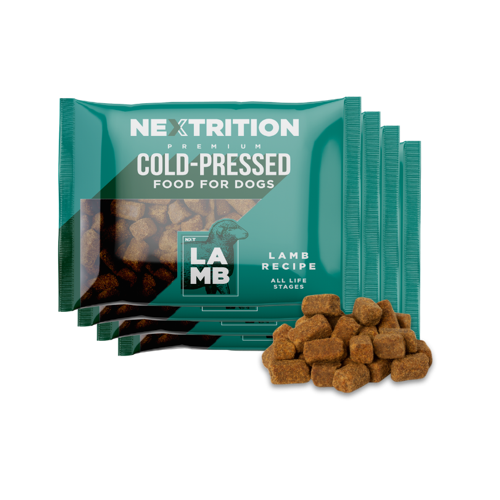
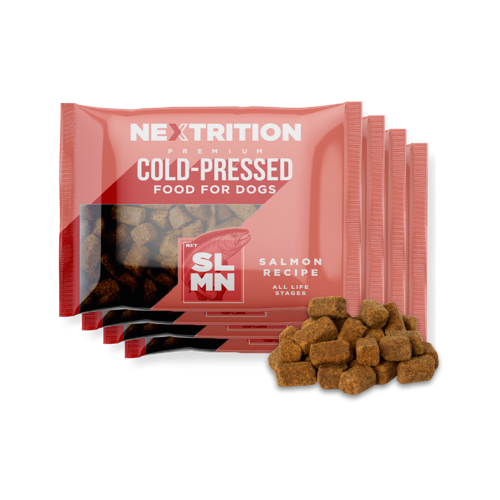
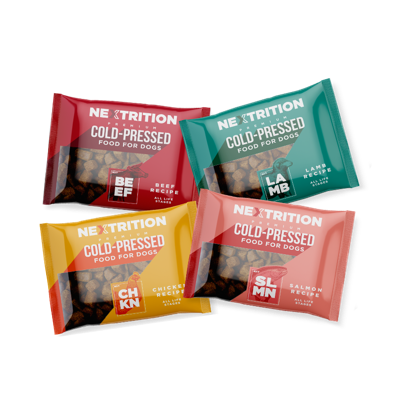
Traditional kibble is typically extruded. Cold-pressed dog food is made with less aggressive processing, and in our case at Nextrition, at 3x lower temperatures. We use real meat, fruits, and vegetables in lamb, chicken, salmon, and beef recipes, with natural ingredients and Rocky Mountain waters. The point isn't to make the food sound fancy. The point is to reduce unnecessary stress in how the food is made.
Lower-temperature production is intended to preserve more of what the ingredients naturally offer and avoid some of the burden that comes with excessive heat treatment. We don't pretend cold-pressed and lightly cooked foods are identical, because they're not. But they belong in the same broader conversation: can less aggressive processing support easier digestion? In many dogs, that's a very reasonable next question.
Research comparing less processed diets with extruded kibble has found differences in stool quality, post-meal glycemic response, gut microbiome patterns, and hormone responses tied to digestion and satiety. That's not a promise that one format fixes every dog. It's a strong signal that format matters.
For a dog who doesn't seem to thrive on standard kibble, switching among similar extruded bags often turns into expensive guesswork. A lower-processed format is usually the more logical move.
What Easy to Digest Dog Food Usually Looks Like
You don't need a lab coat to judge easy to digest dog food well. You need a short checklist and a little discipline.
Start with named animal proteins. Add recognizable supporting ingredients. Keep an eye out for simpler recipe structure instead of a long list trying to impress you. In practice, easier digestion usually comes from food that's nutrient-dense, thoughtfully processed, and built from ingredients you can actually understand.
The traits we look for
- Named proteins, not vague animal terms
- Real meat, fruits, and vegetables, not a recipe built around filler logic
- Thoughtful processing, especially if your dog has a sensitive stomach
- Visible comfort, meaning better stools, less gas, steadier appetite
- Reasonable waste, because digestibility shows up in what gets left behind
That's the shape of digestive friendly dog food. It should feel supportive, not heavy. For dogs with sensitive systems, truly gentle food for dogs tends to be simpler, cleaner, and less aggressively processed.
One thing sophisticated buyers get right: they stop relying on words like premium or natural by themselves. Those words don't digest. Ingredients, processing, and your dog's response do.
How to Choose a Digestive Friendly Dog Food for Your Dog
The best decision framework is simple, but not casual.
Start with your dog's actual symptoms and goals. Better stools? Less gas? Calmer skin? More stable energy? Better appetite? A shinier coat? You need a target before you can judge whether a food is helping.
Then evaluate in this order:
- Processing method
- Ingredient quality
- Formula fit for your dog's age, activity, and sensitivities
That order matters. If the food is harshly processed, a nice-looking ingredient list may not save it. After that, compare transparency. Are protein sources clearly named? Are the ingredients recognizable? Is the food positioned around gut support, or mostly flavor and convenience?
Don't assume grain-free, high-protein, or expensive means easier to digest. Research doesn't support that shortcut. Digestibility varies widely, even within premium dry foods.
At Nextrition, we try to make this less of a guessing game. Our personalized meal plan helps you choose among cold-pressed lamb, chicken, salmon, and beef recipes based on your dog's needs. Not every dog needs the same formula, and acting like they do is lazy feeding. You can order once or set up a subscription, which helps with consistency. That matters more than people think, because constantly changing foods makes digestion harder to read.
How to Switch Foods Without Making the Gut More Stressed
Even a better food can cause temporary disruption if you rush the handoff. We've seen owners blame the new food when the real problem was the speed of the switch.
Go gradually. Increase the new food as tolerated while watching stool quality, appetite, and comfort. There's no prize for doing it fast.
Keep the transition clean
- Change one variable at a time
- Don't add new treats at the same time
- Keep table scraps and chews steady, or pause them if possible
- Track daily notes for 1 to 2 weeks
A simple digestion log helps more than people expect. Write down stool consistency, frequency, gas, itching, energy, and enthusiasm at mealtime. Patterns become obvious fast when they're on paper.
Research suggests dogs can physiologically adapt to a new dry food fairly quickly. That's useful. But owner-observed comfort still benefits from a thoughtful transition. The gut may adapt before the household feels stable again.

When Digestive Issues Need More Than a Food Change
Food is foundational, but it doesn't solve everything. We think it's important to say that plainly.
If your dog has persistent vomiting, weight loss, chronic diarrhea, blood in the stool, marked lethargy, or severe itching, get veterinary support. Those are not problems to manage with a bag change and optimism.
You may need to rule out:
- Parasites
- Infections
- Food allergies
- Pancreatitis
- Chronic gastrointestinal conditions
A gentler food can absolutely support recovery and long-term comfort. But it isn't a substitute for medical care when red flags are present. The right diet works best when it's matched to the dog's actual health picture, not just the owner's best guess.
Sometimes the smartest feeding decision starts at the vet's office.
Conclusion
If you've been wondering is kibble hard to digest, the better question is whether your dog is truly thriving on the food you're serving now.
Processing changes digestibility. Stool quality and daily comfort are meaningful feedback. Gut health reaches into immunity, energy, skin, coat, and overall resilience. This isn't a side issue.
Don't normalize chronic gas, inconsistent stools, or that low-grade post-meal discomfort just because dry food is convenient. Dogs adapt to a lot. They shouldn't have to adapt to every meal.
Take a fresh look at your current food through three lenses: processing, ingredient integrity, and day-to-day digestion. If the signs point to friction, it may be time to explore a more personalized cold-pressed approach that feels easier on your dog's gut and more aligned with how you want to feed in the first place.


