


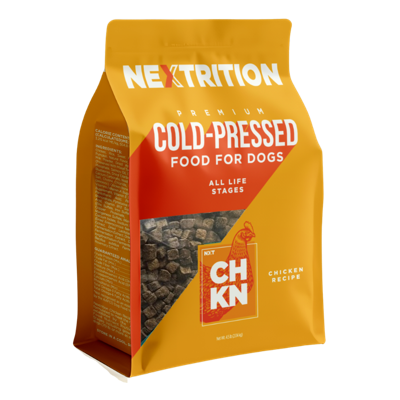
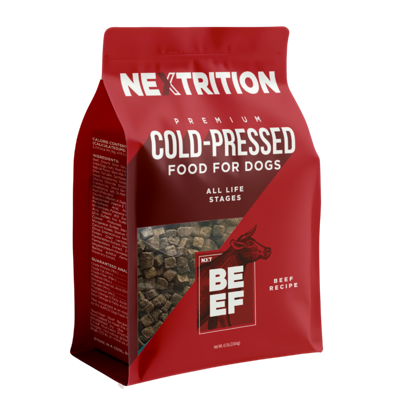
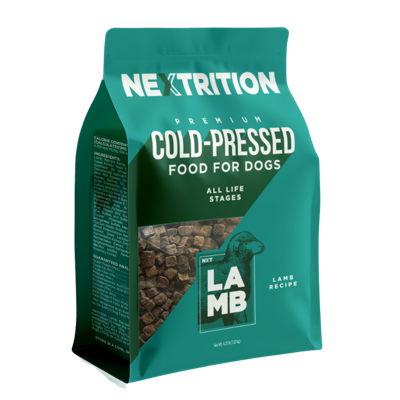
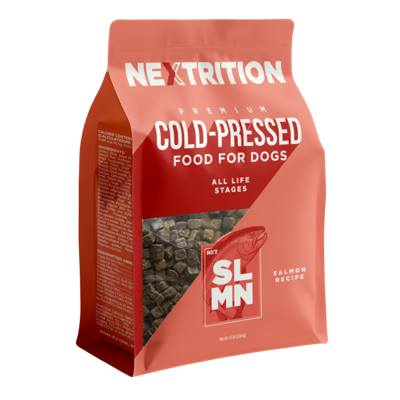


The best dog food for sensitive stomachs is not the one with the nicest bag or the loudest promises. Most people get stuck on soft marketing when the real test is simple. Does your dog eat it, digest it, and stop having weird stool by day 3?
What made the cut here was clear. Cleaner ingredient lists. Better protein choices. Food that is easier on digestion instead of just acting premium.
We already screened the noise. These are the options worth your attention.
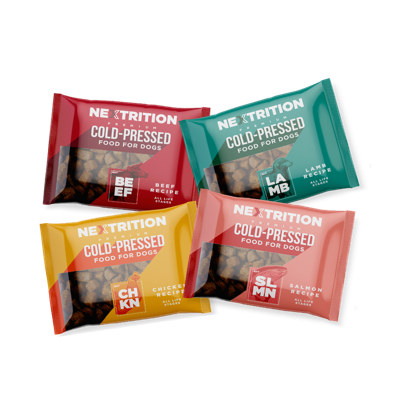
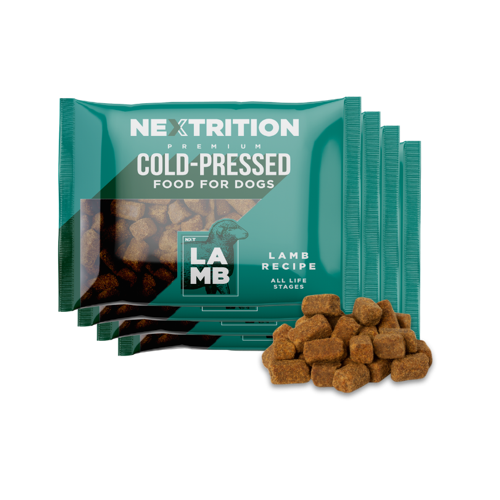
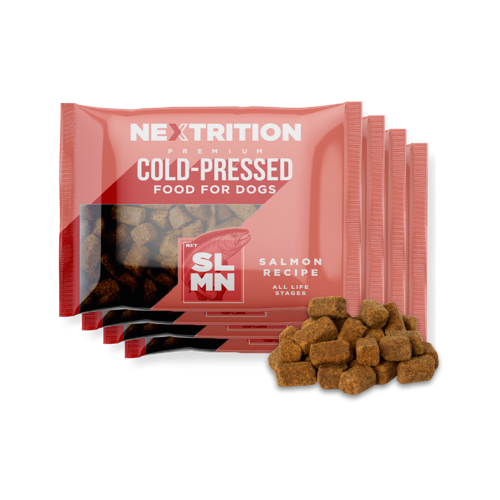
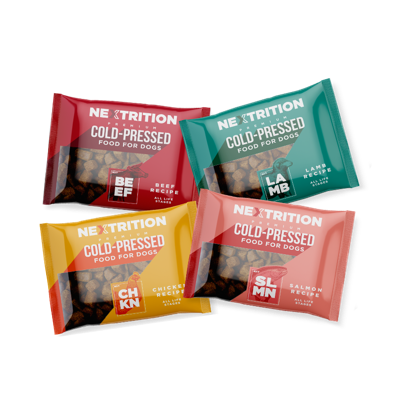
1. Nextrition Cold Pressed Dog Food

Pros
- Cold-pressed for easier digestion
- Real lamb is first ingredient
- Shelf-stable, simpler than fresh
- Whole fresh ingredients in every bag
- Good alternative to chicken formulas
Cons
- Premium price versus standard kibble
- Not a veterinary therapeutic diet
- Less convenient than basic kibble
If you're looking for the best dog food for sensitive stomachs and you care about ingredient quality as much as digestive ease, this is where we'd start. Our All-Natural Lamb Recipe is built for dogs who need a gentler feeding approach without pushing you into frozen storage or a prescription-only lane.
The big difference is the format. We cold-press at temperatures up to 3x lower than standard kibble processing, which helps preserve more of the natural nutrients in the real meat, fruits, and veggies going into the food. That matters more than people think. A lot of sensitive dogs aren't just reacting to one ingredient. Sometimes they're struggling with how hard the whole meal is to break down.
Over 12 pounds of whole fresh ingredients are pressed into a 4.5 lb bag. That's not a small detail. It changes the density of the food and the feeding experience.
A few reasons this formula stands out for sensitive stomach dogs:
- real lamb is the number one ingredient
- the cold-pressed pieces break down differently than traditional kibble
- it's shelf-stable, so daily feeding is simple
- you can build a personalized meal plan and keep it consistent through subscription if that helps your dog's routine
Lamb can be a smart choice when chicken doesn't seem to agree with your dog, or when you're trying to simplify the protein side of the bowl without going all the way into a clinical elimination diet. We also see a practical advantage here for households that want premium, natural feeding but don't want the freezer management that comes with fresh frozen food.
This is more ingredient-forward than conventional dry food. It's also more lifestyle-flexible than a prescription GI diet. That's the lane it owns.
Premium doesn't help if it doesn't fit your actual routine.
If your dog has medically complex GI issues or your vet has specifically recommended a therapeutic low-fat formula, this isn't the right tool for that job. But for owners who want a sensitive stomach dog food that feels less processed, more thoughtful, and easier to feed long term, it's a strong option.
2. Hill's Science Diet Sensitive Stomach & Skin

Pros
- Widely available across the U.S.
- Supports stomach and skin together
- Good for everyday digestive support
- Familiar vet-discussed mainstream brand
Cons
- Not for severe GI cases
- Less differentiated ingredient philosophy
- Still a conventional dry kibble
Hill's sits in a different part of the market. It's mainstream, widely available, and familiar to a lot of owners who want digestive support without making a dramatic feeding change.
This formula makes the most sense when stomach sensitivity and skin issues show up together. That's a common pattern. Loose stools and a dull coat often travel together, and owners usually notice the coat second.
You'll usually find chicken and salmon options in the broader conversation around this line, and that flexibility helps if your dog does better on one protein than another. It also has one practical advantage over more niche premium foods: you can find it almost anywhere in the U.S. When consistency matters, access matters too.
Where it fits best:
- adult dogs with mild but ongoing digestive sensitivity
- households that want a familiar over-the-counter dry food
- owners who prefer a brand commonly discussed in vet-led feeding conversations
Hill's is more general-use than prescription diets like i/d. That's important. It's not built as a clinical intervention. It's built as a steady everyday food for dogs who need some digestive consideration but not full therapeutic management.
Compared with cold-pressed or fresh options, it's less differentiated on ingredient philosophy. That's the tradeoff. You're choosing familiarity, availability, and a broad support profile over a less processed feeding approach. For many dogs, that's enough. For others, it isn't.
3. Purina Pro Plan Sensitive Skin & Stomach Salmon & Rice

Pros
- Salmon may suit sensitive dogs
- Supports skin and stomach together
- Easy to find and repurchase
- Convenient everyday dry-food format
Cons
- Still a conventional processed kibble
- Not for serious GI cases
- Less targeted than prescription diets
Purina Pro Plan's salmon and rice formula is one of the more common answers owners hear when they ask about sensitive stomach dog food. There's a reason for that. It's accessible, straightforward, and built around a protein source that can work well for dogs who don't thrive on more common land proteins.
Salmon-based formulas often appeal to owners who are already seeing skin irritation alongside digestive issues. In real use, that combination drives a lot of food changes. Not because salmon is magic, but because some dogs simply settle better on it.
This option lands in the middle of the market in a useful way:
- It's more protein-specific in its positioning than some chicken-first sensitive formulas.
- It's easy to buy and easy to stay on.
- It doesn't require the storage and prep shift that fresh feeding does.
It competes most directly with Hill's Science Diet for owners choosing between mainstream, non-prescription dry foods. If you're deciding between the two, the protein angle is often the tiebreaker. Dogs who seem better on fish than chicken may push this one ahead.
The limitation is processing style. It's still a conventional kibble solution. For health-conscious owners who want minimally processed feeding, that's usually where the hesitation starts. And for dogs with more serious GI problems or fat-intolerance issues, this still isn't the same category as a therapeutic veterinary diet.
4. Just Food For Dogs Sensitive Stomach

Pros
- Purpose-built for sensitive digestion
- Fresh whole-food feeding approach
- Less processed than standard kibble
- Strong fit for premium feeders
Cons
- Requires freezer space and thawing
- Less convenient for travel
- Higher-effort daily feeding routine
Some dogs do better when you move away from dry food entirely. Not always, but often enough that fresh feeding deserves a serious look in any roundup of the best dog food for sensitive stomachs.
Just Food For Dogs Sensitive Stomach is purpose-built for this use case, and that's its main strength. You're not trying to repurpose a general wellness recipe and hoping it behaves like a digestive formula. It's already framed around sensitive digestion.
The appeal here is pretty clear:
- fresh frozen format
- explicit sensitive stomach positioning
- stronger whole-food alignment than standard kibble
Fresh food tends to attract owners who are already dissatisfied with highly processed options. That's fair. But fresh feeding changes your routine in ways people sometimes underestimate. Freezer space, thawing, portioning, travel, and handoff to other family members all get a little harder. None of that is fatal. It just needs to be real.
This is philosophically closer to whole-food feeding than mainstream dry formulas, and more specialized for sensitive digestion than a lot of broader premium lines. Where it loses ground is convenience. Shelf-stable food wins on simplicity every time.
If your dog seems to struggle with heavily processed meals and you're comfortable building fresh-food habits into the week, this is a serious candidate.

5. Royal Canin Veterinary Diet Gastrointestinal Low Fat

Pros
- Targeted low-fat GI support
- Useful for recurring flare-ups
- Vet-guided therapeutic precision
- More specific than retail foods
Cons
- Requires veterinary involvement
- Not a lifestyle premium choice
- Less suited for mild cases
This is where the decision framework changes. Royal Canin Gastrointestinal Low Fat isn't a premium lifestyle upgrade. It's a veterinary tool.
That distinction matters because a lot of owners lose time trying increasingly expensive retail foods when the real issue is fat tolerance or a more persistent GI pattern that needs clinical management. Richer food is not always better food.
This option is best considered when:
- your dog has recurring digestive flare-ups
- your vet has specifically raised low-fat feeding
- richer diets keep failing, even when the ingredients look cleaner
Compared with over-the-counter sensitive stomach foods, it's more targeted and more clinical. Compared with premium cold-pressed or fresh diets, it's less aligned with natural-ingredient preferences. That's not a flaw. It's just solving a different problem.
Therapeutic diets aren't more premium. They're more specific.
If your dog needs GI support because of medical history, this kind of precision can matter more than ingredient philosophy. If your dog just has occasional soft stool after a rich treat weekend, this is probably too far up the ladder.
6. Hill's Prescription Diet i/d
Pros
- Vet-directed digestive support
- Strong clinical reputation
- Useful for persistent GI symptoms
- Broader GI focus than low-fat diets
Cons
- Prescription diet, not casual trial
- Overkill for mild sensitivity
- Less lifestyle-premium ingredient appeal
Hill's i/d lives at the therapeutic end of this roundup. It's for dogs who need clinical digestive care, not simply a better everyday food.
Owners usually arrive here after trial and error stops being useful. Persistent vomiting, ongoing diarrhea, repeated stomach upset, or a vet saying it's time to stop guessing. That's the context.
Its role is a little broader in digestive-care framing than Royal Canin's low-fat GI formula. That's the main comparison worth making. Royal Canin is more explicitly low-fat in positioning. Hill's i/d is often part of a wider digestive-support conversation under veterinary guidance.
A practical way to think about it:
- choose this category when the symptoms are persistent, not occasional
- expect vet involvement
- don't treat it like just another food experiment
There's value in that structure. When a dog is having repeated GI issues, fewer variables is usually better. A clinical food plan can provide that discipline.
For a mildly sensitive dog, this is not the first stop. For a dog whose stomach issues have become a medical management problem, it may be the right one.
7. JustFoodForDogs Fish & Sweet Potato

Pros
- Fish-based alternative to land proteins
- Simpler ingredient profile for trials
- Fresh format may suit sensitive dogs
- Useful for suspected protein reactions
Cons
- Less targeted than Sensitive Stomach recipe
- Frozen storage and prep required
- Narrower fit than general options
This is a narrower recommendation, but a useful one. JustFoodForDogs Fish & Sweet Potato makes sense when you're trying to simplify ingredients and use a fish-based profile within a fresh-food format.
It isn't as directly matched to the topic as the brand's dedicated Sensitive Stomach recipe. Still, it can be a smart selective choice for the right dog. Especially when you're dealing with suspected protein sensitivity and want to avoid a more crowded ingredient panel.
Why owners consider it:
- limited-ingredient feel
- fish-based recipe
- fresh-food alignment without defaulting to chicken or turkey
This one tends to appeal to more deliberate shoppers. Not people casually browsing for a premium upgrade, but owners actively trying to reduce variables while staying in the fresh category. That difference matters.
Fresh fish-based feeding can be a helpful contrast when land proteins seem to keep causing friction. But this isn't a universal answer. It's more of a targeted move. If your dog's issue is general digestive fragility rather than suspected ingredient reaction, the purpose-built Sensitive Stomach recipe likely makes more sense.
8. Royal Canin Sensitivity Control
Pros
- Supports controlled elimination feeding
- Helpful for suspected ingredient reactions
- Vet-guided diagnostic use case
- More targeted than general formulas
Cons
- Requires veterinary involvement
- Less flexible for everyday feeding
- Not meant for broad GI issues
Royal Canin Sensitivity Control belongs in a veterinary conversation, not a casual shopping one. It's relevant when ingredient sensitivity is the main suspicion and your goal is controlled feeding, not just a calmer stomach.
That puts it in a different class from everyday sensitive stomach dog food. The point here is not broad digestive support. The point is narrowing the problem.
This diet is especially relevant for:
- dogs suspected of reacting to specific ingredients
- elimination-style feeding workups
- owners working with a vet to identify triggers instead of just managing symptoms
It's more ingredient-control oriented than general digestive formulas, and more diagnostic in spirit than premium OTC options. That makes it useful, but also less flexible. You don't choose this because the bag sounds nice. You choose it because you're trying to answer a question with some discipline.
The confusion we see most often is owners mixing this up with low-fat GI diets. Different issue. Different use case. If the problem is ingredient reaction, this lane makes sense. If the problem is broader GI upset or fat intolerance, other veterinary diets fit better.
9. Acana Singles

Pros
- Single-animal-protein recipes simplify choices
- Premium dry format stays convenient
- Good fit for protein-sensitive dogs
- No prescription or freezer needed
Cons
- Less targeted than GI formulas
- Fit depends on trigger pattern
- Not for complex digestive cases
Acana Singles is a practical bridge option. It gives owners a single-animal-protein dry food line with a food-sensitivity angle, without requiring a prescription or a freezer.
For dogs who react poorly to complex formulas, simplifying the protein side can help. Not always. But often enough that this category deserves attention.
Acana Singles fits best when you want:
- ingredient simplicity in a premium dry format
- one primary animal protein
- a retail option that feels closer to elimination-minded shopping than standard kibble
This is more ingredient-focused than mainstream sensitive formulas like Hill's or Purina. It's also still dry food, which keeps feeding easier than fresh frozen options. That's the balancing act.
What it doesn't do is replace therapeutic GI care. And because it's not as explicitly sensitive-stomach-named as some other formulas, the fit depends heavily on your dog's trigger pattern. If the issue seems protein-driven, this gets more interesting. If the issue is broader digestive instability, a more purpose-built digestive formula may be cleaner.
10. Nulo Freestyle

Pros
- Probiotic support for gut health
- Premium kibble without freezer hassle
- Broad recipe variety within line
- Easy upgrade from basic kibble
Cons
- Not purpose-built for sensitive stomachs
- Recipe fit varies by protein
- Less targeted than vet diets
Nulo Freestyle earns a spot here, but as a secondary-tier option. The connection to sensitive stomachs comes more through digestive-support features like probiotics than through a direct, purpose-built sensitive stomach identity.
That doesn't make it weak. It just makes it less obvious.
For some dogs, especially those needing a premium kibble upgrade from standard grocery-store food, gut-support signals are enough to justify a trial. Particularly if you're not ready for fresh feeding and don't need a veterinary diet.
The case for it is usually based on three things:
- premium dry food positioning
- probiotic support
- a better fit for owners who want to improve the bowl without overhauling their whole routine
We'd look at recipe specifics carefully within the line. That's the operator move here. Don't assume the line name tells you enough. Protein source, richness, and ingredient profile still matter.
If you're comparing it against foods that are explicitly built for digestive sensitivity, it usually loses on specificity. If you're comparing it against generic premium kibble, it becomes more compelling.
How to Choose the Right Sensitive Stomach Dog Food
The label matters less than the symptom pattern. That's the cleanest way to avoid wasting time.
Start by asking what actually happens after meals:
- occasional soft stool after rich food
- chronic gas or loud stomach gurgling
- recurring vomiting
- a likely reaction to one protein
- digestive issues that show up alongside itchy skin or a rough coat
Then match the food type to the likely need.
Match the food to the problem
- Premium cold-pressed: useful when you want a less processed, ingredient-forward option with a digestibility-first philosophy
- Mainstream sensitive formulas: a practical fit for mild, ongoing stomach sensitivity
- Fresh frozen options: better for owners committed to whole-food style feeding and the storage routine that comes with it
- Veterinary diets: the right move when symptoms are persistent, medically significant, or low-fat dependent
The real decision points
Protein source is usually the first one. If your dog does poorly on chicken, that narrows the field fast.
Processing style comes next. Some owners are fine with kibble if the formula is steady and accessible. Others want less processing and are willing to pay for it.
Then ask whether you're buying everyday support or clinical management. That's where a lot of confusion starts. Premium foods can support digestion. They don't replace therapeutic diets when the case is medical.

What Matters Most for Different Sensitive Stomach Scenarios
Brand names can blur together fast. It's easier to sort by scenario.
For mild digestive sensitivity, we'd compare our All-Natural Lamb Recipe with Hill's Science Diet Sensitive Stomach & Skin and Purina Pro Plan Sensitive Skin & Stomach Salmon & Rice. That group covers the range from premium cold-pressed to mainstream dry support.
For suspected protein sensitivity, look harder at All-Natural Lamb Recipe, Acana Singles, and JustFoodForDogs Fish & Sweet Potato. Here, simpler or alternative proteins matter more than broad digestive marketing.
If you're dealing with gut health plus skin and coat concerns, Hill's and Purina both fit naturally, with Nulo Freestyle as a premium dry option for owners who want digestive-support signals but aren't ready to move formats.
For owners wanting a premium upgrade from standard kibble, the most useful comparison is All-Natural Lamb Recipe, Just Food For Dogs Sensitive Stomach, and Acana Singles. Same general intent, very different feeding experience.
For vet-managed digestive issues, stay in the therapeutic lane: Royal Canin Gastrointestinal Low Fat, Hill's i/d, and Royal Canin Sensitivity Control. At that point, lifestyle preference should stop leading the decision.
Don't sort by hype. Sort by symptom pattern.

Common Mistakes When Switching to a Food for Sensitive Stomachs
Most feeding mistakes aren't dramatic. They're just messy enough to hide the answer.
The first is choosing based on popularity alone. A commonly recommended food can still be wrong for your dog's actual pattern. Fish-based support, low-fat GI management, and ingredient-control feeding are not interchangeable.
The second mistake is changing too many variables at once. New food, new treats, new topper, new supplements. Then the stool changes and nobody knows why. Keep the test clean.
A few others show up all the time:
- treating every digestive issue like a mild food sensitivity when some dogs need veterinary care
- moving from one rich premium food to another without checking fat tolerance
- assuming premium and therapeutic mean the same thing
- underestimating the routine demands of frozen fresh feeding
Prescription diets shouldn't be handled like casual experiments. Fresh food shouldn't be chosen if nobody in the house will actually manage the thawing and portioning. And premium retail food shouldn't be expected to solve a clinical GI condition by force of branding.
Conclusion
The best dog food for sensitive stomachs depends on what kind of sensitivity you're actually dealing with. Mild digestive fragility, ingredient intolerance, and medically significant GI disease don't belong in the same bucket, even though they often get shopped that way.
Premium cold-pressed and fresh options tend to make the most sense for owners who prioritize natural ingredients, less processing, and a more intentional feeding approach. Mainstream sensitive stomach dog food still has a real place, especially when you need steady everyday support and easy access. Prescription diets belong in their own category, for dogs who need veterinary guidance and a more clinical plan.
If you're narrowing the list, start with your dog's symptom pattern, then look at protein source, format, and how much support is really needed. Transition slowly. Keep the variables tight. And if symptoms are persistent or severe, bring your vet in early. A calmer stomach usually starts with a clearer decision.


