







The signs of sensitive stomach in dogs are easy to brush off when your dog seems fine five minutes later. You tell yourself it was one bad treat, one weird poop, one 5 a.m. bile puddle.
But when the same stomach trouble keeps looping, it matters. We look for the patterns people miss: loose stools, gurgling, grass eating, skipped meals, and that on-and-off nausea that never feels random for long.
Catch the pattern sooner, and you can help your dog feel better faster.
What a Sensitive Stomach in Dogs Really Means
A sensitive stomach in dogs is not one single diagnosis. In real life, it usually looks more like a pattern. Your dog does mostly fine, then certain foods, fast changes, rich treats, scavenging, stress, or a general gut imbalance seem to set things off again.
That pattern matters more than one bad afternoon.
Many dogs show subtle symptoms of sensitive stomach in dogs before anything dramatic happens. A little gurgling. Softer stool after treats. Lip licking before breakfast. Appetite that comes and goes. These are easy to brush off until they keep repeating.
It also helps to think beyond the stomach alone. Digestive sensitivity can involve the intestines just as much as vomiting. And because the gut is tied closely to immune function, energy, skin, and coat, small digestive issues can turn into bigger whole-body signals over time.
Use this list the right way. One isolated episode may mean very little. Repeated patterns, clusters of symptoms, or signs that are getting worse deserve a closer look.
1. Loose Stools or Inconsistent Poop
If you want the clearest day-to-day read on digestive health, start with the stool. It tells the truth faster than most owners expect.
Loose stools are one of the most common signs of sensitive stomach in dogs, especially when poop becomes soft, poorly formed, mucousy, or swings between normal and loose without an obvious reason.
A one-time soft stool after a stressful day or something questionable in the yard is not the same as a pattern. The pattern is when stool changes after small diet shifts, a few table scraps, a richer chew, or even a routine disruption. Some dogs also get urgency with it and simply can't make it outside in time.
Watch for a few specifics:
- consistency from one bowel movement to the next
- frequency and whether your dog is going more often
- urgency or straining
- unusual smell
- whether it follows certain foods, treats, or stress
Repeated loose stools aren't just messy. They can affect comfort, hydration, and nutrient absorption over time. If the gut stays irritated, the rest of the body tends to feel it too.
A practical rule: if you keep noticing stool surprises after "minor" food changes, they aren't minor for your dog.
Red flags should not be watched casually. Blood, black stool, grey stool, or diarrhea that keeps going beyond a short period means it's time to call your vet.
2. Occasional Vomiting That Keeps Coming Back
Lots of dogs vomit once in a while. That alone doesn't prove a sensitive stomach. Repeated vomiting does change the conversation.
One of the more common symptoms of sensitive stomach in dogs is vomiting that seems occasional but keeps returning. Maybe it happens after meals, after rich treats, during a food switch, or when your dog eats too fast. Owners often normalize it because each episode seems isolated. Then they look back and realize it has happened five times in a month.
Some dogs show nausea before they vomit. You'll see lip licking, drooling, repeated swallowing, or restlessness first. That lead-up is useful information.
Track the context, not just the event:
- When did it happen?
- What did your dog eat beforehand?
- Was it food, foam, or bile?
- Did anything else show up with it, like loose stool, lethargy, or a drop in appetite?
Vomiting can be tied to food intolerance, fatty extras, scavenging, parasites, infections, or something more serious. That's why context matters. The same symptom can mean very different things depending on the pattern around it.
"Once" is an event. "Keeps happening" is a signal.
Call your vet promptly for repeated vomiting in a short period, dry heaving, a painful or bloated belly, dehydration, lethargy, or vomiting in puppies and seniors. Those are not wait-and-see moments.
3. Excessive Gas or a Bloated Belly
A little gas happens. Frequent, foul gas is different. If your dog clears a room on a regular basis, the food may not be landing well.
Gas often shows up when food is poorly tolerated, when gut bacteria are out of balance, or when a dog eats so fast that they swallow too much air. The detail many owners miss is the timing. If the gas predictably gets worse after certain treats, chews, or recipe changes, that's useful.
Look at the full picture instead of one symptom:
- Is the gas unusually pungent?
- Is it happening often, not just once in a while?
- Is it paired with soft stool or belly discomfort?
- Did it start after richer snacks or a fiber shift?
Chronic gas tends to travel with other digestive clues. Soft stool, audible gurgling, or a dog that looks uncomfortable after meals often shows up nearby.
Visible abdominal bloating, tightness, or a hard belly is not the same thing as ordinary gas. That can point to something more serious, especially if your dog seems painful or can't settle.
If you see distention, unproductive retching, collapse, or obvious pain, treat it as an emergency. Don't try to out-wait that.

4. Loud Stomach Gurgling or Digestive Noises
Some stomach noise is normal. A dog that hasn't eaten yet may have harmless hunger sounds. The issue is when the noises become frequent, pronounced, and start showing up with other digestive changes.
Gurgling can happen when there's increased intestinal movement, excess gas, or mild irritation. Some sensitive dogs look completely fine from the outside while their abdomen sounds like a machine under load. We've seen that often enough not to ignore it.
Pay attention to the pattern:
- after meals
- overnight
- during food transitions
- after certain treats or ingredients
Harmless hunger noises usually pass without much else going on. Recurring gurgling paired with nausea, loose stools, reduced appetite, or restlessness is more meaningful.
This is one of those subtle signs owners catch late because it seems too small to matter. Usually, it isn't the noise alone. It's the company it keeps.
5. Picky Eating or a Sudden Drop in Appetite
Not every "picky" dog is actually picky. Some are cautious because eating hasn't felt good lately.
Dogs with sensitive stomachs can become hesitant around meals when they start connecting food with discomfort. You may see them sniff the bowl and walk away, eat grass instead of breakfast, pick through only part of the meal, or act interested but not commit. That's not normal fussiness in every case. Sometimes it's mild nausea wearing a disguise.
A few practical triggers are worth reviewing:
- a new food introduced too fast
- richer chews or too many treats
- abrupt routine changes
- inconsistent feeding times
- table scraps that seemed harmless
Appetite loss can also point to more serious illness, especially when it sticks around or comes with vomiting, lethargy, or weight loss. That's where owners get into trouble by calling everything "pickiness." Real pickiness is one thing. Not wanting to eat because your stomach feels off is another.
Dogs with sensitive systems often do better with simpler, more digestible meals built around real meat and straightforward ingredients. Less noise in the bowl usually means less noise in the gut.
6. Lip Licking, Drooling, or Frequent Swallowing
This is one of the easiest signs to miss because it can look quirky instead of medical. It often isn't.
Repeated lip licking, air licking, drooling, and frequent swallowing can be subtle signs of nausea in dogs. Sometimes they show up before vomiting. Sometimes vomiting never follows, and owners never connect the behavior to digestion at all.
Brief licking around food is normal. Persistent licking that seems sudden, repetitive, or out of place is different. Same with drooling that shows up when your dog isn't just waiting for dinner.
A simple checklist helps:
- when did it start
- is it happening around meals
- is your dog swallowing more than usual
- is drooling heavier than normal
- do vomiting or stool changes follow later
The full picture matters because dental trouble, dehydration, mouth irritation, toxin exposure, and other medical issues can look similar. Still, as early warning signs go, this one is valuable. It often gives you a head start before the digestive system gets louder.
7. Restlessness, Grass Eating, or Looking Uncomfortable Around Meals
Dogs don't always announce stomach discomfort with obvious vomiting or diarrhea first. A lot of them communicate behaviorally before the gut fully reacts.
You might see pacing, frequent stretching, hovering around the bowl without eating, repeated swallowing, burping, or an inability to settle shortly before or after meals. Grass eating can fit here too, especially when it happens repeatedly alongside other GI signs.
The key is context. Excitement and anxiety can also create restless behavior. Digestive restlessness tends to arrive in a cluster. Gurgling, licking, mild nausea, then a dog that won't quite lie down. That combination is hard to ignore once you've seen it a few times.
Dogs often show discomfort with behavior first and digestion second.
If the uneasiness is intense, persistent, or paired with bloating or pain, don't dismiss it as fussiness. Sensitive dogs can be subtle until they aren't.
8. Accidents in the House or Sudden Bathroom Urgency
If your dog is normally reliable and suddenly has poop accidents indoors, don't jump straight to behavior. Start with the gut.
Digestive sensitivity can create urgency, loose stools, and discomfort during elimination. Some dogs ask to go out more often. Others circle, pace, strain, or simply can't hold bowel movements the way they usually can. That's not a training failure. It's information.
This sign matters more when it comes with others, such as:
- stool changes
- increased gas
- appetite shifts
- vomiting
- obvious discomfort before going out
A previously house-trained dog who starts having accidents deserves a calm read, not punishment. We've found owners make better decisions once they stop treating accidents like disobedience.
Sudden house soiling can also point to illness beyond food sensitivity, so patterns matter here too. But in a dog with other digestive clues, urgency is often part of the same story.
9. Low Energy, Weight Loss, or a Duller Coat Over Time
Chronic digestive upset doesn't always stay in the gut. Given enough time, it starts to show elsewhere.
When digestion is off repeatedly, dogs may absorb nutrients less effectively, or they simply eat less because they don't feel well. The result can be less enthusiasm for walks, lower overall vitality, unexplained weight loss, or a coat that looks duller than it used to.
These are usually later or broader symptoms of sensitive stomach in dogs, not the first signs. That makes them easy to underestimate. Owners often focus on poop and vomiting, then miss the fact that the dog's whole presentation has changed over the last month or two.
A tired dog with GI symptoms is telling a bigger story. Same for a dog losing weight without a clear reason.
This is where gut health stops being a narrow digestion topic. It touches energy, body condition, and how well your dog holds up day to day. The gut doesn't work in isolation, and neither does the dog.
When It Is Time to Call Your Vet and What to Track First
Some symptoms cross the line from monitoring to action quickly. Blood in stool, black stool, repeated vomiting, dehydration, severe bloating, abdominal pain, lethargy, collapse, fever, persistent symptoms, or ongoing weight loss all deserve prompt veterinary attention.
Puppies, senior dogs, and dogs with other medical conditions usually need faster evaluation. They have less room for "let's see how tomorrow goes."
Your vet may recommend a stool sample, parasite screening, a physical exam, an elimination approach, or more advanced testing if the problem is chronic or severe. That isn't overkill. It's how you stop guessing.
Before the visit, track what you can:
- exact symptoms
- when they happen
- stool quality
- appetite
- energy
- suspected food triggers
- treats and chews
- scavenging incidents
- how long the pattern has been going on
One more practical point. Don't keep switching foods every few days without a plan. Constant changes muddy the picture and can make a sensitive gut more reactive. The goal is clarity, not motion.

How to Support a Sensitive Stomach Through Nutrition and Feeding Habits
For many dogs, the best support is not complicated. Gentler nutrition usually wins. That means digestibility, consistency, and simpler ingredients.
We'd look for food built around real meat, plus fruits and vegetables, instead of heavily processed formulas with long ingredient lists that are hard to make sense of. Sensitive dogs often respond better when the bowl is straightforward and the feeding routine stays steady.
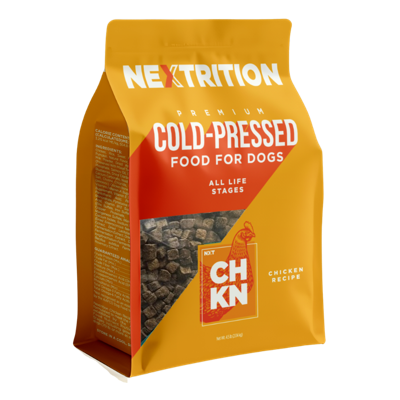
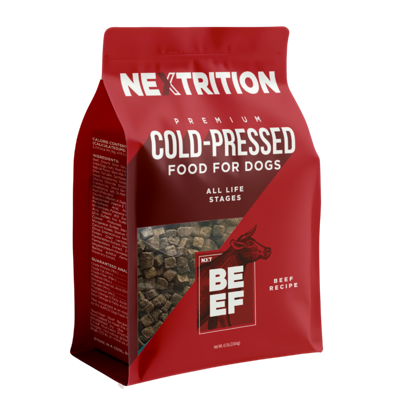
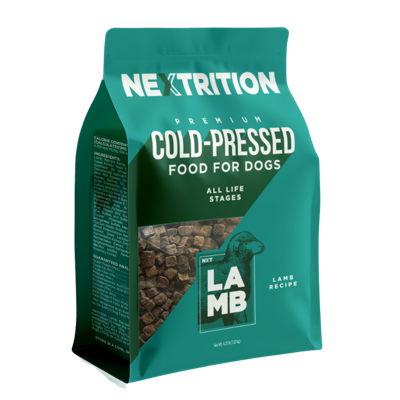
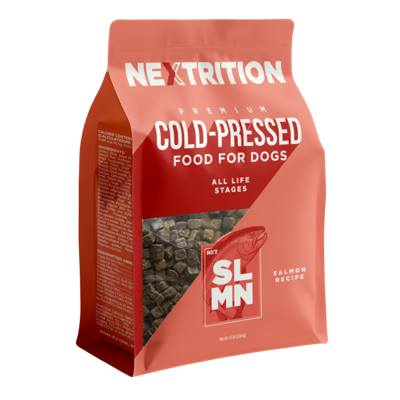
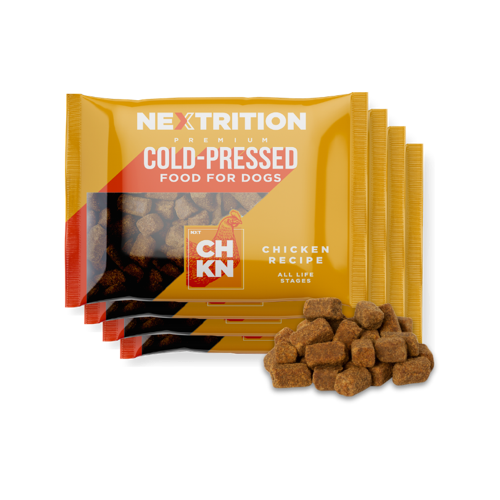
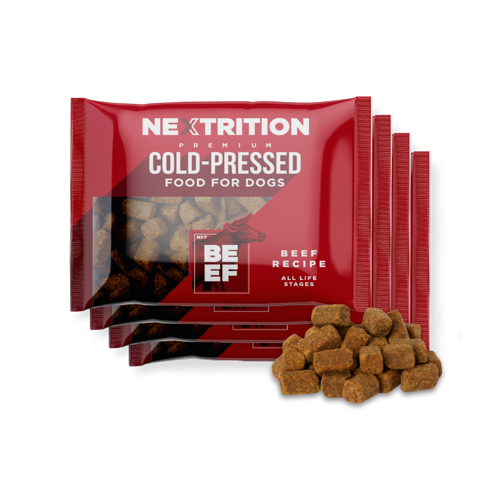
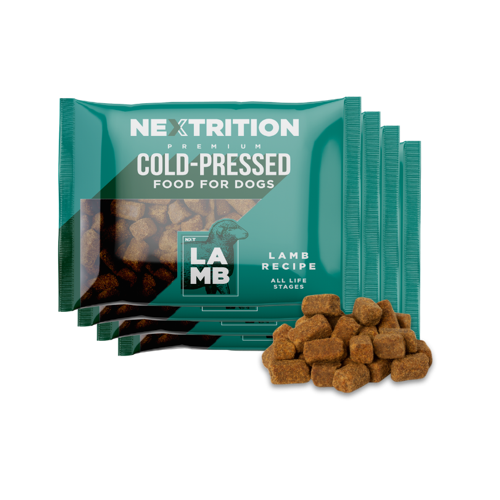
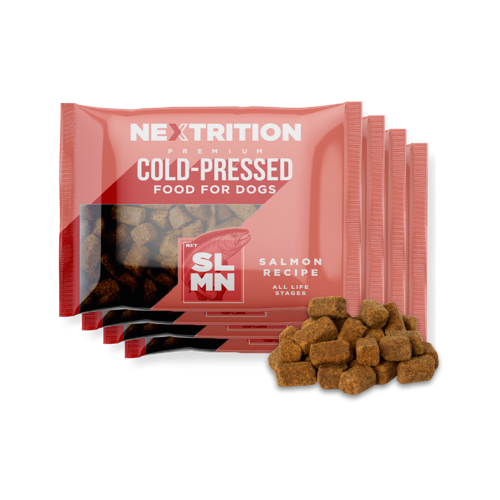
Processing matters too. Lower temperature preparation can help preserve more of what the body can actually use. That's one reason we make our cold-pressed food at roughly 3x lower temperatures. It's a gentler approach for dogs whose systems don't do well with harsh processing. We offer lamb, chicken, salmon, and beef recipes, which gives owners room to find a better fit without turning feeding into guesswork.
The habits around the food matter just as much:
- transition gradually over about a week
- limit rich extras and random table food
- feed on a consistent schedule
- introduce one change at a time
That last part is underrated. If you change the food, add new treats, and shift meal timing all at once, you won't know what actually helped or hurt.
A personalized meal plan can make this much simpler. It helps match recipe and portioning to your dog's needs so you're not just trying things blindly. And if consistency has been the hard part, one-time orders or regular delivery can remove the friction. Sensitive dogs usually do better when their routine stops changing.

Conclusion
Once you know what to watch for, the signs of sensitive stomach in dogs become easier to spot. Loose stools, recurring vomiting, gas, gurgling, lip licking, appetite changes, and quiet behavioral cues all count. Some are obvious. Some are easy to miss until they repeat.
The goal isn't to panic over every off day. It's to notice recurring symptoms of sensitive stomach in dogs, rule out red flags, and respond with steadier, more supportive nutrition.
Start tracking the patterns you see. Talk with your vet if symptoms persist or worsen. And if your dog's system seems to do better with simpler food and gentler preparation, trust that signal. A sensitive gut usually doesn't need more noise. It needs more respect.


