




Dog gas after eating is usually one of two things. Your dog either swallowed a bunch of air with the meal, or the meal left enough undigested material behind that gut bacteria got to work on it later.
A little gas now and then is normal. Rich leftovers, a fast meal, or a food switch can do it. That alone doesn't mean you've failed your dog.
The line between normal and excessive is pretty easy to spot once you stop treating it like a random embarrassment:
- It happens after nearly every meal
- The smell is sharp enough that you notice it across the room
- Your dog seems uncomfortable, bloated, or noisy in the gut
- Stool gets softer, inconsistent, or harder to pick up
- The problem sticks around instead of passing in a day or two
Smell matters more than people think. Air that was swallowed during a meal can come back out with little odor. Really foul gas points more toward fermentation in the colon. Sulfur compounds make up only a small amount of total gas, but they do most of the damage to your nose.
That detail actually helps. Bad smell often means the issue isn't just speed. It's breakdown.
Gas is feedback from the gut, not a character flaw in your dog.
If you're trying to feed better and your dog is still gassy, don't go straight to guilt. Use the pattern. It usually tells you something useful.

Why Does My Dog Fart After Eating? The Most Common Causes
When people ask, "why does my dog fart after eating," the usual answers are pretty consistent: fast eating, swallowed air, food that's harder to digest, food intolerance, or too much fermentation lower in the gut.
Let's make that plain.
A dog that gulps food often swallows extra air. That's called aerophagia, but the label matters less than the behavior. Dogs that inhale meals, eat around other pets, or guard their bowl tend to take in more air than they need. Some of that comes back as burping. Some goes the other direction.
Then there's fermentation. If protein, starch, or fiber isn't fully broken down in the small intestine, it moves into the large intestine. Bacteria feed on it there and produce gas. That's where volume and odor usually pick up.
The common triggers are not mysterious:
- Eating too quickly
- Sudden diet changes
- Table scraps and fatty leftovers
- Dairy
- Highly processed foods that are tougher to digest
- One large meal instead of smaller portions
- Too many treats between meals
Some ingredients also push certain dogs the wrong way. Soy, peas, and heavy fermentable fibers can increase gas in sensitive dogs. Not every dog reacts, but enough do that it's worth noticing.
Here's the part owners miss: a food can look decent on the label and still be the wrong fit. Your dog may react to the protein source, the fat level, or just the overall digestibility of the formula. Labels don't tell you how your dog actually feels three hours later.
When the Problem Is the Food, Not Just the Eating Speed
Speed matters, but it isn't always the real issue. Some dogs eat slowly and still clear the room after dinner. That's your clue to look harder at the bowl itself.
A food problem starts to look likely when you see patterns like these:
- Gas with every meal, even when feeding is calm
- Chronic soft stool or on-and-off stool changes
- Gas that got worse after a new formula, treats, or protein
- Persistent odor that suggests the meal isn't breaking down well
Poor digestibility leaves more residue behind. More residue means more for gut bacteria to ferment. That's when both gas volume and smell tend to rise.
This gets messy fast when the diet isn't simple. A meal might be chicken based, the topper might be beef, the chew might have pork and glycerin, and the treats might use dairy or pea flour. Then someone in the house slips the dog half a piece of toast. By day four, nobody knows what caused what.
That's why we tend to prefer simpler feeding when gas becomes routine. Single-protein feeding gives you a cleaner read. You can actually tell what your dog tolerates instead of guessing through a pile of extras.
Food sensitivity doesn't always look dramatic. Sometimes there is no vomiting, no rash, no obvious emergency. It just looks like chronic gas, loose stool, stomach noises, or that uneasy pacing after meals. Quiet digestive issues are still issues.
And yes, this matters beyond smell. A lot of immune function lives in the gut. When digestion is off for weeks, it usually shows up somewhere.
Clues That Can Help You Identify the Root Cause
If you're trying to solve dog gas after eating, don't make it abstract. Watch timing, smell, stool, and meal setup. Patterns beat guesses.
Start with a simple checklist:
- Does gas start right after the meal or a few hours later?
- Is it worse after certain proteins or certain treats?
- Is your dog also burping, licking lips, bloated, or passing softer stool?
- Did this begin right after a fast food switch?
- Does your dog eat like another dog might steal the bowl?
Those details usually point you in a direction.
Immediate post-meal gas often leans toward swallowed air. Gas later in the day tends to point more toward fermentation. Extremely foul gas usually means the meal isn't being handled well.
A 2 to 3 week food and symptom log helps more than most supplements. Keep it simple:
- Write down each meal and protein
- Note every treat, chew, topper, or scrap
- Track stool consistency
- Mark when the gas happens
- Watch appetite and energy
You'll usually spot something by the second week that you were missing in real time.
Also check the non-food stuff. Trash raiding, yard scavenging, or family members handing out rich bites can wreck your read on the problem. Treats are especially good at muddying the picture because they seem small. They're not small to a sensitive gut.
Simple Ways to Reduce Dog Gas After Eating at Home
Don't replace everything on day one. Start with feeding mechanics first, because sometimes the fix is boring and effective.
Slow the meal down:
- Use a slow-feeder bowl
- Try a puzzle feeder
- Split the meal into smaller portions
- Feed in a calmer space away from other pets
One large meal can push two problems at once. Dogs gulp more, and the gut gets a bigger load to handle all at once. Two smaller meals are often easier on the system.
Then clean up the obvious triggers. Cut dairy, fatty scraps, trash snacks, random high fat chews, and the treat pile that somehow grew into a second menu. A lot of gassy dogs are not overeating dinner. They're eating chaos around dinner.
Be patient with the timeline. The gut usually doesn't reward one perfect meal. It responds to consistency.
If you change five things in two days, you haven't fixed the problem. You've hidden it.
Give the new routine about three weeks before judging it, unless symptoms are getting worse or your vet wants quicker action. That window matters. Fermentation problems often calm down only after the gut gets a steady input it can predict.
How to Choose a Food That Is Less Likely to Cause Gas
If the food looks like the issue, choose your next one with some discipline. Health-conscious owners usually do better when they stop chasing trendy ingredients and start asking whether the food is easy to digest and easy to troubleshoot.
In practical terms, look for:
- Real meat as the lead ingredient
- Simple, recognizable ingredients
- A single-protein recipe if sensitivity is on the table
- Functional fibers that help stool quality
- Biotics that support the gut microbiome when available
- A format your dog can handle consistently
We have a bias here, and it's earned. Highly processed, high-heat food is often rougher on sensitive dogs than it needs to be. Gentler preparation keeps more of the original ingredient integrity in place.
Our Cold-Pressed Dog Food collection is built around that idea. We make it at lower temperatures than standard kibble, with real meat plus fruits and vegetables, because digestibility matters more than shelf appeal. For dogs whose gas seems food-related, that lower-temperature format can be easier to handle than conventional kibble.
For owners actively troubleshooting gas, loose stool, or sensitive digestion, our Dog Food for Digestive Problems collection is the cleaner next step. Not because it magically fixes every dog, but because it lines up with the right decision filter:
- Is the recipe simple enough to troubleshoot?
- Is the protein source obvious?
- Can you feed it consistently long enough to judge it?
- Does stool improve as gas improves?
That's the test. Not marketing copy. Stool and comfort.
Which Ingredients and Food Features Tend to Help Sensitive Dogs
When a dog is giving you digestive feedback, simplicity usually beats novelty.
The food features that tend to help are pretty consistent:
- Single-protein formulas
- Natural fibers like pumpkin
- Prebiotic support such as chicory root
- Whole-food ingredients instead of vague blends
- A recipe that stays consistent bag to bag
Pumpkin helps because it supports stool quality without turning the formula into a fiber experiment. Chicory root is useful because it feeds beneficial gut bacteria. Both have a job. Neither needs a parade around it.
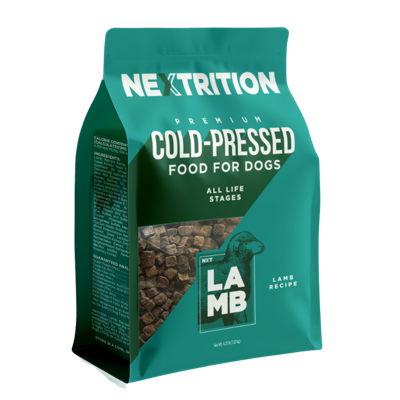
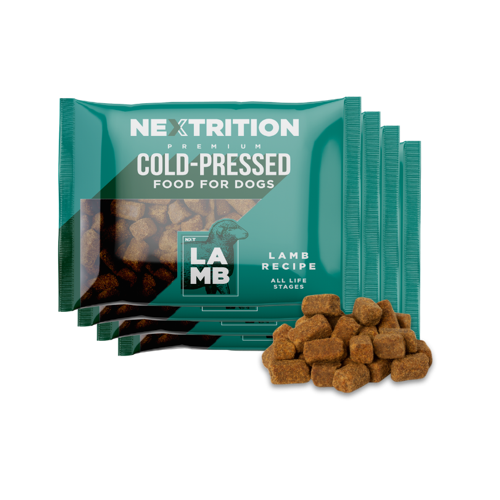
Some dogs improve just by getting away from a trigger protein or a crowded ingredient list. That's why a lamb-based formula can be a smart choice when chicken or beef has become questionable. Our All-Natural Lamb Recipe fits that use case well. It's a cold-pressed, real-meat dry food with lamb as the number one ingredient, and it's a practical option when you want a simpler formula for easier digestion without going back to standard kibble.
Still, quality alone isn't enough. The fit has to be right for your dog. Judge the food by what happens after a couple of weeks:
- Is gas less frequent?
- Is the smell improving?
- Is stool firmer and more predictable?
- Is your dog eating well and acting comfortable?
That's your scorecard.
How to Switch Foods Without Making Gas Worse
Even the right food can cause temporary gas if you rush the transition. A lot of people blame the new food when the real problem was pace.
Use a gradual switch over about 7 to 10 days. If your dog already has a sensitive stomach, slower is usually smarter.
A practical approach looks like this:
Step-by-step transition
-
Begin mix
Start with a small amount of the new food mixed into the old
-
Increase gradually
Increase every couple of days if stool and comfort stay steady
-
Slow if needed
Pause or slow down if gas, appetite changes, or loose stool show up
Don't test three variables at once. New food, new treats, a topper, and a supplement in the same week is how owners lose the thread.
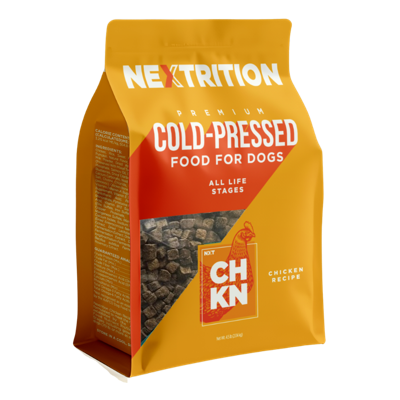
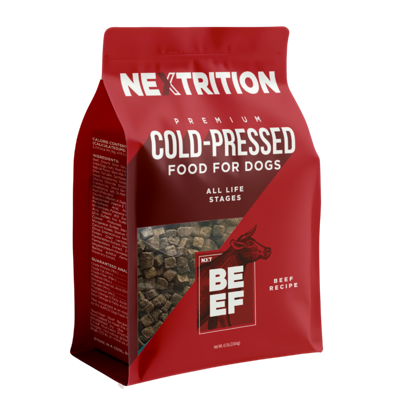
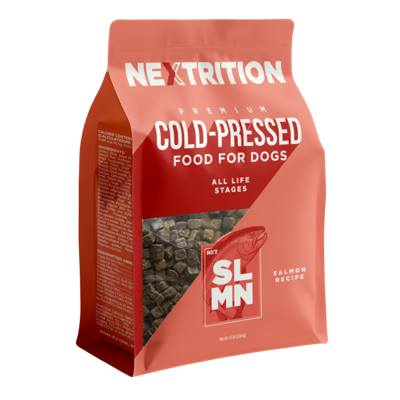
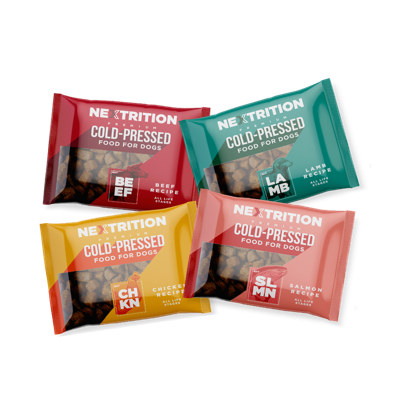
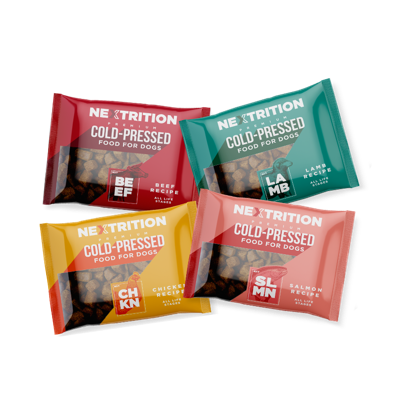
If you're not sure which protein your dog handles best, our Trial Variety Pack is useful for that first step. It lets you test chicken, beef, lamb, and salmon without committing to a full-size bag right away. That's especially helpful when the issue may be tolerance, not just general food quality.
Keep rewards simple during the transition. If you need treats, use something consistent and easy on the stomach. This is not the week for mystery chews from the pantry.
Do Probiotics, Prebiotics, Postbiotics, or Gas Remedies Actually Help?
They can help, but only if you're honest about what they're doing.
Prebiotics feed beneficial gut bacteria. Probiotics add live beneficial microbes. Postbiotics are beneficial compounds or inactivated microbial components that can still support gut balance.
That matters because dog gas after eating is often a microbiome issue, not just a smell issue. In dogs with mild digestive imbalance, prebiotic-postbiotic support has been linked with measurable digestive improvement within the first week, and flatulence dropped 45% by day 28. That's not nothing.
But supplements work better when the base diet isn't fighting them. If the meal is still hard to digest, the gut still has extra material to ferment. You're trying to mop up while the sink is still overflowing.
There are also products aimed at odor control. Some can make gas smell less offensive. Fine. Just don't confuse odor management with fixing the reason your dog is producing so much gas in the first place.
Think in layers:
- Improve meal digestibility first
- Support the microbiome second
- Use symptom-focused add-ons only if needed
That's the order that tends to save people time.
When Dog Gas After Eating Is a Sign to Call Your Vet
Routine gas and emergency symptoms are not the same thing. Most gassy dogs do not need a panic response. Some absolutely do.
Call your vet promptly if gas comes with any of these:
- A swollen or tight abdomen
- Repeated retching
- Pain
- Restlessness
- Vomiting
- Diarrhea that doesn't settle
- Blood in stool
- Weight loss
- Reduced appetite
- Lethargy
Severe abdominal distension is a different category. Don't sit on that.
Even outside emergencies, chronic post-meal gas deserves a vet visit if you've already slowed feeding, cleaned up treats, and done a careful food transition without progress. Persistent symptoms can justify checking for parasites, malabsorption, inflammatory GI issues, or a more specific food intolerance.
For dogs ultimately evaluated for chronic inflammatory enteropathy—not routine, occasional gas—food-responsive enteropathy is the largest reported group, accounting for an estimated 50% to 65% of cases. In that group, signs resolve or substantially improve within 2 to 4 weeks of starting an elimination diet trial. That makes a documented diet trial useful clinical information for a vet, not just another food swap. The review behind these estimates also defines chronic enteropathy as gastrointestinal signs lasting at least three weeks.
Getting help is not overreacting when the pattern is frequent, worsening, or clearly affecting your dog's comfort. It's just good management.
A Smarter Long-Term Plan for Dogs Who Are Regularly Gassy After Meals
Quick fixes are tempting because gas feels small. But the dogs that improve long term usually do so because the whole feeding routine got tighter, calmer, and easier on the gut.
Build the plan around a few basics:
- Consistent meal timing
- A food your dog truly digests well
- Fewer ingredient surprises
- Slower eating
- Periodic review of stool, gas, and comfort
We look at digestion as a full-system issue. It affects comfort, stool quality, nutrient use, and immune resilience. Since so much of immune health starts in the gut, recurring gas isn't just a smell problem to cover up. It's useful information.
Our view is simple: better digestion usually starts with better ingredients, gentler preparation, and a plan you can actually stick to. Personalized feeding matters here too. Once you find a formula and routine that work, consistency matters almost as much as the food itself.
A stable gut likes a stable routine. Dogs tell you that pretty clearly if you listen.
Conclusion
Dog gas after eating usually comes back to two root causes: swallowed air, or fermentation from a meal your dog isn't digesting well.
The fixes are often simple, but they need to be applied with some discipline. Slow the meal down. Cut the unnecessary extras. Choose a food that's easier to digest. Transition gradually. Watch stool and comfort, not just the smell.
If the pattern keeps showing up, treat it as gut feedback. Start with a calmer, more consistent feeding plan built around food your dog can actually digest comfortably. That's where most of the progress begins.
Article Record
ReferencesPrimary sources used for this article
- Dogs and Gas
- Bloat and flatulence – Vet Med: Applied GI Physiology
- Canine chronic enteropathy—Current state-of-the-art and emerging concepts
- Dietary management of normoalbuminaemic canine chronic enteropathies
- What Dog Owners Should Know About Dog Farts And How To Stop Them
- Frontiers | Beneficial effects of a prebiotic-postbiotic supplement on digestive health and fecal microbiota in dogs and cats
- Nutrient digestibility and fecal characteristics, microbiota, and metabolites in dogs fed human-grade foods
- Effect of faecal microbial transplantation on clinical outcome, faecal microbiota and metabolome in dogs with chronic enteropathy refractory to diet


