




Loose stool is easy to dismiss until you’re cleaning up another soft, urgent mess by the back door. Probiotics for dogs with loose stools can help, but they won’t fix a gut that’s still being irritated by rushed food changes, rich chews, or too much food.
What matters is the pattern: one off day is different from stools that never quite firm up. Keep the bowl simple, change one thing at a time, and watch what happens for several days.
Here’s what to keep an eye on:
- Stool shape, frequency, and urgency
- Treats and toppers sneaking into the routine
- Red flags like vomiting, blood, or low energy
Why Loose Stools Happen in the First Place
Loose stool is a symptom. That's the first thing to get straight. One messy pickup in the yard does not tell you whether your dog had a minor food wobble or whether the gut has been off balance for a while.
A lot of the usual triggers are pretty recognizable once you stop looking for a magic explanation:
- a sudden food change
- rich treats or table scraps
- stress from travel, boarding, guests, or routine changes
- scavenging outside
- a mild digestive upset
- an ingredient your dog doesn't tolerate well
Some dogs get soft stool after one disruption, then settle right back down. Others keep cycling through "better for a day, worse again by the weekend." That repeating pattern usually tells us more than one bad treat did.
Stool quality also says something about digestion and absorption. If food is moving through too fast or irritating the gut, your dog isn't just leaving a mess behind. They may also be getting less from the food they're eating. That's part of why this matters more than cleanup.
And the gut doesn't work alone. A large share of your dog's immune activity is tied to the gut, so when digestion keeps going sideways, it can point to a system that isn't as steady as it should be.
That's where probiotics can fit. Not as a cure-all. More as one tool for helping the gut settle down, if the rest of the feeding routine stops poking at the problem.
Do Probiotics Help With Loose Stools in Dogs?
Yes, sometimes. Especially when loose stools are tied to digestive imbalance, a sensitive stomach, or disruption from a food change rather than an urgent medical problem.
If you're asking, do probiotics help with loose stools in dogs, you're asking the right first question. The better second question is tougher: what's causing the loose stools, and what keeps irritating the gut?
Probiotics are beneficial microbes meant to support a healthier gut environment. In the right situation, they can help after a digestive wobble, during a transition to a new food, or when your dog tends to swing between normal stools and soft ones for no dramatic reason.
A controlled trial offers a useful reality check. In a randomized, double-blind trial of 60 dogs with acute diarrhea, dogs given a probiotic reached acceptable fecal consistency 1.3 days sooner on average than dogs given placebo. But the difference was not statistically significant, so it is a promising result rather than proof that every probiotic will work for every dog.
| Treatment group | Mean days | Standard deviation |
|---|---|---|
| Probiotic | 3.5 | 2.2 |
| Metronidazole | 4.6 | 2.4 |
| Placebo | 4.8 | 2.9 |
But results vary because loose stools don't all come from the same place. A dog who raided the trash may respond differently than a dog with an ingredient sensitivity. A dog stressed by boarding is different again.
Keep the distinction clear:
Probiotics can support a disrupted gut. They do not fix parasites, infections, blockages, or serious illness.
That line matters. Too many owners keep adding "digestive support" while the real issue keeps going.
What Probiotics Actually Do Inside a Dog’s Gut
Your dog's gut is home to a dense mix of microbes that help break down food, produce useful compounds, and keep the intestinal environment more stable. When that balance gets knocked around, stool quality is often one of the first things to change.
Probiotics are there to support that microbial balance. Not by brute force. More by helping the good side of the system regain some footing after stress, diet disruption, or repeated irritation.
When things improve, you usually don't see fireworks. You see boring wins:
- firmer stools
- less gas
- less urgency
- more predictable digestion day to day
That kind of boring is exactly what most dog owners want.
It's also worth separating a few terms that get blended together. Probiotics are the live beneficial microbes. Prebiotics are fibers that feed those beneficial microbes. Postbiotics are useful byproducts those microbes produce. If a formula includes all three, that can be helpful, but the bigger picture still matters.
A dog eating a food that doesn't sit well, getting random treats, and eating different portions every day can still have a rough time. Probiotics don't override chaos. They work better when the bowl itself is helping.
When Probiotics Are Most Likely to Help
There are a few situations where probiotics for dogs loose stools make practical sense. Not because they're trendy. Because the gut has a decent chance of responding.
They're often worth trying when:
- your dog had a mild dietary indiscretion and stools stayed soft for a bit afterward
- you're doing a gradual food transition
- stress seems to trigger digestive trouble
- your dog has recurring soft stool tied to sensitive digestion
- travel, boarding, or schedule changes tend to throw things off
One common pattern we see is the too-fast food switch. Owners change foods in a day or two, stools loosen, and then everybody blames the new food. Sometimes the problem is the pace, not the food itself. A probiotic may help steady that transition, but only if you slow the whole process down.
They're also more useful when paired with a daily food that is actually digestible for that dog. If stool issues are tied to food quality, harsh processing, or ingredients that never sat right, adding probiotics on top of the same friction usually leads to mixed results.
Support is not permission. If certain treats, chews, or leftovers keep setting your dog off, probiotics won't make those choices harmless.
When Loose Stools Need More Than Gentle Support
Sometimes this is a simple digestive upset. Sometimes it isn't. Knowing when not to self-manage is part of taking good care of the dog in front of you.
Call your veterinarian promptly if loose stools come with any of these:
- repeated vomiting
- lethargy
- blood in the stool
- obvious pain
- refusal to eat
- signs of dehydration
- diarrhea that persists, worsens, or becomes severe quickly
Puppies, senior dogs, and dogs with existing health issues deserve a shorter leash here. They can get into trouble faster, and what looks mild at first can slide.
A sudden bout of severe diarrhea is different from a dog who has soft stools on and off for weeks. Both matter, but they don't point to the same level of urgency.
This is the part many people resist: don't try to cover ongoing symptoms with supplements alone. If the pattern doesn't fit "minor digestive bump," get it checked. A clean-looking probiotic label is not a diagnosis.

How to Choose Probiotics for Dogs Loose Stools
Shopping this category can get messy fast. Big claims, vague labels, lots of wellness language. We'd keep it simpler than that.
Look for probiotics for dogs loose stools with a clear digestive purpose. Not a product trying to be everything at once. You also want something made for dogs, not a human probiotic casually repurposed for the food bowl.
A better way to judge fit:
A simple evaluation sequence
- Define the goal
Match the product to the problem. Digestive support is the goal, not generalized wellness.
- Change one thing
Introduce one meaningful change at a time.
- Monitor response
Watch your dog, not the marketing.
- Allow time
Give it enough time to show a pattern.
More isn't always better. More strains, more extras, more rotating products can just muddy the picture. We prefer a clean trial mindset. Add the probiotic. Keep meals steady. Track the response.
And don't ignore the bigger diet picture. A probiotic usually works better when your dog's daily food is easy to digest and consistent in ingredients. If the base diet keeps irritating the gut, the supplement is doing repair work while the bowl keeps undoing it.
How to Start Probiotics Without Upsetting the Gut Further
A common mistake is introducing a probiotic the same day you change food, add new treats, and decide to "clean up the diet." It sounds responsible. In practice, it makes the results impossible to read.
Start gradually. Keep the rest of the routine quiet for a bit.
During the trial period, we'd keep an eye on:
- stool shape and firmness
- bowel movement frequency
- gas
- appetite
- energy
You don't need a spreadsheet, but a few notes over several days can save a lot of guessing. By day three or four, patterns often start to show. Or they don't, which is useful too.
Routine helps more than people think. Feed at steady times. Measure portions. Keep water available. If you're transitioning foods, go slowly enough that the gut isn't taking hits from two directions.
Short version: don't test a probiotic in the middle of total feeding chaos.
Why Food Often Matters More Than the Supplement
Here's our bias, and we think it's the right one: the everyday bowl usually matters more than the add-on.
Probiotics can help, but they do their best work when food stops making the gut work so hard. Dogs with recurring loose stools often do better on meals that are easier to digest, built from recognizable ingredients, and fed with some consistency. That sounds obvious, but it's the part people keep skipping.
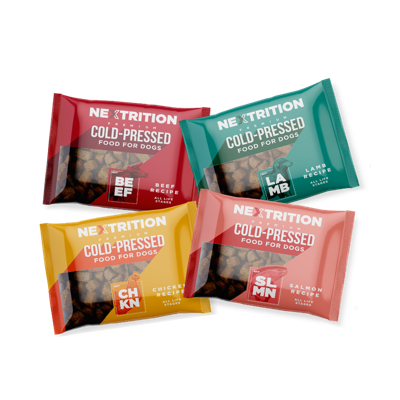
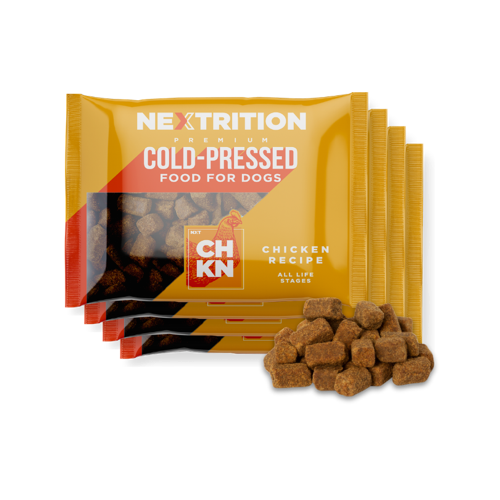
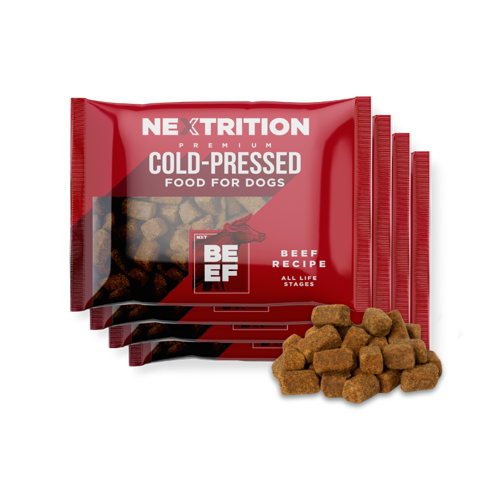
We use cold-pressed food for a reason. It's made at lower temperatures than standard kibble, which helps preserve more of the nutrients that high heat can damage. The goal isn't novelty. It's gentler digestion and better use of what's in the bowl.
Our Dog Food for Soft Stool approach is built around that idea. Real meat, fruits and vegetables, plus prebiotics, probiotics, and natural fibers aimed at digestive support and stool quality. Not because one ingredient is magical. Because reducing digestive friction meal after meal tends to work better than chasing the next quick fix.
If you're a food-first owner, that usually feels more honest anyway.

What to Feed a Dog With Loose Stools While You Support the Gut
When stools are loose, consistency beats creativity. This is not the week for extra toppers, rich chews, and a handful of "just a little" treats from three family members.
Stick with a food your dog tolerates well and stay with it long enough to judge it fairly. Protein choice matters here. If your dog tends to do better on lamb, don't second-guess that because another formula sounds more exciting.
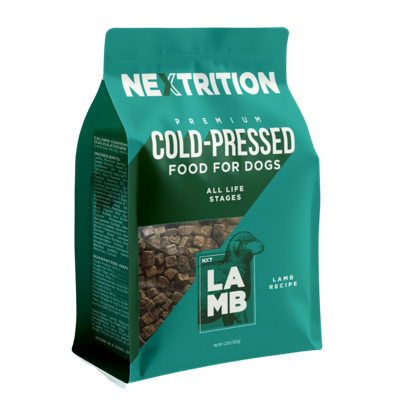
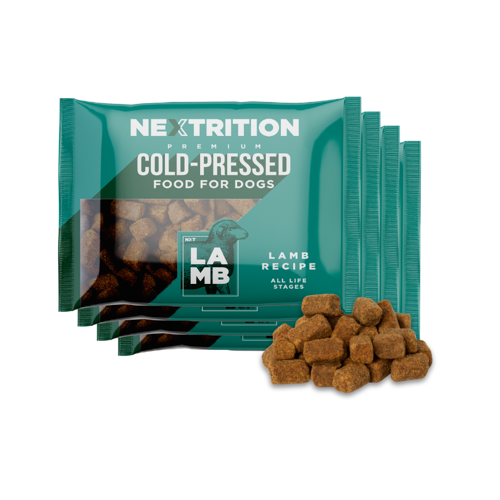
For dogs whose owners want a lamb based daily food with digestive support in mind, our All-Natural Lamb Recipe is a sensible fit. It's a cold-pressed recipe with real lamb as the number one ingredient, and it's positioned for easier digestion and sensitive stomach support. If you're cautious about transitions, the Lamb Recipe Trial Pack is a practical place to start before committing to a larger bag.
A few feeding rules matter more than brand hopping:
- keep meals simple
- keep the protein steady
- keep treats limited
- give the plan enough time
Stability is doing real work here, even when it feels uneventful.
Common Mistakes That Keep Stools Loose
Most recurring soft stool cases aren't caused by one giant mistake. It's usually a stack of smaller ones.
The usual offenders look like this:
- switching foods too quickly, then deciding the food "didn't work"
- adding probiotics while still giving rich treats, leftovers, and extras
- changing too many variables at once
- expecting overnight improvement from a gut issue that's been brewing for weeks
- overfeeding, which can soften stools all by itself
- restarting the whole feeding plan every time one bad bowel movement happens
That last one gets people. One loose stool on Tuesday doesn't always mean the entire plan failed. Sometimes the plan is fine and the dog found something weird in the yard. You need enough consistency to tell the difference.
Gut support falls apart when the rules change every 48 hours.
How Long It Takes to See Improvement
Mild digestive upset can improve fairly quickly. Long-standing stool inconsistency usually takes longer. That's not exciting, but it's honest.
Look for trends across several days, not one decent bowel movement. Better stool shape, less urgency, fewer swings between normal and mushy, more predictability. That's progress.
If stools get worse after introducing a new food, treat, or supplement, reassess that change instead of piling on another one. More intervention isn't always smarter.
The gut usually rewards repetition, not constant adjustment.
If you're doing things right, improvement often looks gradual and a little boring. If nothing improves, or symptoms escalate, it's time to move from at-home support to veterinary guidance.
Questions Dog Owners Often Have About Probiotics and Loose Stools
These questions come up all the time, and the answers are usually less dramatic than people expect.
Can probiotics help during a food transition?
Yes, they may help support the gut during a gradual transition. Gradual is the word doing the heavy lifting there. If you switch too fast, even a good probiotic may not save the process.
Are probiotics enough on their own?
Often not. They tend to work better as part of a broader digestive-support plan that includes digestible food, controlled treats, consistent portions, and a steady routine.
Should you keep giving probiotics after stools improve?
It depends on why the stools were loose in the first place. If the issue was temporary and the daily diet now supports a better baseline, you may not need the same level of support going forward. If your dog is consistently sensitive, some ongoing support may make sense.
Can treats affect the outcome?
Absolutely. Even small extras can keep stool quality unstable. A probiotic can't do clean-up duty for a treat drawer that's working against you.
Is a personalized feeding plan useful?
Yes, especially for dogs who are easy to overfeed or who do better with a more precise routine. A tailored feeding plan helps you avoid the quiet mistakes, too much food, too many changes, too little consistency, that often keep loose stools hanging around.
Conclusion
Loose stools are common, but they are also useful feedback. Your dog's gut is telling you something about what it's handling well and what it isn't.
Probiotics can help some dogs, especially when digestive imbalance is part of the issue. But they work best alongside a consistent, digestible daily diet that gives the gut fewer reasons to stay irritated.
If stools keep coming back loose, simplify the bowl. Make one thoughtful change at a time. Watch for steady improvement instead of chasing fast fixes.
And if your dog's digestion needs more than a temporary patch, a food-first approach usually makes more sense than trying to supplement your way out of a feeding problem.
Article Record
ReferencesPrimary sources used for this article
- A Randomized Double Blinded Placebo-Controlled Clinical Trial of a Probiotic or Metronidazole for Acute Canine Diarrhea
- Evaluation of publication bias in the assessment of probiotic treatment for gastrointestinal disease in dogs and cats
- Effect of a feed supplement containing probiotics on fecal score and clinical parameters in dogs with chronic kidney disease and intestinal disorders: A pilot study
- A new highly digestible prescription diet containing Bacillus velezensis DSM 15544, fructo-oligosaccharides, plasma immunoglobulin, yeast and sepiolite for the management of acute diarrhea in dogs—a randomized double-blinded, controlled trial
- Ask your veterinarian if Proviable
- Pro-Pectalin Chewable Tablets for Dogs & Cats – Vetoquinol Pets USA
- Pet Protect™ Digestive Health Soft Chews With Vet-Formulated Lactoquil
- Probiotic Plus for Dogs | Dorwest Herbs


