




Loose stools in dogs: food is often blamed first, and sometimes it is the problem. But frantic food-switching can keep a sensitive gut unsettled (and make the mess harder to trace).
What matters is the pattern: timing, portions, treats, protein, and how quickly anything changed. A good food audit gives you cleaner answers before you buy another bag.
Start by watching for:
- Soft stool after a new topper, chew, or richer training day
- Meals measured by cup, not guesswork
- Vomiting, blood, or lethargy that needs a vet—not another food swap
Why Stool Quality Matters More Than Most Dog Owners Realize
Loose stool is easy to dismiss as a cleanup issue. It isn't. Stool is one of the few daily signals your dog gives you about how well their digestive system is actually handling what goes in the bowl.
Healthy stool is usually formed, easy to pick up, and pretty consistent from one day to the next. Not perfect every single time. Just stable enough that you don't find yourself squinting at the grass every morning wondering what changed now.
When stools stay soft, sloppy, urgent, or unpredictable, that tells us something upstream isn't working well. Digestion may be inefficient. Nutrients may not be absorbed as cleanly as they should be. The gut lining may be irritated. Your dog may simply be uncomfortable in ways that don't look dramatic but still matter.
And gut health doesn't stay in the gut. A large share of immune activity is tied to the digestive tract, which is one reason recurring stool problems deserve more respect than they usually get.
A lot of owners quietly spiral here. They feel guilty, switch foods too fast, add pumpkin, cut treats, add treats back, try a topper, then blame themselves when none of it sticks. We've seen that pattern plenty. Random changes can turn a solvable feeding problem into a moving target.
Bad stool is often less about mess and more about mismatch.
Can Dog Food Cause Loose Stools?
Yes, dog food can cause loose stools. But it isn't the only cause, and that's where people get tripped up.
The food itself matters, of course. So does how quickly it was introduced, how much is being fed, what else gets added on top, and whether your dog actually tolerates that recipe well. A food can look great on paper and still not sit right with your dog.
That's the uncomfortable truth. Quality matters, but compatibility matters too.
A one time upset after your dog stole something greasy off the counter is different from a pattern that keeps showing up after meals, recipe changes, richer treats, or certain proteins. If the same problem keeps circling back, the question isn't just "is food to blame?" It's more specific than that:
- Is the protein the issue?
- Is the food too rich?
- Was the switch too fast?
- Is the portion too large?
- Are treats muddying the picture?
- Is the food harder to digest than it should be?
That's a much better frame for loose stools in dogs food concerns, because it gets you closer to something you can actually test.

How to Tell if Food Is the Most Likely Trigger
Start with timing. Timing saves people a lot of guessing.
If the loose stool began right after switching foods, adding a topper, changing proteins, increasing treats, or handing out more extras than usual, food jumps higher on the suspect list. That doesn't prove the main meal is bad. It just means the feeding routine changed, and the gut noticed.
Sudden food changes are one of the most common and most preventable causes. Dogs don't just digest the food itself. Their gut microbes adapt to what they're being fed. Change the menu overnight and some dogs handle it fine, while others are a mess by the second afternoon.
A simple way to sort this out is to check the full picture:
- More likely food related: appetite is normal, energy is mostly normal, no vomiting, no obvious pain, symptoms started near a feeding change
- Less likely just food: low energy, repeated vomiting, belly pain, dehydration, blood, or symptoms that keep building
It's also useful to know the basic timeline. Acute diarrhea usually means less than 14 days. Chronic means more than 14 days. That line matters because a short lived flare often gets managed very differently from a stool issue that's been hanging around for weeks.
Location clues help too. Large bowel problems often mean more frequent trips, urgency, mucus, or straining with smaller amounts. Small bowel issues tend to produce larger volume stool and may come with weight loss. You don't need to diagnose this yourself, but those details help you decide whether you're looking at a minor food mismatch or something that needs a vet's eyes.
Memory is unreliable here. Keep a simple log for a few days:
- What food and treats were fed
- How much was fed
- Stool firmness and frequency
- Gas, itching, appetite, and energy
Patterns usually show up faster on paper than in your head.
The Most Common Food-Related Reasons Dogs Get Loose Stools
Food related loose stools usually come from a short list of repeat offenders. The mistake is assuming it must be something exotic.
Sudden diet transition
A fast switch can upset the gut even when the new food is objectively better. That's frustrating, but common. Most dogs do better with a gradual transition over about a week, and sensitive dogs may need longer.
Ingredient intolerance or sensitivity
Some dogs simply don't do well with a certain protein or ingredient. Chicken is fine for many dogs, not all. Same with beef, dairy based add-ins, or certain fillers and flavor extras. True food allergy often shows up through skin issues first, but digestive symptoms can absolutely be part of it.
Richness and fat level
Foods and treats that are too rich can overwhelm a sensitive system. This is where people misread the situation. They blame the dinner bowl when the real problem was a weekend full of chews, training treats, broth toppers, and table scraps.
Low digestibility
If the food is harder to break down and absorb, more undigested material reaches the colon, and stool quality often pays for it. This isn't just about ingredients. Processing plays a role too.
Fiber imbalance
Too little fiber can be a problem. Too much can also be a problem. The type matters. Soluble fibers can help absorb water and support better stool consistency in some dogs, but more fiber isn't automatically better. We wish this part were simpler than it is.
Overfeeding
Even a good food can produce loose stools if you're feeding more than your dog handles well. This happens all the time, especially when portions get eyeballed and every family member contributes "just a little."
Treats and chews
Some dogs eat a clean main diet and then get sideshows all day. If you want clear answers, your treat routine has to be audited with the same honesty as the food bag.
What the Research Suggests About Diet, Gut Support, and Stool Quality
The useful research here points in a practical direction: stool quality improves when food is easier to digest and when the gut environment is better supported.
In dogs with chronic enteropathy, highly digestible diets have been shown to improve stool quality while maintaining body weight. That's worth paying attention to. Better stool isn't helpful if the dog is losing condition, but that wasn't the tradeoff there.
Microbiome support matters too. This is bigger than protein percentage or calories. In one controlled study, dogs prone to loose stools showed improved stool consistency with a postbiotic, while the placebo group didn't show the same improvement. Another study on chronic large bowel diarrhea found that targeted fiber and polyphenol support improved clinical signs and shifted gut activity away from more harmful putrefactive patterns toward more beneficial fermentation.
The practical takeaway is fairly grounded:
- digestibility matters
- microbiome support matters
- the intestinal environment matters
Firm stool is the visible part. The more important question is whether your dog is actually using the food well. Stool tells on the whole system.
What a Controlled Acute-Diarrhea Trial Found
In a multicenter, randomized, double-blind trial of 111 adult dogs with uncomplicated acute diarrhea, dogs fed the test diet reached normal fecal consistency in a mean of 3.6 days, versus 5.9 days for dogs fed a highly digestible control diet. The trial also found a 1.6-times greater chance of recovery for the test-diet group.
In 111 adult dogs with uncomplicated acute diarrhea, the test diet group reached normal fecal consistency in a mean 3.6 days, compared with 5.9 days for the highly digestible control-diet group.
Source: Jeusette et al., *Frontiers in Veterinary Science* (2025)
- The test diet was a multi-component prescription formulation, so the trial cannot isolate the effect of digestibility, probiotic content, prebiotics, or any single ingredient.
- The study enrolled adult dogs with mild-to-moderate uncomplicated acute diarrhea lasting less than seven days; it does not establish outcomes for chronic, severe, or medically complex diarrhea.
- The study authors included employees of the diet manufacturer’s R&D department.
View chart data
| Diet group | Mean recovery time |
|---|---|
| Test diet | 3.6 |
| Highly digestible control diet | 5.9 |
That result is useful because it puts a number on the potential value of a diet designed for an active, mild-to-moderate diarrhea episode. It does not show that one ingredient, processing method, or general retail food caused the difference: the test diet combined several components, including a probiotic, fructo-oligosaccharides, plasma immunoglobulin, yeast, and sepiolite. The study also applies to acute, uncomplicated diarrhea in adult dogs—not persistent or severe symptoms that need veterinary evaluation.
What to Look for in a Food if Your Dog Has Loose Stools
If your dog has recurring soft stool, don't just hunt for a prettier label. Look for a food that makes troubleshooting easier and digestion less demanding.
We'd start with these filters:
- Recognizable ingredients. Real meat, fruits, vegetables, and functional fibers are easier to trust than a formula loaded with vague or heavily altered inputs.
- A clearly defined protein. Single protein or at least clearly named protein sources make it easier to spot patterns.
- Digestive support that has a job to do. Prebiotic fibers and other gut supportive ingredients can help feed beneficial bacteria instead of just filling space.
- Sensible richness. If your dog gets loose stools on heavier meals, an overly rich formula can keep you stuck.
- Portion guidance you can actually use. Loose stools from overfeeding are more common than people think.
- A formula that doesn't make the gut do extra work. Long lists of unnecessary extras rarely help a sensitive dog.
When readers ask us about loose stools in dogs food choices, we usually tell them to judge the full digestive picture, not just the protein line on the front of the bag. Ingredient quality matters. Digestibility matters. Gut support matters. How the food is made matters too.

Why Processing Method Can Affect Digestive Tolerance
Two foods can look similar on the label and behave very differently in the dog.
That's the part many health conscious owners already suspect, and they're right to care. Processing changes texture, nutrient retention, and how the food moves through digestion. Different diet formats have been shown to produce different fecal characteristics and different fecal output in real dogs. So no, format isn't a cosmetic detail.
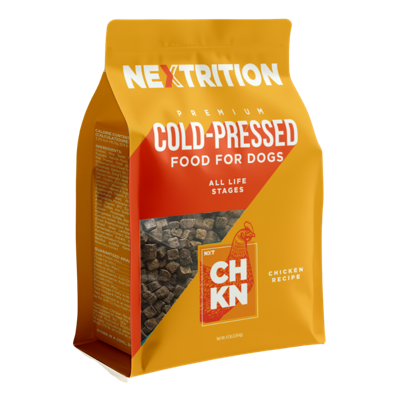
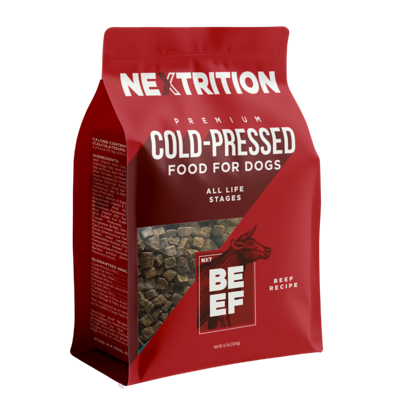
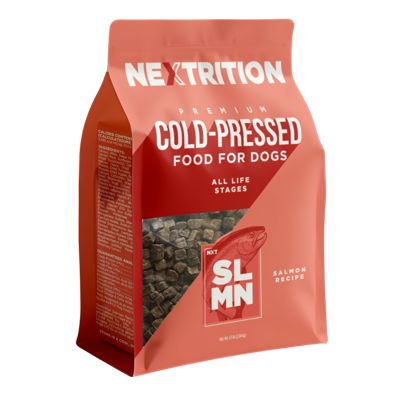
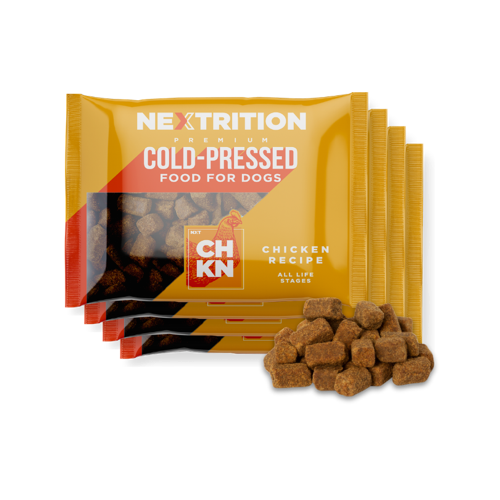
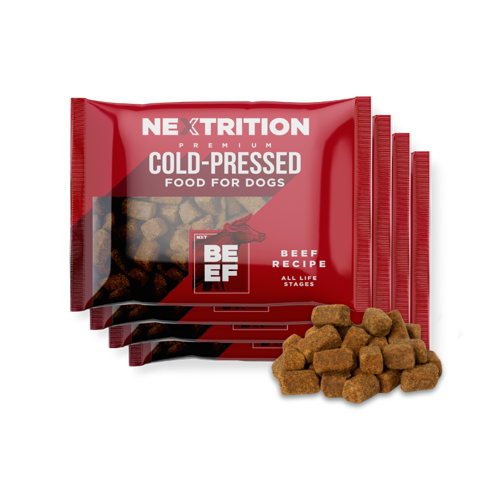
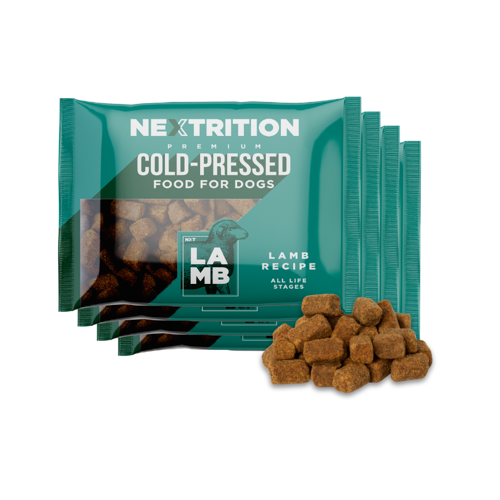
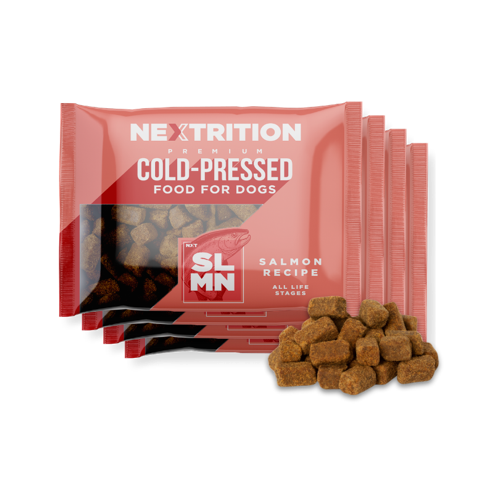
This is where our point of view is pretty clear. We believe gentler processing gives many dogs a better shot at everyday digestive stability. Nextrition's Cold-Pressed Dog Food is made at lower temperatures than traditional kibble, with the goal of preserving more of the nutrients and natural value of the ingredients instead of cooking the life out of them.
That doesn't mean processing is the only variable. It means if you're dealing with can dog food cause loose stools questions, you shouldn't stop at ingredient panels alone. Read the bag, yes. But also ask what happened to those ingredients before they got into the bag.
Some dogs don't need that distinction. Sensitive dogs often do.
How to Switch Foods Without Making Stool Problems Worse
A bad switch can make a good food look guilty. We've seen that happen over and over.
If you're changing foods, do it gradually. For many dogs, that means around a week. For dogs with a history of soft stool, a sensitive stomach, or recent digestive upset, go slower.
During the transition, strip out the noise. Remove extras for now:
- treats beyond the minimum
- chews
- table scraps
- rich toppers
- new supplements
Measure meals. Don't eyeball them. And change one major variable at a time, or you won't know what helped.
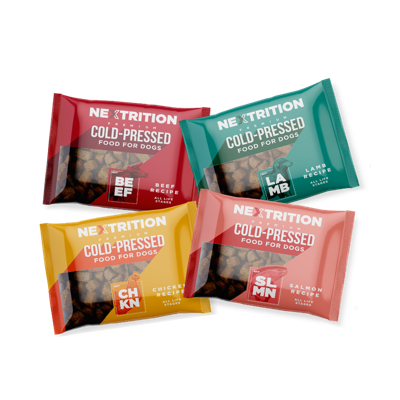
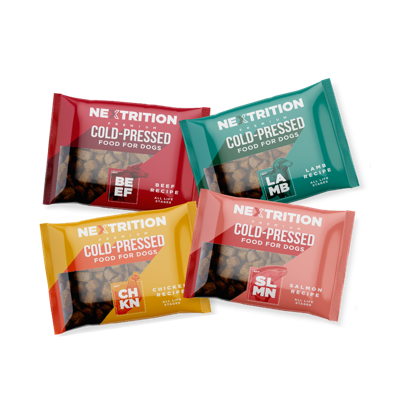
If you want to compare proteins without committing to a full bag too early, our Trial Variety Pack can be a useful testing tool. Not because variety is magic. It isn't. It just lets you trial proteins more deliberately and watch response before you stock up on the wrong thing.
Track a few things during the switch:
- stool firmness
- frequency
- gas
- appetite
- itching
- energy
That gives you a cleaner read than "he seemed maybe a little better on Tuesday."
When a Different Protein or a Simpler Formula May Make Sense
If loose stools keep recurring on one recipe, protein choice becomes a real troubleshooting step, not a trend.
Some dogs do poorly on poultry based foods. Some do better when the ingredient list gets simpler. That doesn't mean you need to bounce between exotic proteins every month. Usually the smarter move is reducing variables and testing in a controlled way.
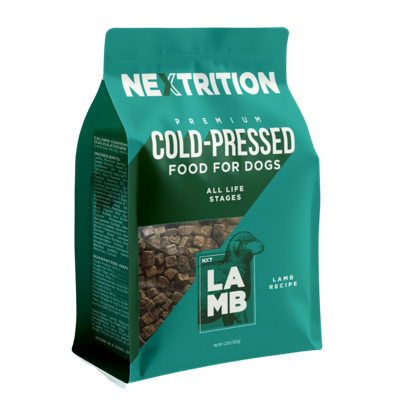
A lamb based option is often worth considering for dogs whose stool never seems fully settled on more common choices. Our All-Natural Lamb Recipe is one example of that approach. It's a lamb based cold-pressed formula positioned for digestive support and sensitive stomach concerns, which makes it a sensible test case when you want to change one meaningful variable without changing everything.
If you're seeing a broader pattern of sensitivities, a limited ingredient approach can help narrow the field. The goal isn't to chase the most fashionable formula. It's to create a cleaner experiment.
A simpler food doesn't solve every gut problem. But it does make the dog's response easier to read.
When Loose Stools Are Probably Not About Food
Not every loose stool is a food problem, even when it happens near mealtime.
Dogs get diarrhea from dietary indiscretion all the time. They eat something off the sidewalk, raid the trash, lick up something strange in the yard, and suddenly the main food gets blamed. Stress can do it. Parasites can do it. Some medications can do it. Infectious disease can do it. Chronic gastrointestinal disorders can absolutely do it.
There are also cases where another food swap from a retail shelf just delays real help.
Talk to your vet sooner if you see any of these:
- vomiting
- blood in the stool
- belly pain
- dehydration
- repeated straining
- weight loss
- marked lethargy
- symptoms that last beyond a brief mild episode
Be especially careful with puppies, seniors, and dogs who are already medically fragile. Persistent stool issues deserve a clearer diagnosis. Sometimes the right answer is nutrition. Sometimes it isn't.
A Simple Food Audit for Dog Parents Who Want Clearer Answers

If you want fewer guesses, run a basic audit before changing everything. Keep it boring and honest. That's usually where the answers are.
Ask yourself:
- What changed in the last one to two weeks?
- Did we start a new food, treat, topper, supplement, or chew?
- Is anyone else feeding extras?
- Has portion size crept up?
- Is the stool loose every time or only intermittently?
- Are skin issues, ear issues, or gas showing up too?
Look at the whole feeding routine, not just the main bag. A dog can eat a decent food and still have a chaotic digestive routine.
If the audit points toward the food and you want a gut focused option afterward, our Dog Food for Soft Stool collection exists for exactly that use case. It's centered on firmer stools and digestive support. Still, we'd rather see you make one thoughtful change than five panicked ones.
Simplify first. Then observe. Then adjust.
Conclusion
Loose stools don't automatically mean you've failed your dog, and they don't always mean the current food is wrong forever.
Food can absolutely contribute. But the real answer is often a mix of ingredient tolerance, digestibility, processing method, transition speed, portion size, treats, and the dog's own gut resilience. That's why the smartest response is usually calmer and more methodical than people expect.
Audit the routine. Rule out obvious non food triggers. Track patterns instead of relying on memory. And if a food change makes sense, make it gradual and intentional.
Better stool is rarely the result of a dramatic fix. More often, it comes from finally removing the friction your dog's gut has been fighting every day.
Article Record
ReferencesPrimary sources used for this article
- A new highly digestible prescription diet containing Bacillus velezensis DSM 15544, fructo-oligosaccharides, plasma immunoglobulin, yeast and sepiolite for the management of acute diarrhea in dogs—a randomized double-blinded, controlled trial
- Diarrhea - PMC - NIH
- Dog Diarrhea: Signs, Symptoms, and Treatments
- Microbiome function underpins the efficacy of a fiber-supplemented dietary intervention in dogs with chronic large bowel diarrhea | BMC Veterinary Research | Springer Nature Link
- Abrupt Dietary Change and Gradual Dietary Transition Impact Diarrheal Symptoms, Fecal Fermentation Characteristics, Microbiota, and Metabolic Profile in Healthy Puppies
- Efficacy of an elemental diet in achieving clinical remission in dogs with chronic enteropathy
- Evaluation of Bacillus subtilis ATCC PTA-122264 on the fecal characteristics and microbiota of healthy adult dogs subjected to an abrupt diet change
- Frontiers | A new highly digestible prescription diet containing Bacillus velezensis DSM 15544, fructo-oligosaccharides, plasma immunoglobulin, yeast and sepiolite for the management of acute diarrhea in dogs—a randomized double-blinded, controlled trial


