




Loose stool has a way of making every scoop of food feel like a bad decision. Knowing what to feed a dog with loose stools starts with not piling on treats, toppers, pumpkin, and three new supplements at once.
What matters is calming the gut first, then paying attention to what keeps the problem returning. A bland meal can help for a day; it won’t fix food that your dog doesn’t digest well.
Start here:
- Offer small, plain meals and keep fresh water available.
- Skip fatty scraps, chews, dairy, and “just one” treat.
- Call your vet for blood, vomiting, lethargy, or diarrhea that lingers.
Get to firmer stools without guessing.

The Short Answer to What to Feed a Dog With Loose Stools
If you're wondering what to feed a dog with loose stools, start simple. If your dog is still acting fairly normal, not vomiting, and interested in food, the first move is usually small amounts of easy-to-digest food, not a bunch of random fixes.
For most mild cases, that means:
- boiled chicken and plain rice
- plain canned pumpkin, not pumpkin pie mix
- fresh water at all times
- a vet-approved probiotic if your dog has used one before or your vet recommends it
- smaller meals spread through the day instead of one or two heavy bowls
Here's the distinction that matters: a bland diet is a short-term calming plan, not the best food for dog with loose stools long term.
That part gets missed a lot.
Loose stool that keeps coming back usually isn't just bad luck. It often points to digestion trouble, microbiome imbalance, an ingredient your dog doesn't handle well, or food that simply isn't being used efficiently.
When Loose Stools Mean You Should Call the Vet First
Some cases are fine to watch at home for a day. Some aren't. The hard part is that dog owners often wait too long because the dog still wags, still eats, still wants to go outside.
Call your vet sooner if you see any of this:
- vomiting along with diarrhea
- blood in the stool
- major lethargy or weakness
- signs of belly pain
- dehydration
- repeated straining
- concern that your dog swallowed something it shouldn't have
- profuse diarrhea that keeps going
If loose stools last more than 24 to 48 hours, that's vet territory even if your dog is still eating.
Puppies under 3 months, senior dogs, and dogs with known medical issues need a shorter leash here. They can get into trouble faster, and they're not good candidates for casual fasting or internet-remedy experiments.
One thing we wouldn't do blindly is pile on fiber, pumpkin, supplements, and probiotics when the real issue might be pancreatitis, colitis, a blockage, or something infectious. Stool problems are common. They're not always minor.
If your dog looks off, trust that before you trust the bowl plan.
Why Loose Stools Are Usually a Gut Health Signal
Most owners look at the mess. We look at what the mess is telling you.
Loose stools usually mean the gut isn't doing its job cleanly. That can show up as poor digestion, irritation in the intestinal tract, bacterial imbalance, low-quality ingredients, rich add-ons, or food that moves through too fast to be properly absorbed.
A healthy stool is pretty boring. It should hold its shape, be easy to pick up, and not smear across the grass like soft serve. Crude description, but useful.
When dogs digest food well, they tend to produce:
- more formed stools
- less stool volume
- less gas
- more predictable bathroom habits
That matters because stool quality is one of the clearest pieces of feedback you get from a food. If your dog eats a full bowl every day and keeps producing oversized, soft, frequent stools, the food may be filling the stomach without really serving the dog.
And the gut isn't a side system. A huge share of immune activity runs through it. So when digestion is off over and over, it doesn't always stay a poop problem. Sometimes you start seeing skin irritation, appetite changes, gassiness, or just a dog that never seems fully settled.
Should You Feed a Dog With Loose Stools or Give the Gut a Short Break?
People still jump straight to fasting. Sometimes that's right. Often it's just habit.
If your dog has loose stools but isn't vomiting, many dogs do better with gentle feeding instead of a full food stop. A little bland, digestible food in small amounts can be easier on the system than an empty stomach followed by a big refeed.
A short fast may make sense if your dog got into something questionable and has mild upset, but it should be brief. And if there's any doubt, ask your vet first.
A few practical rules:
- Never withhold water.
- Don't fast puppies, seniors, or medically fragile dogs unless your vet tells you to.
- If feeding seems to make things dramatically worse, stop guessing and call your vet.
Hydration matters more than food in the first stretch. Loose stool pulls water with it. That's when you start seeing tacky gums, lower energy, or a dog that just looks flat.
This is one of those moments where calm beats aggressive. You don't need to "reset" the entire digestive system in an afternoon.
What to Feed a Dog With Loose Stools in the First 24 Hours
For an uncomplicated case, keep the first day plain and controlled. The goal is to reduce digestive workload, not win a nutrition award by dinner.
A simple first-day plan looks like this:
- small portions of boiled chicken and plain white rice
- plain canned pumpkin in a modest amount if your dog usually tolerates it
- several mini meals through the day rather than full-size servings
- no treats, chews, scraps, broths, or meal toppers
- constant access to fresh water
Small frequent feeding matters more than people think. A gut that's irritated often handles four or five little meals better than one "sensible" normal meal.
Watch these in the background:
- energy level
- appetite
- frequency of bowel movements
- whether stool is improving or becoming more urgent
- water intake
If your dog is still having repeated watery stool, starts vomiting, or seems less comfortable as the day goes on, the home plan has run its course.
This short-term approach is for mild digestive upset. It's not a DIY answer for chronic diarrhea or a dog with a known GI condition.

Helpful Gut-Supporting Add-Ins That May Improve Stool Quality
Once the immediate flare settles, some dogs benefit from basic gut support. The mistake is assuming more support is always better. It isn't.
Probiotics and prebiotics
Probiotics can help restore balance after a digestive upset. Some dogs respond quickly, sometimes within a day or two. Others need a more stable food change before they improve much.
Prebiotics do a different job. They feed helpful gut bacteria so the microbiome has something useful to work with. That's one reason we care so much about ingredient quality and processing method. Gut support isn't only about what you add. It's also about what survives the manufacturing process.
Soluble fiber
Plain pumpkin and psyllium can help some dogs because soluble fiber holds water and can firm up stool. But fiber is a tool, not a magic trick.
Too much can leave you with:
- more gas
- bulkier stools
- more urgency
- a dog that seems no better, just busier
And if the dog is dehydrated, fiber can make a mediocre situation worse. Water intake has to keep up.
Some dogs do fine with food-based support. Others with recurring issues need a true gastrointestinal diet or a more intentional long-term plan. That's the fork in the road.
| Add-in | What it does | When it may help | Main caution |
|---|---|---|---|
| Probiotics | Can help restore balance after a digestive upset. | Some dogs respond quickly, sometimes within a day or two. | More support is not always better; some dogs need a more stable food change before they improve much. |
| Prebiotics | Feed helpful gut bacteria so the microbiome has something useful to work with. | Useful as part of basic gut support after the immediate flare settles. | Gut support is not only about what you add; ingredient quality, processing method, and what survives manufacturing also matter. |
| Soluble fiber | Plain pumpkin and psyllium can hold water and help firm up stool in some dogs. | May help in appropriate cases, but it is a tool rather than a magic fix. | Too much can cause more gas, bulkier stools, more urgency, and worse results if the dog is dehydrated; water intake has to keep up. |
What Not to Feed a Dog With Loose Stools
A lot of setback comes from good intentions.
When a dog's stool gets loose, owners start reaching for leftovers, rich canned food, bone broth, new treats, yogurt, "gut powders," and anything with a calming label on it. That's usually how you turn one variable into seven.
Avoid these during a flare-up:
- fatty foods or greasy leftovers
- rich toppers
- lots of treats, even the "healthy" kind
- dairy and probiotic-heavy human foods
- highly processed snacks
- abrupt food changes
- multiple new supplements at once
The dog's gut does not care that the treat was expensive.
One of the most common mistakes is bouncing between foods every couple of days because stool isn't perfect yet. Then you can't tell whether the problem is the original issue, the new protein, the pumpkin, or the chew you gave because your dog looked sad.
Eating something is not the same as eating something the gut can use calmly. That's the standard.
How to Choose the Best Food for a Dog With Loose Stools
Once the urgent part passes, the real question starts. Not "what stopped the mess?" but "what should this dog eat every day so we stop replaying this?"
The best food for dog with loose stools should be:
- complete and balanced
- easy to digest
- built around a clear protein source
- made with ingredients you can actually recognize
- moderate and sensible, not overloaded
- supported by functional fiber and gut-friendly ingredients
We also think processing matters more than the average label conversation admits. Heavily processed kibble can be hard on dogs that already have touchy digestion. Gentler processing helps preserve more natural nutrients, enzymes, and amino acids, and that tends to show up in stool quality.
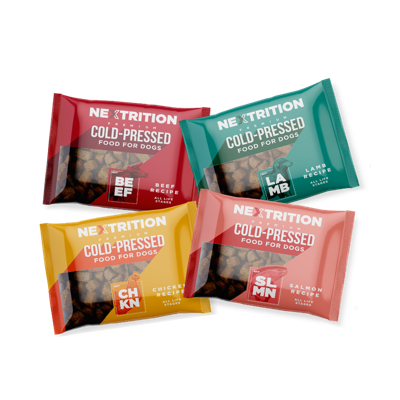
That's exactly why our Cold-Pressed Dog Food collection exists. We make it at 3x lower temperatures than conventional kibble, with real meat, fruits, and vegetables, because dogs with sensitive digestion usually don't need more food drama. They need food their bodies can actually work with.
For dogs dealing with recurring soft stool, our Dog Food for Soft Stool and Dog Food for Gut Health collections are often where owners start narrowing the field. Not because every loose stool case is the same, but because the long-term fix usually lives in better digestibility, cleaner ingredients, and a food that stops fighting the gut every day.
Which Proteins and Ingredients Tend to Work Best for Sensitive Digestion
There isn't one universal "safe" protein. There is only the protein your dog handles well, consistently, over time.
Chicken is common in short-term bland feeding because it's familiar and digestible when prepared simply. That doesn't automatically make it the best everyday answer. Some dogs do better when the protein source stays simple and stable instead of rotating every time a bag runs out.
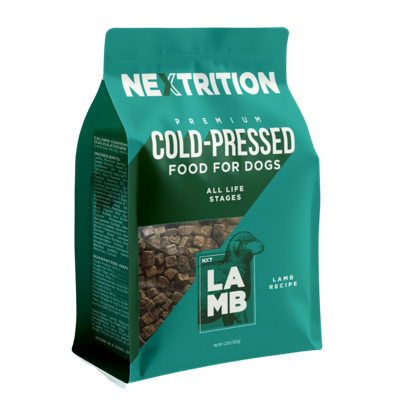
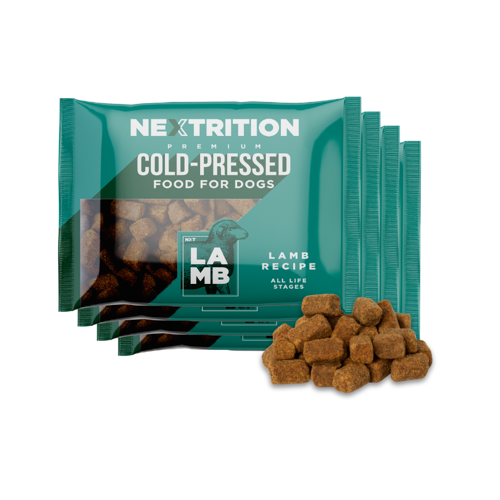
For many sensitive dogs, lamb is a practical everyday option. Our All-Natural Lamb Recipe is one we often point owners toward when they want a lamb-based cold-pressed food made with digestion and stool quality in mind. It's especially useful when you want an everyday dry food that feels gentler than standard kibble without getting overly complicated.
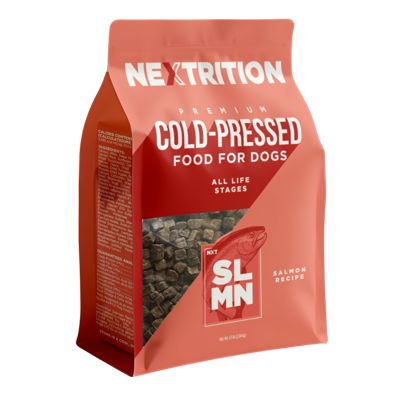
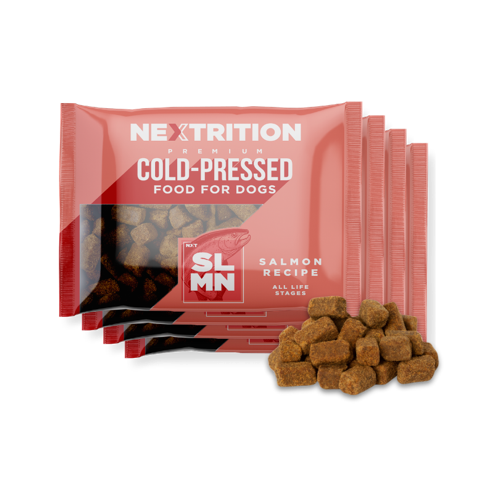
Salmon can make sense when gut and skin issues seem to travel together, which they often do. Our All-Natural Salmon Recipe gives you a fish-based option with omega-3 support in a shelf-stable dry format, and some dogs with soft stool plus itching do better when both concerns are addressed from the bowl.
A few ingredients are worth watching for in any formula:
- pumpkin
- chicory root
- natural fiber sources
- a short, readable ingredient list
- one clear primary protein
We'd judge success by what your dog shows you: stool quality, gas, appetite, comfort, maybe even whether the stomach noises quiet down after a week or two. Labels make promises. Stools keep score.
When a Prescription Gastrointestinal Diet May Be the Better Choice
Sometimes a premium everyday food isn't enough. That's not a failure. It's just a different case.
If your dog has chronic diarrhea, inflammatory bowel disease, malabsorption, EPI, colitis, or a condition where low fat intake matters, your vet may want a therapeutic gastrointestinal diet. Those diets are often built to be highly digestible, lower residue, lower in fat, or more tightly controlled in ways that matter for medical cases.
Some are also designed with targeted prebiotic blends and are used specifically to help resolve diarrhea quickly or lower the chance of it repeating.
That's not the same thing as casually grabbing a "sensitive stomach" food off a shelf.
Puppies especially need more care here. A puppy with digestive trouble may need a veterinary formula that supports growth while managing the gut issue. And a homemade chicken-and-rice plan is not a complete diet for weeks on end, no matter how much your dog likes it.
When the gut problem has a diagnosis attached to it, feed the diagnosis first.
There is also clinical evidence that a specifically formulated veterinary diet can change recovery time in uncomplicated acute diarrhea. In a 2025 randomized, double-blind trial, 111 adult dogs with mild-to-moderate acute diarrhea were assigned to either a highly digestible control diet or a prescription diet containing several added gut-support ingredients. Dogs on the multi-ingredient diet reached normal fecal consistency in 3.6 days on average, versus 5.9 days for the control diet.
In 111 adult dogs with uncomplicated acute diarrhea, the tested multi-ingredient prescription diet was associated with a shorter mean time to normal fecal consistency than a highly digestible control diet.
Source: Jeusette et al., 2025
- This was a study of 111 adult dogs with mild-to-moderate uncomplicated acute diarrhea, not dogs with chronic enteropathy, puppies, or medically complicated diarrhea.
- The test diet combined several ingredients, so the trial cannot isolate the effect of any one probiotic, prebiotic, or fiber ingredient.
- The study included employees of and funding from the diet manufacturer.
View chart data
| Diet group | Mean days |
|---|---|
| Tested multi-ingredient prescription diet | 3.6 |
| Highly digestible control diet | 5.9 |
That result applies to the particular prescription formula tested, not to every food marketed for sensitive digestion, homemade bland meals, or a single probiotic or fiber add-in. The study also involved uncomplicated acute cases; recurring diarrhea, puppies, and dogs with a diagnosed condition still need a veterinary plan tailored to the cause.
How to Transition From Bland Food to a Better Everyday Diet
This is where a lot of relapses happen. The stool improves, everyone relaxes, and by the next day the dog is back on a full bowl plus treats. Too fast.
Move back to a complete diet gradually, usually over about a week. Very sensitive dogs may need longer. Let stool quality set the pace. If stool softens again, don't panic and add three more products. Slow the transition.
A practical approach:
Step-by-step transition
- Start mix
Start with mostly bland food and a small amount of the new food.
- Increase gradually
Increase the new food a little every day if stool stays stable.
- Pause if needed
Hold steady or step back if stool loosens again.
- Skip extras
Keep treats and extras out until the base diet is settled.
Change one variable at a time. Food, toppers, supplements, treats. One at a time.
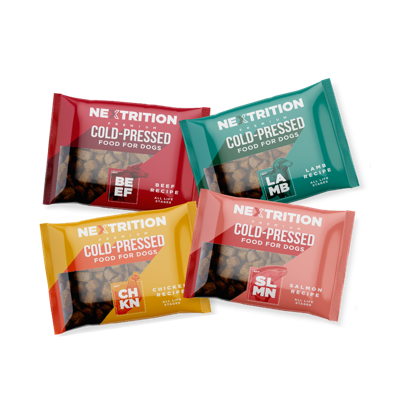
If you're not sure which protein your dog will do best on, our Trial Variety Pack is a clean way to test tolerance before committing to a full-size bag. That works better than buying three large bags and hoping enthusiasm counts as a nutrition plan.
Monitor stool consistency, gas, itching, appetite, energy, and frequency. This week tells you a lot.

How to Tell Whether the New Food Is Actually Helping
Don't judge a new food by one decent poop. That gets people into trouble.
What you want is a pattern:
- stools become more formed
- pickup gets easier
- urgency drops
- gas settles down
- appetite feels steadier
- bathroom timing becomes more predictable
Some supports, especially fiber or probiotics, may help within a day or two. Full stabilization from a new food usually takes longer. That's normal.
Smaller firmer stools are often a good sign. It can mean your dog is using more of the meal instead of passing a lot of wasted bulk. That's one of the quieter signs that digestibility has improved.
Watch for signals that the food is still wrong:
- persistent soft stool
- mucus
- repeated flare-ups
- itching
- ear issues
- constant digestive noise
Track patterns instead of reacting to every one-off. A single odd stool after a stressful day or scavenged leaf doesn't tell you much. Three weeks of inconsistency does.
Common Mistakes That Keep Loose Stools Coming Back
Most recurring stool problems aren't mysteries. They're patterns people haven't slowed down enough to notice yet.
A few repeat offenders:
- staying on a bland diet too long and turning a short-term fix into an incomplete routine
- adding pumpkin, probiotics, broth, treats, and new food all at once
- rewarding improvement with rich chews too early
- choosing food based on packaging language instead of digestibility and stool response
- ignoring recurring soft stool because the dog still seems happy
- treating every episode like a random accident instead of checking proteins, fat level, transitions, and extras
One of the worst habits is normalizing "pretty good" stool. If your dog has soft stool three days out of seven, that's not stable. It's just familiar.
Conclusion
What to feed a dog with loose stools depends on where you are in the problem. In the short term, go simple: gentle food, small portions, water, and close observation. In the long term, aim higher than stool control.
Recurring loose stools usually mean it's time to look at digestion, microbiome balance, food quality, and ingredient fit with more honesty. Quick fixes have their place. They just aren't the whole job.
If the case is mild, start calm and feed carefully. Then transition with intention into a complete food that supports firmer stools, easier digestion, and a gut that's finally getting some help instead of fresh irritation every day.
Article Record
ReferencesPrimary sources used for this article
- A new highly digestible prescription diet containing Bacillus velezensis DSM 15544, fructo-oligosaccharides, plasma immunoglobulin, yeast and sepiolite for the management of acute diarrhea in dogs—a randomized double-blinded, controlled trial
- Fiber Supplements in Dogs | SpectrumCare
- What To Feed a Dog With Diarrhea - PetMD
- A Randomized Double Blinded Placebo-Controlled Clinical Trial of a Probiotic or Metronidazole for Acute Canine Diarrhea
- Efficacy of feeding a diet containing a high concentration of mixed fiber sources for management of acute large bowel diarrhea in dogs in shelters
- Canine chronic enteropathy—Current state-of-the-art and emerging concepts
- Royal Canin Gastrointestinal Puppy Ultra-Soft Mousse Wet Dog Food | Royal Canin UK


