




Gas is part of digestion. Dogs produce it, move it through the gut, and release it through belching, intestinal rumbling, or passing gas. None of that is automatically a problem.
A healthy dog can have occasional gas after a meal and still be digesting just fine. The issue starts when the pattern changes. More frequency, worse odor, a tight belly, visible discomfort, softer stools, or a dog who suddenly seems off after eating. That's where we stop treating it like a nuisance and start reading it as feedback.
The better question isn't whether gas exists. It's whether your dog's digestion still looks efficient.
When people ask us what causes gas in dogs, the honest answer is usually not one neat thing. It's often a mix of food quality, how well the dog digests that food, the state of the gut bacteria, and sometimes plain old swallowed air. Gas is often a gut health signal. It tells you something about digestion upstream, absorption in the small intestine, and fermentation further down.
A little gas is normal. A new pattern is information.
What Actually Creates Gas Inside a Dog’s Digestive Tract
If you want to understand why one dog is fine and another clears a room, it helps to know where gas comes from in the first place. There are a few sources, and they don't all mean the same thing.
Some gas is simply swallowed air. Dogs take in air when they eat fast, drink fast, bark, pant, or get worked up around meals. Brachycephalic dogs tend to do this more, which is one reason some of them are reliably gassier.
There is also a normal chemical piece. As food leaves the stomach and enters the small intestine, stomach acid gets neutralized by bicarbonate from the pancreas. That reaction produces carbon dioxide. Some gas can even move into the gut from the bloodstream. So yes, gas can happen even when the diet is pretty solid.
The source that matters most for gut health is bacterial fermentation in the colon. Here's the plain version:
- Food that isn't fully digested earlier in the tract reaches the large intestine
- Gut bacteria ferment that leftover material
- That process creates gases like hydrogen, carbon dioxide, and sometimes methane
- The smell usually comes from sulfur compounds, not the bulk gases themselves
That last point matters. Volume and odor are not exactly the same story.
In practice, the more efficiently your dog breaks down and absorbs nutrients before food reaches the colon, the less leftover material there is for messy fermentation. That's one of the clearest reasons digestive efficiency matters. Better upstream digestion usually means quieter downstream consequences.

The Most Common Causes of Excessive Flatulence in Dogs
When we're talking about the causes of excessive flatulence in dogs, we usually see overlap, not a single villain. A dog eats too fast, gets a few rich treats, changes food abruptly, then the microbiome gets pushed off balance. That is a very normal real-world pattern.
Common triggers include:
- Sudden food changes that don't give the digestive system time to adapt
- Table scraps and rich human foods, especially fatty leftovers, dairy, seasoning, or unfamiliar ingredients
- Low-quality treats, chews, and fillers that leave more residue behind
- More fermentable carbohydrates or fibers that some dogs handle poorly
- Ingredient intolerance, including proteins or other components that don't sit well with that individual dog
- Fast eating, which increases swallowed air
- Breed-related air swallowing, especially in flatter-faced dogs
- Stressful mealtimes, often in multi-dog homes where meals feel competitive
Then there are the cases where gas is more than a feeding mistake. Chronic flatulence paired with stool changes can point to gut imbalance, poor digestion, parasites, inflammatory bowel disease, or pancreatic insufficiency. Those aren't guess-and-see issues forever.
One thing we'd say out loud to any experienced dog owner is this: chronic gas is usually an interaction problem. Food, digestion, motility, and microbes all get a vote.
How Food Quality, Digestibility, and Processing Can Affect Gas
Two foods can look similar on paper and behave very differently in the bowl. That's where digestibility comes in.
Digestibility is simply how much of the food your dog can actually break down and absorb before it reaches the colon. If more nutrients are used well upstream, less residue is left behind for bacteria to ferment. Less residue often means less gas. Cleaner stools too.
Ingredient choice matters, but processing can matter just as much. The way a food is made changes how accessible nutrients are to digestive enzymes. We've seen dogs do poorly on foods that sounded premium, then settle down once the formula and processing matched their gut a bit better.
A few practical examples:
- Some dogs produce less gas on rice-based formulas than on foods built more heavily around wheat or corn
- Soy and peas are common in dog food and can contribute to flatulence in some dogs, depending on amount and tolerance
- Fiber isn't automatically good or bad. Some fibers support gut health well, but highly fermentable fibers can increase gas, especially in the short term or when the amount is off
This is where many owners get stuck. They focus only on ingredient buzzwords and miss the larger point. Better digestion isn't just about fewer farts. It's about comfort after meals, steadier appetite, firmer stools, and more reliable nutrient use. A dog who digests well usually shows it in more than one place.
Why Gut Health Is the Missing Piece Most Owners Overlook
A dog's gut is not just a food tube. It's an active system made up of stomach acid, enzymes, bile, the intestinal lining, immune tissue, and the microbiome. If one part is underperforming, the rest feels it.
This matters because so much immune activity is tied to the gut. Roughly 70% of the immune system resides there. That's why digestive health can show up as more than bathroom issues. Skin, coat, resilience, and general vitality are often downstream of what the gut is doing every day.
Where the microbiome fits
A balanced microbiome helps turn appropriate fibers into useful compounds that support the colon. An imbalanced one can contribute to odor, bloating, and poor stool quality.
Dysbiosis is the plain-language term for that imbalance. It can happen after a sudden diet change, stress, illness, or antibiotics. Sometimes the first sign isn't dramatic diarrhea. It's just a dog who's suddenly much gassier, a little noisier in the belly, and not quite as comfortable after meals.
That early signal gets dismissed all the time.
The goal isn't a silent gut. It's an efficient one.
When you start viewing gas as feedback from the whole digestive environment, your decisions get better. You stop chasing odor and start supporting the system producing it.
What Your Dog’s Gas, Stool, and Behavior May Be Telling You
One bad night after a stolen pizza crust is not the same as a pattern. You want to read clusters of signs, not isolated moments.
Occasional gas after a diet change or indulgent treat may be temporary. Frequent gas with a strong odor suggests something less clean is happening in digestion or fermentation. Often that points to poor ingredient tolerance or more protein putrefaction in the colon.
Gas means more when it travels with other symptoms:
- Soft stools or diarrhea can suggest incomplete digestion, dysbiosis, parasites, or food intolerance
- Weight loss, poor body condition, or a big appetite with poor weight maintenance raise concern for malabsorption or pancreatic issues
- Vomiting, reduced appetite, or obvious belly discomfort deserve more attention
- Audible intestinal rumbling can be harmless, but paired with stool changes or discomfort it becomes more meaningful
The useful habit here is observation. Notice timing. Did it happen within a few hours of a certain meal? Is your dog bolting food in under a minute? Did the gas start when a new chew entered the routine, not when the main food changed?
We'd track five things for a week or two:
- Meal timing and recipe
- Treats and extras
- Stool texture and frequency
- Gas frequency and odor
- Whether your dog seems uncomfortable or completely normal
Patterns save time. Guessing doesn't.
When Gas Is a Reason to Call Your Veterinarian
Some gas can be managed at home. Some shouldn't be.
If your dog's gas lasts more than a couple of weeks, or keeps coming back even after you clean up treats and stabilize the diet, it's worth discussing with your veterinarian. Persistent gas on its own may not be urgent, but it is still useful clinical information.
Move beyond home observation if you also see:
- Chronic diarrhea
- Vomiting
- Weight loss
- Poor appetite
- Ongoing abdominal discomfort
- A pot-bellied look or visible bloating
A few signs are more urgent and need immediate veterinary care:
- Hard or rapidly swollen abdomen
- Repeated unproductive retching
- Collapse
- Marked lethargy
- Severe pain or restlessness
Those can overlap with serious conditions including gastric dilatation and volvulus. That is not a wait-and-see situation.
Depending on the full picture, your veterinarian may look at fecal testing for parasites such as Giardia, or consider diet-responsive intestinal disease, inflammatory bowel disease, or exocrine pancreatic insufficiency. Gas is sometimes the smallest symptom attached to a bigger digestive story.
How to Reduce Gas at Home Without Just Covering It Up
The basics usually do more than the fancy fixes. Start there.
Pull out table scraps, rich extras, and hard-to-digest treats for a few weeks. That alone removes a huge amount of noise from the system. If your dog is a fast eater, slow the meal down with pacing strategies or a slow feeder so less air gets swallowed.
A few straightforward moves help most:
- Transition foods gradually instead of overnight
- Keep a simple log of meals, treats, stools, and gas
- Review treat ingredients, not just the main food
- Keep portions consistent
- Limit the urge to add random toppers because the dog seems bored
Probiotics or digestive support products can help some dogs, but they work best when the base diet isn't driving the problem. If the food and extras are still chaotic, supplements tend to get too much credit or too much blame.
Give the gut time. Some dogs improve within days. Others need a few weeks of consistency for the microbiome to settle. Aim for better digestion, not just fewer odors. That mindset keeps you from changing direction every third day.

Choosing a Food That Supports Digestive Comfort and a Healthier Gut
If gas is part of the concern, choose food with a digestive lens, not just a marketing lens. A premium bag can still be hard on the gut.
Look for clearly named animal proteins and straightforward ingredient panels built around real food. Favor formulas designed for digestibility rather than bulk and filler volume. Fruits and vegetables can support balanced nutrition well, but leaning too heavily on cheap fermentable fillers usually doesn't end nicely.
Processing matters too. More aggressive processing can change the food in ways that don't help every dog. That's one reason some owners explore cold-pressed food for digestive comfort. Gentler preparation can preserve more of the food's natural value.
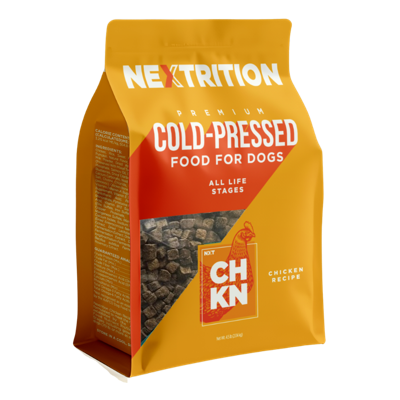
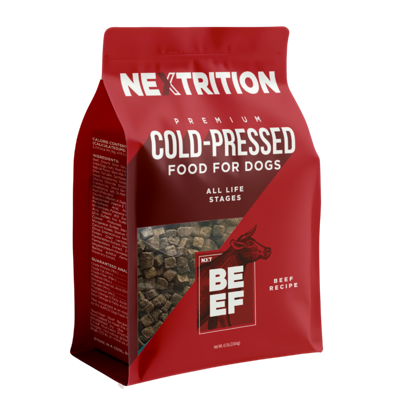
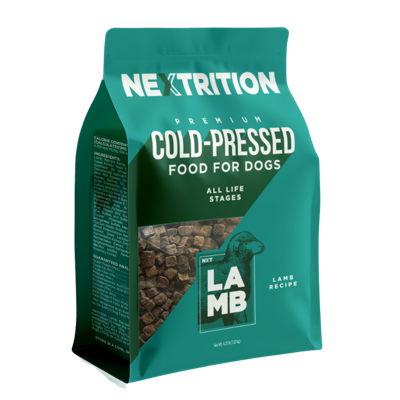
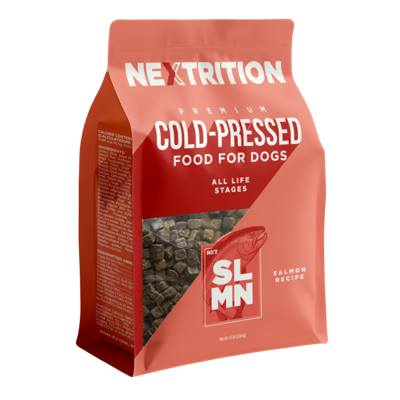
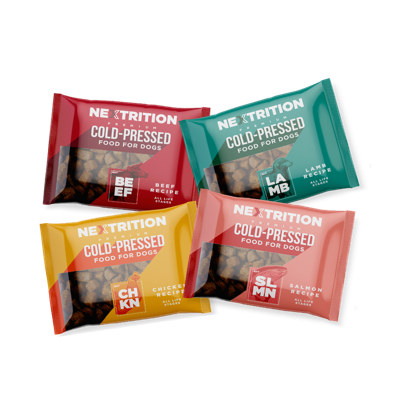
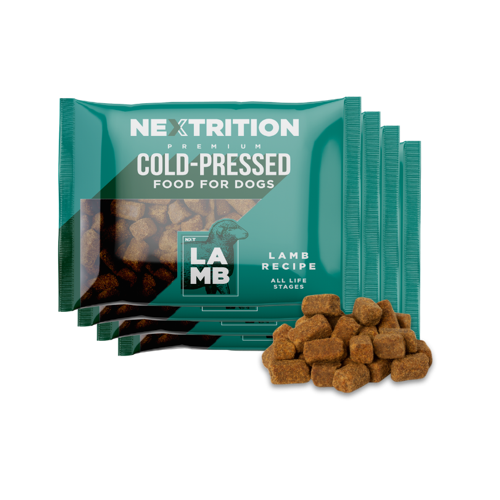
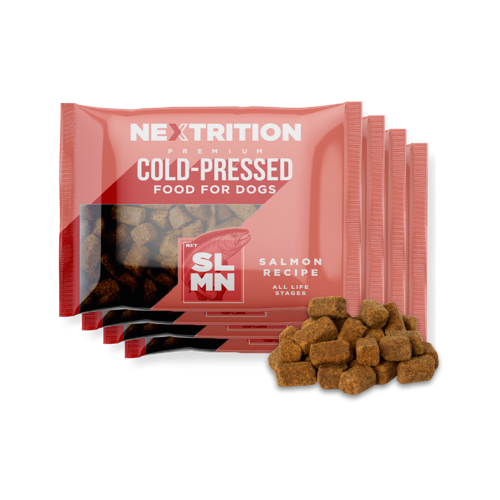
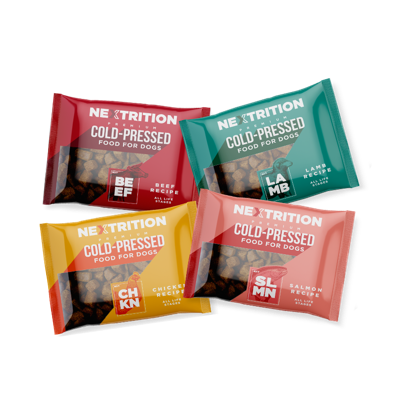
At Nextrition, this is exactly how we think about feeding. Our cold-pressed recipes are made at 3x lower temperatures using real meat, fruits and vegetables, natural ingredients, and Rocky Mountain waters. We keep recipe options practical too: lamb, chicken, salmon, and beef. That variety helps when you're trying to identify sensitivities or simply find a better fit for one dog's digestion.
The useful decision filter is simple:
- Can you feed it consistently?
- Can you monitor your dog's response clearly?
- Does it match your dog's needs instead of just sounding premium on the bag?
A personalized meal plan helps with that. Portioning and recipe choice both affect digestive comfort more than people think, especially by the second week when the novelty is gone and the true response starts showing.
How to Transition a Gassy Dog to a Better Feeding Routine
The biggest mistake here is changing too many variables at once. New food, new treats, a probiotic, bone broth, toppers. Then nobody knows what helped or what made things worse.
Go gradually so the digestive system and microbiome have time to adapt. During the transition, simplify the menu. Limit extras, toppers, and surprise treats. Keep the routine boring for a bit. Boring is useful.
Watch these three markers
- Gas frequency and odor
- Stool consistency and regularity
- Energy, appetite, and visible comfort after meals
Some dogs improve fast once the food is more digestible. Others take longer because gut balance needs time to settle. If you're using a more individualized feeding approach, stick with it long enough to see a real response. A few scattered good days don't tell you much.
Consistency is easier when the food keeps showing up on time. For owners who like stable routines, regular doorstep delivery through a subscription can remove one more reason for frequent food switching. That matters more than it sounds. Digestive systems tend to like predictability, even when humans don't.

Conclusion
Gas is common in dogs, but frequent or foul-smelling gas is often useful feedback. It can point to digestion issues, ingredient tolerance problems, food quality concerns, or an unsettled gut.
The better frame is to see the digestive system as an ecosystem. Not just a smell problem. When you understand that, your next steps get clearer. Clean up the extras, observe patterns, transition thoughtfully, and choose a food that is more digestible and less complicated.
If your dog's gas seems tied to food quality or digestive comfort, exploring a personalized cold-pressed feeding plan can be a smart next move. Sometimes the quietest improvement is the one your dog feels first.


