




The most common causes are dental disease, anal gland fluid transferred to the mouth, digestive trouble, food-related odor, or a less common medical issue.
That doesn't mean you've done something wrong. It does mean your dog's body is trying to tell you something.
Normal dog breath isn't exactly minty. But a strong fishy smell that keeps coming back, even after water, a meal passes, or you hand over a dental treat, isn't something we'd brush off. The useful move here is simple: first figure out where the smell is really coming from, then narrow the cause, then decide whether home care is enough or it's time for your vet.
Fishy breath is usually a clue, not just a gross little mystery.
The Most Common Dog Fishy Breath Causes at a Glance
Before you start buying random chews or changing foods, it's worth getting the shortlist straight. The main dog fishy breath causes are usually one of these:
- Dental disease or tartar buildup in the mouth
- Anal gland fluid that gets on the mouth after licking
- Digestive upset or gut-related bad breath
- Fish-based meals, treats, or supplements that leave temporary odor
- Less common medical problems like oral infection, kidney disease, or diabetes
If the smell truly comes from the mouth, oral disease is high on the list. By age 3, around 80% of dogs have some degree of periodontal disease. That's a big number, and it's why we tell people to check teeth and gums early instead of assuming it's "just dog breath."
The smell itself often comes from bacteria producing volatile sulfur compounds and similar odor molecules. Those compounds can smell rotten, sour, metallic, or weirdly fishy.
Here's the catch: sometimes it seems like bad breath, but the mouth isn't the starting point at all. That's where a lot of owners get thrown off.
First, Figure Out Whether the Smell Is Really Coming From the Mouth
This is the turning point. Stop guessing and observe the dog in front of you.
A quick body-based check can save you a lot of time. You want to figure out where the smell is strongest:
- From the mouth during panting, yawning, or face licking
- Around the rear end or under the tail
- On the fur, especially after grooming
- Near the ears or face folds in dogs that get recurring yeast or skin issues
A dog can lick after an anal gland leak and leave you convinced the breath is the issue, when the real problem started under the tail. We see this confusion all the time. Teeth get blamed for a smell that brushing won't fix.
A few clues help:
- If it's strongest during yawning or panting, think mouth first
- If you notice scooting, rear licking, or fishy bedding, think anal glands
- If brushing doesn't change much and your dog also has gas, burping, lip licking, or loose stools, think gut
Don't overcomplicate it. Smell the breath directly when your dog yawns. Check the bedding. Watch what happens after they groom themselves. A lot of answers show up in two minutes of paying attention.

Cause No. 1: Dental Disease and Plaque Buildup
If the fishy smell clearly comes from the mouth, teeth and gums should be your first suspect.
Plaque forms fast. Then it hardens into tartar. Then the gums get irritated. Then bacteria settle into pockets around the teeth where you can't see much from the outside. That progression is boring, common, and expensive when it gets ignored.
The odor comes from bacteria tied to periodontal disease. They produce volatile sulfur compounds such as hydrogen sulfide and methyl mercaptan. Those can smell rotten, sour, or sharply fishy.
Watch for signs like:
- Yellow or brown buildup on the teeth
- Red, swollen, or bleeding gums
- Drooling
- Pawing at the mouth
- Trouble chewing
- Breath that gets worse during yawning or panting
- Loose teeth or obvious mouth pain in more advanced cases
A thing owners miss: bad breath is often the first sign, not the last. Dogs hide oral discomfort well. By the time they're dropping food or chewing on one side, the problem usually isn't new.
If you can smell the problem from the front end, don't start with exotic theories. Start with the teeth.
Cause No. 2: Anal Gland Secretions That End Up on the Breath
This is one of the most common reasons people think the breath smells like fish when the original issue is actually at the rear.
Anal glands are small scent sacs near the anus. Normally, they empty during bowel movements. When that doesn't happen well, fluid can build up, leak, or thicken. Then the dog licks the area, and that fishy smell gets transferred straight to the mouth.
It's not subtle once you know what to look for.
Common signs include:
- Scooting
- Excessive rear licking
- Tail chasing
- A sudden fishy smell on furniture or bedding
- Redness or swelling around the anus if things are getting worse
Soft stool often plays a role here. Firmer stool helps the glands empty naturally. Loose or inconsistent stool makes that less likely, which is why gland issues and digestive issues often travel together.
This matters because brushing teeth won't solve a rear-end problem. Owners sometimes go hard on dental treats for two weeks and wonder why nothing changed. Wrong system.
If the smell seems to come and go after scooting episodes or grooming, put anal glands high on your list.
Cause No. 3: Digestive Issues and the Gut-Mouth Connection
Bad breath doesn't always begin in the mouth. Some canine halitosis appears to start lower in the digestive tract, and roughly 10 to 15% of cases may be more gut-origin than mouth-origin.
That's not the majority, but it's enough that we wouldn't ignore it, especially in dogs with recurring stomach trouble.
Possible contributors include:
- Reflux
- Ongoing stomach upset
- Poor digestion
- Imbalanced gut bacteria
- Vomiting or regurgitation residue
- Chronic gas or burping
At home, it usually shows up as a pattern, not a one-off smell. Breath still smells bad after brushing. Stool isn't consistent. Your dog has gas, lip licking, gulping, burping, or a touchy stomach. The odor may get worse around mealtimes or after digestive flare-ups.
This is where nutrition actually matters. Not in a fluffy "wellness" way. In a practical way. If digestion is messy every day, odor often follows.
We take a gut-first view because so much of a dog's resilience starts there. For dogs with loose stool, gas, or sensitive digestion alongside fishy breath, our Cold-Pressed Dog Food collection is a relevant place to look. It's made at lower temperatures than standard kibble to preserve nutrients and support gut health, instead of just throwing a scented fix on top of a system that's already irritated.
Cause No. 4: Diet Can Make Breath Smell Fishy, but Usually Only Temporarily
Sometimes the answer is the obvious one. A fish-based meal, salmon treat, or fish oil supplement can make breath smell fishy for a while.
Usually, that's temporary.
The distinction that matters is timing. If your dog eats salmon at dinner and smells a bit fishy after, that alone isn't a red flag. If the fishy breath shows up day after day, all through the afternoon, even hours away from meals, don't dismiss it just because the bag says salmon.
Good fish-based nutrition isn't automatically the problem. In many dogs, it works well. If your dog is thriving, stool looks good, skin is calm, and the smell is short-lived, the food may not be the issue at all.
If a diet change seems connected to chronic odor, check the whole picture:
- Digestive tolerance
- Stool consistency
- Itching or other sensitivity signs
- Ingredient reactions
- Oral hygiene
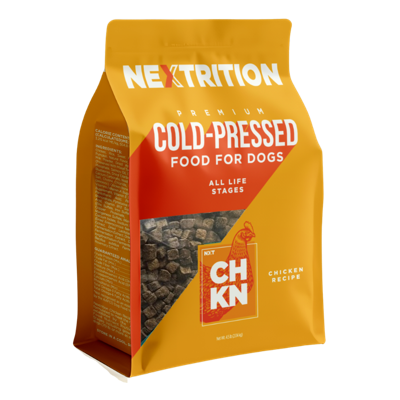
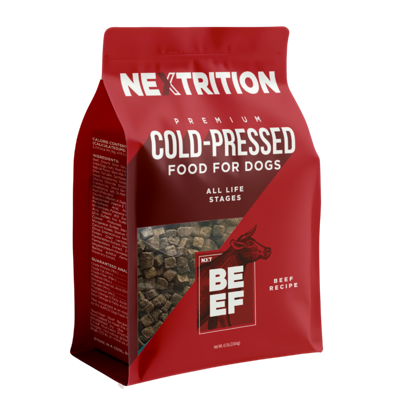
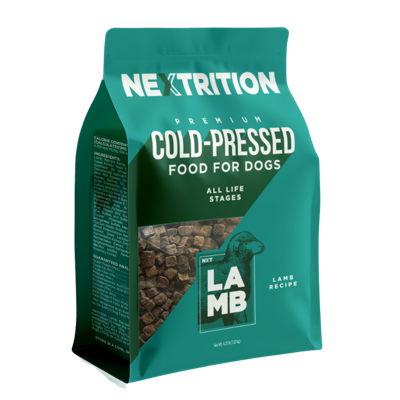
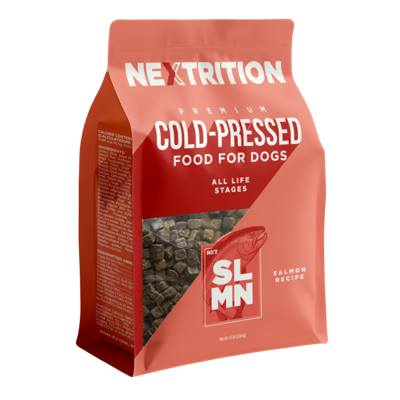
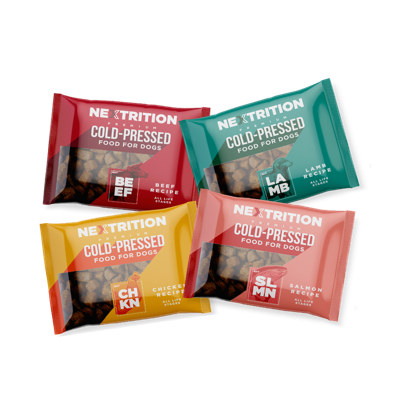
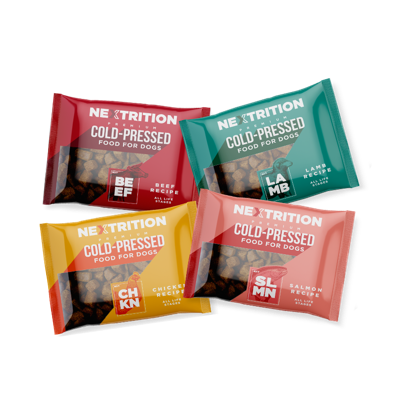
For owners who suspect a protein issue or just want to compare how different recipes affect digestion and odor, the Trial Variety Pack (4-pack) is a practical low-commitment option. It lets you test chicken, beef, lamb, and salmon instead of making three food changes in a row and losing the plot by the second afternoon.
Less Common but Important Medical Causes
Most fishy breath cases come back to teeth, glands, or digestion. Still, there are times when the smell points to something that needs medical workup, not home troubleshooting.
That list includes:
- Oral infections or broken teeth
- Kidney disease
- Diabetes
- Mouth or throat growths
- Severe gum disease
- Secondary yeast or infection issues that muddy where the odor is coming from
These causes are less common, but the red flags are pretty straightforward. Book a vet visit sooner if you notice:
- Sudden refusal to eat
- Weight loss
- Excessive drinking or urination
- Vomiting
- Facial swelling
- Bleeding from the mouth
- Extreme lethargy
- Strong odor that doesn't improve despite oral care
This is where waiting can waste time. A bad smell with no other symptoms can be watched briefly while you observe. A bad smell plus systemic changes is a different situation.
What You Can Do at Home Today
You don't need to solve everything tonight. You do need a clean first pass.
If it looks dental
Start with the boring basics because they work when done consistently:
- Brush with a dog-safe toothpaste
- Use oral care chews if your dog tolerates them well
- Wash food and water bowls regularly
- Refresh water daily
Oral care can reduce odor-producing compounds and lower bacterial load in plaque. That's useful. But if tartar is already thick and stuck below the gumline, home care has limits.
There is some measured evidence that oral-microbiome interventions can affect odor markers quickly. In a 14-day double-blind, randomized trial of 24 dogs, a postbiotic powder topper reduced volatile sulfur compounds by 22% from baseline after 7 days and by 27% versus placebo across the study. Those compounds are associated with oral malodor, but the trial measured odor markers—not periodontal-disease resolution or specifically fishy breath. The study's authors were affiliated with the ingredient's manufacturer, so treat it as an early, product-specific finding rather than proof that any supplement can replace brushing or veterinary dental care. Read the trial.
If it looks like anal glands
Pay attention to patterns more than isolated smells.
- Watch for scooting or rear licking
- Look at stool quality for a full week, not one bowel movement
- Don't keep attempting at-home gland expression unless you've been properly shown how
A lot of gland trouble tracks back to poor stool quality. If the stool is too soft to do its job, the problem tends to keep circling.
If it looks digestive
Track inputs and outputs without turning your kitchen into a supplement lab.
- Write down meals, treats, and timing
- Note stool quality, gas, burping, reflux signs, and lip licking
- Avoid constant food switching and random add-ons
The goal isn't to cover up odor. It's to figure out which system is struggling.
For dogs showing fishy breath along with loose stool, gas, or digestive sensitivity, our Dog Food for Gut Health collection makes sense as a next step. It's built around easier digestion and gut support, which is a better long game than trying to mask symptoms with treats.
When to See a Vet Instead of Waiting It Out
Some owners wait too long because they don't want to overreact. Others panic at the first weird smell. The middle ground is better.
See your vet if:
- The smell is strong and keeps coming back
- You see tartar, red gums, or bleeding
- Your dog seems painful while chewing
- Scooting or rear licking is constant
- There's swelling near the anus
- Digestive symptoms keep repeating
- The odor comes with lethargy, vomiting, appetite loss, or increased thirst
Visible tartar that isn't improving after several weeks of consistent home care is also enough reason to book a dental assessment. Professional cleaning is the only way to remove tartar below the gumline and deal with periodontal pockets.
That's not overreaction. That's informed care.
How Everyday Nutrition Can Support Fresher Breath From the Inside Out
Once you've ruled out or addressed the immediate issue, this comes back to daily inputs. Fewer mystery odors. Better digestion. Healthier gums. A dog who just feels better.
Food won't cure impacted glands or advanced dental disease. But it can support the systems that influence odor over time:
- Gut function
- Stool quality
- Immune resilience
- Skin and coat health
- Nutrient status
This is why we care so much about minimally processed feeding. Cold-pressed food is made at lower temperatures than standard kibble, which helps preserve nutrients and supports digestion rather than beating the life out of ingredients and hoping the label still sounds good. Around 70% of a dog's immune system sits in the gut. We don't treat that like trivia.
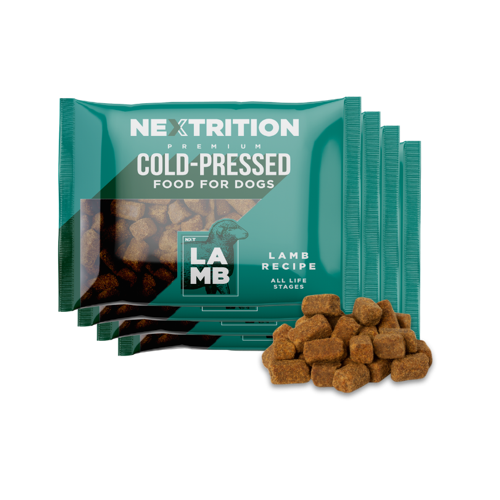
For dogs with digestive sensitivity, our All-Natural Lamb Recipe is a strong fit. It's positioned for easier digestion, uses real lamb as the number one ingredient, and supports sensitive stomachs without turning mealtime into an experiment.
And once you find a recipe your dog actually does well on, consistency matters more than people think. Monthly Dog Food Delivery can help keep that routine steady so you're not making unnecessary food changes every time the bag runs low.
Conclusion
Fishy breath is a signal, not just an unpleasant nuisance. The most common reasons are dental disease, anal gland transfer, digestive issues, or a medical problem that needs veterinary care.
The practical sequence is simple: locate the source, look for matching symptoms, support the body system involved, and get veterinary help when the signs move beyond home care.
If your dog's breath keeps smelling fishy, start observing the whole picture today. Check the mouth, check the rear, check the stool, check the pattern. Then pair targeted care with a gut-supportive daily routine that helps your dog feel better from the inside out.


