




If you're trying to find the best protein for sensitive dogs, you already know how fast feeding turns into guesswork. Soft stools, paw licking, and dinner refusals pile up fast, and too many owners change three things at once.
What matters is not the fanciest meat. It's the protein your dog can digest in a simple, gently made recipe, plus enough consistency to see what's actually helping.
Start here:
- Watch stools, ears, and paws before you judge a food
- Change one protein at a time; don't swap treats and toppers too
- Read labels for named meat and fewer extras, then choose with confidence
Why Protein Is the First Place to Look
If your dog has recurring loose stools, itching, gas, or that familiar on-and-off appetite issue, protein is usually where we start. Not because every problem is a protein problem, but because protein is one of the most common places tolerance breaks down.
For a lot of sensitive dogs, the issue isn't "food" in a broad sense. It's a specific protein, the way that protein was processed, or a recipe with too many moving parts. That's a big difference. It means you don't need a miracle food. You need a cleaner match.
Protein asks a lot of the body. Your dog has to digest it well, absorb it well, and tolerate it immunologically. If any of those steps gets messy, you'll often see it in the stool, skin, ears, or paws before anywhere else.
Most sensitive dog owners know the feeling. One bag says gentle. Another says limited ingredient. Then you're staring at a label with five animal sources, added extras, and a feeding plan that somehow feels more confusing than helpful. We've seen that loop enough times to say this plainly:
The best protein for sensitive dogs is not the trendiest one. It's the one your dog can handle day after day in a simple formula.
That's also why easy to digest dog food isn't just about picking salmon over chicken or lamb over beef. Digestibility comes from the whole setup. The protein matters, but so do ingredient quality, recipe simplicity, and how the food is made.
Sensitive Stomach, Food Intolerance, or Something More
Before you change foods, get clear on the type of problem you're dealing with. Sensitive dogs get lumped into one category too often, and that leads to sloppy decisions.
A simple sensitive stomach usually looks like this:
- loose stools or stool inconsistency
- gas
- occasional tummy upset
- reluctance to eat
- a dog that seems "fine-ish" until food changes
A food intolerance or adverse food reaction can include digestive signs, but it often spills into the skin too:
- itching
- ear issues
- paw licking
- chronic skin irritation
Then there's the more serious bucket. Chronic enteropathy or other ongoing GI disease is different. If symptoms are persistent, recurrent, or escalating, this is not the moment to casually test five new bags of sensitive stomach dog food.
A practical clue many owners miss is timing. Food-related flares don't always happen right after a meal. Some reactions show up over several days. In dogs with skin-related food reactions, paw itching and ear inflammation are common clues. It's easy to miss that when you're only watching the bowl and the poop.
Get your vet involved first if you see any of these:
- chronic diarrhea
- weight loss
- repeated vomiting
- blood in stool
- severe itch that isn't improving
- multiple failed food trials
We've learned to respect red flags early. A dog with mild digestive sensitivity may do well on a cleaner, easier-to-digest food. A dog with a real food reaction often needs a more structured elimination approach. A dog with chronic GI disease may need a therapeutic plan, not another hopeful guess.
What Actually Makes a Protein Easier to Digest
"Easy to digest" gets thrown around a lot, but it should mean something specific. A protein is easier to digest when your dog can break it down efficiently and tolerate it without setting off digestive or skin issues.
That comes down to a few things working together:
- the protein source itself
- the quality of that protein
- how simple the overall recipe is
- how intensely the food is processed
- your dog's history with that ingredient
This is where blanket rankings fall apart. One dog does beautifully on chicken. Another starts paw licking by the second afternoon. One thrives on salmon. Another gets loose stools every time fish enters the bowl. We don't get far by pretending there's a universal hierarchy.
Protein quality matters, but not just in the "high protein" sense. Dogs need enough protein at every life stage, yes, but the more useful question is whether that protein is digestible and usable for your specific dog. The bag can look impressive and still be a poor fit.
Here's the lens we use when evaluating food:
Keep the variables tight
- Choose a clearly named animal protein
- Prefer shorter, more transparent ingredient lists
- Avoid testing a new protein and a new topper and a new supplement all at once
That last point sounds obvious until you're living it. Most food trials fail because too many things changed together.
Salmon, lamb, chicken, and beef can all work. None should be treated as automatically hypoallergenic. That's where decision-making gets sharper.

Comparing Salmon, Lamb, Chicken, and Beef for Sensitive Dogs
Here's the direct answer: the best protein for sensitive dogs is usually the one they haven't reacted to before and can keep digesting comfortably over time.
So let's treat this like a matching exercise, not a popularity contest.
Salmon
Salmon is often where owners go when they want a non-poultry option. That makes sense. It's a practical starting point if you're moving away from chicken and want a real-meat alternative that still feels complete. In diet-trial research, hydrolyzed salmon performed well as a restrictive option and was tolerated similarly to another established hydrolyzed diet.
For dogs needing dog food for chicken intolerance, salmon is often one of the cleaner first alternatives.
Lamb
Lamb is a common next step for owners who want a different land-animal protein. It can be a sensible option for dogs that haven't done well on poultry. But here's the nuance that gets skipped: lamb has also been reported among common food allergens in some dog populations. So no, lamb doesn't get a free pass just because it's not chicken.
Chicken
Chicken gets blamed a lot, sometimes correctly, sometimes lazily. Many dogs do very well on it. Chicken isn't "bad" for sensitive dogs unless that dog is reactive to it. Research on hydrolyzed chicken in healthy adult dogs found it to be a comparable protein source to chicken meal, with some promising gut-related fecal changes depending on the hydrolysate used.
Still, chicken is also one of the more frequently reported offending proteins in food-reactive dogs. That's the tradeoff. Common doesn't mean harmful. It does mean worth paying attention to.
Beef
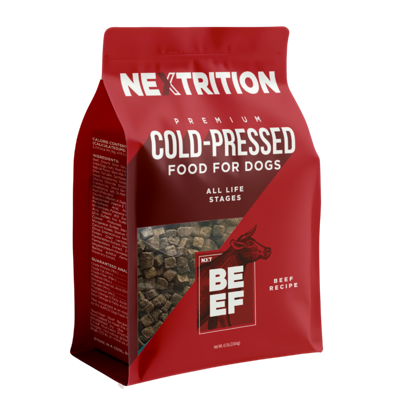
Beef can work well for dogs that don't tolerate poultry or fish. It's a solid real-meat option. But like chicken and lamb, beef has also shown up often among food allergens. Prior exposure matters here more than reputation.
If your dog has eaten beef-heavy foods for years and now has recurring issues, beef isn't automatically innocent because the label looks premium.
Salmon vs Lamb Dog Food: How to Choose Between Two Popular Alternatives
This is one of the most common forks in the road. Many owners suspect chicken, then land on salmon vs lamb dog food and assume one must be gentler. Sometimes. Not automatically.
Choose salmon if your dog needs distance from poultry and tends to do well on fish-based formulas. It's often a clean way to test a non-chicken protein without moving into a more complex recipe.
Choose lamb if you want a land-animal protein but not chicken, or if your dog has already done poorly on fish-based foods. Some dogs simply handle lamb better in practice, even when salmon looks better on paper.
A simple way to think about it:
- Salmon fits dogs needing a non-poultry starting point
- Lamb fits dogs wanting an alternative to chicken without going to fish again
- Neither is universally safe if your dog has reacted to multiple foods before
That's the part worth underlining. If reactions have stacked up across several foods, guessing between salmon and lamb becomes less useful than a proper elimination plan.
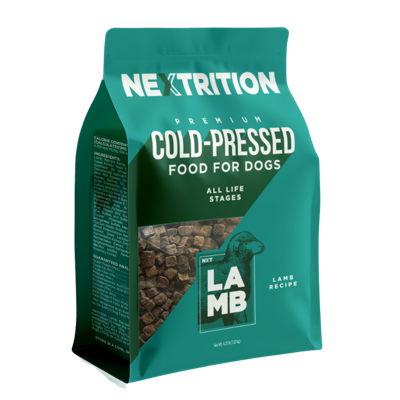
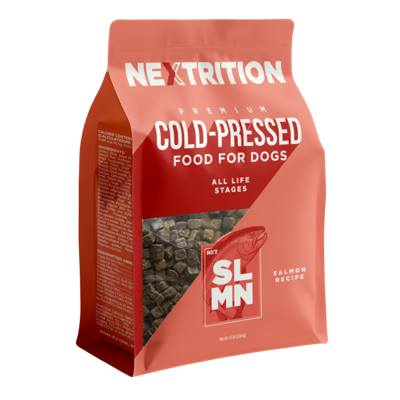
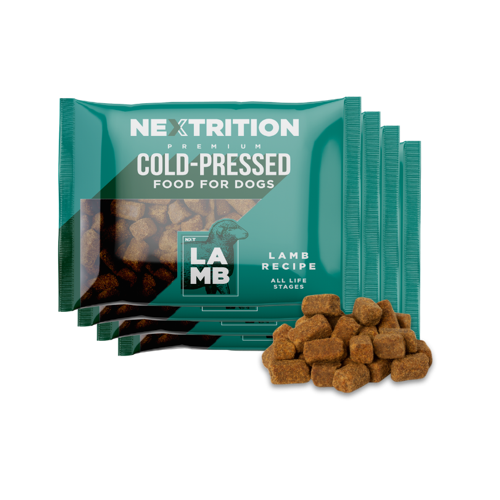
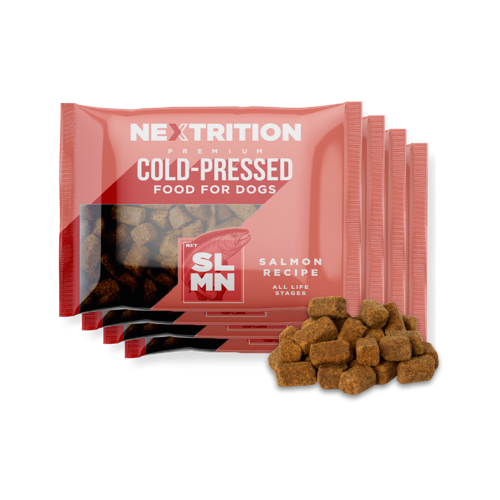
This is one reason we like having both cold-pressed salmon and lamb recipes available in the same line. It gives you a practical way to compare two common alternatives without changing everything else in the bowl at once. That kind of control matters more than people think.

What to Feed if You Suspect Chicken Intolerance
If you're looking for dog food for chicken intolerance, start by simplifying, not by rotating through three exciting new proteins in one month.
Chicken becomes the first suspect for a reason. It's everywhere in commercial dog food, and it's been identified as a frequent offending protein in several canine food-reaction studies and case series. But the balancing point matters just as much: many dogs digest chicken perfectly well.
The problem is never "chicken as a category." It's whether your dog reacts to it.
If chicken is the concern, the next move is usually one clearly named alternative protein:
- salmon
- lamb
- beef
Pick one. Not all three.
Also check for hidden chicken ingredients if you're trying to run a clean trial. Poultry blends, chicken fat, and mixed animal terms can muddy the results fast.
During the switch, track:
- stool quality
- itch level
- ear flare-ups
- paw licking
- appetite
- energy
And give it enough time. Food-triggered reactions often don't show up after one meal. In challenge studies, many dogs flared between days 2 and 6 after exposure, with an average around 4 days. Quick judgments are how owners end up blaming the wrong food.
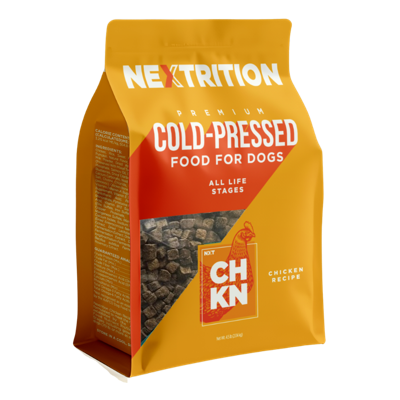
For dogs moving off chicken, our cold-pressed salmon, lamb, and beef recipes offer three practical non-chicken options, and a personalized meal plan helps narrow the choice without random switching.
Why Processing Matters as Much as Protein Choice
A sensitive dog may react to the protein itself. They may also struggle with how the food was made. That's the piece many owners don't hear enough about.
Heavily processed food can still meet nutrient requirements, but that doesn't mean it's the gentlest path for every dog. For health-conscious owners trying to improve digestion naturally, ingredient integrity matters.
Cold pressing is relevant here for a simple reason. Lower-temperature processing can help preserve more of what the original ingredients offer compared with harsher methods. We make our food at 3x lower temperatures, using real meat, fruits, vegetables, and Rocky Mountain water. That isn't about hype. It's about feeding a sensitive dog in a way that feels less compromised.
A large share of immune activity is tied to the gut. So when digestive comfort improves, you're often supporting more than stool quality alone. Not with magic. With better inputs.
Better digestion usually starts with fewer insults, not more add-ons.
A lot of owners looking for sensitive stomach dog food aren't just asking for bland food that causes less trouble. They want real ingredients and a gentler way of making food. That's a fair standard.
When Hydrolyzed Diets Make Sense and Where They Fall Short
Hydrolyzed diets have a real place. They also get treated like the only serious option, which isn't always true.
In simple terms, hydrolyzed protein diets break proteins into smaller pieces so the immune system is less likely to recognize them as triggers. That can be extremely useful in elimination trials and in managing some food-related skin or GI conditions.
Research supports that. In dogs with suspected skin-related food reactions, hydrolyzed salmon and hydrolyzed poultry feather diets both reduced itch and skin severity in many dogs. In dogs with chronic enteropathy that had already failed previous diet trials, an extensively hydrolyzed diet led to meaningful improvement over 10 weeks for most dogs who completed the study.
Still, there are limits.
Where they help most
- medically complex dogs
- severe itching
- chronic GI disease
- repeated failed food trials
- formal diagnostic elimination work
Where owners get unrealistic
Improvement may not be fast. More than half of dogs in one elimination-diet study needed over 4 weeks to show clear itch improvement. Some hydrolyzed diets may also contain peptides large enough to stimulate immune cells in a subset of dogs, especially poultry-reactive dogs.
So hydrolyzed diets are valuable tools. They're not automatically the forever answer for every dog with mild loose stools or a touchy stomach.
If symptoms are moderate and you haven't burned through multiple failed foods, a simpler intact-protein food may be a reasonable first step. If the case is severe or persistent, get more structured and bring your vet in early.
How to Run a Smarter Food Trial Without Creating More Confusion
Food trials fail when the setup is messy. Not because your dog is impossible.
Use a tighter process:
-
Choose one protein and one formula.
Don't rotate between several "sensitive" foods. Remove or standardize treats, chews, toppers, and scraps.
-
Transition gradually.
Sensitive dogs often do better when the swap is careful, not abrupt.
-
Track the right markers.
Watch stool consistency, bowel movement frequency, gas, itch, ears, paws, appetite, and coat over time.
-
Give the food enough time.
Digestive response can show up sooner. Skin-related food reactions often take longer. In some studies, meaningful improvement took more than 4 weeks.
-
Challenge carefully if needed.
If you're trying to confirm a trigger, know that reactions often show within several days of re-exposure, not instantly.
The common mistakes are boring, but they matter:
- switching too fast
- judging after a day or two
- leaving treats and chews in the picture
- trying a new protein while adding supplements
We've seen owners sabotage a good trial with one daily chew. That's how touchy these cases can be.
If you want an easy starting point, a personalized meal plan helps reduce the guesswork and keeps the process structured.

How to Choose an Easy to Digest Dog Food That Is Actually Worth Buying
At some point, this has to turn into a buying decision. Here's the framework we use.
Start with the label:
- clearly named animal protein
- straightforward ingredient list
- real food ingredients
- no vague mixed animal terms if you're trialing sensitivities
- a formula that matches your dog's actual history
Then look beyond the label. Processing method matters. Ingredient transparency matters. Having multiple protein options within the same feeding system matters, because sensitive dogs do poorly with chaos.
Ask yourself a few blunt questions:
- Has my dog eaten this protein before without problems?
- Am I picking this because it fits my dog's history, or because it's trendy?
- Am I changing one variable at a time?
- Does this brand support a tailored approach, or am I expected to force my dog into one formula?
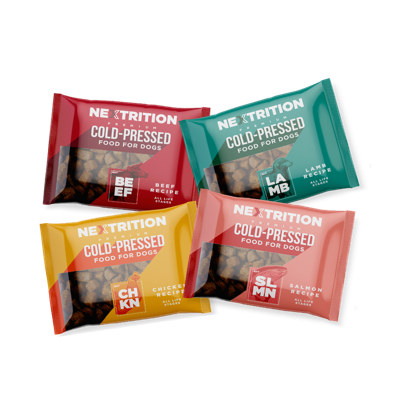
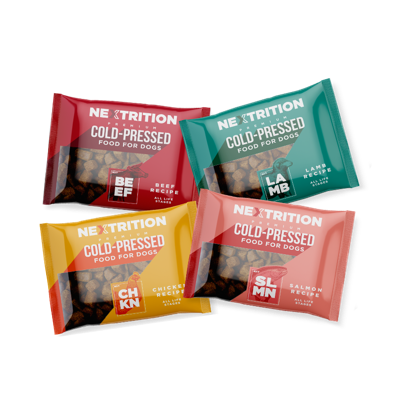
For owners who want consistency without giving up flexibility, a premium cold-pressed line with lamb, chicken, salmon, and beef gives you room to adjust based on response. One-time purchase or subscription also matters more than it sounds. Dogs that finally stabilize usually do best when the bowl stays consistent.
Consistency is underrated. Sensitive dogs notice every shortcut.
Conclusion
The best protein for sensitive dogs isn't a universal winner. It's the protein your dog can digest, tolerate, and live well on consistently.
Start with the symptoms. Match the protein to your dog's history. Keep the recipe simple. Respect the role of processing. Then give the trial enough time to tell you something real.
If your dog is stuck in the cycle of soft stools, itching, or picky eating, don't guess your way through another bag. Choose one thoughtful protein, track the response, and use a tailored feeding plan that keeps the process clean. That's usually where better digestion starts.


