


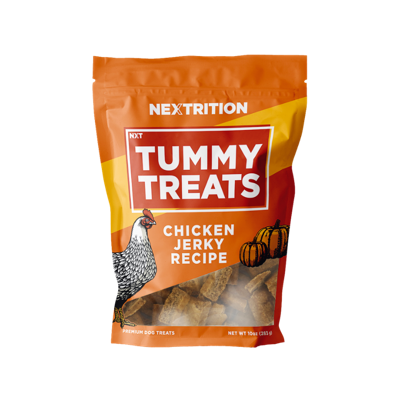
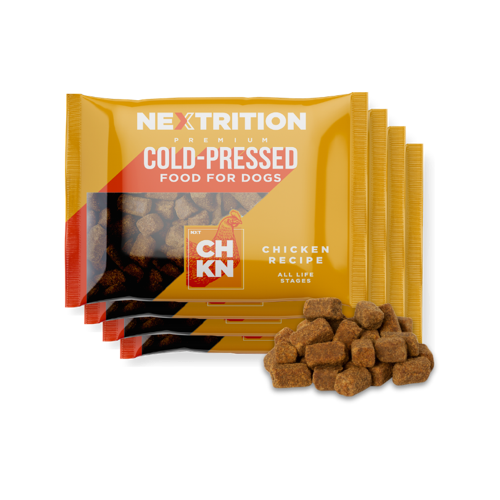
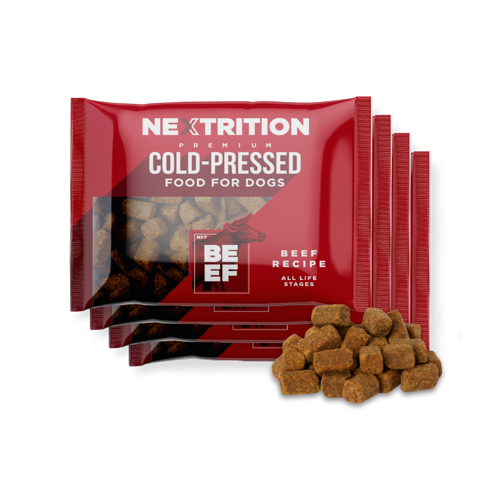


The best protein source for a dog with a sensitive stomach is the one they enjoy eating and can digest comfortably. Chicken, beef, lamb, fish, turkey, and novel proteins can all be good choices if they don’t cause loose stools, gas, vomiting, itching, or other signs of intolerance.
Once taste and tolerance are covered, the next-best protein is one rich in vitamins, minerals, healthy fats, and other beneficial micronutrients. Below, we compare 14 protein sources to help you find the right fit for your dog.
What Makes a Protein Easier on a Sensitive Stomach?
If you're trying to find the best protein for sensitive stomach dogs, it's easy to get stuck in food roulette. One bag says chicken. Another says salmon. A third says limited ingredient. Meanwhile your dog is still dealing with loose stool, gas, or that low-grade stomach noise that tells you something isn't sitting right.
First, not every upset stomach is the same thing. A sensitive stomach can mean general digestive reactivity. A food intolerance is more about poor tolerance to an ingredient. A true adverse food reaction brings the immune system into it and often shows up as itching, ear issues, or recurring skin trouble alongside gut symptoms. We see owners assume every bad poop means allergy. Usually it's not that simple.
Protein source does matter. Dogs can react to proteins they've eaten for years, and beef and chicken show up often in food sensitivity conversations. But the easiest protein to digest for dogs isn't decided by species name alone.
You'll see three main categories in this article:
- Intact proteins like salmon, duck, turkey, or venison
- Novel proteins that your dog likely hasn't eaten much, if at all
- Hydrolyzed proteins that are broken down to reduce how strongly the body recognizes them
Hydrolyzed proteins are usually the more clinical tool. They fit best when you're doing a stricter diet trial. Intact and novel proteins can be enough when the issue is milder or when you want a cleaner everyday formula.
Here's the part many people miss: digestibility depends on the whole food. Fat level matters. Ingredient load matters. Processing matters. A gentle protein in an overloaded formula can still go badly.
The protein on the label gets the attention. The full recipe gets the result.
We look at this through a gut-first lens. Digestive comfort, stool quality, skin signs, and immune support often move together because gut health is tied to all of it. Some of the best options on this list are fish-based, some are poultry-based, and some are clearly therapeutic. That's normal. There isn't one magic meat.
1. Hydrolyzed Salmon
Hydrolyzed salmon belongs near the top because it has real clinical use, not just good marketing language. If a dog has digestive trouble plus itching, ear flare-ups, or skin irritation, this is one of the more relevant options to discuss with your vet.
In a multicenter randomized crossover study, hydrolyzed salmon was well tolerated and reduced pruritus and dermatitis severity in dogs with suspected food-related skin disease. That's meaningful because these are the dogs owners usually struggle to read. Is it the gut? Is it the skin? Often it's both.
One useful reality check from that study: more than half the dogs that were ultimately diagnosed with food-related or mixed food and atopic disease needed more than four weeks to show clear improvement. That's a big deal. A lot of people switch foods too fast and then conclude nothing works.
Compared with a standard salmon diet, hydrolyzed salmon is more therapeutic. The protein is broken down to reduce allergenicity. That's very different from simply choosing a fish recipe for general digestive support. If you need a controlled diet trial, hydrolyzed salmon makes sense. If you just want a gentler everyday protein, it may be more intervention than you need.
2. Hydrolyzed Poultry Feather
This one creates friction for people. Understandably. The ingredient sounds strange, and owners tend to pull back when they first hear it.
Still, hydrolyzed poultry feather has a real role. In the same food-reaction study, it served as the established comparison diet and performed similarly to hydrolyzed salmon for tolerance and symptom improvement. That matters more than the ingredient name.
Hydrolyzed proteins are used in restrictive diet trials because they reduce the chance that the immune system recognizes the original protein the same way. In suspected food reaction cases, that's the point. Pruritus and dermatitis scores improved here too.
So where does that leave it? As a clinical tool, not a premium everyday protein choice for most health-conscious owners. Hydrolyzed salmon often feels more intuitive if you want a fish-based therapeutic direction. But we wouldn't dismiss a scientifically useful option just because it sounds unappealing on paper. Sensitive dogs don't care about branding. They care about tolerance.
3. Chicken Liver and Heart Hydrolysate
This is a good reminder that not all hydrolyzed chicken ingredients behave the same way. Species alone doesn't tell you enough.
In healthy adult dogs, diets centered on chicken liver and heart hydrolysate were well accepted and linked with higher fecal butyrate concentrations. That's encouraging because butyrate is associated with a healthier gut fermentation pattern. Dogs on this diet also showed lower fecal isovalerate and lower total phenol and indole than the control diet.
That's not just nutrition trivia. It suggests the gut may be handling this ingredient in a cleaner, less disruptive way.
For owners open to organ-based proteins, this is interesting territory. The benefit isn't simply "chicken." It's the hydrolysis and the downstream gut effect. Still, this isn't the same thing as an everyday limited-ingredient chicken food. It's promising from a digestive physiology standpoint, but it's not a shortcut around careful formula selection.
4. Chicken Hydrolysate
Chicken hydrolysate is one of the more familiar hydrolyzed formats, and familiarity helps when you're trying to simplify a feeding plan. But we wouldn't oversell it.
In the same adult dog study, dogs fed chicken hydrolysate had higher fecal immunoglobulin A concentrations than dogs fed chicken liver and heart hydrolysate, while staying broadly comparable to the control group overall. The study did not find group differences in serum cytokines, oxidative stress biomarkers, or skin and coat measures.
That's useful because it keeps expectations grounded. Chicken hydrolysate may support digestibility and immune tolerance. It isn't a guaranteed fix for every skin or gut issue.
It's also worth noting that different hydrolysates can shift different markers. Chicken hydrolysate and chicken liver and heart hydrolysate shouldn't be treated as interchangeable just because both are hydrolyzed chicken-related ingredients. If your dog has reacted to intact chicken before, a hydrolyzed chicken formula may still be worth a veterinary conversation. Hydrolysis changes the picture.
5. Shrimp Hydrolysate
Shrimp hydrolysate is niche, but it's more interesting than many people realize. It brings a marine-protein angle with both digestibility and antioxidant relevance.
In feeding trials, shrimp hydrolysate showed higher antioxidant activity than squid meal and contributed to diets with higher apparent total tract digestibility of dry matter, most nutrients, and energy than the basal diet. Just as important, fecal output and fecal characteristics weren't negatively affected as inclusion increased.
For stool-watchers, that's not a small point.
The tradeoff is practical. Dogs in the palatability trial still preferred the basal diet. So yes, a protein can look strong nutritionally and still not be the thing your dog lunges toward at breakfast. Digestibility and enthusiasm don't always travel together.
6. Squid Meal
Squid meal deserves a look for the same reason shrimp hydrolysate does. It gives us another marine-protein option that isn't just "more fish."
Like shrimp hydrolysate, squid meal contributed to diets with higher apparent total tract digestibility of dry matter, most nutrients, and energy than the basal diet. These marine by-products also brought higher protein and methionine levels than more traditional ingredients used in formulation.
Compared with shrimp hydrolysate, squid meal didn't show the same antioxidant edge, but the digestibility story was still promising. For dogs that need a fish-adjacent protein and haven't done especially well on common choices, this is a legitimate direction.
Real life is messier, of course. Some dogs love marine proteins. Some act offended by them. A protein can be nutritionally sharp and still lose on palatability.
7. Salmon
Now we're into practical everyday feeding. Salmon is one of the more useful answers when owners ask us about the best protein for sensitive stomach dogs and don't need a therapeutic elimination diet.
Fish-based proteins like salmon can help reduce exposure to more commonly problematic proteins like beef or chicken while still supporting skin, coat, and overall nutrition. That's why salmon comes up so often in sensitive-digestion conversations.
Intact salmon is not the same as hydrolyzed salmon. Hydrolyzed salmon is for a stricter trial. Intact salmon is the everyday version.
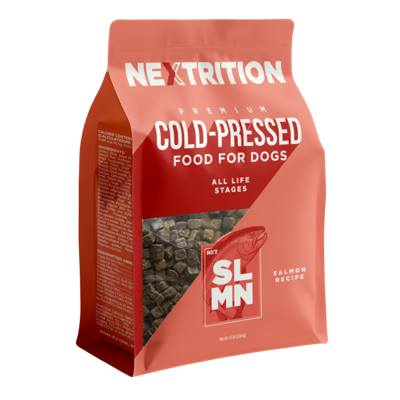
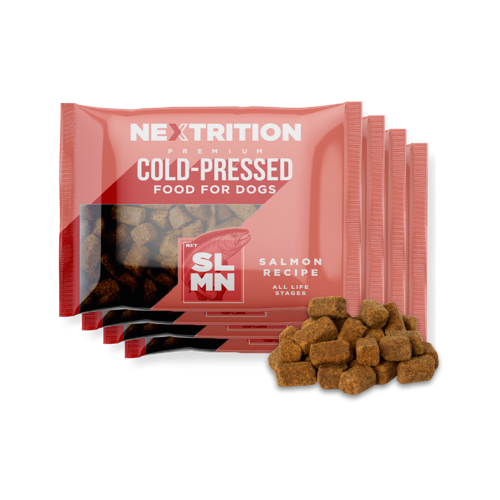
If your dog does well with fish, our All-Natural Salmon Recipe is a natural fit. It uses real salmon in a cold-pressed format made at lower temperatures than standard kibble, which helps preserve nutrients and supports easier digestion. That's important because the salmon itself isn't the whole story. A fish recipe that is too rich, too processed, or crowded with extras can still backfire.

8. Duck
Duck sits in a useful middle ground. It's less common than chicken or beef, but still familiar enough that most owners don't feel like they're making a radical switch.
Duck-based selected-protein diets are used for dogs with adverse food reactions, gastrointestinal signs of food intolerance, and chronic diarrhea. They also tend to come with simpler protein structures in the formula, which makes it easier to tell whether the dog is actually tolerating the food.
Compared with salmon, duck is usually a selected-protein move rather than a therapeutic one. It isn't hydrolyzed by default. That makes it better for dogs that need an alternative whole-food protein, not necessarily a stricter medical diet.
The catch is simple: duck is only as gentle as the rest of the recipe.
9. Turkey
Turkey gets labeled as "easy" all the time. Sometimes that's fair. Sometimes it's lazy thinking.
Turkey can be a reasonable next step when a dog has been eating the same common proteins for years and needs a reset without jumping into something highly novel. It often feels familiar from a digestion standpoint while still serving as an alternative in many feeding histories.
Compared with duck and chicken, turkey may be less loaded with prior exposure for some dogs, but not all. That's why history matters more than hype. If your dog has been eating turkey-based treats, toppers, and foods for years, it isn't really an alternative anymore.
We'd treat turkey as useful, not automatically superior. The easiest protein to digest for dogs still depends on fat level, ingredient load, and processing.
10. Venison
Venison is classic novel-protein territory. It's especially relevant when you've already been through chicken, beef, and maybe fish, and you're still not getting stable stools or calmer skin.
Because many dogs have lower prior exposure to venison, it can help reduce overlap during a careful switch or diet trial. That's where it often beats turkey or duck. It's more distinctly novel in a lot of feeding histories.
But novelty has a cost. Sometimes literally.
Venison can be harder to source consistently and often costs more. If you can't keep the trial clean and consistent, the value drops fast. Novel doesn't automatically mean gentle. A poor formula built around venison is still a poor formula.
11. Whitefish
Whitefish is one of those proteins that deserves more attention than it gets. It has been specifically studied as an aquatic novel protein in digestibility and protein-quality research, which gives it more credibility than a trendy label alone.
For owners who want a fish direction without assuming salmon is the only answer, whitefish is a smart option. Both sit in the fish category, but amino acid profile, fat level, and the finished formula can still shift outcomes.
This matters when salmon seems right in theory but a specific salmon food doesn't land well. Sometimes the problem isn't fish. It's that fish formula.
Whitefish can be the next clean experiment.
12. Kangaroo
Kangaroo is one of the more interesting proteins on this list because it combines novelty with a lean profile. For some dogs, especially those that don't handle rich foods well, that matters.
It's been highlighted as a high-quality, highly digestible protein with minimal fat. Compared with chicken breast, kangaroo is described as comparable in protein, higher in iron, and lower in fat. That's a strong profile for dogs needing protein density without extra richness.
Compared with venison, kangaroo may be even less likely to match prior exposure history. The downside is availability. In many places, it's hard to source and expensive enough that keeping a proper trial going becomes a challenge.
A great protein you can't consistently buy is not a real solution.
13. Quail
Quail gives owners another bird-based alternative without defaulting back to chicken or turkey. It was among the avian novel proteins evaluated in digestibility and protein-quality research, which makes it more than a specialty-store curiosity.
Compared with duck, quail may be less common in commercial feeding histories. That can make it useful when you're specifically trying to reduce exposure overlap. It also appeals to owners who want novelty without moving straight into fish or red meat.
Still, we'd keep this recommendation measured. With less mainstream proteins, formulation quality and sourcing consistency matter even more. Quail is a thoughtful specialty option. It isn't a first-line answer for every sensitive stomach.
14. Cricket Meal
Cricket meal is the most niche option here, but it belongs on the list because it has been studied for composition, amino acid digestibility, and overall protein quality as a novel non-animal protein source.
For sustainability-minded owners, it's clearly interesting. It brings a different environmental profile than marine proteins or novel meats. But for sensitive dogs, novelty alone isn't enough. The finished diet still has to be digestible, complete, and tolerated over time.
That's the real filter.
We'd treat cricket meal as credible and worth watching, not as an automatic upgrade over better-established sensitive-stomach options.
How to Choose the Best Protein for Sensitive Stomach Dogs in Real Life
This is where people usually need the most help. Not more protein names. A framework.
Start with the pattern:
-
Digestive upset alone
Try a well-made everyday protein with a simpler formula first. Salmon is often a strong choice. -
Digestive upset plus itching or ear issues
This is where hydrolyzed proteins move up the list. You may need a stricter trial. -
Chronic soft stool and gas
Look beyond the protein name. Review fat level, fiber support, and how the food is processed. -
Long history of failed switches
Go back through what your dog has actually eaten. The best protein for sensitive stomach dogs is often one with lower prior exposure in a cleaner formula.
A slow transition matters. Consistent feeding matters more. Track stool quality, gas, vomiting, burping, skin irritation, ears, appetite, and energy over several weeks. Give the food enough time to answer the question.
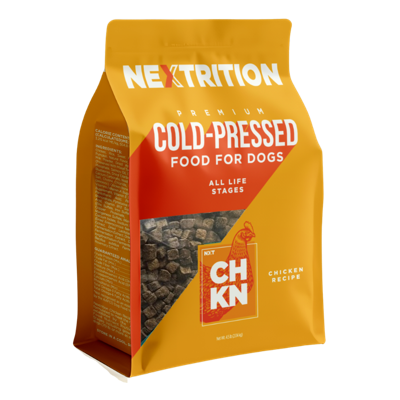
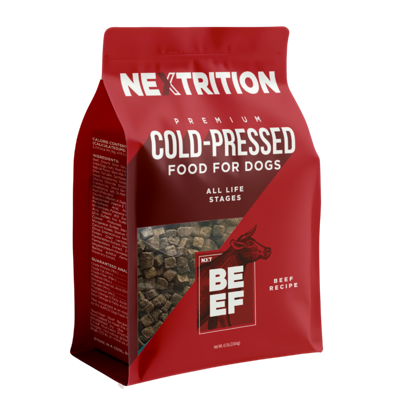
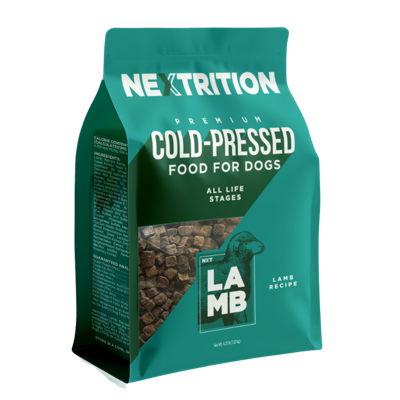
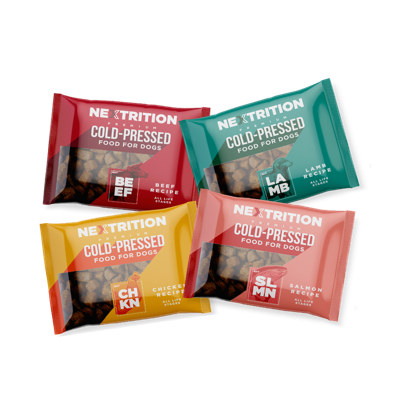
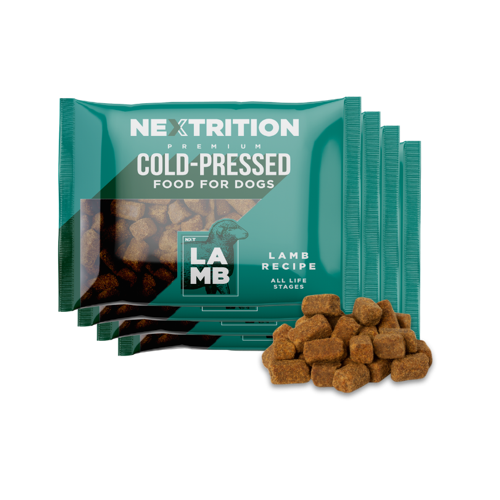
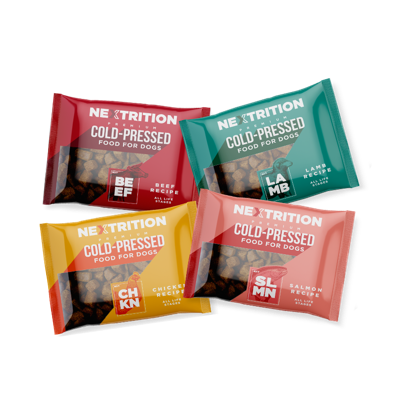
For cautious switchers, our Trial Variety Pack can help you compare chicken, beef, lamb, and salmon in smaller portions before committing to a full bag. And if your dog clearly does better on a simpler routine, our Sensitive Stomach Dog Food and Treats collection makes sense because it keeps the focus on limited ingredients and digestive support instead of chasing novelty for novelty's sake.

Why Processing and Formula Design Matter as Much as the Protein
Two foods can both say salmon on the front and perform completely differently. We see this all the time.
Processing changes the outcome. Supporting ingredients change the outcome. Even stool quality can shift fast when the formula is gentler overall.
Our view is simple. Cold-pressing at lower temperatures is a better approach than standard high-heat kibble for dogs with sensitive digestion. It helps preserve nutrients, natural enzymes, and amino acids without forcing you into refrigerated fresh food. That's one reason we build around cold-pressed recipes with real meat, fruits, and vegetables.
Since around 70% of a dog's immune system resides in the gut, this isn't just about avoiding an upset stomach. It's about supporting the system underneath it. A simpler, more digestible, less heavily processed food often beats a more exotic protein in a harsher formula.
Many sensitive dogs don't need the rarest meat. They need the least aggravating meal.
That's the philosophy behind our personalized feeding approach. Gentler preparation. Clean formulas. Enough consistency to let your dog settle and show you what's working.

Conclusion
The best protein for sensitive stomach dogs depends on your dog's history, symptoms, and how digestible the full food is, not just the protein name on the bag. Hydrolyzed proteins, novel proteins, and everyday options like salmon all have a place. The trick is choosing the right lane instead of switching at random.
Pick one appropriate strategy. Transition slowly. Keep the formula simple. Then give your dog enough consistency to tell you the truth.
Article Record
ReferencesPrimary sources used for this article
- Nutritional management of chronic enteropathies in dogs and cats in: Journal of the American Veterinary Medical Association Volume 253 Issue 5 ()
- Use of Therapeutic Diets not Related to Weight Loss - AAHA
- Dietary Strategies for Dogs and Cats With Chronic Enteropathies
- Evaluation of a hydrolysed salmon and pea hypoallergenic diet application in dogs and cats with cutaneous adverse food reaction.
- Evaluation of selected-protein-source diets for management of dogs with adverse reactions to foods in: Journal of the American Veterinary Medical Association Volume 219 Issue 10 ()
- Frontiers | Evaluation of hydrolyzed salmon and hydrolyzed poultry feather diets in restrictive diet trials for diagnosis of food allergies in pruritic dogs
- The effects of hydrolyzed protein on macronutrient digestibility, fecal metabolites and microbiota, oxidative stress and inflammatory biomarkers, and skin and coat quality in adult dogs
- Influence of dietary protein and fructooligosaccharides on fecal fermentative end-products, fecal bacterial populations and apparent total tract digestibility in dogs
- Evaluation of high-protein diets differing in protein source in ...
- The effects of inulin supplementation of diets with or without hydrolysed protein sources on digestibility, faecal characteristics, haematology and immunoglobulins in dogs | British Journal of Nutrition | Cambridge Core
- Royal Canin Sensitivity Control Duck With Rice Adult Wet Dog Food In Loaf | Royal Canin UK
- Frontiers | Squid meal and shrimp hydrolysate as novel protein sources for dog food
Update HistoryMeaningful revisions to this article
- Added a comparison section to help dog owners evaluate protein sources more easily.


