






Your dog may have bad breath because plaque and tartar are building up around their teeth and gums - this is the most common cause of persistent odor. Other possible causes include gum disease, an infected or cracked tooth, something stuck in the mouth, or, less commonly, an underlying condition such as diabetes or kidney disease.
If the smell is new, unusually strong, or accompanied by red gums, drooling, trouble chewing, appetite changes, or loose teeth, it deserves attention. Here’s how to identify what may be causing your dog’s bad breath, when to contact your vet, and what you can do about it.
When Bad Breath Is More Than Just Dog Breath
A dog’s breath is never going to smell fresh. That part is normal. Persistent foul odor is not.
When people ask us why does my dog have bad breath, they’re usually trying to sort out three possibilities: normal dog smell, a dental problem, or something bigger. That’s the right instinct. Breath changes are useful feedback from the body, and sudden changes matter more than the mild day-to-day variation you’ll notice after meals or treats.
Most bad breath in dogs starts in the mouth. Sometimes it reflects deeper issues like digestive imbalance or illness elsewhere. The mistake is treating odor like a cosmetic problem. It’s usually a health signal first.
If the smell changed, something changed.
For a health-conscious owner, that’s the frame that helps. Not panic. Not denial either. Just attention.
The Most Common Answer: Dental and Periodontal Disease
This is the leading cause by a wide margin. If your dog has ongoing bad breath, dental disease is the first place we’d look.
More than 80% of dogs over age three have active dental disease or some degree of periodontal disease. That’s a huge number, but it tracks with what we see in real life. Dogs can look happy, eat normally, wag through the day, and still have a sore mouth.
Here’s how it usually builds:
- Plaque starts forming on teeth quickly
- Within about 24 hours, that plaque can begin hardening into tartar
- Tartar creates a rough surface that traps more bacteria
- Bacteria irritate the gums and cause gingivitis
- If it keeps going, inflammation spreads below the gumline into periodontal disease
That last part is where owners often get misled. They see a little brown buildup and think it’s just surface grime. It usually isn’t just that. The real damage often sits below the gumline where you can’t see it.
And this matters for more than smell:
- oral pain
- loose or lost teeth
- infection under the gums
- possible effects beyond the mouth if oral bacteria enter the bloodstream
Dogs hide dental pain well. Really well. Bad breath is often the first obvious clue, long before a dog stops eating or starts pawing at the mouth.
Some dogs are at higher risk:
- small breeds
- short-muzzled dogs
- older dogs
- dogs with crowded teeth
If you live with one of those dogs, you don’t wait for dramatic symptoms. You stay ahead of it.
A 2026 risk model for canine periodontal disease illustrates why visible mouth changes should not be brushed off. In the model, the estimated probability of periodontitis rose from 12.4% before adding clinical signals to 47.0% when gingivitis was present.
A canine periodontal-disease Bayesian model estimated probability at 12.4% before added clinical signals and higher probabilities with biofilm, poor dental conformation, or gingivitis.
Source: O’Flynn et al., 2026. Model-based estimates, not individual diagnoses.
- These are outputs from a hybrid Bayesian risk model, not observed incidence rates or a diagnostic threshold for an individual dog.
- The model combines electronic health records, owner questionnaires, previous research, and expert elicitation; its estimates depend on the modeled inputs and population.
- Gingivitis, biofilm, and dental conformation may coexist, so the displayed estimates should not be added together.
View chart data
| Clinical information | Estimated probability |
|---|---|
| No added clinical signal | 12.4% |
| Biofilm present | 17.6% |
| Poor dental conformation | 24.0% |
| Gingivitis present | 47.0% |
These are model-based estimates, not a home diagnostic tool or a prediction for any one dog. But they reinforce the practical point: bad breath plus visible biofilm, crowded teeth, or red gums makes a veterinary dental assessment more important—not less.

Other Dog Bad Breath Causes That Owners Often Miss
Not every case is purely dental. The mouth is still the most common source, but it’s not the only one.
Sometimes the issue is simple and gross. A stick fragment wedged between molars. A shred of chew stuck in a gum pocket. Hair, old food, or debris packed into a hard-to-see area. That material can rot fast and create a surprisingly strong odor by the next day.
Other cases come from what your dog gets into. Common dog bad breath causes include:
- garbage raids
- litter box snacking
- dead animals
- greasy table scraps
- strong-smelling treats
That kind of odor can be temporary. Still, repeated episodes usually tell you something else is going on. Maybe scavenging has become a habit. Maybe digestion is off and your dog is seeking strange things. We wouldn’t dismiss a pattern like that.
Oral damage also matters more than many owners realize. A broken tooth, retained baby tooth, mouth wound, or oral mass can create a rotten smell fast. Decaying or inflamed tissue has a different kind of odor. Sharper. Heavier. Hard to ignore once you notice it.
Then there’s the digestive side. We’d be careful here because people often over-attribute bad breath to the gut when the mouth is the real source. But some dogs with reflux, chronic digestive upset, or food intolerance do develop odor that seems to travel with the broader digestive picture. If bad breath shows up alongside gas, loose stool, burping, or inconsistent appetite, the bowl deserves a closer look.
Systemic disease is less common than dental disease, but more urgent when it fits the pattern. Kidney disease, liver disease, and metabolic problems can all change breath odor. That’s especially important if the change is sudden or comes with other symptoms.
What the Smell, Pattern, and Timing Can Reveal
Odor alone won’t diagnose the problem. Still, the character of the smell can point you in a direction.
A rotting or putrid odor often suggests infection, dental decay, trapped debris, or diseased gum tissue. That’s the classic bad-breath profile most people are dealing with.
Other patterns deserve more attention:
- Ammonia-like breath can raise concern about kidney-related issues
- Sweet or fruity breath can be a red flag for metabolic trouble
- Fishy or unusually pungent odor may reflect oral bacteria, diet, or even anal-gland contamination from grooming behavior
Timing helps too. We’d pay attention to whether the smell is constant or mainly shows up after eating. A dog who reeks only after demolishing a strong-smelling chew is different from a dog whose breath has been getting worse for four months.
A few observations are especially useful to write down before a vet visit:
- When did the odor start?
- Has it been gradual or sudden?
- Is your dog chewing differently?
- Any extra drooling, lip licking, gagging, or food dropping?
- Have stool quality or appetite changed too?
That last piece matters. Bad breath that travels with digestive instability is a different conversation than isolated mouth odor.
Age plays a role as well. Breath often worsens over time because periodontal disease tends to worsen over time. Slow changes are easy to normalize. Owners adjust to the smell and stop noticing it. Then a cleaner or groomer mentions it, and suddenly it clicks.
Signs Your Dog Needs a Veterinary Exam Sooner Rather Than Later
This is where we want to be clear. Breath sprays and water fresheners have their place, but not when your dog is asking for an exam.
Persistent bad breath deserves an appointment. Faster action makes sense if you’re seeing signs like:
- red or bleeding gums
- visible tartar
- broken, loose, or discolored teeth
- swelling around the mouth or jaw
- pawing at the mouth
- head shaking or jaw chattering
- more drooling than usual
- dropping food
- reluctance to chew
Whole-body signs raise the stakes:
- reduced appetite
- weight loss
- vomiting
- lethargy
- increased thirst or urination
- sudden energy changes
Here’s the simple triage:
- Persistent odor only: schedule a vet visit
- Odor plus pain, bleeding, swelling, or refusal to eat: move faster
- Odor plus sweet or ammonia-like smell and body-wide symptoms: prompt evaluation
A healthy dog doesn’t usually stop chewing for no reason. That’s one of those details we take seriously.
| Scenario | Key signs | What to do |
|---|---|---|
| Persistent odor only | Bad breath that persists without other listed red flags | Schedule a vet visit |
| Odor plus mouth pain or oral warning signs | Pain, bleeding, swelling, refusal to eat, red gums, visible tartar, broken loose or discolored teeth, pawing at the mouth, head shaking, jaw chattering, extra drooling, dropping food, or reluctance to chew | Move faster |
| Odor plus unusual smell and body-wide symptoms | Sweet or ammonia-like breath with reduced appetite, weight loss, vomiting, lethargy, increased thirst or urination, or sudden energy changes | Prompt evaluation |
How Vets Figure Out What Is Actually Causing the Odor
A proper workup is less glamorous than people expect, but more useful. Guessing at home usually falls short because the biggest problems often aren’t visible from the front of the mouth.
Your vet will usually start with history:
- when the odor changed
- what your dog eats
- scavenging habits
- digestive symptoms
- energy and appetite shifts
Then comes the oral exam. They’re looking at teeth, gumline, retained baby teeth, fractures, masses, and signs of periodontal pockets. If your dog is tense or painful, that exam may only tell part of the story.
That’s why complete dental assessment often requires anesthesia. Not because vets are being overly cautious. Because a tooth-by-tooth exam, checking below the gumline, and taking dental X-rays when needed can’t be done properly in a stressed, moving dog.
Professional dental cleaning involves:
- scaling above the gumline
- scaling below the gumline
- removing tartar where disease often hides
- polishing afterward
Surface tartar is only part of the picture. A lot of owners focus on what they can see on the crown of the tooth. We get it. But periodontal disease lives deeper than that.
Bloodwork may also be recommended, both before anesthesia and to help rule out kidney, liver, or other systemic contributors. If the smell doesn’t fit a straightforward dental case, that extra step matters.

What Actually Helps at Home and What Usually Does Not
The best home habit is still the least exciting one: daily brushing, or at minimum tooth wiping, to remove plaque before it hardens into tartar.
That timing matters. Once plaque turns into tartar, brushing won’t undo it. You’re managing what happens next, not reversing what already set up shop.
A few basics make a real difference:
- use dog-safe toothpaste, not human toothpaste
- keep brushing short and consistent
- focus on the outer tooth surfaces if that’s all your dog tolerates at first
Support tools can help when used consistently:
- vet-recommended dental chews
- water additives
- oral care products accepted for plaque and tartar control
What usually doesn’t work very well is the “one clever trick” approach. Dry food alone is not a reliable fix for bad breath or periodontal disease. Neither is scraping tartar off at home. That only removes some visible buildup, doesn’t address disease below the gumline, and can be stressful or unsafe if done badly.
Chew choice matters too. We’d avoid very hard items that can fracture teeth:
- bones
- antlers
- hoofs
- ice cubes
- very hard nylon chews
A cracked molar can turn a mild odor problem into a painful dental case fast.
Prevention is cumulative. Brushing plus professional cleanings plus smart daily care beats any breath-freshening shortcut.
Where Diet, Digestion, and Ingredient Quality Fit Into the Picture
A lot of premium-food shoppers are really asking a broader question here: can what goes in the bowl contribute to bad breath? Yes, in some dogs. But we’d keep the hierarchy straight.
Dental disease is still the most common answer. Nutrition is not a substitute for oral care. At the same time, digestion, ingredient tolerance, stool quality, and even scavenging behavior can influence overall odor and resilience.
We look harder at diet when bad breath shows up with:
- gas
- loose stools
- frequent digestive upset
- signs of food sensitivity
- inconsistent appetite
That’s where food quality and processing start to matter more. Foods made at lower temperatures can preserve more natural nutrients and digestive-supporting compounds than high-heat processing. We believe that matters because the gut does more than process calories. Around 70% of a dog’s immune system resides there.
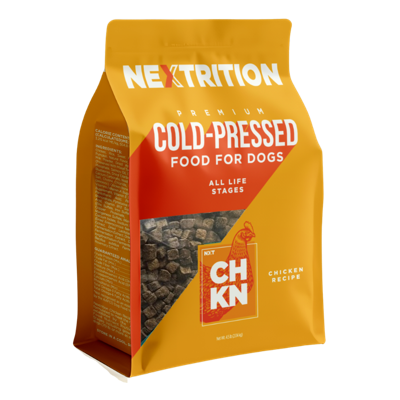
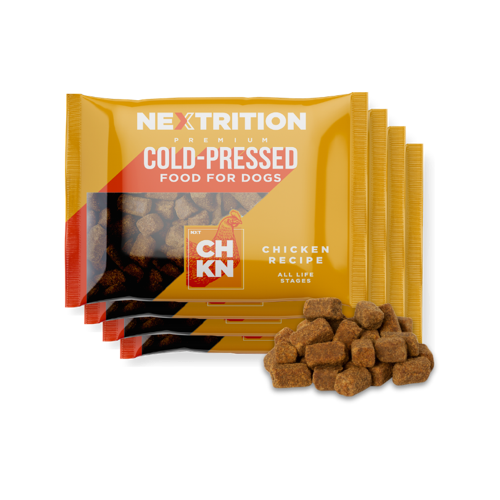
For owners who want a less processed dry food built around digestibility, our Cold-Pressed Dog Food collection is a practical next step once dental causes are being handled. If your dog’s bad breath shows up as part of a wider digestive picture, our Dog Food for Gut Health collection is a more focused place to look.
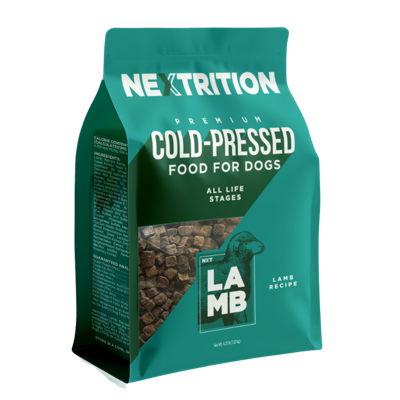
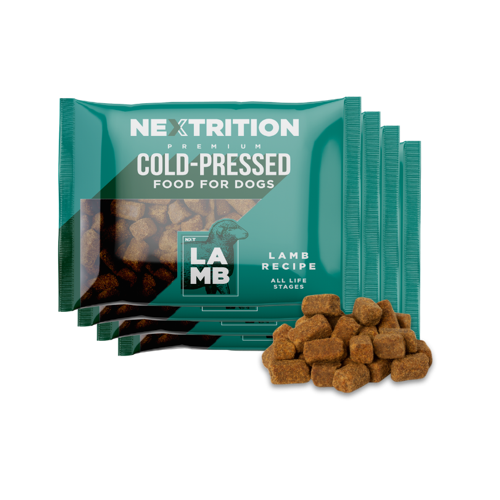
For sensitive dogs, simpler can be better. Single-protein formulas make it easier to evaluate whether a food is helping or muddying the picture. Our All-Natural Lamb Recipe is often the right fit for owners looking for a gentle lamb option with digestive support in mind.
We wouldn’t oversell this. Better food supports the bigger health picture. It doesn’t replace a dental exam. But if your dog has mouth odor plus gut instability, ignoring the food piece leaves part of the job unfinished.

A Simple Plan for Owners Who Want to Fix the Root Cause
You don’t need a complicated system. You need a clean sequence.
Step-by-step
-
Observe
Observe the pattern. Note when the odor started, what it smells like, and whether chewing, drooling, appetite, or stool quality changed too.
-
Check mouth
Check the mouth visually. Look for tartar, redness, swelling, stuck debris, or broken teeth. Don’t poke hard at painful areas.
-
Book exam
Book a vet exam if the odor persists, worsens, or comes with warning signs.
-
Follow treatment
Follow through on treatment. If your vet recommends a dental procedure, do that rather than leaning on cosmetic breath fixes.
-
Home routine
Build a home routine. Brushing, safer chews, and regular dental monitoring are the unglamorous part that keeps results from unraveling.
-
Review diet
Review the bowl if digestive symptoms are also present. Look at ingredient quality, digestibility, feeding consistency, and make transitions gradually.
-
Track improvement
After treatment or diet changes, pay attention to breath, stool, appetite, and energy so you know whether the root cause is actually being addressed.
That tracking piece is underrated. If the smell improves for three days and then comes back, that tells you something. Don’t lose that information.
Common Mistakes That Keep Bad Breath Coming Back
Most repeat cases aren’t mysterious. The same handful of mistakes keeps the cycle going.
- assuming all bad breath is normal for dogs
- using mints, powders, or deodorizing products without addressing the cause
- believing tartar only matters when it looks severe
- waiting for obvious pain even though many dogs hide it
- assuming kibble automatically cleans teeth
- ignoring digestive clues because the smell seems like only a mouth problem
- making abrupt food changes that create more stomach upset
- skipping follow-up after a dental cleaning
- not maintaining daily plaque control at home
The biggest one? Treating the smell instead of the source.
Breath is a symptom, not a personality trait.
That’s the line we come back to. Once you think that way, your decisions usually get better.
Conclusion
If you’re asking why does my dog have bad breath, the most likely answer is an oral health issue, especially plaque buildup and periodontal disease. But that isn’t the whole story. Digestion, diet quality, scavenging, and sometimes systemic illness can play a role too.
The shift that helps most owners is simple: stop thinking about odor as something to cover up, and start treating it like information. A dog’s body usually gives signals before it gives a full-blown crisis.
Start with a veterinary check and smart dental care. If digestive signs are part of the picture, take a harder look at what’s in the bowl and how that food is made. Once urgent causes are ruled out, owners who want to support digestion and whole-body resilience can explore a gentler feeding approach like our cold-pressed options, built around real ingredients and gut-friendly nutrition.
Article Record
ReferencesPrimary sources used for this article
- Risk assessment for canine periodontal disease using a hybrid causal Bayesian network
- Risk assessment for canine periodontal disease using a hybrid causal Bayesian network
- Dental Disease in Dogs | VCA Animal Hospitals
- Dog Dental Cleanings | VCA Animal Hospitals
- Plaque and Tartar Prevention in Dogs | VCA Animal Hospitals
- Dogs, Nutrition, and Periodontal Disease | VCA Animal Hospitals
- AVMA: "Doggie breath" could be a sign of serious disease | American Veterinary Medical Association
- Age-dependent aggravation of oral malodor and periodontal disease in dogs
- Effectiveness of Dental Homecare Protocols in Unscaled Dogs
- Comparison of a Vegetable-Based Dental Chew to 2 Other Chews for Oral Health Prevention


