




Cold pressed dog food benefits get talked about in a pretty fuzzy way, and that’s where people get stuck. You see "better digestion" on a bag, maybe "natural" too, but nobody tells you what actually changes once the food hits your dog’s bowl (or their stomach).
What matters is simple: how the food is made, how it breaks down, and what your dog looks like after a few weeks on it. We’re talking stools, appetite, post-meal comfort, coat feel, the boring stuff that tells you if a food is doing its job.
Here’s what you’ll want clear before you switch:
- Whether lower-temperature cooking actually leaves more of the ingredients intact
- Why dense cold pressed food behaves differently from puffed kibble after meals
- Which signs in your dog are worth watching so you can choose better, faster
What Cold Pressed Dog Food Actually Is
Cold pressed dog food is dry food made by gently pressing ingredients together at much lower temperatures than traditional kibble. It’s not raw, and it’s not the same as standard extruded kibble either. It sits in the middle. Less processed than conventional kibble, easier to manage than raw.
That middle ground matters more than people think.
Instead of puffed, airy pieces, cold pressed food forms denser chunks. The structure is different because the process is different. Lower heat means the food is handled more gently, which is the basis for most cold pressed dog food benefits people care about.
For owners focused on digestion, immunity, skin, coat, and ingredient integrity, this isn’t just a technical detail. It changes what reaches the bowl in the first place.

Why Processing Matters Just as Much as Ingredients
A lot of dog food marketing stays parked on the ingredient panel. Real meat. Superfoods. Added this, added that. Fine. But if the process is harsh enough, some of what made those ingredients valuable gets stripped out along the way.
Traditional kibble is usually made through extrusion. That means high heat, steam, and pressure. Cold pressed foods are generally made below about 75 to 80°C, and our food is made at temperatures roughly 3x lower than conventional kibble. That’s a meaningful difference, not a branding flourish.
Higher heat can affect natural flavors and heat-sensitive nutrients. That’s one reason many extruded foods end up relying on surface coatings, added fats, or synthetic nutrient replacement after cooking. You can still make a complete food that way, but it’s fair to ask a better question.
Not just what went into the recipe, but what was still intact by the time your dog ate it.
That’s the real frame. Processing decides whether an ingredient stays close to its original value or turns into something that needs rebuilding later.

The Main Cold Pressed Dog Food Benefits for Health-Conscious Owners
If you’re here for the actual cold pressed dog food benefits, this is the center of it. Not the marketing version. The practical version.
The benefits of cold pressed dog food tend to matter most to owners who want a gentler, more natural dry food option. Not the cheapest bag on the shelf. Not the most familiar. Something better handled from the start.
Across the next sections, the same themes keep showing up:
- easier digestion
- better nutrient retention
- smaller, firmer stools
- less bloating or heaviness after meals
- stronger mealtime appeal from natural aroma
- simpler, more recognizable ingredients
You don’t need every one of those to matter to you. For most people, one or two are enough to justify a closer look.

Better Digestion Is One of the Biggest Benefits
This is one of the most talked-about benefits of cold pressed dog food, and for good reason. Dogs don’t eat processing methods. They live with the outcome.
Cold pressed dog food is dense. They soften and crumble more gradually during digestion instead of behaving like puffed kibble. That different breakdown pattern is one reason many owners report easier digestion, especially in sensitive dogs.
In practice, the signs are pretty ordinary:
- fewer upset stomach moments
- smoother transitions between foods
- less visible discomfort after meals
- more consistent appetite
That’s not a small thing. When a dog’s digestion is off, everything feels off.
We’ve found that owners often notice the difference in the quiet parts first. Less lip licking after meals. Less pacing. Less of that vague “something’s not sitting right” feeling by the second afternoon. Those details matter because digestion is rarely dramatic until it’s been off for a while.
Gut Health and Immune Support Are Closely Connected
Once digestion improves, the next conversation is usually immunity. That connection is real. Around 70% of a dog’s immune system resides in the gut, which means gut health isn’t just about comfort.
It’s about resilience.
Cold pressing isn’t a cure, and we don’t treat it like one. But a food designed for smoother digestion can help support the gut environment, especially when it’s built with real meat, fruits, vegetables, and clean water sources rather than heavily processed inputs doing most of the work.
That inside-out approach is why this category appeals to health-conscious owners. You’re not just trying to stop one symptom. You’re trying to support the systems underneath it.
Our view is simple: if the gut is under strain, the rest of the dog often tells you sooner or later.
More Nutrients May Be Preserved Through Lower-Temperature Cooking
Lower heat is one of the strongest arguments behind the benefits of cold pressed dog food. Not because “less cooked” is always better, but because heat changes food. Sometimes more than the label suggests.
Research and manufacturing logic point in the same direction. Lower-temperature cooking can help preserve more naturally occurring vitamins, enzymes, amino acids, oils, and antioxidants that are more vulnerable to thermal stress.
That has a practical implication. The closer ingredients stay to their original nutritional character, the more meaningful the ingredient list becomes. If a recipe starts with quality ingredients and handles them gently, you’re asking less of post-processing correction.
Some foods lose more during manufacturing and add nutrients back later. Complete nutrition still matters either way. But many premium buyers prefer a process that tries to retain more from the beginning rather than rebuilding after the fact.
That preference is reasonable. It’s not about perfection. It’s about trust.
Reduced Bloating and a Different Stomach Experience
A lot of owners come to cold pressed food because their dog seems heavy or uncomfortable after meals. Not sick, exactly. Just off.
Cold pressed food is often chosen because it doesn’t have the same reputation for expanding in the stomach that many owners associate with extruded kibble. The gentler breakdown pattern can mean less bloating, less heaviness, and a calmer post-meal experience.
Watch the dog, not the ad copy.
If food is sitting better, owners often notice:
- less gulp-and-slump behavior after eating
- less restlessness or stretching
- fewer swallowed burps
- a more settled hour after meals
This is especially relevant for dogs that eat fast or tend to have sensitive digestion. You can usually tell within a week or two whether the stomach experience is improving. The dog doesn’t need to explain it. Their routine does.
Smaller, Firmer Stools and Better Use of What Goes In
Stool quality is one of the least glamorous ways to judge a food, and one of the most useful. Owners often notice smaller, firmer stools with cold pressed feeding, which is commonly associated with better digestibility and ingredient use.
That translates into real life fast. Less mess. Easier clean-up. Fewer swings between too soft and too dry.
It also gives you a clearer signal that your dog may be using the food more efficiently rather than just passing more of it through. Not a guarantee, but a common observation.
A stable stool routine usually means the rest of the system is settling down too. When that part gets easier, feeding stops feeling like a daily experiment.
Natural Flavor and Aroma Can Improve Mealtime Appeal
Some dogs are picky. Some aren’t picky until the food itself gives them a reason to be.
Lower-temperature processing can preserve more natural smell and taste. That matters because extruded kibble often loses a lot of its native aroma during manufacturing, then makes up for it with coatings or palatants afterward.
For owners who read labels carefully, mealtime appeal should come from the food itself as much as possible.
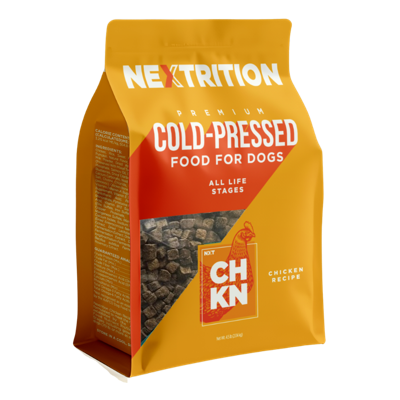
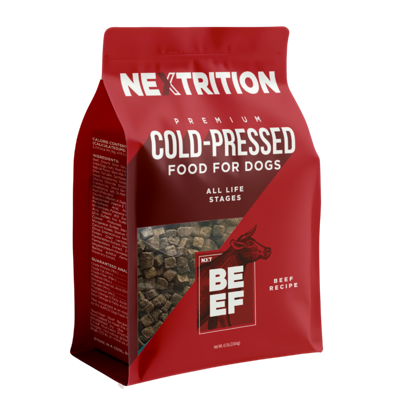
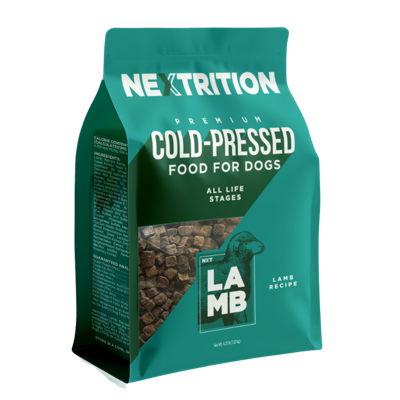
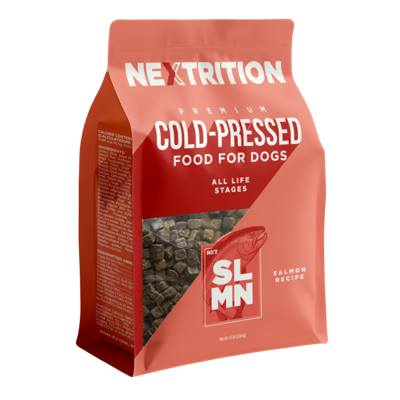
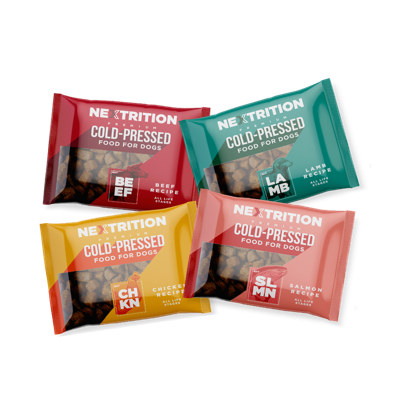
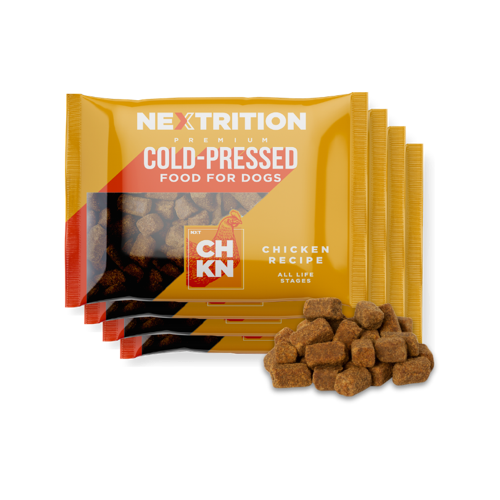
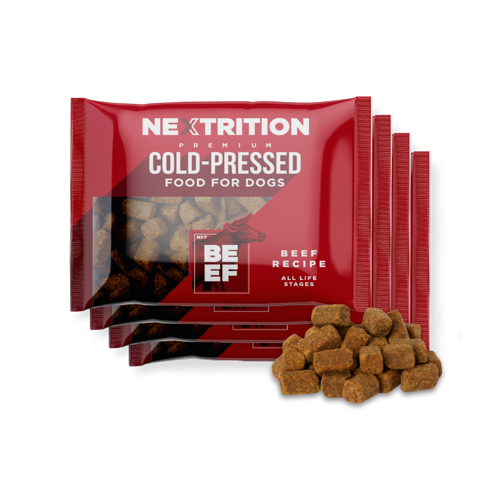
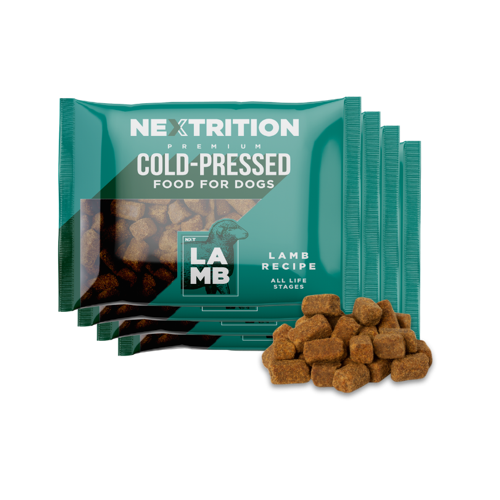
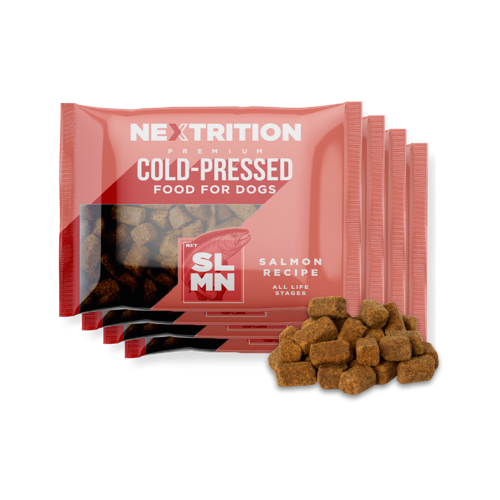
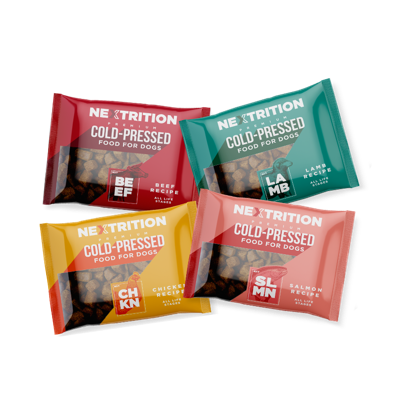
Our recipes keep that principle simple. Real meat paired with fruits and vegetables, available in lamb, chicken, salmon, and beef. Enough variety to match preference and tolerance without turning feeding into a science project.
A dog that eats well because the food smells like food is a better outcome than one being lured in by a sprayed-on finish.
Ingredient Integrity Matters to This Type of Buyer
If you’re considering premium cold pressed food, you’re probably not shopping for calories alone. You’re looking for a more credible form of nourishment.
That’s where ingredient integrity comes in. The benefits of cold pressed dog food aren’t only digestive. They also come from how recognizable ingredients are treated before they ever hit the bowl. Real meat, fruits, vegetables, natural ingredients, and in our case Rocky Mountain water. Clean inputs, handled with more care.
For this type of buyer, that matters on two levels:
- practically, because ingredient quality affects how the food performs
- emotionally, because feeding your dog is one of the most repeated acts of care in your week
People know when a product feels overly engineered. They know when it feels honest, too.
Cold Pressed Dog Food vs Traditional Kibble
This comparison usually decides the issue.
Cold pressed food uses lower temperatures. Traditional kibble is typically made with high-heat extrusion. Cold pressed pieces are dense. Kibble is more expanded and airy. Cold pressed food tends to break down more gradually during digestion, while extruded kibble is more processed and often relies more heavily on post-cooking additions and flavor coatings.
Here’s the practical version:
- Processing: lower-temperature pressing vs high-heat extrusion
- Structure: dense food vs puffed pieces
- Digestion: gentler breakdown vs more expansion-associated concern
- Nutrient handling: more retention-focused vs more post-processing replacement
- Flavor: more natural aroma vs more reliance on added coatings
The tradeoff is straightforward. Traditional kibble is usually cheaper and more familiar. Cold pressed is often chosen by owners who care more about gentler processing and ingredient quality than the lowest price point.
Cold Pressed Dog Food vs Raw Feeding
For many owners, cold pressed is the sensible middle ground. You may like the principles behind raw feeding but not the daily management that comes with it.
Cold pressed gives you a shelf-stable dry food with less processing intensity than standard kibble, but without the freezer space, handling complexity, and constant portioning friction of raw. That convenience matters if you’re feeding consistently in a real household, not in theory.
It’s still cooked, so we don’t blur that line. Raw and cold pressed are not the same thing.
But if you want something closer to whole-food thinking with much less hassle, cold pressed is often the better fit for everyday life.
Which Dogs Tend to Benefit Most From Cold Pressed Food
Not every dog needs the same feeding method. That’s where a lot of nutrition advice goes wrong.
Cold pressed food tends to make the most sense for:
- dogs with sensitive digestion
- dogs with inconsistent stools
- dogs prone to bloating or post-meal discomfort
- dogs that struggle with food transitions
- dogs whose owners want support for skin, coat, and whole-body wellness through better nutrition
- dogs whose people want to move away from overly processed food without going fully raw
The common thread isn’t breed or size. It’s whether your dog benefits from gentler handling, cleaner ingredients, and a food that’s easier on the system.
What to Look for in a Quality Cold Pressed Dog Food
Not all premium-looking bags deserve the premium label. You want a few things to be clear before you switch.
Look for:
- real meat as a core ingredient
- recognizable fruits and vegetables
- a transparent explanation of processing
- no unnecessary fillers or overly artificial additions
- complete and balanced nutrition for your dog’s life stage
And if you’re unsure about portions or recipe fit, personalized feeding support matters more than most brands admit. A good meal plan removes guesswork. That’s one reason we offer a personalized meal plan along with one-time purchase and subscription options. Better food helps, but consistency closes the gap.
How to Transition to Cold Pressed Food Smoothly
Even good food can create a rough week if you switch too fast. The usual guidance is 7 to 14 days, and that’s a sound range.
Start by mixing a small amount of the new food into the current food, then increase gradually while watching stool quality, appetite, and comfort. Sensitive dogs often do better on the slower end.
A steady transition usually looks like this:
- Days 1 to 3: mostly current food, small amount of new
- Days 4 to 7: closer to half and half
- Days 8 to 14: increase the new food gradually until fully switched
Don’t judge the whole transition by one meal. Look for trends. And if regular delivery helps you stay consistent, subscription can make that easier than scrambling for a new bag once routines finally settle.
Common Misconceptions About Cold Pressed Dog Food
A few points need clearing up.
Cold pressed does not mean raw. It also doesn’t mean every formula is automatically better. And no, all dry dog food is not nutritionally equivalent just because it meets basic requirements on paper. Processing changes outcomes.
It’s also fair to be skeptical of premium claims. Some are just packaging. But the process differences here are real: lower temperatures, denser chunks, different digestion behavior, and more emphasis on preserving what ingredients already offer.
Still, cold pressed isn’t right for every dog. The smarter approach is to judge both the formulation and your dog’s real-world response.
Is Cold Pressed Worth It for Your Dog
That depends on what you care about.
If digestive comfort, ingredient quality, nutrient preservation, and practical convenience are high on your list, cold pressed is worth serious consideration. Especially if you’ve already started questioning standard kibble but don’t want the complexity of raw feeding.
The best way to judge it is through outcomes you can actually observe:
- digestion
- stool quality
- coat condition
- appetite
- overall vitality
Premium nutrition should earn its place in the bowl. When it does, feeding stops feeling like guesswork and starts feeling intentional.
Conclusion
The real cold pressed dog food benefits come from a combination of gentler processing, easier digestion, stronger ingredient integrity, and everyday convenience. That’s the through line.
If there’s one thing to keep, it’s this: how food is made matters almost as much as what’s listed on the bag. Sometimes more than people want to admit.
So start with what you can observe. Look at your dog’s digestion, stools, appetite, coat, and post-meal comfort. Compare labels more closely. And if you’re considering a switch, a personalized meal plan and the right recipe fit can make the whole process a lot more manageable.


