


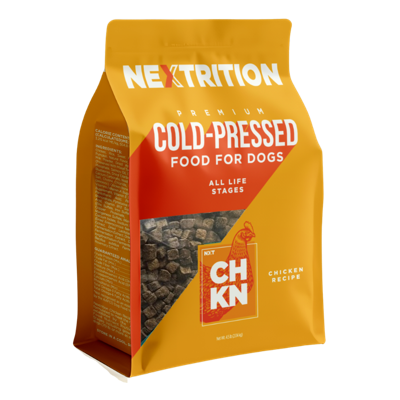
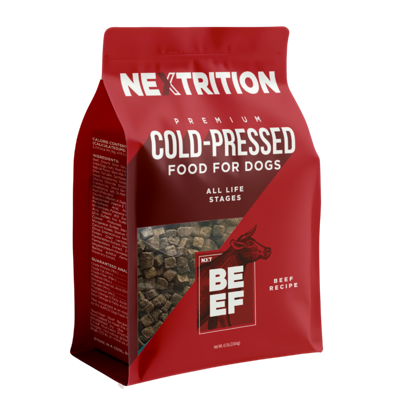
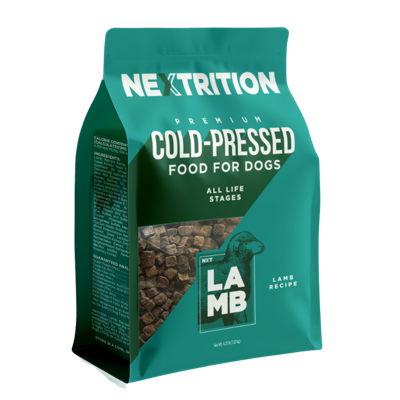
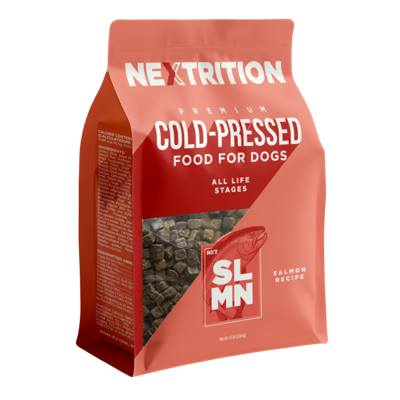


Summary: Kibble has long been promoted as a 'mechanical toothbrush' for dogs. But is it really? And if not, is cold-pressed dog food any better for canine dental health? In terms of texture alone, both foods are not a one-stop solution to keep a dog’s teeth clean.
There is no shortage of advice for dog owners who want their pets to maintain healthy, pearly white teeth. One of the most common pieces of advice for canine dental health is to feed a dog kibble. As the thinking goes, kibble's crunchy and abrasive texture works like a toothbrush to keep canine teeth clean. But is it true? And if not, is a cold-pressed dog food a better option?
You can make the case that every type of canine diet – kibble, wet food, cold-pressed, and a raw diet – impacts dental health in some way. But in terms of texture alone, there isn’t enough data to prove that any particular diet is best. So if food is being harnessed to maximize a dog's dental health, we need to look beyond texture.
Doggy Dental Problems: Similar to Ours
Canine dental health is more similar to human dental health than most people understand. What is the biggest enemy that a dog's teeth face? Plaque.
Plaque is a sticky film of bacteria that forms on a dog's teeth within a couple of hours of eating. While it is still fresh, it is fairly soft and can be brushed away. But what happens if plaque isn't removed early on?
Saliva in your dog's mouth contains minerals. Those minerals react with the plaque almost immediately. If the plaque isn't brushed away, this reaction can form tartar within 48-72 hours. Tartar is tough. Tartar is hard. It cannot be easily brushed away. Removing tartar from a dog's teeth often requires veterinary cleaning.
With all of that in mind, dog owners want a way to 'brush' their pets' teeth without having to use a human toothbrush and toothpaste. That is where the kibble myth came from. It was assumed that the hard and crunchy nature of the food made it abrasive enough to act as a toothbrush.
Abrasion Is the Holy Grail
Among manufacturers of dog food and dental chews, mechanical abrasion is the holy grail of canine dental health. Mechanical abrasion is the process of food or treats scraping against the teeth to remove plaque before it becomes tartar. So here is the big question: does cold-pressed dog food offer more abrasion than kibble?
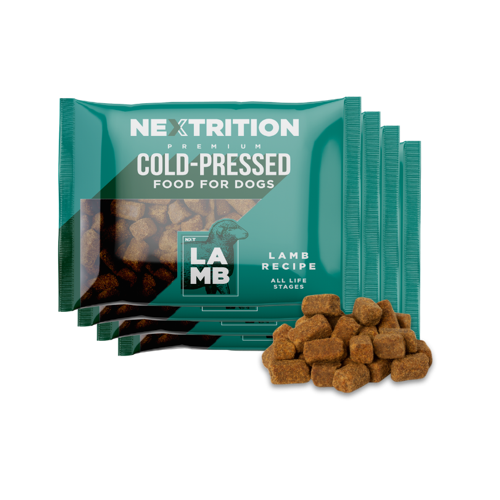
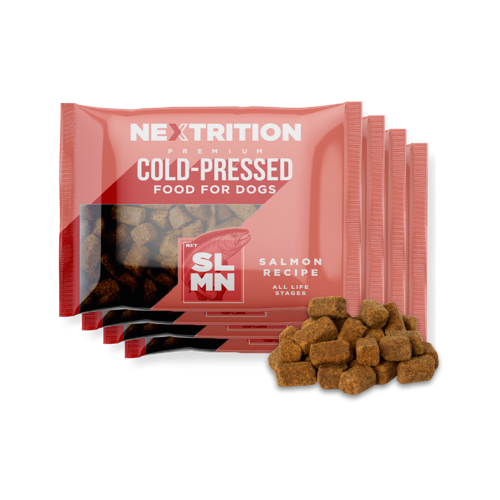
Due to the way it's made, cold-pressed dog food has a different texture compared to kibble. Cold-pressed dog food is dry food but is softer than a traditional kibble. It also dissolves more easily in the dog’s gut. The reality is that cold-pressed dog food provides a similar level of mechanical abrasion as kibble, which is very little. Neither form will provide that scraping resistance necessary to brush away plaque.
Kibble Shatters Quickly
Kibble is made through a process of extrusion. It is cooked at high heat before being forced through a mold at high pressure. It comes out the other end and dries into hard and crunchy pieces. It is this hardness that results in all the noise when you pour kibble into a bowl and your dog chews any pieces.
Unfortunately, most kibbles are too hard to be of any value for mechanical abrasion. When a dog bites into hard kibble, it tends to shatter. This means that food pieces break before the teeth can sink deep enough to actually be cleaned.
There are some specific kibbles manufactured in accordance with veterinary dental diets that could be better for a dog's teeth. They are made with a special fiber matrix that prevents shattering. But these are special foods and not typically found in traditional stores.
The Bottom Line About Texture
So, where do we stand in terms of texture? Traditional kibble is mistakenly believed to offer the best mechanical abrasion. It is usually not true. Kibble shatters and most dogs swallow many pieces whole rather than chewing it. A prominent 1996 study involving over 1,300 dogs tested this theory and the results showed little difference in how different types of dog food impacted plaque and tartar accumulation.
As for cold-pressed dog food, its major benefits are nutrient density and natural ingredients. But similar to kibble, offers very little mechanical abrasion. Therefore, expecting it to clean your dog's teeth better isn't realistic.
Last but not least are wet food and raw diets. In both cases, the soft food offers little to no mechanical abrasion. The risk with wet food and raw diets is that some ingredients can stick to the gum line, providing a sugar source for bacteria. So pet owners choosing to go this route need to be careful about starch content. Also, if dogs are being fed an exclusive wet diet, it can cause other dental issues besides plaque buildup. Like humans, the roots of our dog’s teeth need consistent resistance to remain strong and healthy. If only being given a wet diet and nothing else the roots can become weak and can contribute to teeth falling out earlier than expected.
Why Cold Press Food Is Still Better
Even though cold-pressed dog food's texture doesn't offer much by way of tooth brushing, there are other things to look at that do impact dental health. Those reasons start with ingredients.
Lower-quality foods tend to come packed with simple carbohydrates and sugars. Both are primary food sources for bacteria. So if a dog's diet is made from lower-quality recipes, the animal has a higher propensity for plaque and tartar. On the other hand, a cold-pressed dog food from Nextrition is lighter on simple carbs and sugars in favor of whole-food ingredients and fewer starches.
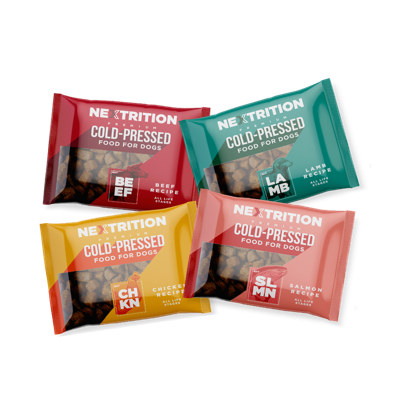
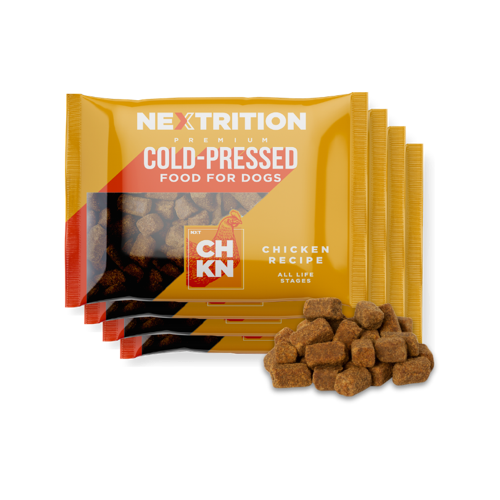
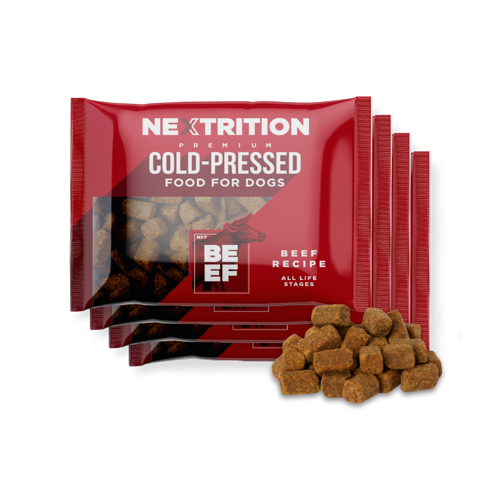
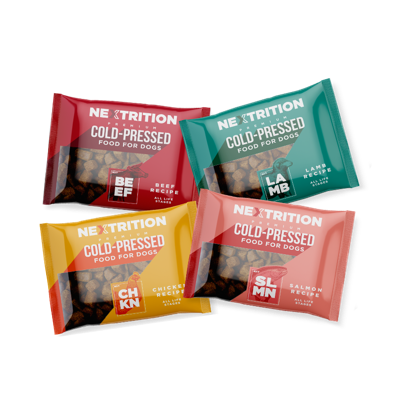
By choosing our ingredients wisely, Nextrition is providing less food for bacteria. But even beyond what happens in the mouth, there are other things to consider when choosing a food. One of the major benefits of cold-pressed dog food is it’s impact on the gut. Nextrition cold-pressed food uses all-natural ingredients and the food breaks down easily in the gut. Every recipe is made with gut friendly ingredients such as pumpkin, pre, post and probiotics.
What Dog Owners Should Expect
Dog owners looking for food that could help improve dental health need to be realistic about their expectations. No single type of dog food – whether it is kibble, wet food, or cold-pressed – is a substitute for proper dental care. Relying exclusively on food would be no different from a dog owner brushing his teeth daily by eating crackers.
The best way to ensure good canine dental health is to feed your dog a healthy and balanced diet combined with regular teeth brushing or other effective methods to remove plaque and regular visits to the vet.
FAQs
Does cold-pressed dog food clean teeth as well as kibble?
Cold-pressed dog food does just as well as kibble to clean a dog’s teeth, which unfortunately is very little.
Does cold-pressed dog food contribute to more plaque?
Soft, wet food that gets stuck int eh gums and the type of ingredients in any form of food are more likely reasons for the dog to develop plaque. Cold Pressed dog food from Nextrition is a dry food and uses all-natural ingredients with a lower starch content than many traditional diets.
Is crunchy dog food the secret to canine dental health?
Not really. Studies have shown that kibble consumption doesn't produce better dental health outcomes in dogs.
Is any particular dog food better for dental health?
In terms of texture alone, no. But in terms of ingredients, yes. Cold Pressed dog food from Nextrition is a dry food and uses all-natural ingredients with a lower starch content than many traditional diets. It is a better choice for overall canine health.


