




If you're asking "Should I add probiotics to dog food?" the usual mistake is adding a powder before checking the bowl. Loose stools and gas get blamed on the wrong thing.
What matters is why your dog is off. We do not treat probiotics like magic; food quality, digestibility, and feeding consistency matter more than most people think.
Here's where to look first:
- Stress, antibiotics, or a food change
- Whether the daily food is doing enough for stool quality
- What to watch over the next few days so your dog gets steadier
The Short Answer: Sometimes, but Not as a Universal Fix
If you're asking should I add probiotics to dog food, the honest answer is sometimes. Some dogs do benefit. Plenty don't need them at all.
We'd treat probiotics as a targeted tool, not a cure-all for gas, loose stools, or a touchy stomach. Digestive health is shaped by the full routine: food quality, protein digestibility, fiber balance, feeding consistency, stress, treats, and how often the bowl keeps changing. A probiotic can help in the right moment, but it can't clean up a weak foundation.
So before adding anything, ask the better question: why is your dog having symptoms in the first place? That's where the useful decision starts.
And when people ask do dogs need probiotics in their food, we don't answer that as a blanket yes or no. It's a case-by-case call. Healthy dogs with steady digestion usually don't need another powder sprinkled over dinner just because the label sounds smart.
What Probiotics Actually Are and What They Are Not
Let's clear up the category, because a lot of the confusion starts there. Probiotics are live microorganisms intended to provide a health benefit when used appropriately.
That sounds simple until marketing gets involved.
A few distinctions matter:
- Probiotics are live microbes with an intended benefit
- Prebiotics are ingredients that feed beneficial microbes already living in the gut
- Dietary fibers can support gut function more broadly, even when they aren't sold as "biotics"
Here's the part most owners never get told clearly: probiotics are strain-specific. One species or product doesn't automatically stand in for another. If one strain helped in one setting, that doesn't mean any bacteria blend in a jar will do the same thing.
Viability is another real issue. In pet food, especially dry food made with high heat, microorganisms can be inactivated during processing. If the microbes don't survive the kill step, storage, transport, and time sitting on a shelf, they may not function as true probiotics by the time they hit your dog's bowl.
That's why a probiotic capsule, powder, paste, or post-processing topper may behave very differently from microbes listed on a bag of food. The label can look impressive. The biology is less forgiving.
Live on the label isn't the same as alive when your dog eats it.

Do Dogs Need Probiotics in Their Food Every Day?
Usually, no. Not if your dog is healthy, has stable stools, good energy, and no recurring digestive pattern.
The gut microbiome is influenced by what happens every day, not just by a supplement. The main driver is still the daily diet. If the food is hard to digest, low quality, or constantly changing, adding a probiotic on top can turn into a ritual without solving much.
Daily probiotic use makes more sense when there's a reason for it, such as:
- recent antibiotic use
- stress from boarding, travel, or routine changes
- inconsistent stools
- a history of digestive sensitivity
- a rough food transition
Even then, we wouldn't jump straight to "use it forever." Chronic digestive issues often point back to the broader feeding setup. Sometimes the more meaningful move is changing the food, not layering a supplement over the same old routine and hoping the gut sorts it out.
And no, saying no to an unnecessary supplement isn't neglectful. If your dog's food supports digestive resilience well, restraint is often the smarter decision.
What the Research Says, Without the Hype
The research on canine probiotics is promising in places, but it isn't nearly as settled as marketing makes it sound. Many studies are small. Quite a few carry moderate to high risk of bias. That's not a reason to dismiss probiotics. It is a reason to stay grounded.
In studies on dogs with gastrointestinal disease, stool consistency is one of the most commonly measured outcomes. That makes sense because it's practical and visible. Owners can see it. Vets can track it. But a better stool by itself doesn't mean every gut issue has been meaningfully fixed.
For acute gastrointestinal disease overall, evidence has been described as limited and in many cases possibly not clinically important. That's the part the front label usually leaves out.
There is useful nuance, though. Several placebo-controlled trials in dogs with acute diarrhea without an identifiable cause did report better clinical outcomes with daily probiotic use. Those studies looked at things like:
- time to diarrhea resolution
- diarrhea severity
- changes in fecal microbiota
- whether additional medical treatment or antibiotics were needed
That's real. But it still doesn't support the idea that every probiotic helps every dog in every context.
For chronic gastrointestinal disease, diet remains the main lever. We agree with that strongly. If the base food isn't helping the gut do its job, no one should expect a supplement to carry the whole load.
Signs Your Dog May Benefit From a Probiotic Conversation
This is where probiotics become worth discussing, ideally with your veterinarian if the pattern keeps showing up. We're looking for recurring situations, not one random off day after your dog stole a greasy scrap.
A probiotic may make sense when you notice:
- intermittent loose stools
- inconsistent stool quality from week to week
- short-term digestive upset during travel, boarding, or stress
- recovery after antibiotics
- sensitivity during a food transition
- mild gas or stool quality issues in an otherwise bright, active dog
The broader gut-health picture matters too. There's growing interest in the connection between the gut, immune function, and skin health. That's worth paying attention to, especially if your dog has both digestive fussiness and skin flare patterns. But we wouldn't promise that probiotics alone will fix itching, allergies, or coat problems. That's where owners get sold a shortcut.
Look at patterns instead of isolated incidents. Frequency matters. Triggers matter. How your dog responds when the food changes matters. If loose stools happen every time routine gets disrupted, that's different from a dog who struggles all month long no matter what you do.
When a Probiotic Is Unlikely to Solve the Real Problem
Some dogs aren't missing a probiotic. They're reacting to a feeding routine that keeps asking too much of their gut.
A probiotic is usually the wrong first move if the real issue is:
- poor food quality
- low digestibility
- abrupt feeding changes
- too many treats, chews, or table scraps
- ingredient intolerance or a food reaction
We see owners stack supplements while leaving the base diet untouched. Probiotic, pumpkin, digestive enzyme, topper, another topper. Meanwhile the food itself is still the most processed part of the bowl. That's backwards.
Recurring diarrhea, weight loss, vomiting, poor appetite, or signs of chronic discomfort deserve veterinary evaluation. Probiotics do not replace diagnosis for parasites, inflammatory conditions, food reactions, or other gastrointestinal disease.
A useful operator rule here is simple: don't treat every digestive symptom as a microbiome problem. Sometimes the food is the bigger problem. Sometimes the dog needs medical workup. Guessing gets expensive fast.
Food Comes First: The Gut Needs a Better Daily Environment, Not Just an Add-On
If you're serious about digestive health, start with the bowl. Beneficial microbes need a feeding environment that makes sense day after day.
A large share of the immune system is associated with the gut. That's one reason digestion, immune resilience, skin, and overall steadiness tend to travel together. You don't need to chase every new gut claim to respect that. You do need to feed in a way that supports it.
For sensitive dogs, a few basics matter more than they get credit for:
- real meat provides digestible protein
- fruits and vegetables can contribute useful nutrients and fibers
- natural ingredients help avoid some of the unnecessary fillers and heavily processed extras that complicate the bowl
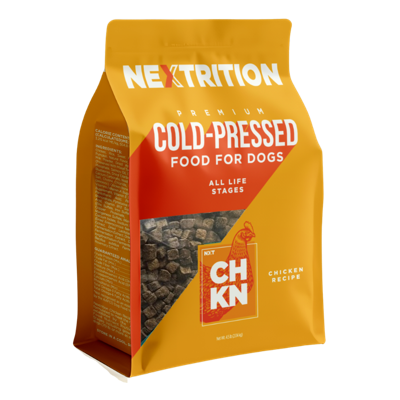
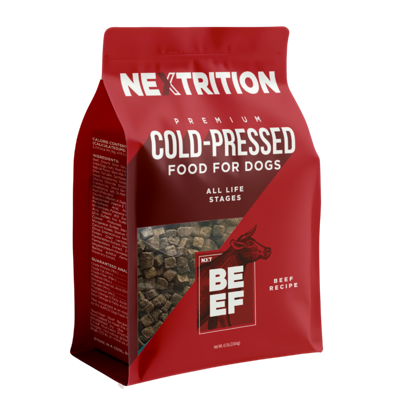
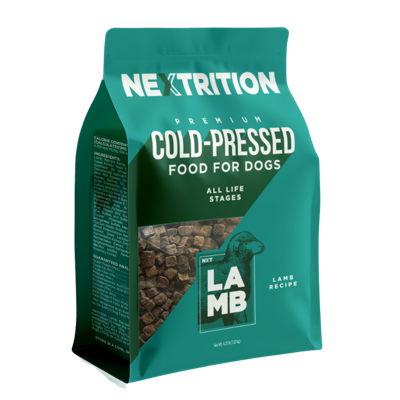
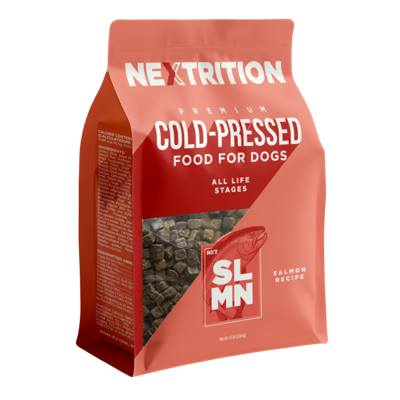
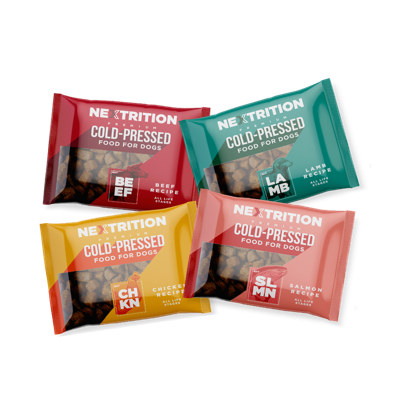
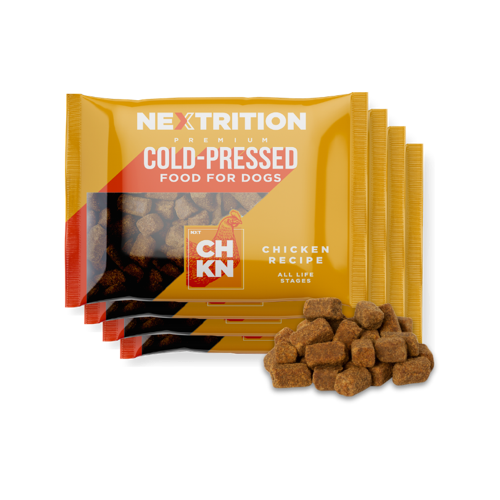
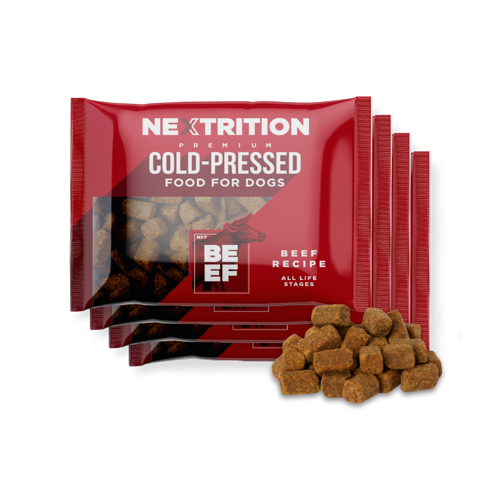
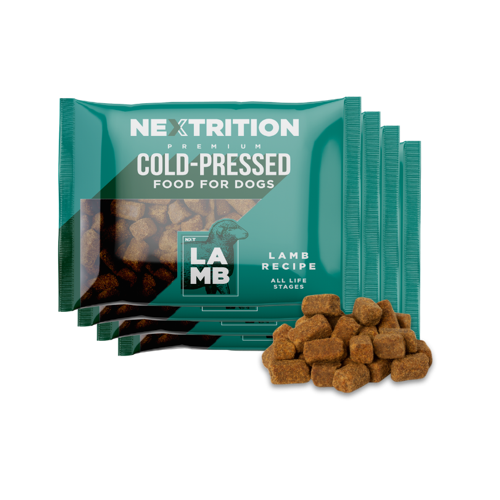
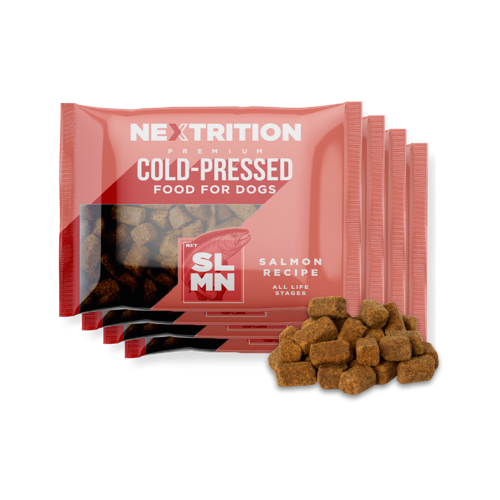
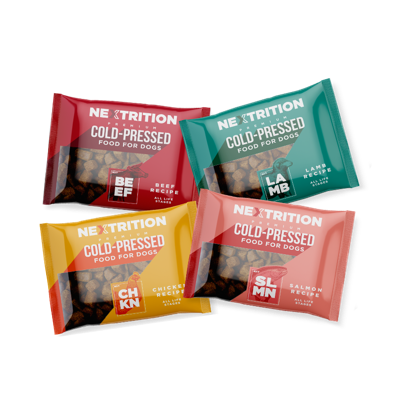
Processing matters too. We care about that a lot. Cold-pressed food made at lower temperatures can help preserve nutrients better than more aggressive heat-heavy methods. That's one reason we build Nextrition around a food-first approach. Our premium cold-pressed recipes come in lamb, chicken, salmon, and beef, made with real meat, fruits and veggies, natural ingredients, and Rocky Mountain waters.
That doesn't mean food is magic. It means the base diet should stop working against the gut.
When the everyday bowl is more thoughtful, many owners find they stop rotating from powder to paste to topper looking for the thing that finally settles digestion. Sometimes the answer isn't another add-on. It's a calmer, cleaner routine.

Probiotics Versus Prebiotics Versus Synbiotics: What Your Dog May Need More
Not every gut-supportive product is doing the same job. That's where the "biotic" language can get messy.
Here's the clean version:
- Probiotics are beneficial live microbes
- Prebiotics are the substrates that nourish beneficial microbes already in the gut
- Synbiotics combine both
In practice, some dogs may benefit more from steady dietary fibers and prebiotic support than from a standalone probiotic supplement. That's especially true when the issue is long-term stool quality rather than a short-term disruption.
This is where the broader conversation in canine nutrition has become more useful. Support for the microbiome isn't limited to one ingredient category. A premium diet with digestible protein and appropriate plant ingredients may do more for long-range digestive steadiness than a probiotic added to a poor nutritional base.
That's less exciting than a "miracle gut blend" claim. It's also usually closer to the truth.
How to Choose a Probiotic Product if You Decide to Try One
If you decide to try a probiotic, choose based on purpose, not marketing noise. The market rewards big promises. Your dog doesn't.
A few filters help:
- Look for named strains. "Beneficial bacteria" is too vague.
- Use a dog-specific product. Human probiotics aren't automatically the right substitute.
- Check how the brand handles viability. Packaging, storage, and delivery matter.
- Match the format to the use case. Powders, capsules, pastes, and post-processing supplements can behave differently.
- Don't assume more strains means better. A crowded formula without a clear reason is still unclear.
Some newer pet nutrition technologies, including microencapsulation and post-processing application, are used to help preserve viability in certain formulations. That's helpful because live organisms need to survive processing and storage to be worth anything.
We'd also be cautious with products built entirely around buzzwords. Transparency beats trendiness every time. If the brand can't tell you what it's using, why it's using it, and how it stays viable, keep moving.
How to Add Probiotics Safely and Evaluate Whether They Are Helping
When owners get confused, it's usually because they changed three things at once. New food, new probiotic, fewer treats. Then the stool improves and nobody knows what actually worked.
Change one variable at a time.
If your veterinarian supports a probiotic trial and the product directions allow for a gradual introduction, ease in rather than dumping a full scoop into the bowl on day one. Then track real outcomes at home:
- stool consistency
- number of bowel movements
- gas
- appetite
- comfort after meals
- overall energy
Keep it practical. A note on your phone is enough.
Acute issues should show movement on a reasonable timeline. Chronic patterns usually need more patience and often a broader plan. If symptoms worsen, new symptoms appear, or nothing changes after a sensible trial, stop and reassess.
Sometimes the better result comes from changing the food, not increasing the supplement stack. That's a frustrating answer if you've already bought the jar. It's still the right answer.
A Smarter Decision Framework for Health-Conscious Dog Owners
If you want a calmer way to think about this, use a simple sequence. It keeps you out of the cycle where every soft stool turns into a new order cart.
Start here
- Identify the pattern. Is this occasional upset or an ongoing issue?
- Assess the base diet. Look at ingredient quality, digestibility, treat load, and feeding consistency.
- Decide the goal. Are you trying to support a short-term disruption or build long-term digestive resilience?
- Choose the smallest useful intervention. Don't add several products at once.
- Bring in your veterinarian when symptoms are persistent, severe, or unclear.
This approach is slower than buying the loudest supplement on the page. It is also more effective.
For owners who want to improve the foundation first, we make that part easier with a personalized meal plan through Nextrition. You can match the food more closely to your dog's needs, settle the base routine, and then decide whether any add-on is still necessary. That's a much better order of operations than supplementing first and asking questions later.

Conclusion
Probiotics can help some dogs in some situations, especially around short-term digestive disturbances. They are not a universal requirement, and they shouldn't be treated like one.
The stronger long-term play is to support the whole gut environment with high-quality daily nutrition, thoughtful ingredients, gentle processing, and consistent feeding. Start with the bowl. Watch your dog closely. Use probiotics as a purposeful tool when the situation calls for it, not as a default habit.
If you're still asking should I add probiotics to dog food, review your current food honestly first. The better answer may be another supplement. But very often, it's a more supportive everyday diet.


