


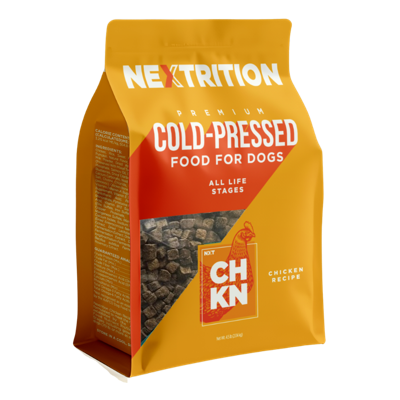
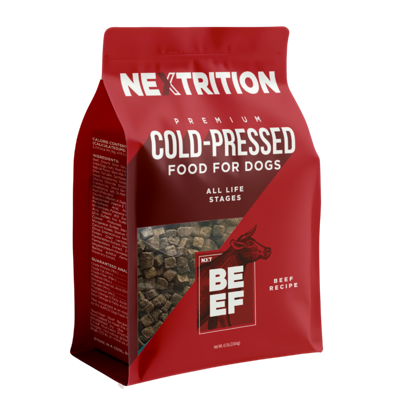
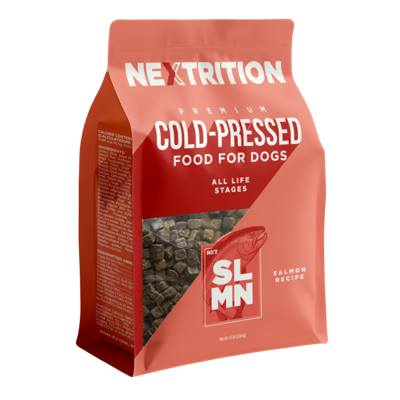


Finding dog food that reduces gas sounds easy until you start reading labels and realize half the category is just regular kibble with softer wording. You don't need another bag full of fillers when your dog is already clearing the room.
The better options are easier on digestion and cleaner on ingredients. We've cut anything that felt vague, overloaded, or built more for shelf appeal than stomach comfort.
These are the formulas worth your attention.
1. All-Natural Lamb Recipe

Pros
- Cold-pressed for gentler digestion
- Real lamb as first ingredient
- Natural formula for sensitive stomachs
- Whole fresh ingredients in every bag
- Supports consistent long-term feeding
Cons
- Premium price versus standard kibble
- Less familiar than mainstream brands
- Cold-pressed format may need transition
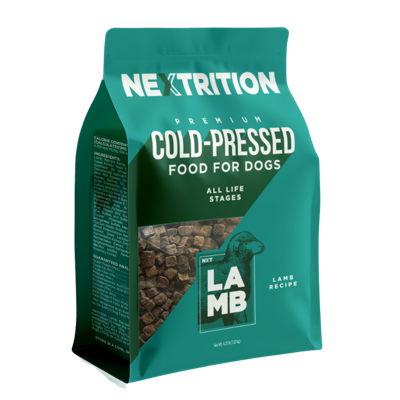
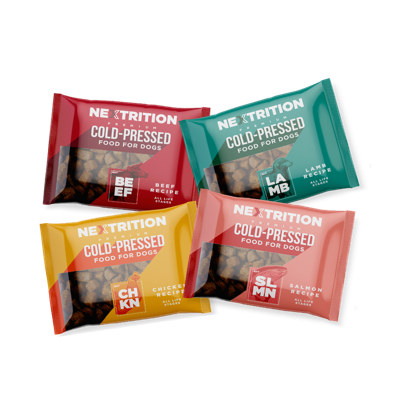
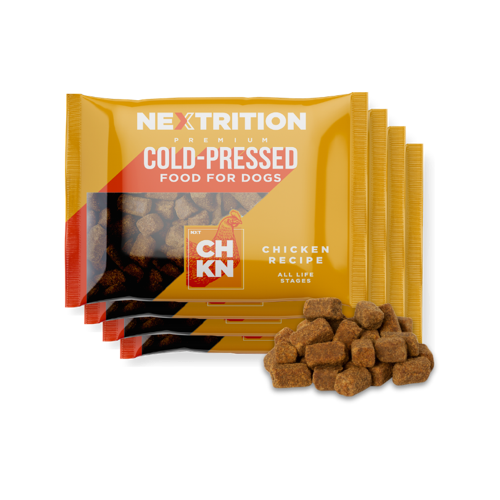
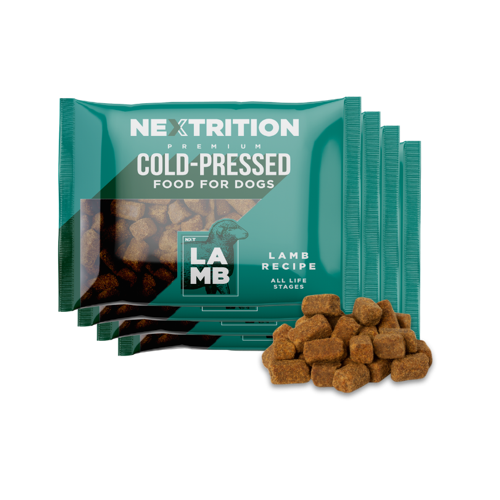
If you're looking for dog food that reduces gas without defaulting to a prescription route, this is where we'd start. Our All-Natural Lamb Recipe is built for dogs that don't do well on standard kibble and need a gentler everyday food, not just a louder digestive claim.
Cold-pressed matters here. We make our food at temperatures up to 3x lower than typical kibble processing, which helps preserve more of the natural nutrients in real meat, fruits, and vegetables. That lower-heat approach also fits dogs whose stomachs seem fine on paper but tell a different story by the second afternoon.
A few details are worth paying attention to:
- Real lamb is the number one ingredient
- More than 12 pounds of whole fresh ingredients go into a 4.5 lb bag
- The recipe is positioned around digestibility and gut support, not convenience-first extrusion
- It's a natural fit for owners who already care about ingredient quality and immune health
We'd choose this for a dog with recurring gas, inconsistent stools, or a pattern of doing poorly on heavier, filler-driven dry foods. Not every gassy dog needs a medical diet. Some just need food their body handles better.
Better digestion usually starts before the bowl, at the processing step.
There's also a practical side people overlook. When a dog has repeat digestive issues, consistency matters more than novelty. Our personalized meal planning and subscription delivery make it easier to stay on one approach long enough to judge results, instead of changing foods every ten days and guessing.

2. Hill's Science Diet Sensitive Stomach & Skin
Pros
- Widely available and easy to try
- Clear sensitive-stomach positioning
- Multiple recipe and size options
- Good middle-ground digestive support
Cons
- May not isolate ingredient triggers
- Less specialized than prescription diets
- Can require protein trial-and-error
This is a common first stop for owners asking what dog food helps with gas. That makes sense. It's widely available, clearly labeled for digestive sensitivity, and doesn't ask you to rethink your whole feeding routine.
Hill's sits in a useful middle lane. It's more targeted than a general adult formula, but it isn't as serious a move as stepping into a prescription diet. For mild to moderate gas, especially when the dog is otherwise acting normal, that's often enough.
Its value is mostly in familiarity and structure:
- Sensitive-stomach and skin positioning is easy to understand
- There are multiple dry variations, including chicken, salmon, and large-breed options
- It works for owners who want a straightforward retail solution before trying something narrower
In real use, this is often the brand owners try before moving to limited-ingredient food. That's not a criticism. It's usually how the process goes. If the gas is tied to general digestive touchiness, Hill's may settle things down. If the gas seems tied to a specific protein or ingredient family, it may not go far enough.
Compared with Purina Pro Plan Sensitive Skin & Stomach, Hill's tends to appeal to people who want a more clinical-feeling choice. The difference isn't just branding. It affects how confident people feel sticking with a trial.
3. Purina Pro Plan Sensitive Skin & Stomach

Pros
- Multiple protein recipe options
- Easy mainstream availability
- Helpful for skin and stomach
- Makes food trials less disruptive
- Good baseline for moderate gas
Cons
- Not a true elimination diet
- May not isolate treat triggers
- Less specialized than prescription options
Purina Pro Plan plays in the same general category as Hill's, but the recipe flexibility changes the conversation. When gas seems worse on one protein than another, having salmon and rice or lamb and oatmeal options can make the trial process less clumsy.
That's more useful than it sounds. A lot of owners don't need a radically different food. They need one smart variable change.
This option makes sense when:
- Your dog has gas plus itchiness or coat changes
- You want a mainstream formula that's easy to find
- You suspect the current protein source may be part of the problem
The practical advantage is that you can compare formulas within a familiar brand family instead of jumping between completely different products. That reduces noise. And when you're trying to figure out what dog food helps with gas, less noise is helpful.
Still, we'd keep expectations realistic. This is a sensitive-digestion formula, not a true elimination approach. If your dog gets gassy after specific treats, chews, or protein-heavy meals, the broader formulation may not isolate the trigger well enough. It works best when the issue is moderate and you're trying to clean up the baseline.
4. Royal Canin Digestive Care
Pros
- Digestive-focused everyday formula
- Size-specific small and medium options
- Good retail alternative to prescription
- Helpful for recurring stool inconsistency
Cons
- Less specialized than therapeutic diets
- Premium pricing versus basic kibble
- May not solve ingredient-triggered gas
Royal Canin Digestive Care is a solid option for owners who want a more digestion-specific retail formula and appreciate a size-aware lineup. That last point matters more than many people think.
Small and medium dogs often have their own feeding quirks. Tiny meals, faster eating, fussy chewing, more reactive stool quality. When gas is chronic in a smaller dog, size-specific digestive formulas can feel more dialed-in than generic adult food with digestive language added afterward.
Here's where it earns its place:
- Clear digestive-care positioning
- Retail accessibility without moving into prescription territory
- Size-specific formulas for small and medium dogs
This is often a smart pick when a dog doesn't just have occasional gas, but a repeat pattern of bloating, noisy digestion, or stool inconsistency tied to meal size. Feeding volume changes the experience. A small dog slightly overfed can look like a major digestive problem by bedtime.
Royal Canin sits a step more focused than the standard sensitive-stomach crowd. Not dramatically. Just enough to matter for some dogs. If you want digestive support but aren't ready for a therapeutic food, this is a reasonable bridge.
5. Hill's Prescription Diet i/d Digestive Care

Pros
- Vet-directed digestive support
- Useful for recurring GI flare-ups
- Available in dry and canned
- Fits broader treatment plans
Cons
- Requires veterinary involvement
- Not ideal for mild gas
- Less lifestyle-friendly than retail foods
This is where the conversation changes. Hill's i/d is not for mild gas alone in most cases. It's for dogs where gas is part of a bigger digestive picture and a veterinarian is already involved or should be.
That distinction matters. Owners sometimes wait too long because they think they're still just comparing foods. Meanwhile the dog has loose stool, poor appetite, vomiting, or obvious discomfort. At that point, this isn't a lifestyle choice.
Hill's i/d stands out for a few reasons:
- Prescription digestive-care positioning
- Dry and canned options
- Relevance for dogs already on a GI management plan
If the symptom pattern includes repeated flare-ups, this makes more sense than bouncing through retail sensitive-stomach formulas. We've seen people spend months trying to out-shop a problem that actually needed medical guidance from the start.
Gas by itself is annoying. Gas with vomiting or chronic diarrhea is a different category.
This food is more clinically directed than the rest of the retail options here. That also means it's less of an everyday premium-nutrition choice for owners simply upgrading from standard kibble. Useful, serious, and not the first move for uncomplicated cases.
6. Blue Buffalo Basics Skin & Stomach Care
Pros
- Limited ingredients simplify food trials
- Good fit for suspected intolerances
- Wet and dry recipe options
- Skin-and-stomach focus adds flexibility
Cons
- Needs strict feeding discipline
- Less helpful for severe GI issues
- May not isolate every trigger
Blue Buffalo Basics is worth considering when you suspect the problem is less about general digestion and more about ingredient intolerance. That changes the strategy. You're not just asking for better digestion. You're asking for fewer moving parts.
The limited-ingredient angle is the real reason it belongs here. With simpler profiles like turkey and potato and both wet and dry formats, it gives owners a cleaner way to test whether the gas improves when the ingredient list narrows.
A few situations where it fits well:
- Gas shows up alongside skin reactivity
- Your dog does poorly on mixed-protein formulas
- You want to simplify before going prescription
Compared with the more general sensitive-stomach products, Basics is more elimination-minded. Compared with some other limited-ingredient lines, it still keeps the stomach-care message front and center. That's a useful blend for owners who think food sensitivity is likely but don't want to overcomplicate the trial.
The catch is discipline. If you're feeding this but still rotating toppers, scraps, and dental chews, you may learn nothing.
7. Wellness CORE Digestive Health

Pros
- Purpose-built digestive health line
- Premium feel without prescription
- Lamb recipe and life-stage options
- Good fit for mild gas
- Supports broader wellness goals
Cons
- Not ideal for strict elimination
- Premium pricing versus basic kibble
- May be too general for triggers
Wellness CORE Digestive Health is for the owner who wants digestive support but still cares about overall premium positioning. Some people don't want a basic retail fix. They want a food that feels purpose-built without crossing into prescription territory.
That's where this line fits. It's not just a maintenance formula with a few digestive claims attached. It's a dedicated digestive-health product family, with recipe options including lamb and age-focused variation.
It tends to work best for people who think in layers:
- improve digestion
- maintain broader wellness goals
- stay in a premium dry-food format
This sits between mainstream sensitive formulas and stricter limited-ingredient diets. If your dog is simply gassy and a little inconsistent, but not obviously reacting to a specific ingredient, that's a comfortable place to be. You get digestive focus without having to run a full elimination-style trial right away.
In a crowded category, that's a real advantage. Not every dog needs the simplest ingredient deck. Some need a better-built formula overall.
8. Canidae PURE Limited Ingredient

Pros
- Simplifies potential food triggers
- Good fit for feeding trials
- Dry and wet recipe options
- Recipe variety without excess complexity
Cons
- Requires strict trial discipline
- Not ideal for casual switching
- May be too narrow for some
Canidae PURE takes a cleaner, more stripped-back approach. If gas seems linked to food sensitivity, this is often more useful than switching from one standard kibble to another standard kibble with better packaging.
That sounds blunt because it is. Ingredient simplification can do more than a generic "sensitive" label when the issue is actually reactivity.
The appeal here is straightforward:
- Limited-ingredient identity is the main strategy, not a side feature
- Dry and wet options are available
- Recipe variety still gives some room to work without becoming chaotic
We'd look at Canidae PURE when an owner is willing to run a proper feeding trial. Same food every day. Minimal extras. No constant treat swapping. That's not glamorous, but it's how you get honest answers.
Compared with Blue Buffalo Basics and Natural Balance Limited Ingredient Diets, Canidae PURE feels especially centered on reduction as the core move. If you're trying to calm a noisy digestive system, fewer variables is often the smartest first principle.
9. Natural Balance Limited Ingredient Diets

Pros
- Good for structured food trials
- Multiple protein-carb pairing options
- Simple formulas for sensitivity testing
- Helps isolate likely gas triggers
Cons
- Less digestive-specific than rivals
- Results take time to assess
- Requires disciplined feeding consistency
Natural Balance is especially useful for methodical owners. If you want to test whether duck works better than lamb, or whether one carbohydrate pairing seems easier on your dog than another, this line gives you that flexibility without forcing a complete format change.
That makes it one of the better options for narrowing patterns over time. Not overnight. Over time.
Recipes like duck and potato or lamb and brown rice can help you compare combinations more intentionally. The mistake is changing too much at once. If you switch protein, treat brand, portion size, and meal schedule together, you haven't run a trial. You've created confusion.
A smarter approach looks like this:
- Pick one recipe based on your best current theory
- Hold treats and toppers steady, or remove them
- Transition slowly
- Track gas, stool, appetite, and comfort for a few weeks
Natural Balance is less overtly digestive-branded than Royal Canin Digestive Care or Wellness CORE Digestive Health. That's fine. Its strength is trial structure, not symptom marketing.
10. JustFoodForDogs Pantry Fresh Balanced Remedy

Pros
- Fresh-style alternative to kibble
- Appeals to processing-conscious owners
- Digestive-focused everyday feeding option
- May improve long-term feeding consistency
Cons
- More expensive than dry food
- Not automatically better for gas
- Less convenient than standard kibble
For owners who want a format shift as much as an ingredient shift, this is the most relevant option in the group. Pantry Fresh Balanced Remedy moves away from the conventional dry-food experience and into a fresh-style digestive approach.
That matters for a certain type of buyer. Usually someone already skeptical of heavily processed kibble, already reading labels carefully, and already willing to pay more for a feeding experience that feels closer to whole-food nutrition.
Where it fits:
- You want digestive support in a fresh-style format
- Your dog hasn't done well on traditional dry foods
- You care as much about processing style as formula claims
This isn't automatically better for every dog with gas. But for owners looking for a more premium, less conventional path, it's a legitimate alternative to digestive kibble or limited-ingredient dry food.
Fresh-format feeding also changes the owner's day-to-day experience. That's not trivial. If the food feels easier to trust, many owners are more consistent with it. And consistency is often where progress starts.

How to Choose a Dog Food That Reduces Gas
Most gassy dogs don't need ten more foods to try. They need a better theory. Start with the likely cause, then match the formula type to the symptom pattern.
Use this framework:
- Mild but frequent gas, normal energy, normal appetite: start with a sensitive-stomach formula or a premium digestibility-focused food
- Gas plus itching or coat changes: look at skin-and-stomach formulas
- Gas plus chronic loose stool, vomiting, poor appetite, or repeated flare-ups: move toward prescription digestive support
- Gas that seems tied to specific meals or proteins: a limited-ingredient trial often tells you more than a standard digestive formula
Protein strategy matters more than most labels admit. What gets digested efficiently is less likely to reach the colon and ferment. More residue usually means more odor and more gas. Simple.
Carbohydrates matter too. Some fermentable ingredients can make flatulence worse in certain dogs, so ingredient lists deserve real attention. And don't ignore format. Cold-pressed, traditional dry, wet, and fresh all create a different feeding experience and can affect long-term consistency.
Change one variable at a time. That's operator logic, not theory.

What Dog Food Helps with Gas? Criteria That Matter Most
The best answer isn't the food with the strongest digestive promise. It's the one your dog actually handles well, day after day.
Here are the filters we'd use:
Digestibility beats marketing
A food can sound impressive and still leave your dog bloated. Better digestion means less fermentative residue reaching the lower gut. That's the goal.
Choose the right category
- Sensitive-stomach foods for general digestive touchiness
- Limited-ingredient diets when you suspect a trigger
- Prescription digestive foods for persistent or medically significant symptoms
Use protein as a decision lever
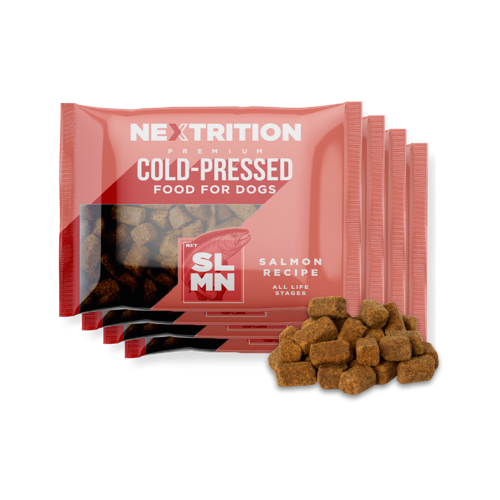
Lamb, salmon, chicken, duck, and mixed-protein formulas can behave differently in real dogs. If one approach fails, the next move should be deliberate, not random.
Recipe variety helps
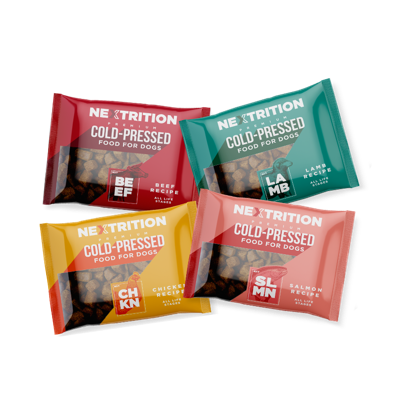
Brands with multiple protein options are easier to work with if the first formula doesn't land.
Lifestyle fit is real
Small dogs, multi-dog homes, travel-heavy routines, and owners who want subscription convenience all shape what will actually stick. The right food has to work in the real world, not just on paper.
Common Mistakes That Keep Dogs Gassy Even on Better Food
Sometimes the food improves, but the gas doesn't. Usually there's a reason.
The most common mistakes are predictable:
- Switching too fast
- Overfeeding
- Ignoring treats, scraps, and chews
- Changing foods too often
- Assuming premium automatically means problem solved
- Waiting too long to call the veterinarian
One of the least obvious issues is overfeeding. Even a good food can create more digestive residue if you're simply feeding too much. Another is brand hopping. Every new formula resets the gut a bit, and some owners keep their dog in permanent transition mode without realizing it.
If gas comes with weight loss, repeated vomiting, lethargy, appetite change, or chronic diarrhea, stop treating it like a retail comparison problem. That's your sign to involve your veterinarian.
Conclusion
The right dog food that reduces gas depends on what kind of gas problem you're actually dealing with. General digestive sensitivity, ingredient reactivity, and deeper GI issues do not need the same solution.
If you're trying to narrow the list, be practical. Match the food category to your dog's clearest pattern, pick one formula, transition slowly, and stay consistent long enough to learn something real. Track gas, stool quality, appetite, and comfort for a few weeks.
That's usually how you find what dog food helps with gas. Not by chasing the next bag. By making one smart move and giving it time to work.


