




When you compare cold pressed vs kibble, most people look at the label and miss the process. We've seen dogs eat good food and still end up with loose stools, itchy skin, or that heavy look after meals.
What matters is how the food is made, what stays intact, and how your dog handles it day to day. If you want clearer answers, start with these checks.
- Ask how much heat the food sees
- Watch stools, appetite, and post meal comfort for 10 days
- Read ingredients and process together, then pick with less guesswork
The Short Answer: Why Cold Pressed Often Comes Out Ahead
If you're comparing cold pressed vs kibble, the honest answer is this: for a lot of health-conscious dog owners, cold-pressed food is often the better option. Not because the name sounds cleaner, but because lower-temperature processing can help preserve more of the food's original nutritional value.
That said, format alone doesn't make a food healthy. A poorly made cold-pressed food can still miss the mark, and some kibble products are complete and balanced. But when we're looking at cold pressed dog food vs dry dog food, the real difference usually comes down to how the food is made, what that process does to the ingredients, and how your dog handles it after eating.
This is where the comparison gets useful. We need to look at:
- processing
- nutrient retention
- digestion and gut comfort
- ingredient quality
- practical fit for real dogs in real homes
A bag can say "premium" all day. The process tells you whether the food earned it.
What Kibble Actually Is
Most dog owners know kibble as the standard dry food in a bag. In most cases, it's made through a process called extrusion.
Here's the plain version. Ingredients are ground and mixed into something like a dough. Water and steam are added. That mixture is cooked under high heat and pressure, pushed through machinery into shapes, then dried again to reduce moisture. After that, fats, flavorings, vitamins, and minerals are often sprayed on.
Research summaries commonly place kibble cooking temperatures around 120°C or higher, with drying stages often in the 90 to 150°C range. Depending on the production step, the broader process can reach roughly 90 to 200°C.
That matters more than most people realize.
Extrusion became the default for good reasons:
- long shelf life
- convenience
- consistent shape and texture
- affordability
- microbial safety
We understand why it won. It's efficient. It stores well. It fits modern buying habits. But convenience and nutrition are not the same conversation, and too many people treat all dry food as if it's nutritionally interchangeable. It isn't.

What Cold-Pressed Dog Food Means and What It Does Not Mean
Cold-pressed dog food is also dry, shelf-stable food. It just gets there differently. That's the part that gets missed.
In the cold pressed dog food vs dry dog food discussion, one of the biggest misconceptions is that cold pressed means raw. It doesn't. Cold-pressed food is still processed and shelf stable. The difference is that it's made at much lower temperatures than typical extruded kibble.
The process usually looks more like this:
- ingredients are selected and milled
- the blend is mixed, with controlled moisture if needed
- the food is pressed into dense pieces at lower temperatures
- The food is cooled, dried, tested, and packaged
Cold pressing is commonly described in the 70 to 90°C range, and often below 80°C. At Nextrition, our process is designed to be up to 3x lower in temperature than traditional kibble production.
That creates a food with a different physical structure. Cold-pressed dog food is denser and less airy than puffed kibble. They don't look as expanded, and they don't behave the same way once eaten.
Small distinction. Big consequence.
Why the Manufacturing Process Matters More Than Most Labels Suggest
This is where we want readers to slow down. Two foods can start with similar ingredient claims on the front of the bag and still end up very different by the time they reach your dog's bowl.
High-heat extrusion can affect ingredients in ways the label doesn't show clearly. Heat-sensitive vitamins can be reduced. Proteins and amino acids can be altered. Natural oils and fatty acids can be stressed or degraded. When that happens, brands often need to rebuild the nutrition afterward with post-cook vitamin and mineral premixes.
That doesn't make every kibble unusable. It does mean the ingredient story is incomplete if you ignore the process.
Lower-temperature cold pressing appeals to premium buyers for a reason. It handles ingredients more gently. It can preserve more naturally occurring nutrients. It often depends less on heavy post-cook flavor coatings to make the food appealing.
How food is made is part of the nutrition story. It's not a technical footnote buried behind the marketing.
Nutrient Retention: Where Cold Pressed Has a Clear Advantage
If we're being direct, this is one of the strongest arguments in favor of cold pressed vs kibble.
Certain nutrients don't love intense heat. That includes some vitamins, natural enzymes, essential fatty acids, and other delicate compounds tied to flavor and freshness. The more aggressive the heat and processing, the more likely you are to lose some of what made the original ingredients valuable in the first place.
A lot of kibble brands compensate by adding synthetic vitamins and minerals after processing. That can help a product meet nutritional standards. But many owners in our world are aiming higher than "rebuilt after the fact."
They want the ingredients to matter before the premix shows up.
That's where a lower-temperature process makes more sense. If you're using real meat, fruits, and vegetables, the goal should be to protect their value, not overpower it and then patch it back together later.
Our view is simple: if you're paying for better ingredients, you should want a process that respects them. That's exactly why recipes built around real meat plus fruits and vegetables pair so well with cold pressing.
Digestion, Gut Comfort, and Why This Comparison Matters Beyond the Bowl
For many dog owners, digestion is the real reason this comparison starts in the first place. Not theory. What happens after dinner.
Cold-pressed food is often valued because it tends to break down more quickly and cleanly than extruded kibble. By contrast, one of the common concerns around kibble is that some formulas can expand and sit heavier in the stomach. Owners often connect that with bloating, meal discomfort, and a dog who doesn't look quite right after eating.
We're careful with absolutes here because every dog is different. Still, the digestion angle isn't niche. It's central.
The gut affects:
- nutrient absorption
- stool quality
- meal-to-meal comfort
- immune function
And around 70% of a dog's immune system resides in the gut. That's not a side issue. It's the foundation.
When a food is easier for a dog to handle, you may see more consistent stools, better nutrient uptake, and fewer signs of post-meal heaviness or discomfort. Sometimes the difference is obvious in the first week. Sometimes it's quieter. Better mornings. Less cleanup. A dog that settles after eating instead of looking off.
Those are not minor signals. They're useful data.
Gut health isn't a trend. It's where a lot of daily wellness either holds or starts to slip.
Real Ingredients vs Processed Fill: Why Ingredient Quality Still Decides a Lot
It's a mistake to assume all cold-pressed foods are premium, just like it's a mistake to assume all kibble is equally poor. Category helps, but ingredients still decide a lot.
Here's what we'd look for in any format:
- real, named meat high on the ingredient list
- clearly identifiable fruits and vegetables
- purposeful grains if included
- minimal reliance on vague by-products
- no dependence on cheap fillers or artificial flavors to carry the formula
This audience usually already knows the red flags. Corn and wheat doing too much of the work. Animal by-products with no clarity. Flavor sprayed on to make up for what the formula lacks. None of that gets better because the bag uses nicer language.
The best result comes from combining strong ingredients with a gentler process.
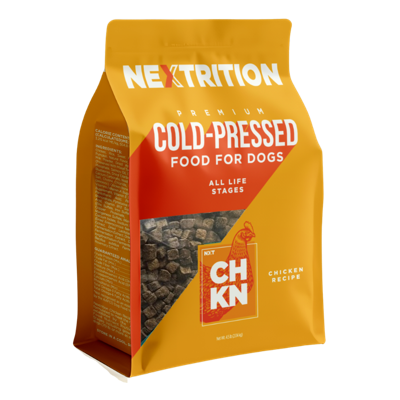
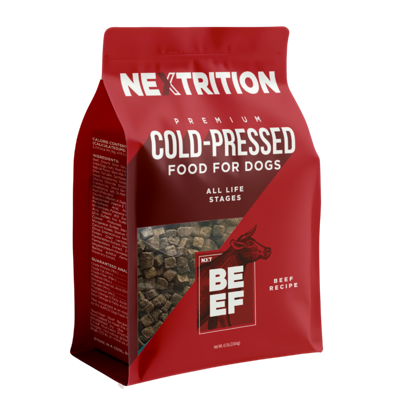
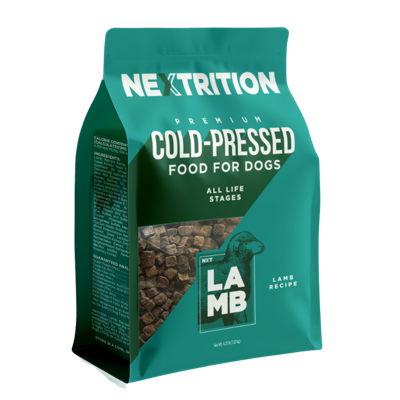
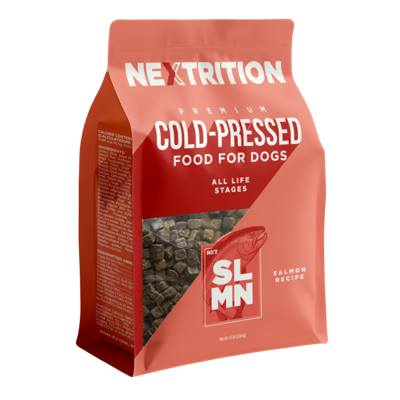
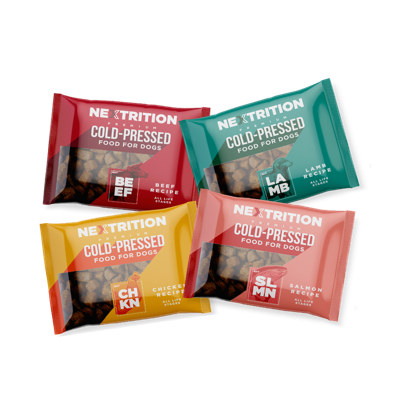
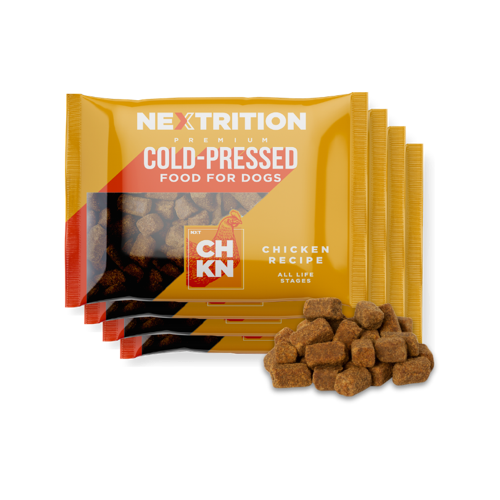
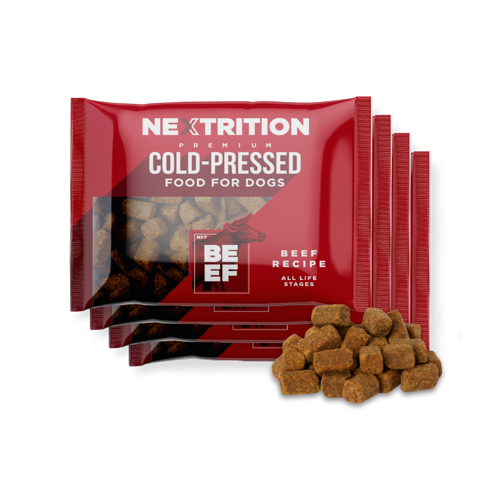
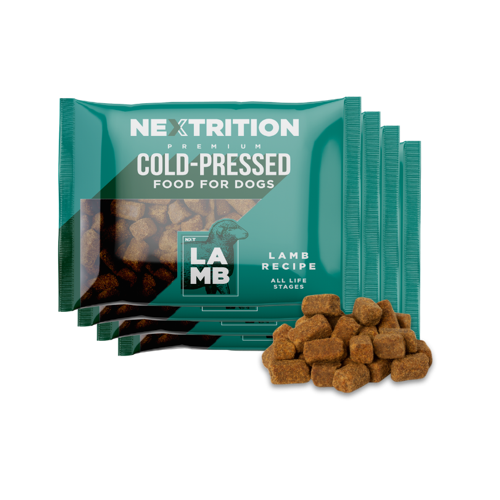
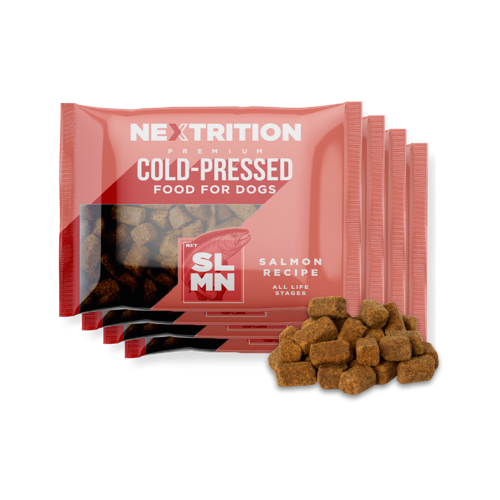
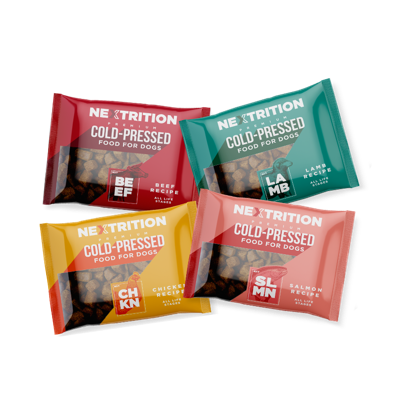
That's the thinking behind our own recipe philosophy. We focus on four protein-forward options, lamb, chicken, salmon, and beef, built with natural ingredients and Rocky Mountain waters. Not because variety looks good on a shelf, but because dogs aren't all the same and the formula should reflect that.
Sophisticated buyers should read the ingredient panel and ask how the food was made. Both matter. Together, they tell the truth.
Texture, Palatability, and What Your Dog Actually Experiences
Dogs don't eat ingredient panels. They eat the food in front of them, and the physical experience matters.
Extruded kibble is usually puffed and crisp because of the way it's cooked and dried. Cold-pressed food is denser and more compact. That changes how it feels in the mouth, how it behaves when moistened, and often how a dog seems after the meal.
Kibble is also frequently coated after production with fats and flavorings to improve taste and preserve freshness. That's a practical industry move. But it should also tell you something: texture and palatability in kibble are often engineered after the core product is already made.
Cold pressing has a different appeal. More of the original ingredient character may remain in the finished food, and natural oils are less likely to be heavily altered by the production process.
In a real household, we'd watch for a few things:
- enthusiasm at mealtime
- stool quality over several days
- visible comfort after eating
- coat appearance after a few weeks
A dog doesn't need to make a dramatic statement for a food to be working better. Sometimes the best sign is that meals become uneventful in a good way.

Is Cold Pressed Always Healthier Than Kibble?
No, not automatically. It's better to say cold pressed often has structural advantages that matter to owners who care about ingredient integrity, digestion, and nutrient retention.
Kibble still has real strengths. It's convenient, widely available, often more affordable, and safe when properly formulated. We don't pretend otherwise.
But if we're defining "healthier" in a meaningful way, not just by whether the food clears a baseline standard, then the conversation changes. Healthier should mean closer alignment between:
- ingredient quality
- nutrient retention
- digestibility
- whole-body wellbeing
That's a higher bar than simple adequacy.
If your dog is doing only fine on kibble, and you're trying to optimize rather than just maintain, cold-pressed food is often a smart upgrade to consider. Not because your current bag is a disaster. Because "not terrible" isn't the same as well supported.
Which Dogs May Benefit Most From Cold-Pressed Food
Not every dog shows a dramatic difference overnight. Some do. Most don't. What owners usually notice is a steadier shift in everyday markers.
Cold-pressed food tends to be especially relevant for dogs who fall into one or more of these groups:
- dogs with sensitive digestion
- dogs prone to inconsistent stools or meal discomfort
- dogs whose owners want more natural ingredient sourcing
- dogs needing support for skin and coat appearance
- dogs whose owners are thinking about long-term wellness and immune support
A practical improvement might look like smoother digestion, better stool consistency, more enthusiasm around meals, or a coat that starts to look healthier over time. Sometimes it shows up by the second week. Sometimes it takes longer. That's normal.
Most people reading this aren't looking for perfection. They're looking for a food that feels more aligned with how they actually want to care for their dog. That's a reasonable standard.
How to Compare Cold Pressed vs Kibble Without Getting Lost in Marketing
Shopping gets noisy fast. The easiest way through it is to ask better questions.
When comparing cold pressed dog food vs dry dog food, we'd use this framework:
- How is the food processed?
- Is the temperature range explained clearly?
- Is real meat clearly identified?
- Are fruits and vegetables included in a meaningful way?
- Are fillers, vague by-products, or artificial flavors doing too much of the work?
- Does the brand explain digestion and ingredient handling, or just make broad wellness claims?
You want the nutrition story to make sense from start to finish. Ingredients. Process. What the finished food is likely to do in the bowl and in the dog.
A few red flags are worth keeping in mind:
- polished ingredient language with no clarity on manufacturing
- heavy dependence on post-cook palatability coatings
- generic health promises with no explanation of why the food would function differently
Premium doesn't mean expensive packaging. It means the details hold up when you push on them.

How to Transition From Kibble to Cold-Pressed Food Thoughtfully
If you decide to make the switch, don't force it. A gradual transition over several days is the better move.
We'd usually suggest easing from the old food into the new one while watching a few simple markers:
- stool consistency
- appetite
- energy
- visible comfort after meals
- skin and coat changes over time
One practical note that gets overlooked: cold-pressed food is denser, so serving amounts may not match what you're used to with kibble. Watch body condition, not just the scoop.
Adjustment periods are normal, especially when you're changing both the ingredient profile and the processing style. That's not failure. That's just the dog adapting.
Premium feeding should be more personalized, not more complicated. There's a difference.
A Premium Option for Owners Ready to Move Beyond Standard Kibble
If you've worked through the comparison and decided you want the benefits we've covered, this is exactly where Nextrition fits.
Our food is cold pressed at up to 3x lower temperatures than traditional kibble, with real meat first, recipes built with fruits and vegetables, natural ingredients, and Rocky Mountain waters. We offer four recipes, lamb, chicken, salmon, and beef, so the food can fit the dog instead of forcing every dog into the same formula.
We also offer a personalized meal plan, which matters more than people think. A lot of owners aren't just changing products. They're trying to move away from generic feeding decisions and toward something that actually reflects their dog's needs.
And because convenience still matters, you can choose a one-time purchase or a subscription with delivery to your door. Premium shouldn't mean friction for its own sake.
Conclusion
In the cold pressed vs kibble debate, the healthier option is often the one that protects more of the original nutrition, supports easier digestion, and starts with genuinely better ingredients.
The bigger shift is this: stop judging dog food by category alone. Start judging it by how it's made, what it's made from, and how your individual dog responds.
If you're not sure where your current food stands, compare its ingredient panel and manufacturing method against a premium cold-pressed option. Then look at your dog. Digestion, vitality, skin, coat, daily comfort. That's where the real answer usually shows up.


