




If you're stuck on cold pressed vs freeze dried dog food, the usual advice is too neat. Both sound premium, but that tells you almost nothing about digestion, stool quality, or how your dog actually does after a week.
What matters in practice is processing, ingredient quality, and the feeding routine you can keep up with. We've seen owners fixate on labels and miss the part that hits first: the gut.
Watch these:
- How each format sits in the stomach
- When rehydration, richness, or crumbly texture becomes a problem
- Which option is easier to feed every day without second-guessing
Why This Comparison Feels So Confusing
If you're stuck on cold pressed vs freeze dried dog food, you're not confused because you missed something obvious. You're confused because both formats are marketed as premium, cleaner, and closer to “real food,” but those labels don't tell you which one is actually better for your dog.
That matters more than people admit. For a health-conscious owner, this isn't a casual purchase. You're trying to protect stool quality, digestion, energy, skin, coat, and long-term wellness. A food can look impressive on the bag and still be the wrong fit in the bowl.
So we think the better question is simpler: how are the ingredients handled, how much are they altered, and does the final food support digestion and whole-body health in a way you can sustain every day?
Trendy format names don't feed your dog. Ingredient handling does.
From our side, healthier food isn't about chasing the newest category. It's about real meat, thoughtfully included fruits and vegetables, lower-heat preparation where possible, and choosing a format that actually works for the dog in front of you.
What Cold Pressed Dog Food Actually Is
Cold-pressed dog food sits in a category many owners are looking for without realizing that's what they mean. They want something less processed than standard kibble, but still practical enough to feed every day.
Cold pressing works by blending ingredients and forming them at lower temperatures than traditional extruded kibble. That gentler approach is meant to preserve more of the natural nutrients, aroma, and ingredient integrity than high-heat processing.
A lot of people see the familiar shape and assume it's basically kibble. It isn't. The form may look familiar, but the processing is different, and that changes the result.
For dogs with touchy digestion, that difference often matters in real life:
- less aggressive heat exposure
- more intact ingredient character
- a format built for complete daily feeding
- a feeding routine that doesn't ask much from the owner
If your priority is minimally altered, everyday complete feeding with less heat exposure, cold-pressed is often the format you're actually looking for.
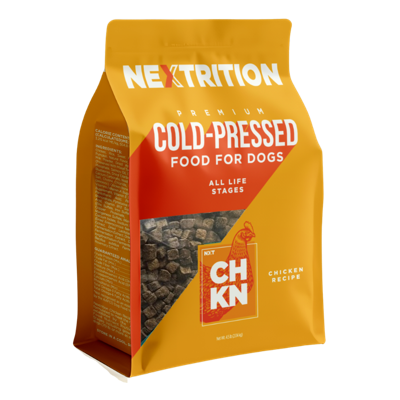
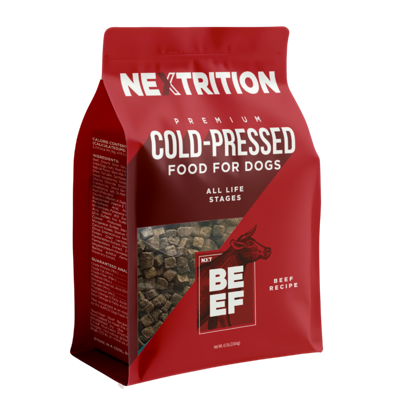
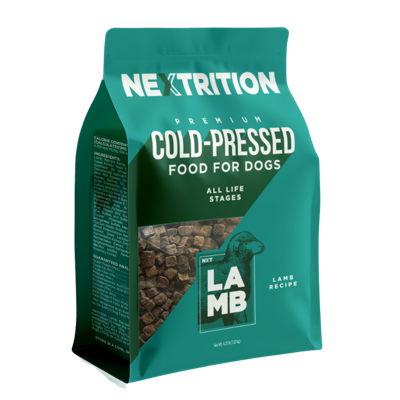
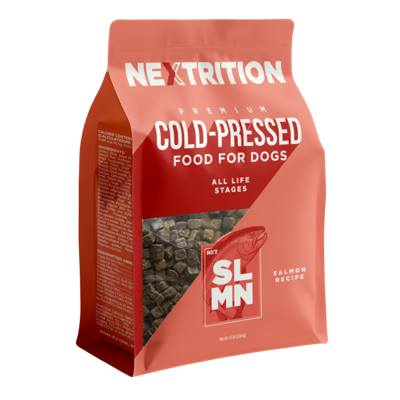
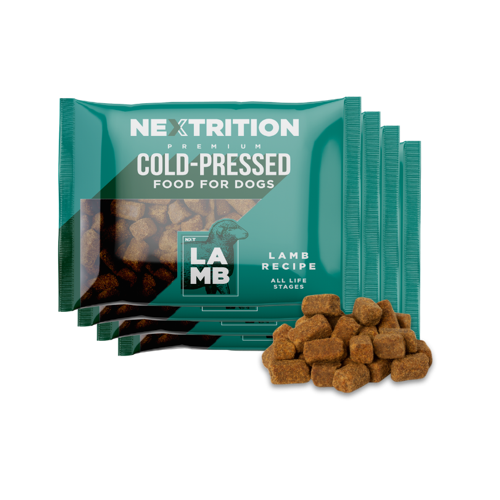
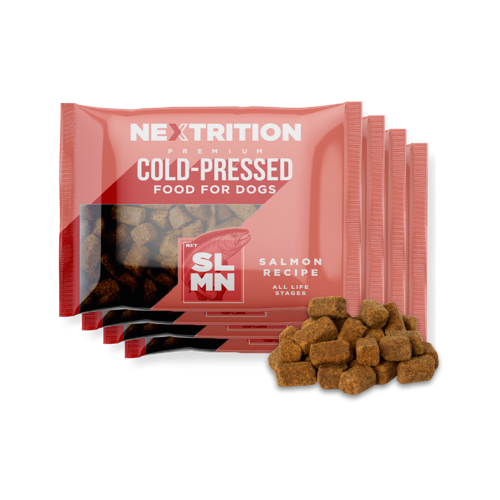
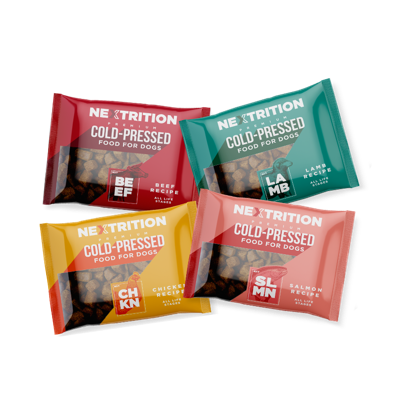
At Nextrition, our cold-pressed recipes are made at 3x lower temperatures and built around real meat, fruits, vegetables, and Rocky Mountain waters. That's not a packaging story for us. It's the point of the food.
What Freeze-Dried Dog Food Actually Is
Freeze-dried dog food is a different process entirely. The food is frozen first, then moisture is removed under vacuum through sublimation. In plain language, the ice turns into vapor and leaves the food without being conventionally cooked away.
That matters because freeze-drying removes nearly all moisture while largely preserving the food's original structure, flavor, and many nutrients. It's one reason freeze-dried food often smells stronger and gets a fast response from dogs at mealtime.
A few clarifications help here:
- freeze-dried food is typically made from raw ingredients
- it's minimally processed, but not the same as dehydrated food
- dehydrated food generally relies more on heat
- many freeze-dried foods are fed dry or rehydrated before serving
This is where buyers sometimes over-credit the format. Freeze-dried is technically impressive, yes. But “less processed” doesn't settle the health question by itself. You still need to know whether the recipe is complete, balanced, tolerated well, and realistic for your household.
Cold Pressed vs Freeze Dried Dog Food at a Glance
A quick side-by-side helps clear out a lot of noise.
| Factor | Cold Pressed | Freeze-Dried |
|---|---|---|
| Processing | Lower-temperature forming | Frozen, then moisture removed under vacuum |
| Texture | Compact and dense | Light, dry, often crumbly |
| Moisture | Low moisture, no routine rehydration needed | Extremely low moisture, often better rehydrated |
| Raw status | Gently processed, not raw | Commonly raw or raw-adjacent |
| Daily use | Straightforward complete meal format | Full diet, topper, or specialty use |
| Digestive angle | Often chosen for gentle everyday feeding | Often chosen for minimal processing and strong palatability |
| Safety handling | More familiar handling routine | Requires closer attention to raw-style safety |
| Cost | Premium | Usually more expensive |
The practical split is pretty clear. Cold-pressed tends to fit the owner who wants premium everyday feeding without turning meals into a project. Freeze-dried tends to attract owners who prioritize minimal processing and don't mind the added cost or handling friction.
Neither format is automatically healthier just because it sounds more advanced.

How Processing Changes Nutrition
This is where freeze dried vs cold pressed nutrition becomes a real conversation, not a marketing one. Nutrition isn't just about the ingredient list. It's also about what happens to those ingredients before they reach the bowl.
High heat can be hard on delicate nutrients. That's one reason health-conscious owners move away from standard extruded kibble. Cold pressing lowers that heat burden, which is exactly why the format appeals to people who care about preservation and digestibility.
Freeze-drying is valued for a similar reason, though through a different method. Because it doesn't rely on conventional cooking, it can preserve much of the ingredient's original form and nutrient profile.
But here's the nuance people skip: less heated does not automatically mean healthier in every situation.
A food still has to be:
- complete and balanced
- digestible for your dog
- practical enough to feed consistently
- made from quality ingredients in the first place
We've seen owners get locked onto process alone and ignore tolerance. That's backwards. The healthiest food is the one that preserves meaningful nutrition while still working in your dog's body and your actual routine.
Which Format Better Supports Digestion and Gut Health
For most of the owners we talk to, digestion is the real issue under the surface. Not just “is this premium,” but “will this settle my dog's stomach and help them feel better day to day?”
Gut health matters because about 70% of a dog's immune system resides in the gut. That's not a small side note. If digestion is off, you often see it elsewhere first through stool inconsistency, gas, appetite swings, coat dullness, or low-grade discomfort.
Cold-pressed food tends to be especially relevant here. Less aggressive processing and whole-food ingredients can be a better fit for dogs with sensitive digestion, inconsistent stools, bloating concerns, or meals that seem to sit heavily.
We look for simple signals:
- firmer, more consistent stools
- less tummy upset
- regular appetite
- reduced gassiness
- steadier energy through the day
Freeze-dried may work very well for some dogs, especially those who are highly food-motivated or do well on richer, minimally processed diets. But it isn't automatically the gentlest choice for every stomach. Some dogs thrive on it. Some do better with a complete cold-pressed recipe built for easier daily feeding.
Fruits and vegetables matter here too. They aren't decoration. Used properly, they contribute fiber and plant nutrients that can support digestive balance.

Safety and Pathogen Risk: The Part Many Premium Comparisons Gloss Over
This section deserves a plain answer. Freeze-dried dog food is typically a raw or raw-adjacent format, and freeze-drying does not eliminate all pathogens.
That doesn't mean every freeze-dried food is unsafe. It means the safety conversation is real, and it shouldn't be hidden behind premium branding.
This matters more in households with:
- children
- older adults
- immunocompromised family members
- dogs with special health concerns
Some freeze-dried products use additional safety steps, including high-pressure processing. Good. But you still have to review the individual product. Treating all freeze-dried food as equally safe is a mistake.
Cold-pressed food appeals to a different kind of buyer here. You still want minimal processing, but you don't want to take on the same raw-handling considerations. That's a reasonable position.
Ask yourself the less glamorous question: are you actually comfortable managing hygiene, storage, serving practices, and cross-contact the right way every day? If the honest answer is “probably not when life gets busy,” that tells you something important.
A food can sound premium and still ask for tradeoffs on convenience and safety.
Ingredients Matter More Than Marketing Language
Category labels can distract you from the part that actually decides quality. What's in the food matters more than what the front of the bag calls it.
Start with real meat. Then look at the supporting ingredients. Thoughtfully used fruits and vegetables tell you more than trendy claims do.
When we assess a food, we want to know:
- is there real meat at the center of the recipe?
- are whole-food ingredients included for a reason?
- is it clearly intended as a complete and balanced diet?
- is the formulation transparent enough to trust?
This is where buyers get tripped up with freeze-dried products in particular. Some are full diets. Some are toppers. Some are best used occasionally. If you don't read carefully, you can pay premium prices for something that was never meant to carry the full nutritional load.
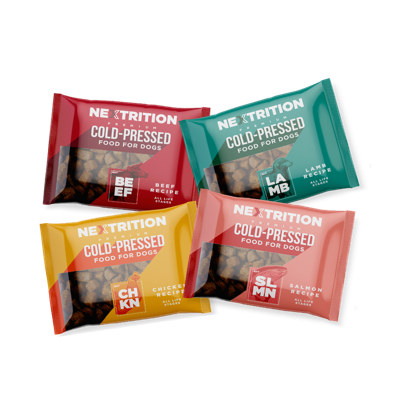
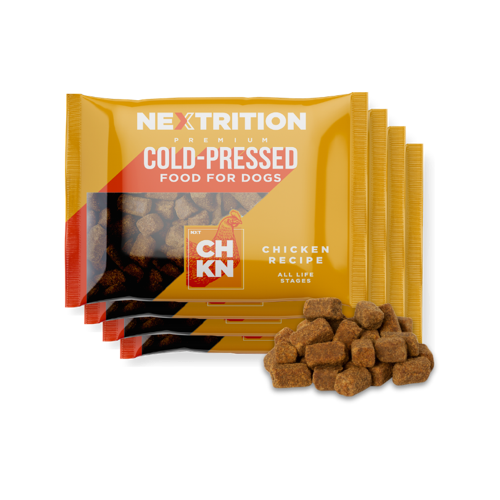
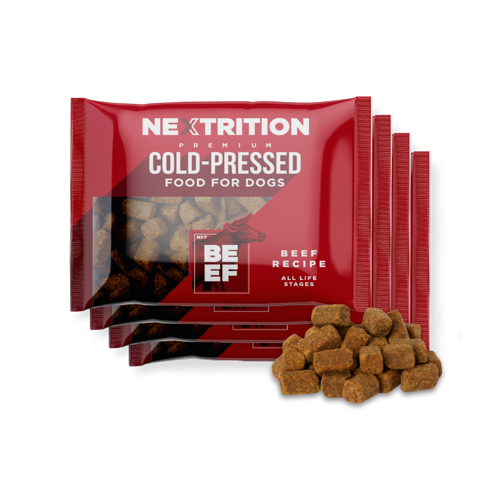
Our approach is straightforward. We build around real meat paired with fruits and vegetables in four recipes: lamb, chicken, salmon, and beef. Not because those ingredients sound nice on a site, but because formulation intent matters. Good food should make sense before it starts making claims.
Everyday Practicality: Feeding Experience, Storage, and Routine
A food only works if you keep feeding it. That's where a lot of premium comparisons get strangely unrealistic.
Cold-pressed food tends to be easier in daily life. Portioning is simple. Storage is familiar. Feeding looks more like a normal routine and less like a special protocol. For many households, that matters by the second busy weekday.
Freeze-dried food can be workable, but it often comes with more friction. Some products are fed dry, some are better rehydrated, and rehydration can take several minutes. That's not dramatic, but small inconveniences are often what break consistency.
The feeding experience feels different too:
- freeze-dried is lightweight and concentrated
- cold-pressed often feels more straightforward to scoop and serve
- freeze-dried can be great for targeted use, but less convenient as a daily default
- cold-pressed usually asks less of the owner over time
We pay attention to compliance because it decides outcomes. The most premium food in theory is not useful if the routine becomes annoying, expensive, or easy to skip.
That's also why some owners value a personalized meal plan and flexible one-time or subscription delivery. Once the routine is already set up, consistency gets easier.
Cost, Value, and What You Are Really Paying For
Both formats are premium. Freeze-dried is usually more expensive because freeze-drying is a costly process. That part is fair.
But higher cost doesn't automatically mean higher value for your dog.
Many owners end up using freeze-dried as a topper because feeding it as a full diet can get expensive fast. That can be a smart use case. It can also be a sign that the format isn't sustainable as the main meal.
A better way to think about value is cost per useful day of feeding. Are you paying for something your dog digests well, eats consistently, and visibly does well on? Or are you paying for technical sophistication that doesn't translate into better daily outcomes?
The outcomes we care about are concrete:
- digestibility
- ingredient quality
- ease of feeding
- coat condition
- stool quality
- confidence in long-term use
The best value is often the food your dog thrives on consistently, not the one with the most premium-sounding process.
Which Dogs May Do Better on Cold Pressed Food
Cold-pressed tends to make the most sense for a specific kind of dog and owner. Not every case, but a lot of them.
It may be a better fit for:
- dogs with sensitive stomachs
- owners focused on digestive support and gentle daily feeding
- households that want minimal processing without entering a raw-style category
- dogs who do better on real meat plus fruits and vegetables rather than filler-heavy formulas
- owners who want a practical premium routine they can maintain
This is also where personalization matters. Portioning by guesswork is still guesswork, even if the food is premium. A personalized meal plan helps match recipe and feeding quantity to the dog you actually have, not the average dog on a chart.
For a lot of health-conscious owners, cold-pressed hits the middle ground they were hoping existed all along.
Which Dogs May Do Better on Freeze-Dried Food
Freeze-dried can be an excellent fit too, just not for every dog or every home.
It often suits:
- dogs who are highly motivated by aroma and texture
- owners specifically seeking a minimally processed raw-style format
- dogs using freeze-dried as a topper to boost palatability
- dogs that tolerate rich, concentrated food well
- owners comfortable with the higher cost and handling expectations
We'd be careful about one assumption here. Freeze-dried is not universally superior just because it sounds more advanced. For some dogs, it creates enthusiasm at mealtime and works beautifully. For others, it's too rich, too expensive to sustain, or not worth the handling tradeoff.
Sometimes the right food is the one your dog eats eagerly. Sometimes it's the one that leaves the least mess behind, internally and externally.
How to Choose Between Cold Pressed and Freeze-Dried for Your Dog
If you want a clean decision framework, use this:
- Start with your dog's needs. Look at digestion, stool quality, skin, coat, energy, and any food sensitivity pattern.
- Check the processing style. Ask how much heat or alteration the ingredients undergo.
- Review ingredient quality and recipe completeness. Ignore flashy language.
- Consider your household's comfort with raw-style handling and safety.
- Look at your budget and your routine honestly.
- Choose the option you can feed consistently, then judge it by your dog's response.
Then transition gradually. Give the food a fair runway. Watch stool, appetite, coat, and energy over time.
Your dog is the report card.
That last part gets overlooked. Owners often want certainty before feeding. In reality, you choose well, transition carefully, and let the dog's response confirm or challenge the decision.

Mistakes to Avoid When Comparing Premium Dog Foods
A few mistakes keep showing up, even among very informed buyers.
- assuming the most expensive option must be the healthiest
- treating minimally processed as automatically complete and balanced
- assuming all freeze-dried products are equally safe
- assuming all cold-pressed foods are basically the same
- focusing on category labels instead of ingredient quality and digestibility
- choosing based on trend or packaging instead of real-world response
- switching too quickly and judging too early
- ignoring whether the routine actually fits your life
This is one of those categories where good intentions can still lead to bad decisions. A smart feeding plan has to survive ordinary life, not just your ideal version of it.
The Bottom Line on Cold Pressed vs Freeze Dried Dog Food
Here's the direct answer. Freeze-dried can be an excellent minimally processed option, especially if you're committed to raw-style feeding and comfortable with the cost and handling tradeoffs.
But for many health-conscious owners, cold-pressed often stands out as the better everyday choice.
Why? Because it gives you premium nutrition, gentler processing, digestive support, and a more practical routine in one format. It doesn't ask you to choose between caring deeply about ingredients and being realistic about daily life.
That's the real shift in this whole cold pressed vs freeze dried dog food conversation. The healthiest choice is not the most fashionable format. It's the one made from real ingredients, handled with care, and matched to your dog's needs.
If gut health is a priority, lower-temperature preparation deserves your attention. When so much of the immune system lives in the gut, digestion isn't a side issue. It's central.
If you want a simpler premium option, it's worth evaluating your current food through that lens and exploring a personalized cold-pressed plan built around your dog's age, size, and needs.
Conclusion
Cold pressed vs freeze dried dog food isn't really a fight between premium labels. It's a decision about processing, digestibility, safety, ingredient quality, and fit.
For many health-conscious owners, cold-pressed offers the strongest balance of nutrient preservation, gut support, practicality, and confidence for everyday feeding. Freeze-dried still has a place, especially for dogs and households that are well suited to it. But it isn't automatically the healthier choice just because it sounds more advanced.
Feed the format that lets you serve real, thoughtfully prepared food consistently. Then watch your dog. Digestion, coat, energy, and overall comfort will usually tell you whether you got it right.


