




A daily diet for dogs gets messy when you chase toppers, switch food too fast, or ignore the yard. You can buy a nice bag and still get gas, itchy skin, or loose stools.
What matters is the bowl you feed daily, how well your dog handles it, and the stuff you don't pile on top. That is where gut health gets built.
A few things to pin down.
- The stool, skin, and appetite patterns that say the bowl is off
- The label details that matter more than gut health claims
- How to switch foods without setting digestion back

Why the Daily Bowl Matters so Much for Gut Health
Gut health gets talked about like it's a side issue. It isn't. Your dog's digestive tract is where food gets broken down, yes, but it's also tied closely to immune function, with roughly 70 to 80 percent of immune health connected to the gut and the microbiome.
The microbiome is simply the living community of microbes in the digestive tract. Some are beneficial. Some are opportunistic. The goal isn't sterility. It's balance.
Healthy dogs carry hundreds of different microbial species through different life stages, and that diversity tends to be a sign of resilience. A more stable gut environment usually shows up in ways owners can actually see:
- better stool quality
- steadier appetite
- more comfortable digestion
- improved nutrient absorption
- healthier skin and coat
- fewer immune-related flare-ups
This is why the daily diet for dogs matters so much. You're not just feeding calories. You're shaping the internal environment every single day.
A lot of owners get stuck in reaction mode. Loose stool appears, so they add something. Itching shows up, so they remove something. The better approach is usually less dramatic and more consistent. Build a bowl that supports the system before symptoms start shouting.
The bowl you feed every day matters more than the product you reach for in a panic.
What Gut Imbalance Often Looks Like at Home
Most gut issues don't begin as a crisis. They begin as a pattern.
You might notice loose stools one week, constipation the next, or a dog who seems fine until the evening when the gas starts. Bad breath, bloating, reduced appetite, low energy, and inconsistent digestion are common early signs. None of them are subtle when you're the one cleaning up after them.
Some clues don't look digestive at first. Itching, ear irritation, dull coat, and food sensitivities can still trace back to what's happening in the gut. That's where people get frustrated. They feel like they're always troubleshooting but never getting a clean answer.
A few signs worth watching together, not in isolation:
- frequent stool changes
- excess gas after meals
- licking paws or scratching more than usual
- ear flare-ups that seem to come and go
- less interest in food, then sudden hunger
- coat that feels dry or looks flat
Not every symptom is caused by food. That's important. Parasites, stress, infections, and other health issues can be part of the picture. But diet is one of the few daily levers you actually control, and it often has the most consistent impact over time.
Experienced owners learn this the hard way. The problem is rarely one bad day. It's the same small issue repeating until it becomes the dog's normal.
What a Gut-Supportive Daily Diet for Dogs Actually Includes
A gut-supportive plan isn't a pile of random extras. It's complete daily nutrition that makes sense before toppers, powders, or trends ever enter the picture.
We look first at the foundation. A real meat first dog food approach matters because protein quality should lead the recipe, not sit behind heavy starches or filler-based structure. Dogs do better when the core of the bowl is built around relevant nutrition, not just what makes a bag cheap and shelf-stable.
Nutrient dense dog food also makes a practical difference. When each serving delivers meaningful nutrition, your dog gets more out of the bowl without needing excess volume. That matters for digestive efficiency. More food isn't always better food.
Then there's whole-food support. Fruits and vegetables can provide fiber, antioxidants, and naturally occurring nutrients that help nourish beneficial gut bacteria. That doesn't mean every colorful ingredient is useful. It means the recipe should be built with purpose.
A strong gut health dog food usually has a few things in common:
- clear, recognizable ingredients
- digestible protein at the center
- fiber from whole-food sources
- balanced complete nutrition, not patchwork additions
- consistency from bag to bag and bowl to bowl
Simple is underrated here. When the ingredient philosophy is cleaner, owners can understand what they're feeding and why it's there. That makes decisions easier, especially when your dog has a sensitive system.
Why Processing Can Change What Your Dog Gets From Food
Ingredients matter. Processing matters too. Sometimes just as much.
The way dog food is made affects nutrient exposure, digestibility, and how much the final food still resembles the original ingredients. High heat and high pressure can be efficient manufacturing tools, but they also come with tradeoffs. Some heat-sensitive nutrients and enzymes don't come through that process the same way.
Research has pointed to meaningful microbiome differences when dogs eat fresher or less traditionally processed diets compared with conventional extruded kibble. Digestibility can shift too. That's not a cosmetic difference. That's biology.
One of the more useful insights here is that fresh food feeding has been linked with greater microbial diversity than dry food in dogs. Format can influence more than preference or texture. It can change what happens in the gut.
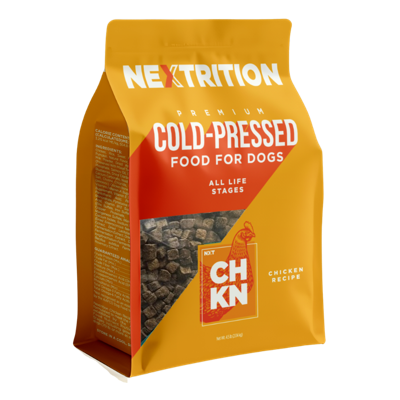
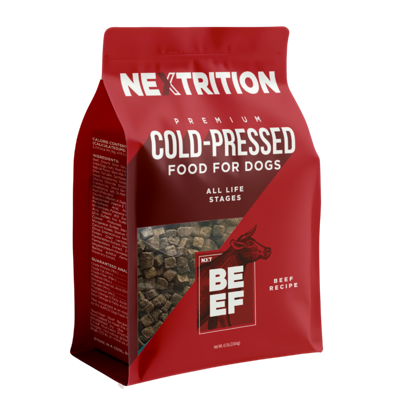
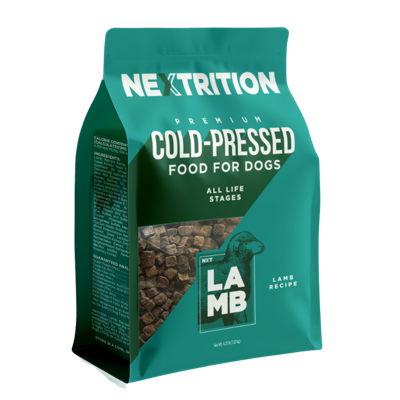
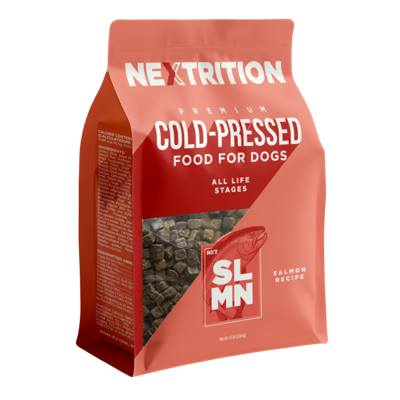
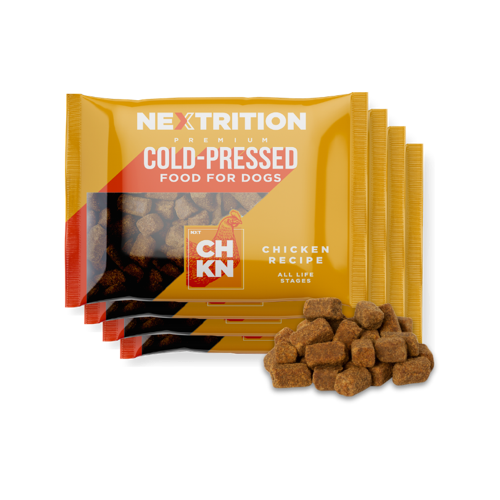
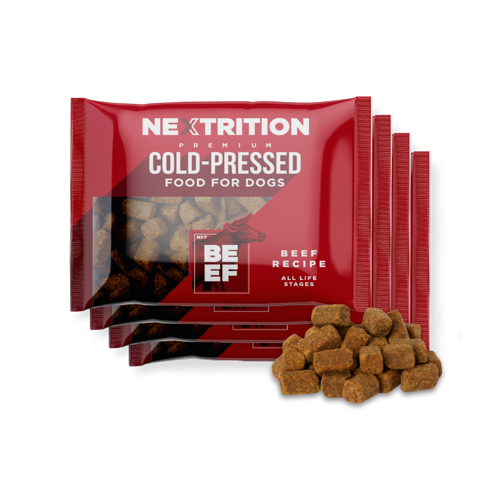
This is one reason we use a cold-pressed approach at Nextrition. Our food is made at 3x lower temperatures to help preserve nutrients while supporting a daily gut health routine. We see processing as part of formulation, not a manufacturing footnote.
A bag can list good ingredients and still lose too much in the way it's made. That's where owners often get misled.
The Best Ingredients to Look for in a Gut Health Dog Food
A good label shouldn't just sound clean. It should tell you what the food will actually do in the body.
Animal protein belongs at the center. Real meat provides the kind of nutrition dogs use directly for muscle maintenance, repair, and satiety. When a recipe starts there, you're usually looking at a more relevant foundation than one built mostly from processed bulk ingredients.
Fruits and vegetables earn their place when they support digestion and nutrient intake, not when they're added as decoration. Fiber from plant ingredients helps feed beneficial microbes and supports more regular stools. That's useful. A long label full of impressive-sounding fragments usually isn't.
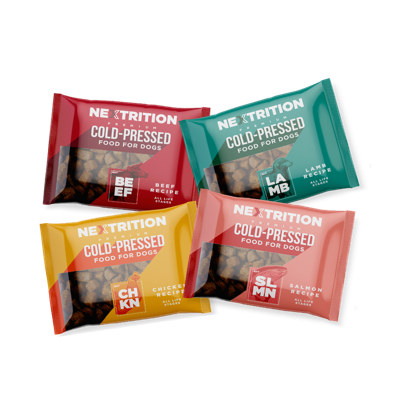
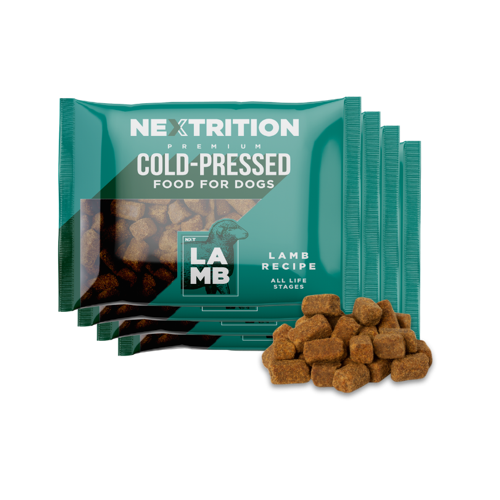
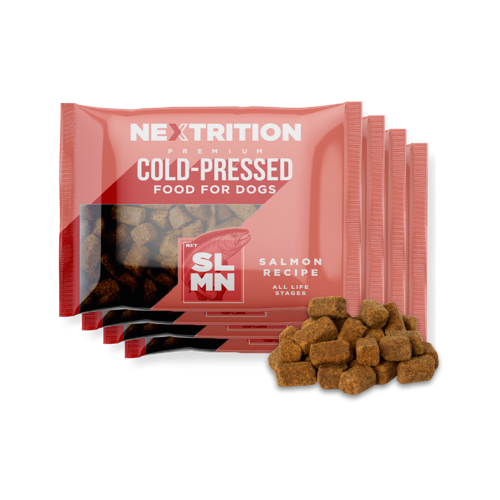
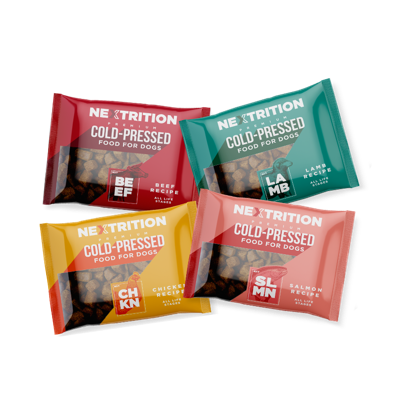
We formulate around this ingredient-led view with recipes featuring lamb, chicken, salmon, and beef, paired with natural ingredients and Rocky Mountain waters. Not because it sounds premium, but because sourcing and input quality matter to people who want a more natural feeding philosophy.
Use this checklist when you're comparing foods:
- real meat near the top of the ingredient list
- visible whole-food inclusions like fruits and vegetables
- a clear processing method
- no vague mystery ingredients doing the heavy lifting
- a recipe your dog digests consistently
The last point matters most. Premium dog food ingredients are only premium if your dog can use them well.

Whole-Body Benefits of Feeding for the Gut First
When digestion improves, the benefits rarely stay in the digestive tract.
You tend to see better stools first. Then better comfort around meals. Then steadier energy. In many dogs, food-related flare-ups become less frequent simply because the system is dealing with less friction every day.
A healthier microbiome can also influence skin and coat. Owners dealing with recurring itchiness or a dull coat often focus only on external symptoms. Fair enough. But the skin often reflects what the gut is struggling to handle.
There are practical downstream effects too:
- nutrients get absorbed and used more efficiently
- the gut barrier is better positioned to do its job
- the body can respond more effectively to everyday exposures
- meal times become more predictable and less stressful
This is why feeding for the gut first isn't a narrow digestive fix. It's a daily wellness strategy. The dog that digests well usually does a lot of other things better too.
Building the Right Daily Diet for Dogs Based on the Individual Dog
Generic feeding advice breaks down fast once you look at the dog in front of you.
A young active dog, an older dog with slower digestion, and a dog with recurring skin issues may all need a different approach even if they live in the same house. The best daily diet for dogs depends on real variables, not broad categories.
What to weigh before you choose a recipe
- age and life stage
- activity level
- stool quality and digestive sensitivity
- skin and coat concerns
- protein preferences or known tolerances
- weight management needs
Don't judge a food after one meal. Or even one day. Watch patterns over a few weeks. Stool quality, appetite rhythm, scratching, coat feel, and energy tell you more than label language ever will.
Personalization doesn't have to become a project. Sometimes it just means picking the right protein and getting portions right. That's why a personalized meal plan can be useful. It removes some of the guesswork without turning feeding into homework.
Feeding Habits That Help or Hurt the Microbiome Every Day
Even a solid food can get undermined by messy feeding habits.
The microbiome responds to patterns. Consistent mealtimes, measured portions, fresh water, limited disruption, and intentional treats all help create stability. Owners often underestimate this because the habits seem too simple to matter. They matter a lot.
Common ways people quietly work against gut health:
- abrupt food changes
- constant treat rotation
- rich table scraps
- overfeeding
- adding a new topper every time stool softens
We've seen this often. Someone buys a good base food, then layers on five extras by the second afternoon because they want faster results. The gut doesn't need a chemistry experiment. It needs less chaos.
Consistency is one of the most underrated forms of digestive support.
Smart Add-Ons and Extras That Can Support the Bowl
Extras can help. They just shouldn't be doing the main job.
The base diet should carry most of the nutritional load. After that, some dogs may tolerate small whole-food additions like certain vegetables or small amounts of fermented foods, assuming your veterinarian agrees and your dog handles them well.
The mistake is thinking more support always means better support. It doesn't. Even beneficial additions can upset digestion if they come in too quickly or without a clear reason.
Keep the order straight:
- fix the core food first
- stabilize the routine
- add extras only if they serve a purpose
Toppers shouldn't be used to rescue a poor-quality base food. If the bowl needs constant correction, the bowl is the problem.
How to Transition to a New Diet Without Creating More Digestive Stress
A better food can still cause digestive upset if the switch is too abrupt. That catches people off guard.
Take the transition gradually, mixing the current food with the new one over time while watching how your dog responds. During that window, keep other variables stable. Don't introduce new treats or supplements at the same time if you can avoid it. Otherwise you won't know what's helping and what's not.
Track a few simple markers:
- stool consistency
- gas
- scratching
- enthusiasm at meals
- coat feel
You're not looking for perfection overnight. You're looking for a calmer, steadier trend. A stable dog is usually easier to read than a rapidly changing plan.
How to Evaluate Whether a Food Is Truly Working
Marketing can make almost any food sound impressive. Your dog gives you the better report.
A daily diet for dogs is likely supporting gut health when you see more consistent stools, less gas and bloating, a better appetite rhythm, improved energy, healthier-looking skin and coat, and fewer food-related digestive episodes.
Assess that response over weeks, not just days, especially if gut balance has been off for a while. Some changes show up quickly. Others don't. Coat quality and skin comfort usually lag behind stool improvements, and that lag matters when you're deciding whether to stay the course.
Compare how your dog looks, feels, and functions. That's the standard. Not the front of the bag. Not the trend claim. Digestibility and daily tolerance count just as much as branding.
Choosing a Nutrient Dense Dog Food Without Falling for Buzzwords
Buzzwords are cheap. Digestive results aren't.
Nutrient dense dog food should mean meaningful nutrition per serving, digestible ingredients, a formula centered on animal protein, whole-food support from fruits and vegetables, and processing that respects ingredient integrity. If a food can't clear those basics, the rest is noise.
Real meat first dog food is a more useful standard than trend-driven claims that sound modern but tell you very little. You need practical criteria you can actually compare.
Look at:
- ingredient transparency
- processing method
- recipe simplicity
- digestive response
- whether you can maintain the routine long term
That last point gets ignored. Some owners prefer one-time orders. Others do better with subscription delivery because consistency is easier when food shows up regularly and portion planning is already handled. Convenience isn't separate from gut health if it helps you feed well every day.
When Digestive Symptoms Need Veterinary Attention
Food is powerful. It is not medical care.
If symptoms are severe, persistent, or paired with vomiting, significant lethargy, blood in the stool, unexplained weight loss, or refusal to eat, get veterinary guidance promptly. Chronic digestive issues can involve parasites, infections, intolerances, or underlying disease that need proper diagnosis.
Diet belongs in a smart care plan. It does not replace clinical evaluation when the signs point to something bigger.
Conclusion
Gut health gets much less confusing when you bring it back to the daily bowl. Ingredient quality, digestibility, processing, and feeding consistency do more for most dogs than a shelf full of add-ons ever will.
A simpler, less heavily processed, real-food approach can support digestion, immune resilience, skin, coat, and long-term vitality in a practical way. That's why we believe a thoughtful daily diet for dogs should be built around real meat, whole-food support, and a routine you can actually maintain.
Start with one clear step. Review your dog's current food, the feeding routine around it, and the ingredient quality behind it. Then improve the part that's creating the most friction. A calmer gut usually starts there.


