




When you move a dog from one food to another, you're changing ingredients, fat levels, fiber, moisture, texture, and often calorie density all at once. That affects stool, appetite, comfort, and sometimes behavior around meals more than people expect. We see this all the time. Owners think the new food is the problem, when the real issue is that the change happened too fast.
A dog's digestive system usually does better when it gets time to adapt. The gut microbes need that time too. If the old food was a standard kibble and the new food has a different protein profile or a more nutrient-dense formula, the body has some catching up to do.
That's why a rushed switch often leads to:
- soft stool or diarrhea
- gas and stomach gurgling
- bloating
- vomiting
- reduced appetite
For health-conscious owners, the goal isn't just replacing one bag with another. It's changing dog food without upset stomach while supporting the gut, where a large share of immune function lives. That matters more than getting to 100 percent new food by a certain date.
Transition is not a red flag. It's part of the process.
If your dog needs a slower pace, that doesn't mean the new food is wrong. It means your dog is being honest with you. That's useful.
What a Dog Food Transition Schedule Actually Means
A dog food transition schedule is a step-by-step plan. You gradually increase the new food while decreasing the old food over several days.
Simple idea, big payoff.
The point of a dog food transition schedule is to reduce digestive stress and make the change easier on your dog's system. It also helps you tell the difference between normal adjustment and a real issue. If you dump a full bowl of new food on day one and your dog gets loose stool, you've learned almost nothing except that the change was abrupt.
A measured schedule is usually the safest default unless your veterinarian tells you otherwise. That's especially true when switching dog food gradually from conventional kibble to a more thoughtful option with different ingredients, a different texture, or a different calorie profile.
A good schedule also prevents two common mistakes people miss:
- Overfeeding by volume - One cup of the old food may not equal one cup of the new food in calories.
- Misreading symptoms - If you move too quickly, mild transition signs can look worse than they really are.
We'd rather have a boring, steady week than a dramatic first two days.
How Long Does It Take a Dog to Adjust to New Food?
For many healthy dogs, the answer is about 7 to 10 days. But that's a starting point, not a promise.
Some dogs adjust almost immediately. Others need 10 to 14 days. And dogs with sensitive digestion, a history of stomach issues, or years on the same food may need 4 to 6 weeks to fully settle in. That sounds slow until you've had to restart twice. Then slow starts to look efficient.
Several things affect how long it takes a dog to adjust to new food:
- digestive sensitivity
- prior stomach upset
- age and life stage
- how different the new food is from the old one
- changes in fat, fiber, or protein profile
An older dog who's eaten the same dry kibble for years may need a gentler runway than a young adult with a sturdy stomach. A dog moving to a richer recipe may also need more time, even if the ingredients are excellent.
Watch your dog, not the calendar.
If stool stays formed, energy is normal, and appetite is steady, you're probably on track. If day seven arrives and your dog is telling you the pace is too fast, don't push through just because the chart says so. Dog adjusting to new food is individual. The body sets the timeline.
Before You Start the Switch
A smoother transition usually starts before the first mixed bowl.
Pick a quiet week. Don't start during travel, boarding, a move, guests in the house, or any stretch where your dog's routine is already off. Stress and food change stacked together can muddy the picture fast.
Before you begin, set yourself up properly:
- make sure you have enough of both foods to finish the switch
- check feeding guidelines on each food
- write down current meal amounts per meal and per day
- keep treats, toppers, and scraps consistent
- decide whether your dog needs a standard or slower starting pace
One of the easiest mistakes here is using the same scoop size for both foods and assuming it balances out. It often doesn't. When moving from a conventional kibble to a premium cold-pressed food, calories per cup can change. So can how filling the food feels.
If your dog is older, very active, underweight, prone to loose stool, or just a little finicky, don't guess at portions. This is where a personalized meal plan helps. We built ours for exactly this reason. It takes some of the noise out of recipe choice and feeding amount so you're not trying to solve digestion and portioning at the same time.
The Standard 7-Day Dog Food Transition Schedule
For many healthy adult dogs, this is the most practical schedule. It's steady, easy to follow, and usually slow enough to avoid unnecessary drama.
- Days 1 to 2: 75% old food, 25% new food
- Days 3 to 4: 50% old food, 50% new food
- Days 5 to 6: 25% old food, 75% new food
- Day 7 onward: 100% new food
This structure works because it gives the digestive tract time to adapt while still moving forward. You're not dragging it out for weeks, but you're not forcing a full swap overnight either.
Mix the foods thoroughly. Really mix them. Some dogs will sort through the bowl and eat around the part you want them to get used to. Then owners think they followed the schedule when the dog was quietly editing it.
A little temporary stool softening can happen during a normal transition. That alone isn't a reason to panic. But it shouldn't keep escalating. If your dog is doing well, this 7-day dog food transition schedule is often enough. If not, slow down. Pushing through usually creates more mess, not more progress.

A Slower Transition Schedule for Sensitive Dogs
Some dogs need a longer runway. That's normal.
If your dog has a history of GI issues, is older, is picky, or has eaten the same kibble for years, use a slower transition from the start. It's often the fastest way to finish without backtracking.
A good 10 to 14 day approach looks like this:
- Days 1 to 3: about 80% old, 20% new
- Days 4 to 6: about 60% old, 40% new
- Days 7 to 9: about 40% old, 60% new
- Days 10 to 12: about 20% old, 80% new
- Days 13 to 14: 100% new food
Some especially sensitive dogs may need even longer, sometimes several weeks. That's not being overcautious. It's how you avoid the stop-start cycle that frustrates everyone and makes the dog feel worse.
Here's the part people miss: changing dog food without upset stomach often depends more on pace than on perfection. You do not need a magical ratio. You need a calm, consistent progression your dog can tolerate.
Slow is not failure. Slow is often the cleanest route.
How to Switch From Kibble to a More Digestive-Friendly Food
Most owners making this change aren't doing it for novelty. They're doing it because the old bowl doesn't feel good enough anymore.
You may want better ingredient quality, gentler digestion, improved stool quality, or nutrition that feels more intentional. That's a reasonable shift. And moving from conventional kibble to a more digestive-friendly food can be meaningful when the new formula is built around real meat, fruits, and vegetables rather than heavily processed filler-driven formulas.
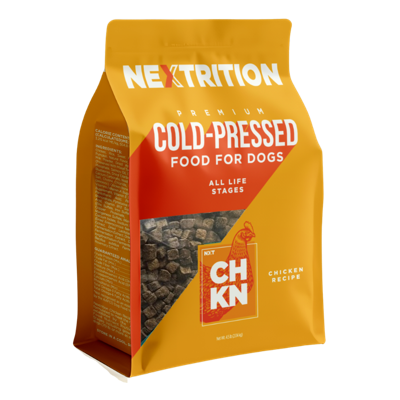
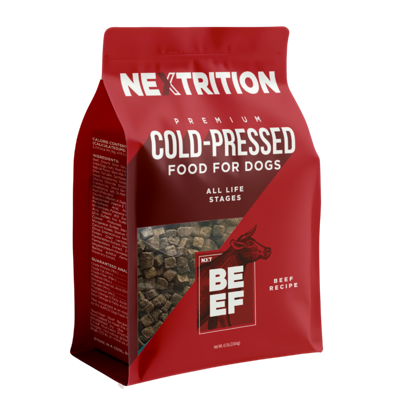
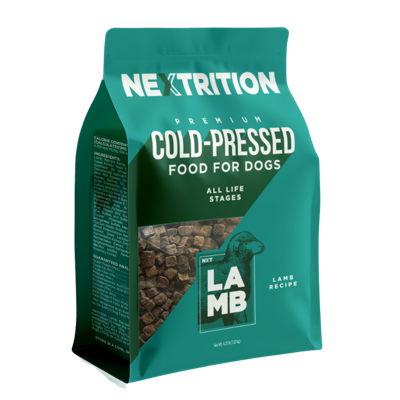
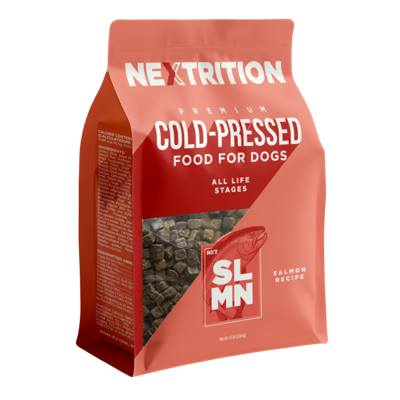
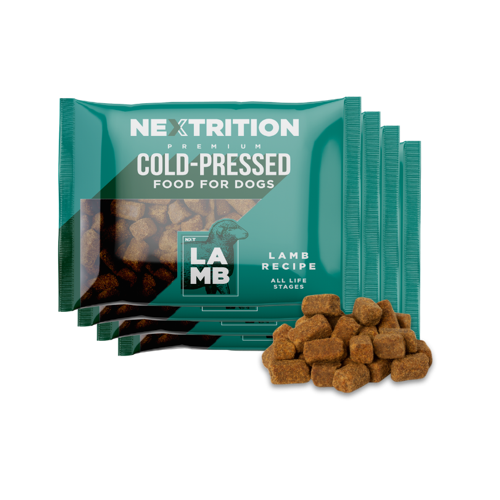
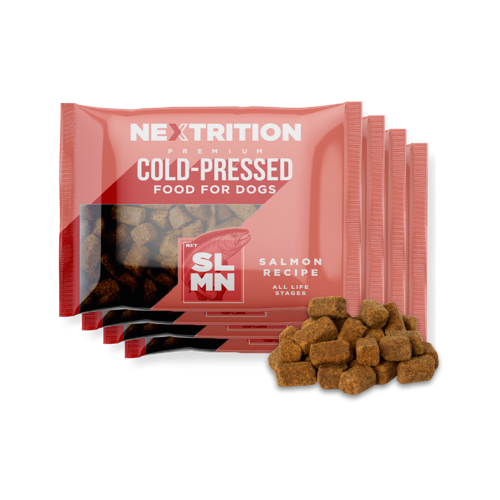
Cold-pressed food is part of that conversation for a reason. Food made at lower temperatures is chosen by many owners because they want a less aggressively processed option that aims to preserve more nutritional value. We take that approach with our recipes. Nextrition cold-pressed food is made at 3x lower temperatures and includes real meat, fruits, vegetables, and Rocky Mountain waters.
The gut-health lens matters here. The digestive tract doesn't just handle meals. It supports a large share of immune function too. So a food switch should respect that system, not bulldoze it.
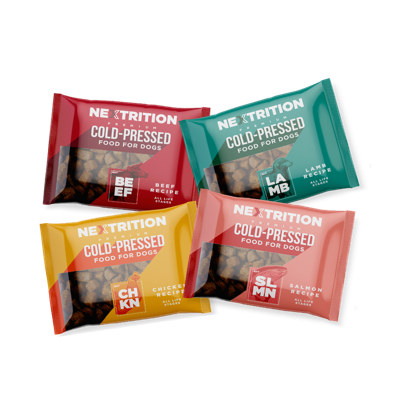
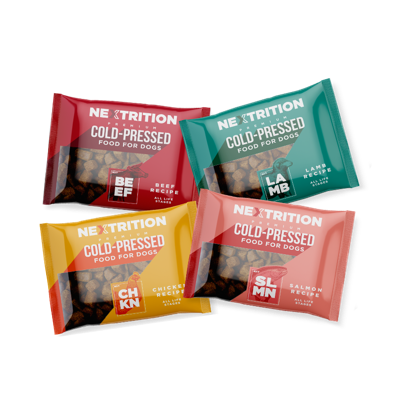
Recipe choice matters as well. Some dogs do better with one protein than another, or simply prefer one more. That's why we offer lamb, chicken, salmon, and beef. Not for novelty. For fit.
What to Watch for When Your Dog Is Adjusting to New Food
During the switch, stool tells the truth faster than marketing ever will.
You want to know the difference between normal adjustment and signs that the pace or food isn't working. A dog adjusting to new food may show small changes. That's not unusual. The pattern matters more than one imperfect bowel movement.
Signs your dog is adjusting well:
- stool stays formed, or is only slightly softer briefly
- normal energy
- normal appetite
- no repeated vomiting
- no obvious discomfort
Mild signs that usually mean slow down, not stop:
- soft stool
- mild stomach gurgling
- a small increase in gas
More concerning signs include:
- repeated vomiting
- liquid diarrhea
- constipation
- painful bloating
- unusual lethargy
- refusing food beyond a day
Track stool quality daily if you can. Nothing complicated. Just note whether it's firm, soft, loose, or urgent. By the second or third day at a new ratio, the pattern usually starts to show itself. That's a more useful signal than whether your dog looked excited at breakfast.

What to Do if the Transition Causes Digestive Upset
If symptoms are mild and your dog otherwise seems normal, don't overreact. Adjust the pace first.
Usually, the right move is to stay at the most recent ratio that didn't cause issues for another day or two before increasing the new food again. If loose stool starts at the 50-50 stage, go back to the earlier ratio or hold there longer until things settle.
That solves more cases than people think.
The fix is often a slower transition, not abandoning the food immediately. But there is a line. If symptoms are more serious, contact your veterinarian instead of experimenting at home.
Call your vet if you see:
- continued vomiting
- watery diarrhea
- signs of pain
- marked lethargy
- refusal to eat for more than 24 to 48 hours
Also keep in mind that sometimes the issue isn't just the speed of change. It may be the new fat level, fiber level, or a specific ingredient your dog isn't tolerating well. That's why a structured switch is so helpful. It lets you separate normal adjustment from a genuine mismatch.
Common Mistakes That Make Food Switches Harder
Most rough transitions aren't bad luck. They're self-inflicted.
A few patterns show up again and again:
- changing too much too fast because the dog loves the new food
- forgetting that portion size may need to change with calorie density
- adding new treats, toppers, chews, or supplements at the same time
- starting during a stressful week
- treating every soft stool like proof the food failed
- letting the dog pick out only one food from the bowl
- rotating foods too often for variety
- choosing based on marketing instead of digestibility and fit
The non-obvious one is excitement. Owners see enthusiasm and jump ahead in the schedule. But appetite is not the same thing as tolerance. A dog can love a food and still need a slower introduction.
Consistency is underrated here. During a transition, boring is your friend.
When a Quick Food Change May Be Necessary
A gradual transition is ideal most of the time, but real life doesn't always wait for ideal.
There are situations where a faster change may be necessary:
- a food recall
- the current food is unavailable or discontinued
- your veterinarian recommends an immediate diet change
- you suspect the old food is causing an adverse reaction
If that happens, be honest about the tradeoff. Digestive upset may be more likely with an urgent switch. That doesn't mean you've done something wrong. It means you're managing a less flexible situation.
In those cases, keep the basics tight:
- feed measured portions
- monitor stool and hydration closely
- keep everything else in the diet stable
- contact your veterinarian if symptoms escalate
Urgent changes are the exception, not the standard. Most planned upgrades from kibble can and should be done more gently.
How to Choose the Right New Food for a Smooth Transition
The easiest switch isn't to the trendiest food. It's to the food that fits your dog and gets introduced at the right pace.
For this audience, the real decision points are pretty clear:
- ingredient quality
- recognizable protein sources
- supportive fruits and vegetables
- processing method
- digestive tolerance
- life stage and activity level
Look past the label language. Ask whether the food aligns with your dog's digestion, stool quality, skin and coat goals, and long-term wellness. Premium only matters if the dog does well on it.
Recipe choice can help. Lamb, chicken, salmon, and beef don't all land the same way for every dog. Having options makes it easier to choose a formula your dog is more likely to accept and tolerate. A personalized meal plan can also remove a lot of second-guessing around recipe selection and feeding amount, which is usually where avoidable mistakes happen.
The Mindset Shift That Makes Switching Dog Food Easier
This process gets easier when you stop treating it like a risky leap and start treating it like a routine adjustment.
If you go slowly, you are not failing your dog. You're taking the digestive system seriously. That's good care.
Thoughtful nutrition isn't about chasing novelty. It's about choosing ingredients and processes that support the body more intentionally. Real meat over vague fillers. Less harsh processing when possible. Digestive comfort as part of whole-body wellness, not an afterthought.
A careful transition also protects you from buyer's remorse. When you give your dog time to adjust, you're making a fair evaluation instead of reacting to a preventable upset. That's a much better way to decide what belongs in the bowl long term.
Making the New Routine Sustainable After the Switch
Once your dog is fully on the new food, keep the routine steady for a while.
Feed consistent amounts and keep an eye on stool, appetite, energy, and coat condition. Avoid changing formulas frequently unless there's a clear reason. Some dogs handle variety well. Many do better with consistency than people expect.
A few habits help more than they seem like they would:
- store the food properly
- keep mealtimes predictable
- revisit portion needs as age, activity, or body condition changes
- don't let yourself run out and scramble mid-routine
Convenience matters because consistency matters. That's one reason we offer both one-time purchases and subscription delivery. Not as a pitch, just as a practical solution. Running out during a transition or right after a successful switch is a frustrating way to create avoidable problems.
Keep using the same observational mindset after the switch. Your dog's response is still the best guide.

Conclusion
A safe dog food transition schedule is less about rigid rules and more about introducing new food at a pace your dog can handle.
Most dogs do well with a 7-day switch. Sensitive dogs often need 10 to 14 days or longer. And if you're wondering how long does it take a dog to adjust to new food, the best answer is still the same: watch the stool, watch the energy, and let the dog set the pace when needed.
Switching dog food gradually is the best path for owners who want to move beyond conventional kibble without creating unnecessary digestive stress. Start with the schedule that fits your dog, measure the first few meals carefully, and let comfort guide the rest.


