




Most people only think about their dogs gut health when the poop is bad. We don't. If you're trying to figure out how to improve dog gut health, it helps to stop treating it like a narrow digestion problem and start seeing it as a whole-body issue.
Roughly 70% of a dog's immune system is associated with the gut. That changes the conversation fast. The bowl isn't just about calories. It's where digestion, immune signaling, nutrient absorption, and daily resilience all start to take shape.
When the gut is working well, you usually see it in ordinary ways:
- firmer, more predictable stools
- less gas and less odor
- steadier appetite
- better day-to-day energy
- healthier skin and coat
- fewer setbacks during stress, travel, diet changes, or recovery
A lot of health-conscious owners feel stuck here. Not negligent. Stuck. They've tried switching foods, cutting treats, adding a powder, then second-guessing everything when symptoms come back three days later.
We've seen that cycle enough to say it plainly:
Temporary fixes often fail because they don't change what reaches the gut every single day.
Food is the most consistent lever you have. It shapes what your dog digests, what the microbiome ferments, and how much stress the gut has to absorb meal after meal. That's why the question isn't just what's in the bag. It's also how that food was made.
The Signs Your Dog’s Gut May Need Support
Gut issues aren't always dramatic. In real life, they often show up as patterns that are easy to downplay until they've been going on for months.
You might notice:
- soft stools or messy pick-up
- bowel movements that look different from one day to the next
- frequent gas
- stool odor that's stronger than it should be
- occasional vomiting
- obvious food sensitivity
- low enthusiasm around meals
- itchy skin or a dull coat that seems disconnected, but often isn't
The key point is this: mild and recurring still matters. "Not severe" is not the same as "healthy."
A dog with decent stools four days out of seven is not necessarily doing fine. A dog who gets loose stool every time treats change is telling you something. Sensitivity during transitions, random setbacks after a perfectly normal weekend, or a stomach that seems fragile for no clear reason all count.
One practical operator note here: don't wait for a disaster to start paying attention. Most digestive imbalance starts as inconsistency, not crisis.
That said, some symptoms need veterinary evaluation, not a food experiment. If your dog has persistent or worsening diarrhea, repeated vomiting, blood in the stool, black stool, weight loss, marked lethargy, or obvious pain, get your vet involved. Nutrition can support recovery, but it shouldn't replace diagnosis when the signs are serious.
What Actually Helps Improve Dog Gut Health
There are plenty of ways to improve dog digestive health, but most people overcomplicate it. They start with supplements and leave the core problem untouched. We prefer a simpler framework.
Start with a diet that is:
- highly digestible
- built from real, recognizable ingredients
- not excessively processed
- consistent enough to reduce digestive swings
That foundation does more than any long list of add-ons.
The main levers that move the needle
Protein quality and digestibility matter because the gut has to break down what you feed. Real, well-chosen animal protein is usually a better starting point than a formula that looks clever on paper but asks too much of a sensitive stomach.
Fiber matters too, but not as a trend word. The right fibers help support fermentation by beneficial microbes, which can improve stool quality and gut comfort.
Hydration support is often overlooked. Digestion works better when the body isn't fighting uphill.
Fewer unnecessary additives can help sensitive dogs by removing extra variables. Some dogs don't need more complexity. They need less noise.
Nutrient integrity matters more than most labels reveal. If the process is harsh, some of what made the ingredients valuable in the first place gets compromised.
The microbiome is just the community of microbes living in the gut. Useful ones help digest parts of food your dog can't fully handle alone. They also produce compounds that support the gut lining and influence inflammation and immune signaling. That's why how to improve dog gut health usually comes back to one thing: feed the gut in a way that gives it less to fight and more to work with.

Why Processing Method Matters More Than Many Ingredient Lists Let On
This is the blind spot. Owners compare ingredient panels line by line and never ask how the food was manufactured.
Processing changes the end result. Heat and manufacturing intensity affect nutritional integrity, digestibility, and how close the final food stays to the ingredients it started with. Two foods can both be complete diets and still be very different in how they align with a gut-health goal.
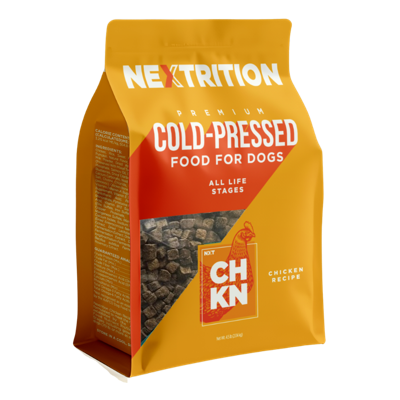
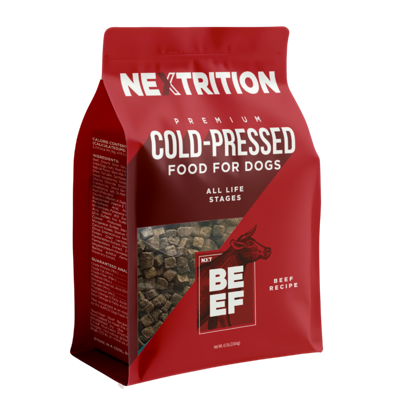
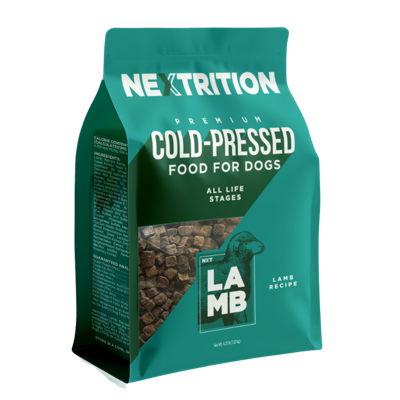
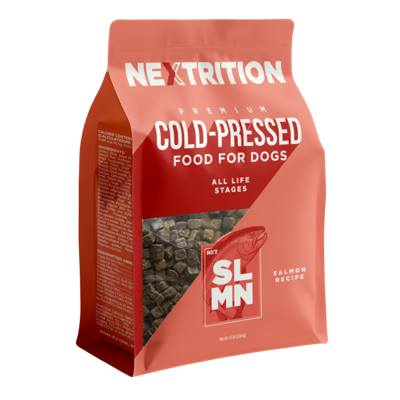
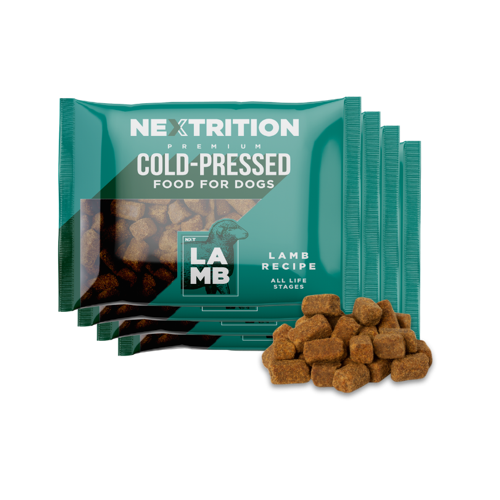
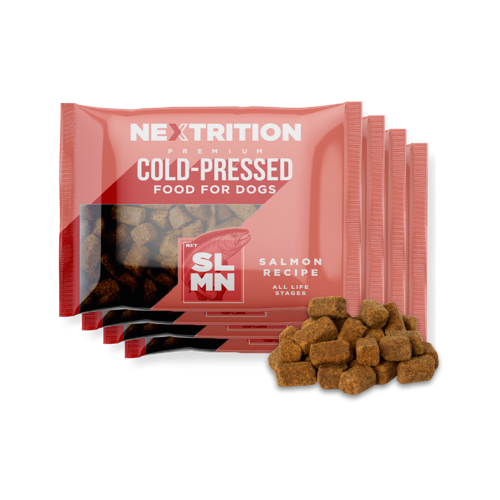
Cold-pressed food gives owners a gentler option. At Nextrition, our food is made at 3x lower temperatures, which helps preserve more of what real ingredients naturally offer. We build our recipes around real meat, fruits, vegetables, and clean Rocky Mountain waters. That's not window dressing. It's part of a less processed feeding philosophy.
Here's the practical difference:
- standard kibble often relies on heavier processing
- cold-pressed food uses a gentler method
- both can feed a dog
- only one is designed around lower processing stress
That matters most when your dog is already sensitive. If the bowl is supposed to support the gut, it shouldn't ask the gut to work harder than necessary. Processing isn't a side detail. It's part of the nutrition.
What the Research Suggests About Food, Fiber, and the Gut Microbiome
The useful takeaway from gut research is not that one magic ingredient fixes everything. It doesn't. Better gut health comes from feeding the microbiome in a way that shifts digestion in a healthier direction.
In dogs with chronic large bowel diarrhea, fiber-enriched dietary approaches have been associated with improved stool quality and a shift away from protein putrefaction toward more beneficial carbohydrate fermentation. That's worth paying attention to.
Less putrefaction can mean:
- less odor
- less irritation
- a calmer digestive environment
Better fermentation can support stool consistency and gut comfort. Some studies have also found increases in helpful microbial byproducts, including indole-related compounds and plant-derived metabolites. You don't need to memorize those names. You just need to know they point to a gut environment moving in a better direction.
Research on prebiotics, probiotics, postbiotics, and synbiotics is also promising. Certain combinations have improved digestive signs, increased beneficial short-chain fatty acids, lowered markers associated with intestinal barrier stress and inflammation, and reduced diarrhea severity in dogs under gut stress.
But here's the nuance that gets lost online:
A healthier gut does not always show up as one dramatic microbiome number.
In some studies, microbial composition shifted even when broad diversity scores stayed similar. For owners, that means chasing a single test metric can distract from what matters most. Look at the dog. Stool stability, appetite, comfort, and consistency tell you more than a trendy graph in many cases.
Food is still the daily foundation. Biotic ingredients can be useful tools, but they work best when the base diet is doing its job.
How Premium Cold-Pressed Food Supports Digestion From the Inside Out
This is where the science meets the bowl. A well-built cold-pressed formula can support digestion through several pathways at once without turning feeding into a chemistry project.
Real meat gives your dog digestible protein. Fruits and vegetables can contribute fiber and complementary nutrients. Gentler processing supports nutrient preservation goals. And the recipe can stay simpler than many mass-market formulas that lean harder on manufacturing than on ingredient quality.
That combination can support:
- a calmer stomach
- more predictable stools
- steadier energy
- immune support through the gut
- visible skin and coat improvements over time
Some dogs do especially well when the food gets less engineered and more straightforward. That's a real-world pattern we've seen again and again. Not every dog needs a complicated formula with ten functional claims on the front of the bag.
Sometimes the smarter move is simpler food, better made.
This isn't just for dogs with obvious digestive trouble either. Proactive feeding matters. You don't need to wait for chronic issues before choosing a diet that supports gut resilience.
The Best Ingredients to Look for in a Gut-Friendly Food
If you're scanning labels, keep your checklist tight. More ingredients do not equal better nutrition.
Start here:
- real animal protein as the core of the recipe
- whole-food fruits and vegetables for natural fiber and complementary nutrients
- supportive fiber sources that can help fermentation and stool quality
- a relatively simple ingredient deck, especially for sensitive dogs
Ingredient simplicity is underrated. When a dog is reacting to something, fewer moving parts make it easier to see what's helping and what's not. That's not glamorous advice, but it's good operational advice.
You can also look for supportive categories when they fit the formula well:
- prebiotics that feed beneficial microbes
- probiotics or postbiotics when used appropriately
- yeast fractions or beta-glucans in some formulations
Be cautious with foods that feel overbuilt. If the formula depends on a long list of fillers, additives, or hard-to-justify extras, we get skeptical fast. The same goes for ultra-processed foods that ask you to ignore how they were made and focus only on the label story.
And don't keep switching every week. That's one of the fastest ways to lose the signal.
How to Choose the Right Recipe for Your Dog’s Digestive Needs
The best food on paper is not the best food for your dog. The right choice is the one your dog consistently digests well.
A few factors matter more than the marketing copy:
Use your dog's history, not just the label
Look at:
- current digestive sensitivity
- proteins your dog has done well on before
- stool quality patterns
- activity level
- age and overall condition
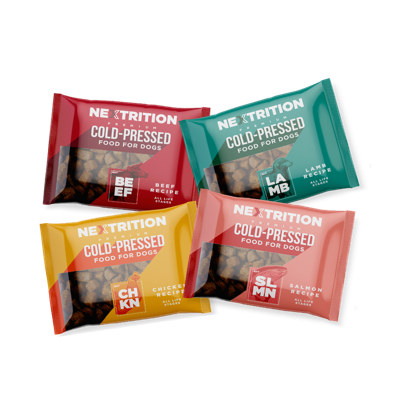
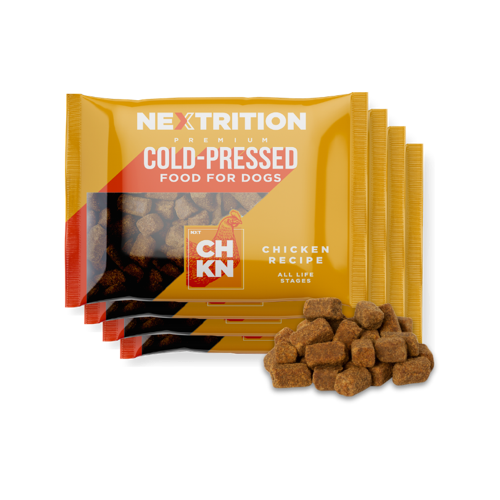
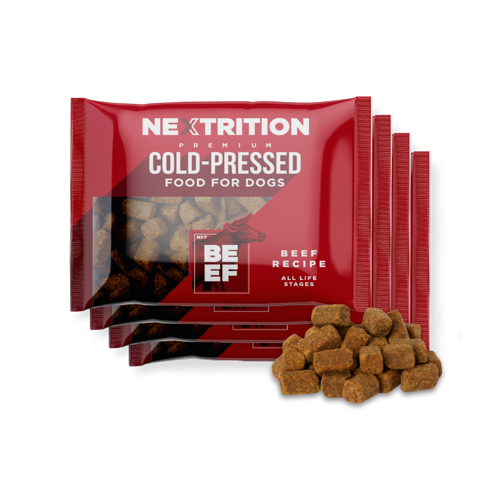
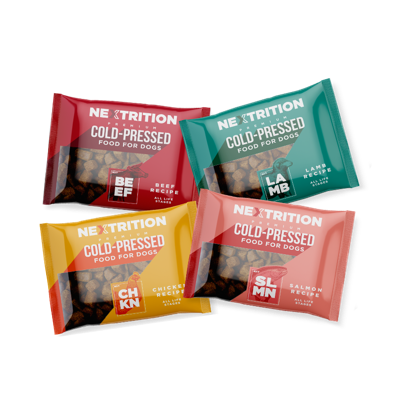
At Nextrition, we offer lamb, chicken, salmon, and beef recipes because personalization matters. One dog settles beautifully on salmon. Another does better on lamb simply because that's the protein their system has handled well for years.
A practical way to think about it:
- Pick a protein your dog has historically tolerated well.
- Keep variables limited during the transition.
- Don't pile on new toppers, treats, and supplements at the same time.
That's where owners often sabotage a good trial without realizing it. They change the main food, add a probiotic chew, test a new topper, then blame the recipe when stools get weird.
If you'd rather have more structure, a personalized meal plan can remove a lot of guesswork. Sometimes clarity is what helps most.
A Step-by-Step Plan to Transition Your Dog Without Upsetting the Gut
Even an excellent food can backfire if the switch is rushed. Sensitive dogs often react more to abrupt change than to the new recipe itself.
Before you transition, establish a baseline. For three to five days, pay attention to stools, appetite, gas, energy, and skin. Not perfectly. Just honestly.
Then use a gradual sequence:
- Start with a small blend of the new food into the current food.
- Increase the new portion steadily over several days if tolerance stays good.
- Keep treats, table scraps, and supplements stable during the change.
- Feed at consistent times and avoid casual over-portioning.
- Watch stool changes without panicking over one off day.
The digestive system and microbiome need time to adapt. That's normal. A single softer stool on day two isn't necessarily failure. A clear escalation is different.
If symptoms ramp up instead of settling, pause and reassess. Don't force your way through a bad transition just because the food is premium. Good operators don't confuse persistence with discipline.
And once you've found a food that works, consistency matters. Regular subscription delivery can help prevent the all-too-common mistake of running out, grabbing a replacement, and creating a setback you didn't need.

What Improvements You May Notice and When
You should expect some changes early, but not every benefit shows up in the first few days.
In the short term, many owners notice:
- firmer, more consistent stools
- less gas
- less stool odor
- calmer mealtimes
Some digestive support interventions in research have shown noticeable improvement in stool consistency, odor, or flatulence within the first week. That's encouraging, but don't make day five your final judgment.
Medium-term changes often need more consistency, closer to several weeks:
- steadier energy
- fewer digestive flare-ups
- less visible sensitivity
- a softer or shinier coat
Around four weeks is a more useful checkpoint for many dogs. Longer if the gut has been irritated for a while.
Track a few simple markers instead of relying on memory:
- stool score
- bowel movement frequency
- appetite
- gas
- energy
- scratching or coat changes
Memory is generous when things are going well and dramatic when they aren't. A simple note on your phone is better.
Common Mistakes That Can Undermine Gut Health Even With a Premium Food
This is the frustrating part. A dog can be on a quality diet and still stay stuck because the routine around the food keeps creating noise.
The most common mistakes are familiar:
- switching foods too quickly
- feeding a premium main diet but adding random treats and scraps
- changing multiple variables at once
- chasing trendy ingredients instead of digestibility
- expecting food alone to solve a chronic medical issue
Overreacting to every minor stool change is another big one. If you switch the diet every time one bowel movement looks off, you never give the gut a chance to stabilize. That cycle creates more confusion than clarity.
More additives aren't always better either. Some dogs do best with a simpler, steadier plan. One of the most overlooked ways to improve dog digestive health is consistency over novelty. It isn't flashy, but it works.
When Food Is Enough and When It Is Time to Involve Your Veterinarian
Food is foundational. It is not a cure-all.
A digestively thoughtful diet can support a lot, especially when the issue is mild, recurring, or tied to food quality and tolerance. But not every gut issue is a food issue, and pushing nutrition beyond its role can delay the care your dog actually needs.
Call your veterinarian if you see:
- persistent diarrhea
- repeated vomiting
- blood or black stool
- weight loss
- marked lethargy
- refusal to eat
- signs of pain
Diet can still be part of the solution in those cases. In fact, it often should be. A premium, less processed food can provide a supportive base while your vet helps identify the underlying problem. The best outcomes usually come from using both nutrition and diagnosis properly, not choosing one over the other.

Why a Personalized, Less Processed Approach Often Works Better Than Constant Trial and Error
There are two ways most owners end up feeding. One is reactive. Something flares up, they search late at night, swap foods, add three extras, then start over when the results get messy. The other is more deliberate.
We prefer the second path.
A proactive approach looks at ingredient quality, gentler processing, and individual fit. It accepts that dogs vary in tolerance, preferences, and digestive patterns. It doesn't chase universal rules. It asks a better question: what can your dog thrive on consistently?
That's why personalization matters more than hype. Our personalized plan option is built to make premium nutrition feel clearer and more doable, especially when you're tired of guessing. Not because structure is exciting, but because it reduces avoidable mistakes.
A cleaner routine often changes more than the stool. It gives you confidence back. And your dog usually feels that shift before you fully trust it.
Conclusion
If you're serious about how to improve dog gut health, start with the basics that actually move the needle. Gut health sits close to the center of immunity, digestion, energy, skin, coat, and daily resilience. It's not a side issue.
Food quality matters. Processing method matters too. Premium cold-pressed nutrition offers a gentler, more intentional way to support digestion by preserving more of what real ingredients bring to the bowl. Then the rest is execution: choose a recipe that fits your dog, transition gradually, and stay consistent long enough to see the difference.
The practical next step is simple. Look at your dog's current digestive patterns, choose a simpler premium food that fits their needs, and give the new routine enough stability to show you what better gut health can actually look like.


