




The ingredients to avoid for a sensitive stomach dog matter a lot more than the pretty claims on the bag. If your dog keeps cycling through loose stool, gas, or random throw ups, the problem is usually sitting right there in the bowl.
We've seen people fixate on protein percentage and miss what actually trips dogs up: vague meats, filler heavy carbs, rich add ons, and extra junk that makes digestion harder. Keep the bowl simpler. Your dog will tell you fast.
Why Ingredient Quality Matters More Than Marketing Claims
A sensitive stomach isn’t a formal diagnosis. It’s a pattern. Soft stool one week, gurgling after dinner the next, then a bout of floor licking, gas, or a random appetite dip that leaves you second-guessing the bowl again.
It also helps to separate food intolerance from food allergy. Intolerances tend to show up in digestion. Allergies involve the immune system and can affect the skin too. In real life, owners often lump them together because the dog is simply not doing well. But when you’re choosing food, that distinction matters.
A lot of foods marketed as premium, gentle, or wholesome still lean on vague proteins, fillers, additives, or formulas that are just too rich. The front of the bag can say all the right things while the ingredient panel tells a different story. For a sensitive stomach dog, that back panel usually matters more.
And gut health isn’t a small side issue. Roughly 70% of a dog’s immune system is connected to the gut. When the digestive system stays irritated, you often see it spill into coat quality, skin flare-ups, and overall resilience.
A quick reality check though. Some symptoms need a vet, not a food experiment.
- Blood in stool
- Weight loss
- Repeated vomiting
- Diarrhea that doesn’t settle
Food can be the problem. It isn’t always the only problem.

1. Meat Meal
Meat meal sounds protein-rich, and technically it is. The problem is clarity.
“Meat meal” is a rendered, dried protein ingredient from mammalian tissue, but the label doesn’t tell you which animal. It could come from cattle, pigs, sheep, goats, or a mix. That matters when you’re trying to identify a trigger and the source can shift from batch to batch.
For digestive troubleshooting, traceability matters almost as much as protein percentage. If your dog has a rough few days, you need to be able to look at the bowl and know what actually changed. Meat meal doesn’t give you that.
A named protein does.
- Chicken
- Lamb
- Beef
- Salmon
Those ingredients make reactions easier to track. If a dog improves on lamb and flares on chicken, you’ve learned something useful. With meat meal, you’re guessing.
Sensitive stomach feeding works better when the food is easy to audit.
2. Animal By-Product Meal
Animal by-product meal runs into the same problem, with even less confidence for the owner reading the label.
This ingredient doesn’t clearly tell you which mammalian species are included, and that mix can vary depending on supplier availability. Nutritionally, by-products aren’t automatically worthless. We’re not interested in cheap fear tactics. But when a dog has chronic digestive sensitivity, unspecified by-product meal is still a poor fit.
It complicates elimination trials. It muddies pattern tracking. And it makes label reading harder than it needs to be.
That’s usually where frustrated owners get stuck. They’ve tried three or four foods, but every formula still has the same core issue: too many unknowns.
If your dog has done poorly on multiple foods, the next move usually isn’t “try another bag with prettier packaging.” It’s to simplify hard. One clearly named primary protein is just easier to work with.
3. Artificial Colors
Artificial colors are there for us, not for dogs.
They don’t improve digestibility. They don’t support gut health. They don’t help stool quality. For a dog already reacting to something in the diet, extra non-essential additives are rarely worth keeping in the mix.
Brightly colored kibble and dyed treats often signal a more processed formula rather than a more nourishing one. That doesn’t make every colored food automatically terrible, but it should make you pause.
Some of the worst ingredients for sensitive stomach dogs aren’t exotic at all. They’re the unnecessary extras that make a product look more appealing on the shelf while doing nothing useful in the bowl.
We’d rather see color come naturally from real meat, fruits, and vegetables. That’s a better signal than red pellets and green shapes.
Short version: if the ingredient exists to impress the human eye, it probably doesn’t belong in a digestive reset.
4. Artificial Preservatives
This one is worth handling with some balance.
Artificial preservatives are used to protect shelf life, especially in heavily processed foods. That alone doesn’t mean they’ll cause a reaction in every dog. But for dogs with touchy digestion, a long list of chemical additives adds complexity to a system that’s already irritated.
And in practice, these ingredients tend to travel in a pack. Foods that rely heavily on artificial preservation often overlap with vague proteins, filler-heavy starches, and lower transparency overall.
If your dog reacts to multiple kibble brands that seem different on the front but read strangely similar on the back, this is one place to look. Same structure, same outcome.
Cleaner ingredient decks usually make life easier:
- recognizable food-based ingredients
- fewer synthetic extras
- less label noise overall
You don’t need a perfect bag. You need a bag with fewer ways to go wrong.
5. Dairy Ingredients and Milk Powders
Dairy is a common suspect when symptoms feel random.
Milk powders, whey, and other lactose-containing add-ins can be hard for some dogs to digest. When lactose doesn’t sit well, you’ll often see bloating, gas, loose stool, or obvious abdominal discomfort not long after eating.
The tricky part is that dairy often isn’t in the main meal. It hides in treats, chews, toppers, and training rewards. So the food gets blamed while the real trigger keeps rotating in through the extras.
That’s a common pattern in the field. The bowl looks stable, but the daily add-ons are different every day.
If you suspect dairy, review the full intake:
- treats
- chews
- meal toppers
- people food
- supplements with flavoring
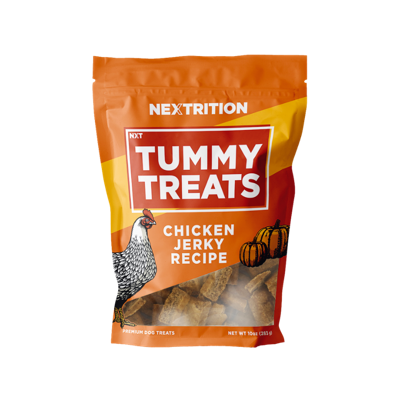
Not every dog reacts to every dairy ingredient. But repeated stomach upset after dairy exposure is a strong clue. When we need a simpler reward option, straightforward meat-based treats are usually the cleaner play.
6. Soy and Soy Protein Isolates
Soy isn’t universally bad. It’s just often a poor fit for digestive troubleshooting.
This matters most when soy shows up in concentrated forms like soy protein isolate. Those ingredients are often used to push the protein number higher or reduce formulation cost, but high protein on paper doesn’t help much if the source doesn’t sit well in the gut.
If soy appears high on the ingredient list and your dog deals with chronic gas, soft stools, or post-meal discomfort, it’s reasonable to question it.
This is where whole-food thinking beats protein-number marketing. We’d rather see a recipe built around clearly named animal protein than one padded by concentrated plant proteins that complicate the picture.
A dog doesn’t digest the guaranteed analysis. A dog digests the actual ingredients.
7. Wheat and Wheat Middlings
Wheat isn’t the enemy for every dog. That’s too simplistic.
But it is a common ingredient, and some sensitive dogs don’t do well on it, especially when it shows up in formulas that already have vague proteins, multiple additives, and richer fat levels. In that context, wheat can become one more piece of a formula that feels bulked up rather than intentionally built.
Wheat middlings deserve a close look for the same reason. They often read less like a deliberate digestive support ingredient and more like a filler decision.
The goal here isn’t to push you into reflexive grain-free thinking. The real question is whether this grain works for your dog.
If wheat-containing foods reliably lead to flare-ups, step back and simplify. Many dogs do better on recipes using carbohydrate sources such as:
- white rice
- potato
- tapioca
- oats
- buckwheat
Not because grains are bad. Because fit matters more than category.
8. Corn, Corn Gluten Meal, and Corn Starch
Corn gets argued about too much in both directions.
It’s not automatically a problem ingredient, but it can become one for sensitive dogs, especially when it appears in several forms at once. Whole corn, corn gluten meal, and corn starch can all show up in the same formula, making corn more dominant than it first looks.
That’s the part owners often miss. You read the label quickly and don’t realize one ingredient family is doing a lot of the heavy lifting.
Corn deserves more scrutiny when it appears beside unspecified protein sources and a long additive list. At that point, many owners aren’t reacting to corn in isolation. They’re reacting to a formula pattern built around cheaper starches and less transparent proteins.
A better direction is usually simpler and more legible: named meat first, digestible carbohydrate support second, and fewer split starch ingredients trying to hide in plain sight.
9. Pea Protein and Legume-Heavy Add-Ins
Pea protein, split peas, and pea flour can make a food look stronger than it really is.
These ingredients often inflate the protein number on the label without giving you the same digestive ease as named animal proteins. In owner-logged observation of sensitive dogs, pea protein was among the least tolerated protein sources and was linked to more loose stool and gas than the animal proteins tested.
That lines up with what many owners notice at home. The label says high protein. The dog says otherwise.
Legume-heavy formulas can also be harder to troubleshoot because the problem may not be one obvious ingredient. It may be the overall structure of the recipe. Too much plant-derived protein. Too many moving parts. Too much effort spent dressing up the guaranteed analysis.
When you’re reading labels, don’t just admire the numbers. Ask where the nutrition is actually coming from.
10. High-Fat Ingredients and Rich Add-Ons
Sometimes the protein gets blamed when the real issue is richness.
Excess fat is a common digestive irritant. It can trigger diarrhea, nausea, stomach gurgling, and post-meal discomfort even when the protein source itself is fine. We see this all the time with dogs who seem okay on weekday meals, then fall apart after rich treats, greasy chews, or weekend table scraps.
Watch the total bowl, not just the base food.
Where richness sneaks in
- formulas stacking multiple added fats
- heavily coated kibble
- greasy toppers
- rich chews
- too many high-value treats
For many sensitive dogs, a moderate fat range around 12% to 16% is easier to manage than richer recipes hitting 18% and up. That’s not a law. It’s a useful checkpoint.
If symptoms flare after the extras, don’t assume the core food failed. Sometimes the side items are doing all the damage.
11. Multiple Proteins and Known Trigger Proteins
Multi-protein recipes sound appealing until you need answers.
If your dog has digestive issues, combining several proteins in one formula introduces too many variables at once. Chicken and beef are common trigger proteins partly because they’re so commonly fed, not because they’re bad for all dogs. Repeated exposure to a protein your dog doesn’t tolerate just keeps the cycle going.
This is why a single-protein-forward recipe is often the fastest path to clarity. One named protein gives you something real to observe.
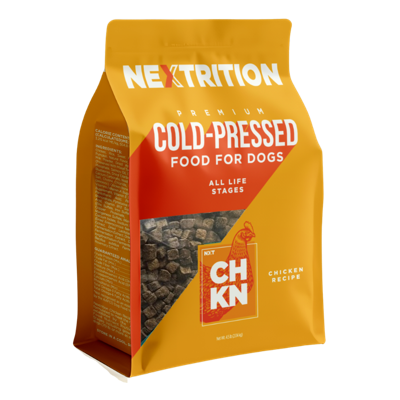
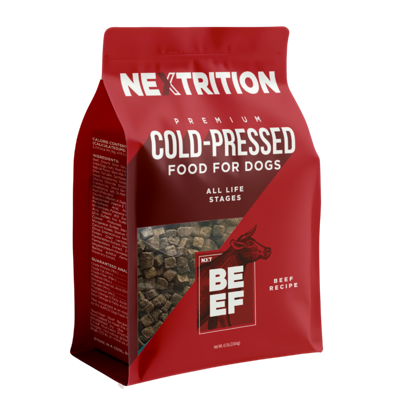
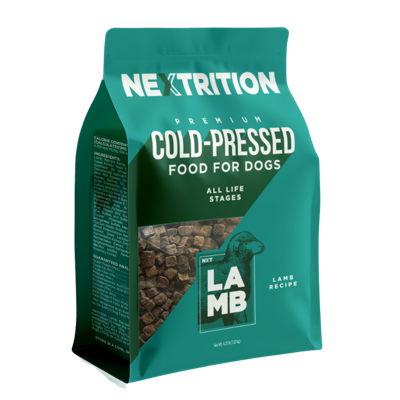
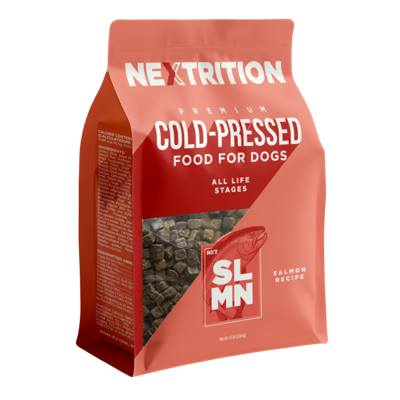
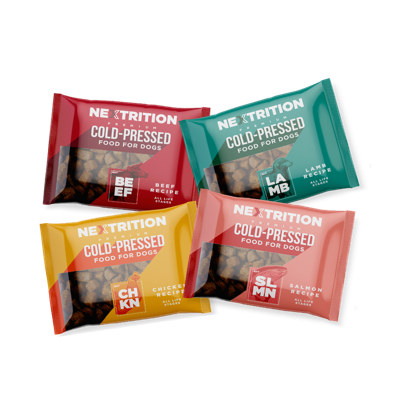
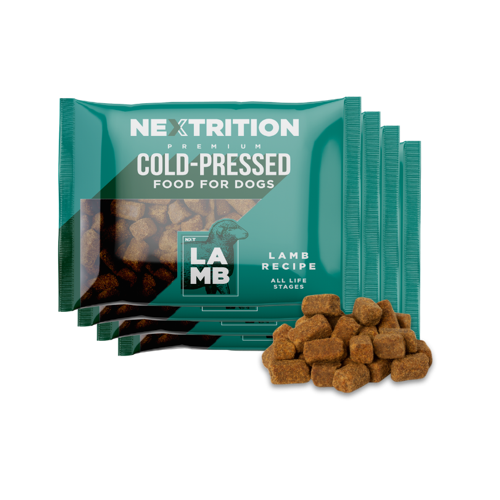
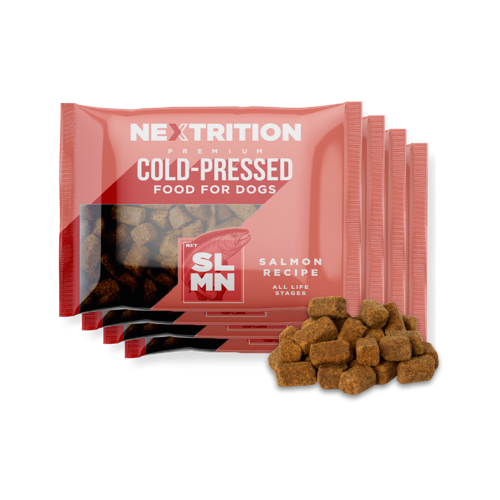
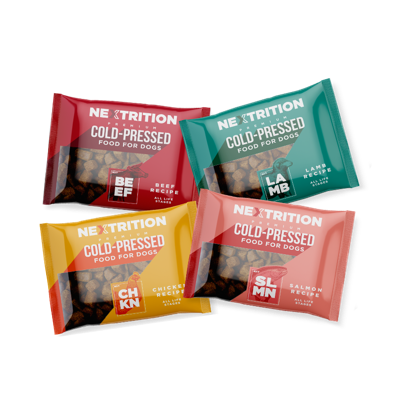
If simpler meals help your dog settle, thoughtful rotation is still possible. We prefer doing it with clearly defined recipes like lamb, chicken, salmon, or beef rather than mixed-protein formulas that turn every reaction into detective work.
More variety isn’t always better. Sometimes it just makes the signal harder to hear.
What to Feed Instead and How to Read the Label With More Confidence
Once you know the ingredients to avoid sensitive stomach dog owners should watch for, the next step gets simpler. Look for one clearly named primary protein, a shorter ingredient list, and fewer moving parts.
Carbohydrates that are often easier to work with include white rice, potato, tapioca, oats, and buckwheat. Not every dog will do best on the same one, but these tend to make more sense in gentler formulas than filler-heavy blends.
Prebiotics and probiotics can help some dogs, but they’re not a rescue plan for poor-quality food. If the base recipe is messy, the add-ons won’t fix it.
We also think processing deserves more attention than it gets. Ingredients matter, but how the food is made matters too. Cold-pressed food made at 3x lower temperatures can help preserve nutrients that support digestion and overall wellness. That’s one reason our approach stays centered on real meat, fruits, vegetables, and Rocky Mountain waters instead of overbuilt formulas that read like chemistry projects.
Use this quick label check before you buy:
- identify the first protein
- scan for duplicate fillers like multiple corn or pea ingredients
- note added fats and how many there are
- circle vague or synthetic ingredients you can’t easily explain
A calmer label usually leads to a calmer feeding plan.

How to Switch Foods Without Creating More Digestive Chaos
Even the right food can go badly if the switch is too fast.
Plan on at least 7 to 10 days for a transition. If your dog reacts easily or has a long history of stomach issues, stretching that to 2 to 3 weeks is often smarter. Slow is not overcautious here. Slow is efficient.
During the trial, keep treats, chews, toppers, and table food as minimal and consistent as possible. Otherwise you won’t know what you’re testing.
Track the basics daily:
- stool texture
- stool frequency
- gas
- vomiting
- appetite
Memory is unreliable by day six. Notes are better.
If there’s no clear improvement after a careful trial, or symptoms get worse, bring in your veterinarian. Parasites, pancreatic problems, inflammatory bowel issues, and other medical causes need to be ruled out.
For dogs that need more structure, a personalized meal plan can reduce a lot of guesswork. Consistency matters with sensitive digestion, and regular delivery can help keep the routine steady instead of turning every reorder into a scramble.

Conclusion
The biggest shift is realizing that a sensitive stomach is often a clue, not a mystery. The usual trouble spots are right there on the label: vague proteins, filler-heavy starches, artificial extras, rich fats, and formulas with too many variables packed into one bag.
A calmer gut usually starts with a calmer bowl. Fewer irritants. Clearer protein sourcing. Gentler processing. A slower, more deliberate transition.
If your dog keeps cycling through loose stools, gas, picky eating, or off-and-on vomiting, review the label you’re feeding today. Remove the most likely troublemakers. Then move toward a simpler, gut-first strategy that you can actually trust.


