




Home remedies for dog bad breath can help, but most people waste time on quick fresheners while the real problem keeps brewing in the mouth or gut.
If your dog's breath has gone from normal dog smell to sharp or sour, don't just cover it up. What matters is cutting the gunk on the teeth, cleaning up the treats, and paying attention to the food bowl. That is where the lasting fix usually starts.
What Bad Breath Is Really Telling You
Bad breath is usually a signal, not just a nuisance. When your dog’s mouth smells sharp, sour, metallic, or rotten, something is feeding that odor. Most often it’s oral bacteria producing volatile sulfur compounds, but food residue, gum inflammation, digestive imbalance, and treat quality can all pile on.
By age three, dental disease is already common in dogs. We don’t say that to alarm you. We say it because owners lose time when they dismiss ongoing halitosis as normal. And for health-conscious households, there’s another layer here: breath is not always just a teeth problem.
A dog can have a decent-looking mouth and still have stale, off breath if digestion is sloppy, the food is overly processed, or the gut is under strain. That matters because gut health and immune resilience overlap in a big way. About 70% of the immune system lives in the gut. If you only cover the smell, you miss the pattern.
Fresh breath usually comes from less bacteria, less residue, and a cleaner internal environment.
The strongest home remedies for dog bad breath do three things at once:
- reduce bacterial load
- improve daily oral hygiene
- clean up the diet that may be feeding the problem
1. Daily Tooth Brushing With Dog-Safe Toothpaste
If you’ll do one thing consistently, make it this. Brushing is still the most effective at-home way to reduce odor at the source.
Plaque starts soft, then hardens into tartar fast. That’s why daily is ideal and three times a week is the minimum we’d treat as serious plaque control. Weekend catch-up brushing doesn’t really count. The mouth has already moved on.
Use only dog toothpaste. Never human toothpaste.
For dogs that resist, start smaller than you think:
- brief lip lifts
- a finger or soft cloth
- a finger brush
- then a regular dog toothbrush
Best for mild to moderate plaque, early gum irritation, and owners who can build a repeatable routine. Chews and additives help, but brushing gives direct mechanical cleaning on the tooth itself. That’s the part that changes breath fastest.
2. Textured Dental Chews
Some dogs will never love a toothbrush. Fine. That’s where a well-designed dental chew earns its place.
The key word is textured. Not every chew cleans. The better ones create more all-around contact and friction, which helps reduce plaque and the sulfur compounds tied to bad breath. In comparative testing, all oral-care tools helped to some degree, but the more texturally effective chews stood out for odor compounds and even tongue bacteria.
Choose the right size, supervise chewing, and don’t mistake a chew for a free pass on brushing. We’d also prioritize products with credible dental validation, especially the VOHC seal.
A simple treat is just a treat. A true dental chew should actually do some work.
3. VOHC-Accepted Water Additives
Water additives are low effort, which is exactly why they work for some homes. If your dog refuses brushes and loses interest in chews, this is one of the more practical natural remedies for dog bad breath.
As your dog drinks through the day, the additive helps reduce odor-causing bacteria above the gumline. A pomegranate-based option has been shown to reduce plaque and calculus buildup over about a month and improve gum bleeding versus no homecare.
These fit especially well for:
- multi-dog homes
- busy schedules
- dogs that tolerate mild taste changes
They won’t scrub the tooth surface like a brush. But as part of a layered routine, they’re useful and easy to stick with.

4. Finger Brushes, Gauze, or Oral Wipes
This is the bridge option. And in real life, bridge options matter.
If your dog panics at a toothbrush, wiping the outer tooth surfaces with gauze, a finger brush, or oral wipe still removes fresh film, food residue, and bacteria. It’s not as thorough as brushing, but consistent partial cleaning beats an ideal routine that never happens.
We like this approach for puppies, anxious dogs, and seniors with dental sensitivity. Use it as a progression tool:
- start with touch around the lips
- wipe a few outer teeth
- build to short sessions
- move toward fuller brushing later
It won’t remove tartar. It does help keep new buildup from taking over.
5. Gentle Tongue Cleaning
Sometimes the teeth don’t look terrible, yet the breath is still rough. That’s often the tongue.
The tongue can hold coating, sticky saliva, and debris that keep odor hanging around even when plaque isn’t extreme. That’s one reason some dogs still smell bad despite basic tooth care. Not all cleaning methods reach that surface well.
Use a soft pet wipe, gauze, or oral cloth and stay gentle. If your dog gags or gets tense, you’re going too far. This is best for dogs with visible tongue coating or breath that seems worse than the tartar would suggest.
Breath sprays mostly perfume the problem. Physically lifting residue off the tongue is far more direct.
6. A Cleaner, Less Processed Diet With Fewer Refined Fillers
If bad breath keeps coming back, look in the bowl. Surface cleaning helps, but highly processed food and sticky starch residue can keep feeding the problem.
Refined fillers and low-quality extras tend to leave more behind in the mouth and can aggravate digestion in sensitive dogs. We see this a lot with dogs who freshen up right after brushing, then smell off again by the second afternoon.
Audit the whole intake, not just the main food:
- biscuits
- training treats
- toppers
- table scraps
A cleaner nutritional base often does more than short-term fresheners because it changes the environment odor thrives in. Transition gradually and watch breath, stool quality, energy, and coat. Those clues usually move together.
7. Cold-Pressed Whole-Food Meals That Support Digestion
For some dogs, fresher breath starts with better digestion. That’s where cold-pressed feeding has real value.
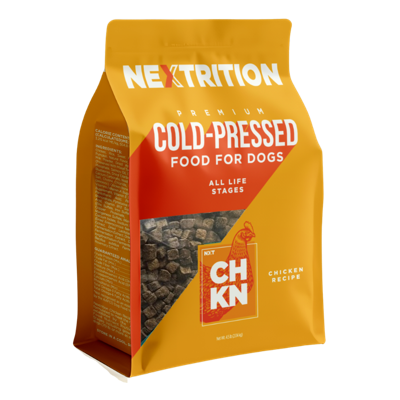
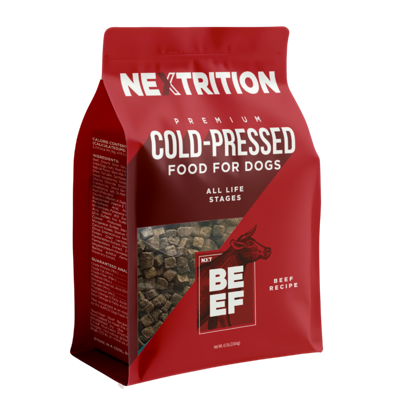
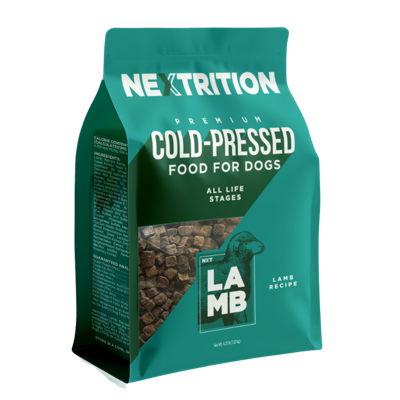
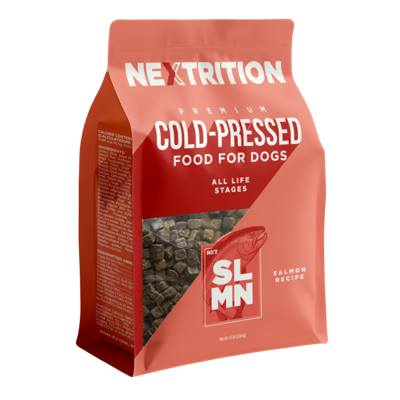
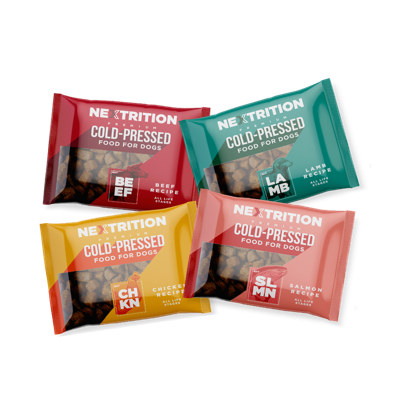
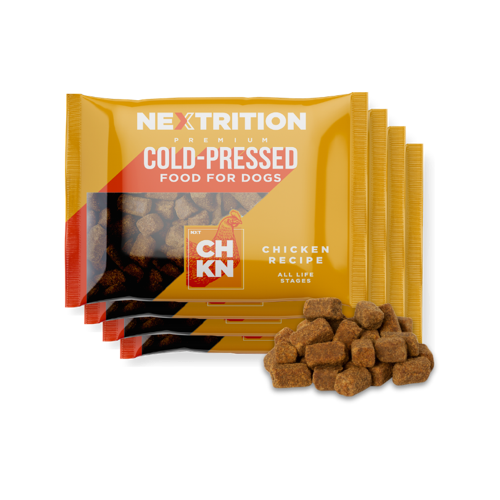
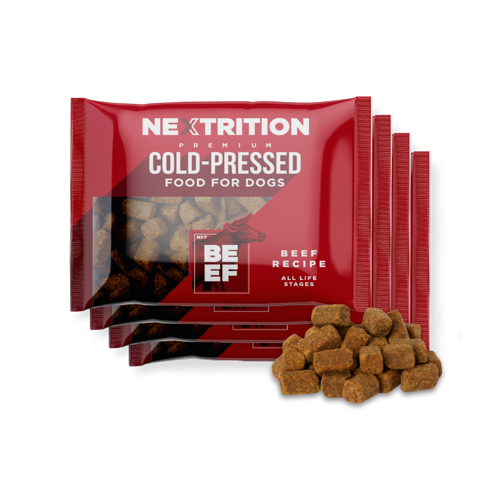
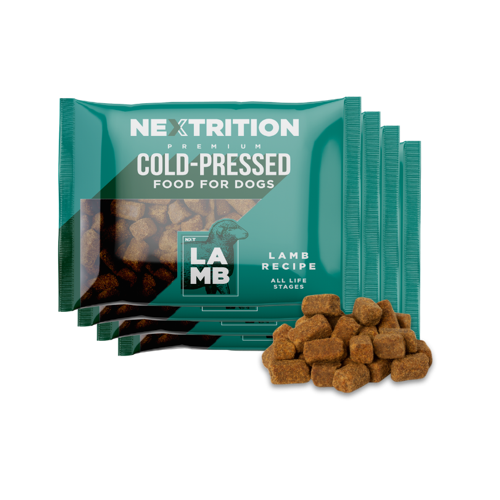
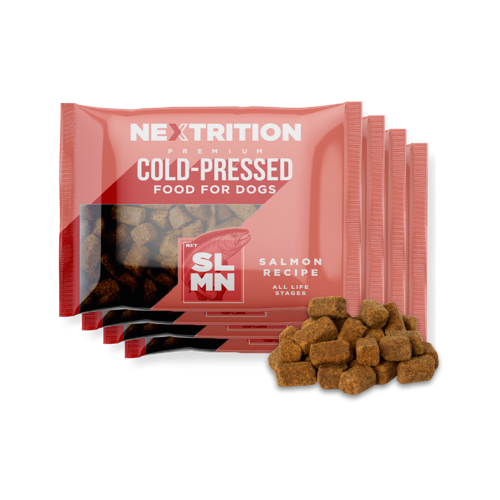
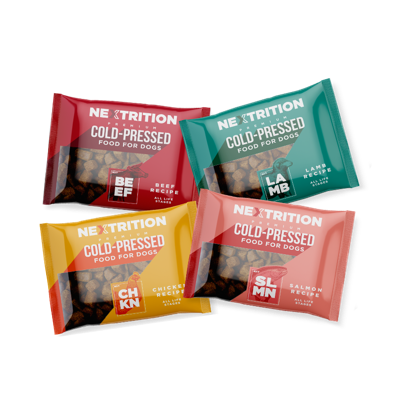
At Nextrition, our cold-pressed food is made at three times lower temperatures to preserve more nutritional integrity than harsher processing. We use real meat, fruits and veggies, and Rocky Mountain waters across four recipes: lamb, chicken, salmon, and beef.
This matters because food quality shapes the gut every day, and the gut is where so much immune activity lives. If a dog’s odor is partly digestive, quick-fix breath products won’t touch the root of it.
A personalized meal plan helps match the food to your dog’s actual needs, whether that’s sensitive digestion, skin and coat support, or overall vitality. One-size-fits-all feeding is convenient. It’s not always kind to the dog in front of you.

8. Oral and Gut Microbiome Support With Probiotics or Postbiotics
Newer thinking around breath is less about sterilizing everything and more about improving microbial balance.
Some dogs need support in the mouth. Others show a bigger gut pattern: bad breath plus gas, soft stool, itching, or recurring ear issues. Those cases often respond better when you support the microbiome, not just the smell.
Use pet-specific products and change one variable at a time so you can judge response clearly. That part gets skipped all the time. Then owners don’t know what actually helped.
This is a root-cause strategy, not a masking strategy. It works best when paired with oral hygiene and a better daily diet.
9. Crunchy Carrots as a Breath-Friendly Snack
Carrots are simple, cheap, and useful. We like them because they offer light mechanical cleaning without the sticky residue many treats leave behind.
They won’t remove tartar. Let’s be clear on that. But they can freshen the mouth a bit and redirect dogs away from softer, starchier snacks that cling to teeth.
A few guardrails:
- size pieces to your dog
- supervise strong gulpers
- skip if raw veggies don’t sit well
Compared with many commercial biscuits, carrots are lower in calories and cleaner in the mouth. As a supportive habit, they’re hard to argue with.
10. Curly Parsley in Small Amounts
Curly parsley is a light-touch option for mild odor. Not a treatment. More of a kitchen-level freshener.
It’s often valued for chlorophyll and a modest freshening effect, especially when mixed into food in small amounts. We’re talking a little topper, not a pile of garnish. And curly parsley is the one to use here. Don’t assume all parsley is interchangeable.
This fits dogs with occasional food-related breath and owners who want natural remedies for dog bad breath that feel easy to fold into a whole-food routine. Just keep expectations realistic. Herbs don’t fix dental disease.
11. Dog-Safe Mint Used Sparingly
Mint can help with short-term freshness, but only in dog-safe, food-level amounts. Not essential oils. Not strong extracts. Not human breath products.
It’s more aromatic than parsley, so some owners prefer it for occasional use between bigger oral-care steps. Parsley usually blends into meals more easily. Mint stands out more.
Use it as a finishing touch, not a primary fix. If breath is getting worse, turning rotten, or coming with drooling or pain, mint is the wrong move. Cover-ups waste time when the problem is real.
12. Plain Unsweetened Yogurt if Your Dog Tolerates Dairy
When breath seems tied more to digestion than visible plaque, plain unsweetened yogurt can be worth a cautious trial. Some dogs do well with fermented foods. Others absolutely do not.
Start very small and watch stool quality. No sugar, no flavoring, no xylitol. If your dog has dairy intolerance, loose stools, or chronic GI sensitivity, skip it.
Compared with a dedicated canine probiotic, yogurt is broader and less targeted. Still, for the right dog, it can be a gentle food-based option. Response matters more than theory here.
13. Hydration and Cleaner Water Habits
Saliva helps rinse the mouth. Dry mouths smell worse. It’s that simple.
A stale water bowl also works against every other step you’re taking. Slime builds fast, especially in warm weather and multi-pet homes. Daily bowl washing is not overkill. It’s basic maintenance.
Support better hydration with:
- frequent water refreshes
- clean bowls every day
- extra attention after exercise or heat
- moisture-rich meals when helpful
Breath sprays cover odor for a minute. Hydration supports the body’s own cleaning system all day.

14. Stopping Scavenging, Trash Eating, and Coprophagia
If the breath changed suddenly, think behavior before disease. Garbage, compost, cat litter, and stool can create a very different smell than slow-building dental problems.
Chronic dental breath tends to be steady. Scavenging breath often appears fast after yard time, walks, or unsupervised kitchen access. It can also upset digestion, which makes the odor even worse.
Management beats punishment every time:
- covered bins
- prompt yard cleanup
- leash supervision
- redirect training
When a dog keeps getting access to gross stuff, no herb or chew is going to outwork that.
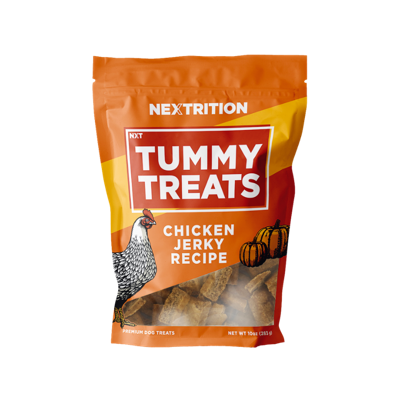
15. Replacing Sticky, Glycerin-Heavy, or Sugary Treats
A lot of owners upgrade the main food and forget the treats. Then the mouth keeps paying for it.
Sticky, gummy, highly processed treats cling to teeth, feed oral bacteria, and undercut otherwise solid habits. Read labels, yes, but also pay attention to texture and what the treat actually does in the mouth. If it smears, sticks, or leaves a film, it’s part of the problem.
Look for simpler, crunchier options and keep portions sane. Calorie creep usually travels with over-processing. Treat quality is part of the breath plan, not a separate category.
16. Vet-Approved Oral Rinses, Gels, or Dental Powders for Hard-to-Brush Dogs
These are useful support tools, especially for small breeds, crowded mouths, and dogs that fight brushing.
Rinses and gels work more directly in the mouth. Powders are usually added to food for daily support. None of them replace mechanical cleaning, but they can improve bacterial control and help with freshness when perfection isn’t realistic.
Choose pet-formulated options with credible testing and, where possible, VOHC acceptance. Avoid DIY mouth rinses, human mouthwash, and strong essential-oil mixtures. Those shortcuts go sideways fast.
Progress beats perfection here.
How to Choose the Right Remedy and When to See Your Vet

You don’t need to guess. Match the pattern to the tool.
If your dog has mild morning breath, visible plaque, and normal appetite, start with brushing, a textured chew, and maybe a water additive.
If breath stays bad despite oral care, especially with gas, soft stools, itching, or repeat ear issues, look harder at diet quality and gut support.
If the smell changed suddenly after unsupervised time, suspect scavenging first.
Get your vet involved promptly for:
- fruity or urine-like breath
- severe rotten odor
- drooling or mouth pain
- gum bleeding
- trouble eating
- vomiting
- yellow-tinged gums
Home remedies help most when the problem is early, mild, or maintenance-related. They are not a substitute for care when disease is advanced.
Common Mistakes to Avoid With Natural Remedies for Dog Bad Breath
A few mistakes show up again and again, and they slow everything down.
Don’t use human toothpaste, human mouthwash, or essential oils. Dog-safe formulation matters. Apple cider vinegar is also a poor choice. There’s no solid canine upside here, and the acidity can irritate the digestive tract.
Be careful with very hard chews. Owners mean well and end up with cracked teeth. Also, don’t expect parsley, yogurt, or carrots to treat painful dental disease. They won’t.
The bigger mistake is running a mixed message routine:
- premium food, but sticky treats
- brushing once, then nothing for a week
- random hacks with no consistency
If you want a nutrition-led reset, a personalized Nextrition meal plan can make the move to cleaner, cold-pressed feeding much less like guesswork.
Conclusion
Bad breath is usually a clue, not a quirk. The home remedies for dog bad breath that work best combine oral cleaning, smarter treat choices, better hydration, and cleaner daily nutrition.
The goal isn’t to mask smell. It’s to reduce odor-causing bacteria while also supporting digestion and gut balance. That’s where longer-lasting change tends to come from.
Start with the remedy that fits your dog right now. Maybe that’s brushing. Maybe it’s a textured chew, a water additive, or a food upgrade.
Pick one oral-care habit and one nutrition habit to improve this week. Then reassess breath, stool quality, and overall comfort over the next few weeks. Fresh breath is nice. A healthier dog is better.


