




If you're asking whether is cold pressed dog food worth it, you're probably not looking for hype. You're trying to work out whether it's actually better for a dog who already seems fine, or just a pricier bag with nicer words on it.
What matters is what happens after processing, how your dog digests it, and whether you notice the small stuff people miss (stools, coat, appetite, that 4pm slump). Here's where we'd pay attention:
- whether lower temperature processing keeps more of the original nutrition useful
- whether digestion stays easy and stools look consistently solid
- whether the ingredient list reads like real food, not filler with vitamins sprayed back on
By the end, you'll know what you're really paying for.
What Healthy Dog Owners Are Really Asking When They Ask if It Is Worth It
When people ask us, is cold pressed dog food worth it, they usually aren’t asking about novelty. They’re asking whether the upgrade actually changes anything for a dog who already seems healthy.
That’s the tension. You want to do right by your dog, but you also don’t want to overcomplicate a routine that appears to be working. Fair enough.
The better question is this:
Does this food meaningfully support digestion, immunity, skin, coat, and day-to-day vitality in a way that justifies the price?
That’s how we’d evaluate it in real life. Not by marketing language. Not by bag design. And not by assuming “premium” automatically means better.
Worth comes down to three things:
- what the food preserves nutritionally after processing
- how your dog responds once it’s in the bowl
- whether the feeding routine is practical enough to keep doing
A lot of people stop at the ingredient panel or the cost per bag. We wouldn’t. Food has to be judged in its finished form. Ingredients on paper don’t tell the whole story if the manufacturing process strips out part of what made them valuable to begin with.
What Cold-Pressed Dog Food Actually Is
Cold-pressed dog food is dry food made by blending ingredients and pressing them into dense pieces at lower temperatures than traditional kibble. It’s shelf-stable, convenient, and dry, but the process is gentler.
It’s also not raw. That gets confused all the time.
Traditional kibble is typically puffed and airy because it’s expanded through extrusion. Cold-pressed pieces are denser and more compact because they aren’t made that way. You’ll notice that difference as soon as you pick it up.
Research around cold pressing generally places production at roughly 45 to 80°C. Our own approach is built around temperatures about 3x lower than conventional kibble. That detail matters more than most people realize.
Processing isn’t just factory trivia. It’s part of the nutritional story. If you care about what your dog actually gets from the food, you have to care about what happens to ingredients between the recipe and the bowl.
Why Processing Changes the Cold Pressed Dog Food Value Conversation
Two foods can start with similar ingredients and still end up very different nutritionally. Processing is the reason.
Traditional kibble is usually made with high heat, steam, and pressure. That creates the familiar puffed shape, but it can also mean some nutrients, flavors, and natural characteristics of the ingredients don’t come through intact. In many formulas, fats, flavorings, or synthetic nutrients are added after cooking to make up for that.
Cold pressing takes a different route. Lower heat. No steam in the research. Less aggressive handling.
That doesn’t make every cold-pressed food excellent by default. But it changes the standard you should use to judge the food. We’d say it plainly: food should be judged as ingredients after processing, not ingredients before processing.
For healthy dogs, that distinction matters. You’re not always trying to correct a visible issue. Sometimes you’re trying to preserve what’s already going well. That’s a different mindset, and honestly, it’s a smarter one.
Is Cold Pressed Dog Food Worth It Nutritionally?
This is the center of the decision. If lower heat helps protect more of the naturally occurring proteins, fats, vitamins, minerals, fiber, and other useful compounds in the ingredients, then yes, there’s a real nutritional case for it.
That’s where cold-pressed food often earns its place. The aim is to preserve more of what’s already there, rather than depending as heavily on nutrients being added back later.
For a healthy dog, that can show up in practical ways:
- steady energy instead of uneven ups and downs
- good stool quality
- comfortable digestion
- strong appetite
- healthy skin and coat
- better day-to-day resilience
Still, cold pressing alone isn’t a magic stamp. A poor formula doesn’t become impressive just because it was made gently. Ingredient quality still carries equal weight.
Real meat, fruits, and vegetables offer more value when they’re handled with some care. That sounds obvious, but this is where people get misled. Process matters. Ingredients matter. You need both.
Why Gut Health Is Central to Whether It Is Worth It
If you care about prevention, this section matters more than the flashy claims ever will. Around 70% of a dog’s immune system resides in the gut. Once you understand that, digestion stops being a side issue.
Gut health affects more than comfort after meals. It influences immune support, nutrient use, stool quality, and the general steadiness of how a dog feels day to day. Healthy dogs benefit from that too. Maybe especially healthy dogs, because the goal is to maintain balance before it slips.
One reason owners look at cold-pressed food in the first place is digestive ease. Dense pieces that break down differently from puffed kibble, lower-temperature production, and less harsh processing all fit that conversation.
We’ve built our own philosophy around that idea. Premium cold-pressed nutrition should support gut health, not work against it. If the gut is where so much immune function lives, then feeding for digestive balance isn’t overthinking. It’s just good operations.
Good nutrition isn’t only about solving problems. It’s about protecting stability before problems show up.
How Cold Pressed Compares With Traditional Kibble for Healthy Dogs
If you’re deciding between a premium cold-pressed food and standard dry food, the comparison should stay practical.
Traditional kibble is extruded at much higher temperatures. It expands into airy pieces. Cold-pressed food is made at lower temperatures and pressed into denser chunks. That affects both structure and, potentially, how the food holds onto natural flavor and nutritional integrity.
There’s also a formulation difference in many cases. Extruded foods often rely more on surface coatings, sprayed fats, and synthetic additions after cooking. Cold pressing tends to appeal to owners who want the food itself to carry more of the nutritional load.
The cold pressed dog food value conversation comes down to priorities:
- If affordability and familiarity are your main criteria, traditional kibble often wins.
- If you care more about lower processing, ingredient integrity, and digestive support, cold pressed starts to look a lot more reasonable.
- If your dog is healthy and you want to keep it that way, the value may be in preserving wellness rather than waiting for a problem to justify change.
That’s the part people miss. A food doesn’t need to rescue a dog to be worth feeding.
What Makes Cold Pressed Food More Worth It for Some Healthy Dogs Than Others
Healthy dogs are not all the same. We wouldn’t feed them like they are.
Some dogs look healthy but show small signs that their food isn’t ideal. Maybe stools are inconsistent every few days. Maybe the coat is fine, but not really thriving. Maybe mealtime interest comes and goes. Maybe the dog is active but not especially steady in energy.
Those dogs often make the case clearer.
Others are doing well on their current food, and the owner still chooses cold pressed for preventive reasons. Better ingredient standards. Lower processing. More confidence in what’s actually being fed. That’s a valid reason too.
A few things tip the scale:
- subtle digestive sensitivity
- itchy skin or a dull coat
- low enthusiasm at meals
- inconsistent energy
- life stage changes
- ingredient preferences or sensitivities
The absence of obvious problems isn’t the same as optimal nutrition. That’s a line worth holding onto.

The Ingredient Standard That Helps Justify the Price
Premium pricing only makes sense when it reflects both better ingredients and better handling. One without the other gets thin fast.
When we evaluate a formula, we want to see:
- real meat as a meaningful protein source
- fruits and vegetables for natural nutrient diversity
- natural ingredients instead of filler-heavy formulas
- limited reliance on highly artificial enhancements
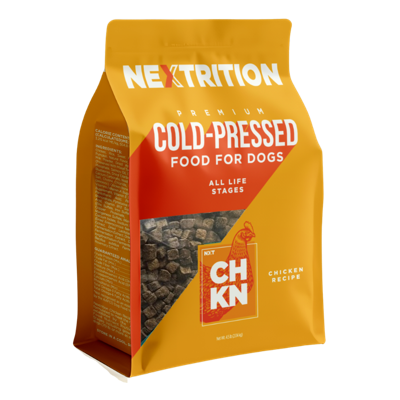
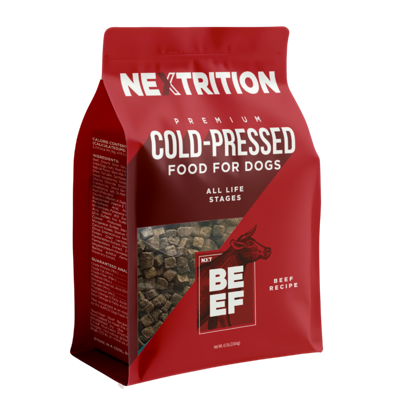
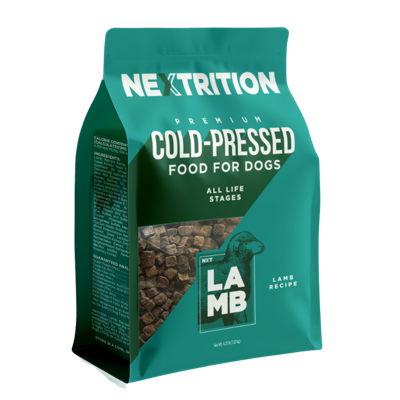
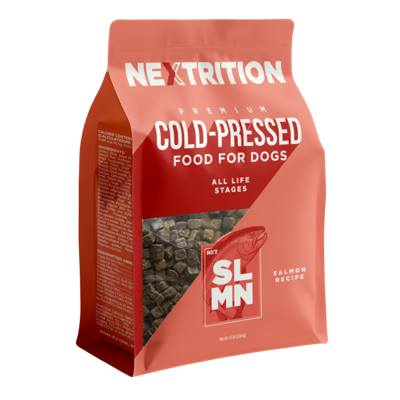
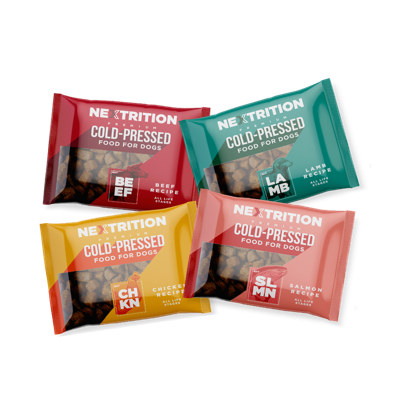
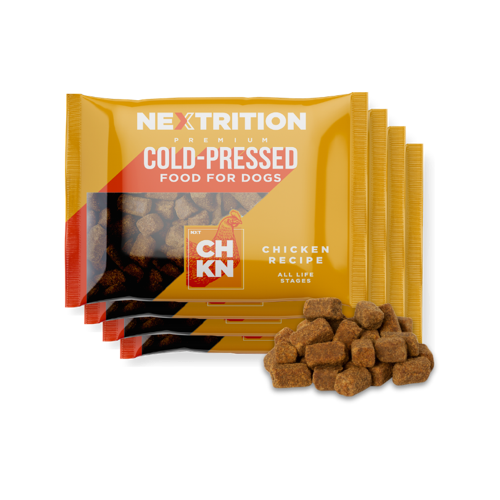
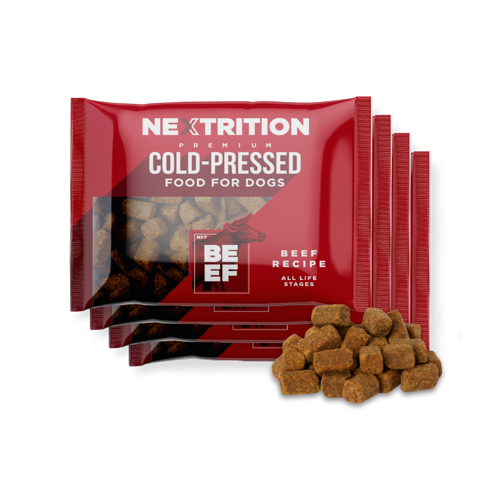
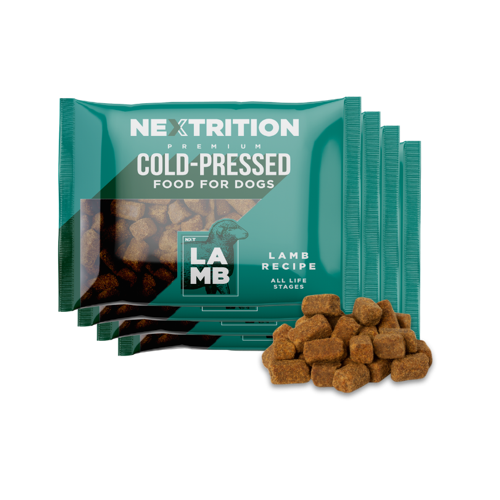
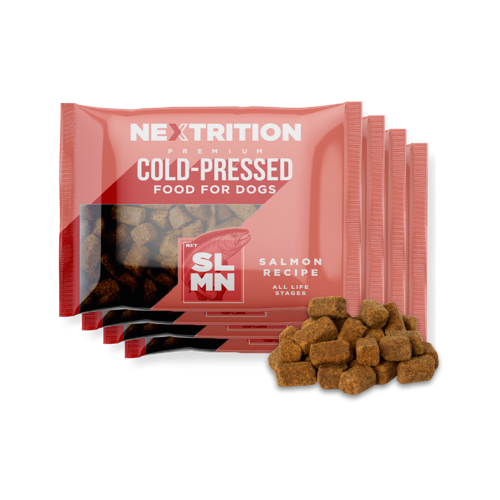
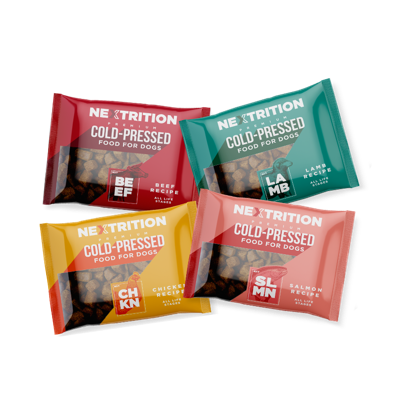
That’s the standard we built around. Our recipes use real meat, fruits and veggies, and Rocky Mountain waters, with four options including lamb, chicken, salmon, and beef. Not for novelty. For trust.
A lot of health-conscious owners don’t need exotic ingredients. They need a formula that feels clean, consistent, and well made. That’s a different standard than “premium” as a label.
Signs the Upgrade Is Paying Off After You Switch
If you make the switch, don’t expect fireworks. Healthy dogs often improve in quieter ways.
Give it a few weeks and watch what actually changes in daily life:
- stools become more consistent and comfortable
- digestion looks easier after meals
- appetite stays strong
- energy feels steady, not erratic
- skin and coat look healthier
- your dog just seems more settled
Sometimes the biggest signal is the lack of friction. Less stomach noise. Less random stool inconsistency. Better mealtime interest by the second week. Small things, but they add up.
Your own experience matters too. If you feel more confident in the ingredients, the portions are clear, and the routine is easy to maintain, that counts. Worth isn’t just biological. It’s operational.
When Cold Pressed May Not Feel Worth It
We’re not going to pretend it fits every owner or every priority.
If you’re only looking for the cheapest calories, it probably won’t feel worth it. If your dog is doing exceptionally well and you place very little value on lower processing or ingredient integrity, you may not see enough upside to justify the premium.
And some cold-pressed foods lean hard on the method while falling short on the formula. That’s real. Cold pressing is a manufacturing choice, not a guarantee of excellence.
So skepticism is healthy here. The value depends on the whole picture:
- ingredient quality
- manufacturing approach
- digestibility
- routine fit
- what you actually care about as an owner
If the food doesn’t align with those, the label alone won’t save it.

How to Decide if the Premium Cost Fits Your Dog and Your Routine
This decision gets easier when you stop comparing bag prices in isolation. Compare total value instead.
Ask yourself:
- Do you care about preserving more natural nutrient value through lower-temperature processing?
- Is gut health and immune support a priority, even if your dog isn’t struggling right now?
- Does your dog tend to do better on food that feels less harshly processed?
- Are you willing to pay more for better ingredients and preventive support?
- Can you stick with the routine without it becoming annoying or inconsistent?
That last one matters. A food can look perfect on paper and still fail if the routine breaks down after a month.
Feeding is repetitive. Which means a thoughtful choice has to be sustainable, not just idealistic. In our view, feeding your dog is one of the most ordinary things you do for them, and one of the most important.
A Personalized Feeding Approach Makes Premium Food Easier to Stick With
Part of value comes from how easy the system is to live with. Not just the food itself.
A personalized meal plan helps take some guesswork out of portions and product choice. That reduces decision fatigue, which is a real issue once the excitement of trying something new wears off. If you’ve ever found yourself scooping “about the usual amount,” you know how fast precision drifts.
We offer personalized meal plans, plus the option for one-time purchases or subscriptions with regular doorstep delivery. That flexibility matters more than people think. A premium nutrition routine only works if you can keep it going without friction.
Convenience isn’t separate from quality. It protects consistency.
Common Misunderstandings About Cold Pressed Dog Food and Value
A few misunderstandings keep this category confusing, so let’s clear them up.
- Cold pressed does not mean raw.
- Cold pressed does not automatically mean every formula is healthy.
- Premium price does not always equal premium value if the ingredients are weak.
- A dog does not need to be visibly unwell for nutrition quality to matter.
- Better food isn’t only about fixing problems.
- Healthy digestion, coat, appetite, and energy are valid outcomes to care about, even in a dog that already seems fine.
That last point is easy to dismiss until you’ve seen the difference between “not doing badly” and actually thriving. Those are not the same standard.
Conclusion
So, is cold pressed dog food worth it for healthy dogs? Yes, when you care about more than basic calorie delivery.
The real cold pressed dog food value comes from the combination of lower-temperature processing, stronger ingredient standards, support for digestive balance and gut-centered immune health, and the kind of daily results you can actually observe over time.
If you’re weighing the premium, look at your current food through a sharper lens. Consider how it’s processed, what quality of ingredients it uses, and how your dog really feels day to day. Not just whether they seem “fine.”
Fine is a low bar. If you’re trying to protect health, not merely maintain appearances, a more thoughtful food can be worth it.


