




Does cold pressed dog food cause bloating? Sometimes you're just seeing a dog who ate too fast, got too much, or switched food too fast.
What matters is the recipe, the portion, and how you change it over. We've seen more belly trouble from rushed transitions and eyeballed scoops than from cold pressing.
Start here:
- A tight, painful belly with retching is not "food sensitivity." Call your vet fast.
- Measure meals. Cold pressed food is denser, so guessing by cup size can backfire.
- If your dog is still gassy after a week, check eating speed and recipe fit before blaming the bag.
The Short Answer Most Dog Owners Need First
No, cold pressed dog food does not cause bloating just because it is cold pressed.
A swollen-looking belly after a meal can come from a few very different things. Sometimes it's simple fullness. Sometimes it's gas. Sometimes it's a dog that inhaled dinner in 40 seconds. Sometimes it's a recipe that doesn't suit that dog. And sometimes, more seriously, it's true bloat or GDV, which is a veterinary emergency and not something to watch at home.
That distinction matters more than the label on the bag.
If you're asking does cold pressed dog food cause bloating, the more useful question is this: is the food digestible for your dog, built with ingredients your dog handles well, fed in the right amount, and introduced slowly enough for the gut to adapt?
One off meal with a rounder belly doesn't mean you've failed your dog or chosen the wrong food. It means you need to read the situation correctly.
A food format is not a diagnosis.
What Dog Owners Mean by Bloating and Why the Distinction Matters
Most owners use the word bloating to mean any belly that looks bigger than usual. Fair enough. But medically, those situations are not all the same, and treating them like they are creates a lot of unnecessary panic.
In plain language, people usually mean one of these:
- normal post-meal fullness
- gas and abdominal discomfort
- visible stomach distention
- true gastric dilatation-volvulus, or GDV
GDV is the one you don't wait on. It's most common in large, deep-chested breeds, though smaller dogs can be affected too. The signs aren't subtle for long. You may see unproductive retching, restlessness, a hard or distended abdomen, pain, weakness, or collapse in more advanced cases.
Everyday digestive bloating looks different. A dog may seem gassy, slightly uncomfortable, or fuller than usual after eating, then settle. That's not nothing, but it's not the same emergency.
We've seen owners blame the newest food immediately when the real issue was speed of eating or too much food in one sitting. That happens a lot. The belly is the symptom. The label gets blamed first.
This guide is about routine feeding concerns first, while helping you recognize when to stop reading and call your vet.

What Cold-Pressed Dog Food Is and How It Differs From Standard Kibble
Cold pressed is a manufacturing method. It is not an ingredient category, and it is not a health claim by itself.
The process is fairly simple:
- ingredients are ground and mixed
- that mix is pressed
- no steam is used
- temperatures are much lower than extrusion, often around 40 to 80°C
Standard extruded kibble is made differently. Ingredients are mixed into a dough or mash, cooked at much higher temperatures, often above 120°C and sometimes much higher, then pushed through equipment that creates that expanded, puffed shape. After that, fats, vitamins, and flavor coatings are often added back on the outside.
You can usually see the difference with your eyes and feel it in your hand. Cold-pressed food is denser and less airy. Extruded kibble tends to look lighter and more expanded.
For owners who care about processing, this matters. Lower-temperature production appeals to people who want a less heavily processed dry food and care about preserving more of what is naturally present in real meat, fruits, and vegetables. That's part of why we do it this way at Nextrition. We make our recipes at roughly 3 times lower temperatures, using real ingredients and Rocky Mountain waters, because the gut doesn't benefit from more processing than it needs.
Still, denser doesn't mean riskier. Puffed doesn't mean safer. The method tells you something, but not everything.
What the Research Actually Says About Food Type and Bloat
Current research does not support the idea that dry food alone clearly increases or decreases the risk of GDV. That includes broad assumptions about one dry format versus another. If someone says a food causes true bloat just because it's dry or just because it's pressed, they're skipping too many steps.
One finding that calms a lot of fear is this: the gas found in bloat cases has been identified mainly as swallowed air, not primarily fermentation gas produced by bacteria. That's important because it shifts attention away from simplistic claims that one food "creates gas" and therefore causes GDV.
A few other evidence-based points are worth keeping in view:
- moistening dry food has not been shown to reduce GDV risk
- elevated bowls have not been shown to help, and one long-term study associated them with increased GDV incidence
- exercise before or after eating did not show an effect in the referenced research
- feeding more than once daily appears more helpful than feeding only once a day
There is also one useful nuance. In one study, foods with fat or oil listed among the first several ingredients were associated with increased GDV risk. The likely reason is that higher-fat diets may slow stomach emptying. That's not the same as saying fat is bad or that a specific food is dangerous. It means formulation matters.
That's the real lesson here. Research doesn't give us a clean villain. It tells us to pay attention to recipe design, feeding pattern, and individual risk.
Bloating Concerns Need a More Nuanced Lens
Some owners feel cold-pressed food is gentler for a few reasons:
- lower-temperature processing feels less harsh
- the dog food is dense rather than expanded
- the ingredient profile is often more natural and less manipulated
There is logic there. But digestibility isn't decided by philosophy alone.
Heat can improve starch digestibility through gelatinization. Heat can also denature proteins and reduce certain anti-nutritional factors. So high heat is not automatically the enemy. Lower heat is not automatically superior either. Recipe design changes the answer.
One older study makes that tradeoff clearer. Pressed diets showed higher apparent protein digestibility when gelatinized corn starch was used. When native grains were used, the reverse pattern was observed. In other words, ingredients and process interact.
That's the part many articles skip because it ruins the simple headline.
If your dog does well on a thoughtfully formulated cold-pressed recipe, that matters more than marketing from either camp. Observed tolerance beats theory. A comfortable dog with steady stools tells you more than a label ever will.
Why Ingredient Quality and Recipe Fit Matter More Than the Label
Once you get past the format argument, the real work starts with what's actually in the bowl.
A dog with digestive sensitivity often reacts more to ingredient quality, protein choice, fat level, and formula fit than to whether the food is called cold pressed. We've seen dogs struggle on one premium food and do very well on another that was simply a better match. Same format. Different outcome.
Good decision criteria are more grounded than most packaging language:
- real meat as a meaningful protein source
- fruits and vegetables for a more whole-food approach
- sensible fat levels for the individual dog
- fewer unnecessary fillers
- less dependence on sprayed-on palatants to make the food seem irresistible
Gut comfort matters beyond the stomach. Around 70% of a dog's immune system resides in the gut, so a food that supports calm digestion often shows up elsewhere too, in energy, coat quality, and resilience.
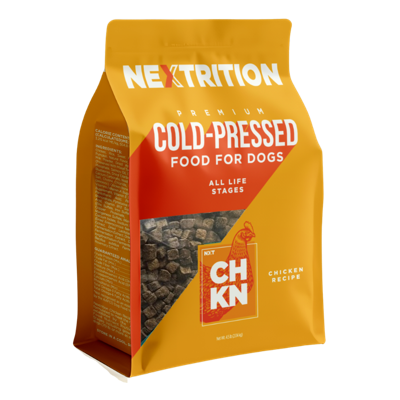
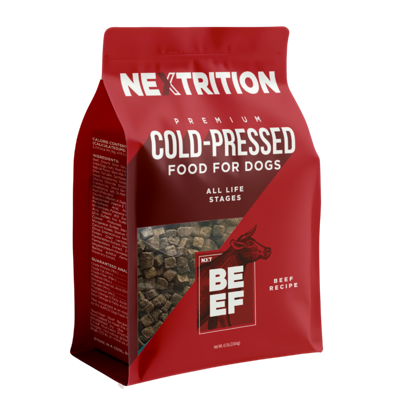
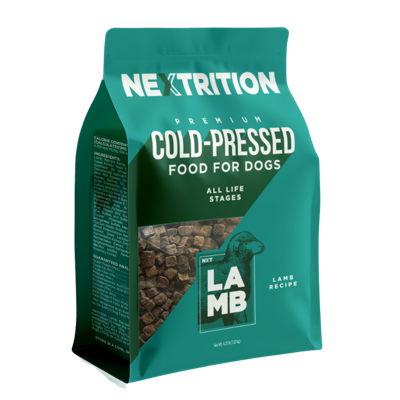
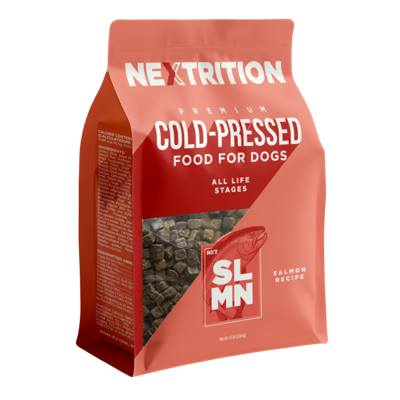
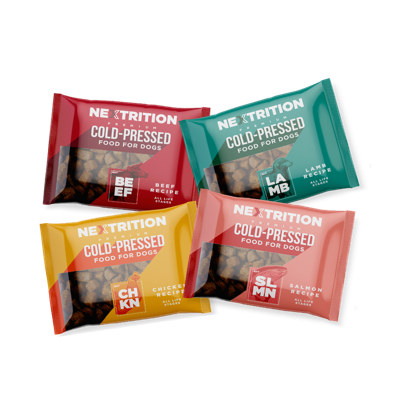
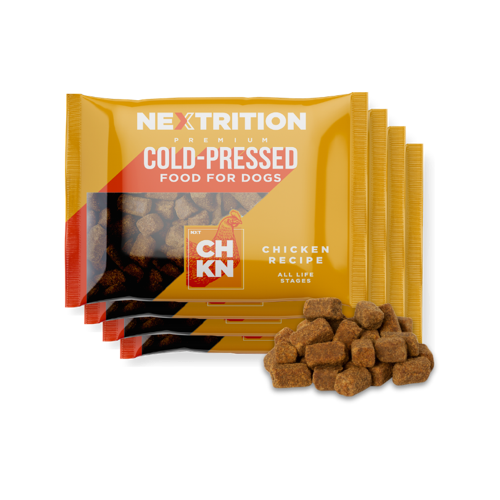
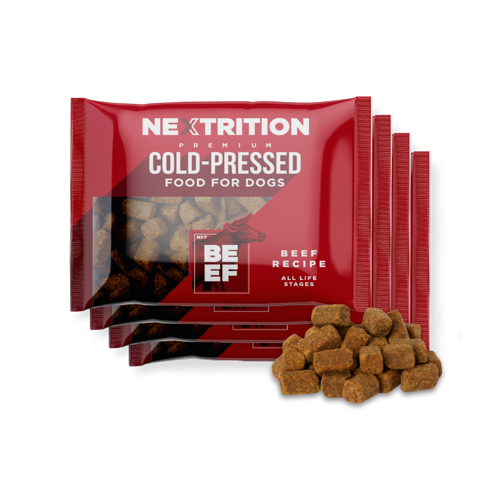
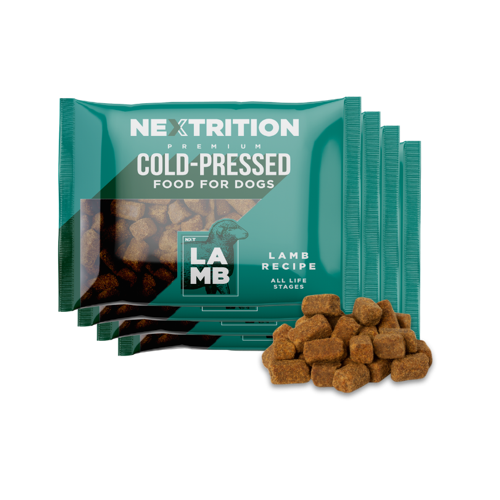
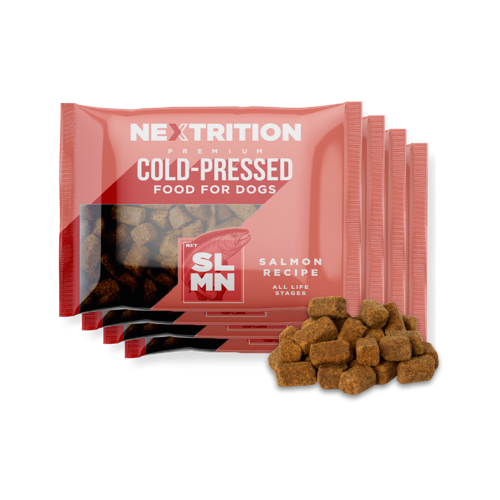
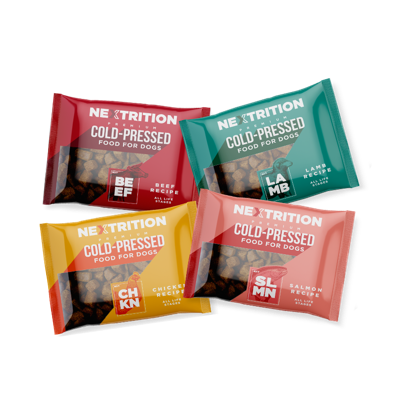
At Nextrition, our cold-pressed lamb, chicken, salmon, and beef recipes give owners a practical way to match protein choice to digestive history and preference instead of forcing one formula on every dog. That's useful when you're working with a dog who clearly does better on one protein than another.
When you're deciding whether a recipe fits, watch the obvious things:
- previous tolerance to the protein
- stool quality
- appetite
- skin and coat response
- comfort after meals
The label gets attention. The dog's response gets the final vote.
Why a Food Switch Can Cause Temporary Gas Even if the New Food Is Better
A better food can still cause a messy first week. That's normal enough that it should be said plainly.
When you change food, the gut microbiome has to adapt. So does the digestive system. New recipe, new texture, new fat level, new ingredient profile, sometimes even a new portion size. Any of those can create short-term gas, softer stool, or a belly that looks different for a few days.
Cold-pressed food can also change feeding rhythm because it's denser. Owners sometimes serve it by eye as if it were their old kibble, and that's where things go sideways. Dense food in an oversized portion doesn't prove the food is bad. It proves measuring matters.
Mild adjustment is one thing. Worsening discomfort, persistent distention, repeated vomiting, or signs of pain are another. Don't call every symptom a transition. But don't panic over one off meal either.
Watch the pattern over several days. By the second or third day, you usually have better information than you did after bowl number one.
How to Introduce Cold-Pressed Food Without Triggering Digestive Upset
A careful transition solves a lot of problems before they start. We usually recommend 7 to 10 days, and longer for sensitive dogs.
A simple sequence works well:
- Start with mostly current food and a smaller amount of cold pressed.
- Increase the new food every few days.
- Slow down if your dog shows gas, loose stool, or obvious sensitivity.
A few habits make a bigger difference than people expect:
- measure meals carefully instead of eyeballing
- split food into more than one meal per day
- avoid sudden large portions
- use slow-feeding strategies for dogs that gulp
- keep fresh water available
This is one of those operator details that gets missed: feeding amounts may differ from your previous kibble because dense foods are not portioned the same way. If you use the old scoop and the old visual cue, you can create your own problem.
For owners who want more confidence upfront, a personalized meal plan helps. It lets you choose the right recipe and portion before you're guessing your way through a transition. That matters, especially with dogs who have a history.

Signs Your Dog Is Adjusting Well vs Signs the Food Is Not a Fit
You don't need a lab test to spot a good fit. You need a few days of honest observation.
Positive signs tend to look like this:
- steady appetite
- comfortable belly after meals
- normal or improving stool quality
- good energy
- stable skin and coat
When the fit may be off, you often see patterns instead of one dramatic event:
- repeated gas after the transition period
- ongoing loose stool
- frequent stomach noise
- discomfort after eating
- refusal to eat
- itchiness or other signs that may point to intolerance
Some of these are formula issues. Some are feeding-management issues. That's a crucial difference.
A dog may struggle because:
- the portion is too large
- the transition happened too fast
- the fat level is too much for that dog
- meals disappear too quickly
Track it instead of guessing. Write down the recipe, how much was fed, how quickly your dog ate, and when symptoms showed up. A different protein or a slower transition may solve the issue without abandoning cold pressed as a category.
When a Swollen Belly Is an Emergency and Not a Feeding Debate
This part is simple and serious.
If your dog has unproductive retching, restlessness, obvious abdominal distention, pain, weakness, or collapse, get veterinary care immediately.
At that point, the question is no longer whether cold pressed dog food digestion bloating is the issue. GDV is rapidly progressive and time-sensitive. Don't wait to see whether the food settles. Don't assume it's just gas.
If the signs look urgent, treat them as urgent.
How to Choose a Cold-Pressed Food if Your Dog Has a Sensitive Stomach
Sensitive dogs do better when you choose with discipline, not hype.
Start with the protein source your dog has tolerated well before. Then look at ingredient transparency, a reasonable fat profile for your dog's needs, and whether a lower-processing approach fits your feeding philosophy. After that, check whether the feeding guidance is clear enough to portion accurately.
That framework is more useful than words like natural or gentle. Those words don't digest the food. Your dog does.
Many health-conscious owners prefer cold-pressed options because lower-temperature processing, real meat, fruits, and vegetables align with a gut-health-first approach. We think that's a sensible bias, especially if you're trying to support digestion, immunity, skin, and coat without leaning on a heavily processed dry food.
Consistency matters too. If you're doing a careful diet trial, one-time orders or subscription delivery can make it easier to stay on plan long enough to judge the food fairly. Frequent switching creates noise. Then people blame the wrong thing.
Conclusion
Cold pressed dog food does not inherently cause bloating. The better question is whether the recipe, portion, feeding routine, and transition actually fit your dog.
Bloating is not caused by a label alone. Digestion is shaped by ingredient quality, formulation, processing, and feeding habits, all working together. That's why the same food can be easy for one dog and a poor fit for another.
Watch your dog closely. Transition gradually. Measure honestly. Split meals when it helps. And if you see true red flags, move fast and call your vet.
If you want a gentler dry-food approach rooted in real ingredients and lower-temperature processing, compare recipes thoughtfully and choose the one that supports your dog's gut comfort and long-term health, not the one with the loudest claim on the front of the bag.


