




Shopping for real meat first dog food gets messy fast. Nice packaging hides the stuff you actually notice at home: loose stools, gas, itchy skin, and a dog who's fine one day and off the next.
What matters is simpler than people think: named meat first, ingredients you recognize, and a process that goes easier on digestion.
Start here:
- Read the first five ingredients.
- Check how the food is made.
- Pick one protein, transition slowly, and end up with a shorter list and fewer bad surprises.
What Real Meat First Dog Food Really Means
Real meat first dog food sounds simple, but a lot of labels try to borrow the idea without really delivering it. In practice, it means an identifiable animal protein like chicken, lamb, salmon, or beef appears first on the ingredient list. That tells you the recipe is built around animal protein as a primary input, not treated like a garnish.
That’s different from vague terms like “meat,” “animal derivatives,” or formulas that open with starches and low-cost fillers. We’ve looked at enough labels to know the first few ingredients usually tell the truth faster than the front of the bag does.
Health-conscious dog owners care about this because dogs do better when their food starts from nourishment, not cost control. A named protein source is a stronger signal than a bag full of soft claims about wellness or vitality.
Still, real meat first is the entry point, not the whole answer. The rest of the formula matters. So does how the food is made.
When we talk about real ingredient dog food or whole ingredient dog food, we mean something pretty concrete:
- named animal proteins
- recognizable fruits and vegetables
- natural components that read like food
- a formula that isn’t leaning too hard on synthetic positioning or ultra-processed structure
Gut health rarely improves because of one trendy add-in. It usually improves when the whole system gets better: meat quality, digestibility, fiber balance, and gentler preparation. That’s the frame worth using.
Start with the first ingredient, then keep reading. The first claim is rarely the full story.
Why Gut Health Is the Real Issue Behind So Many Everyday Symptoms
A lot of owners notice the surface problem first. Soft stools. Gas. A dog that skips a meal, then eats like nothing happened the next day. Maybe the coat looks dull, the skin gets itchy, or energy feels uneven.
Those signs don’t always scream “gut issue,” but they often point in that direction.
The digestive tract is doing more than moving food along. It’s handling nutrient absorption, microbial balance, stool formation, and a large share of immune activity. Roughly 70% of a dog’s immune system is tied to the gut. So when digestion is strained, the downstream effects can show up in places that seem unrelated at first.
Here’s where owners usually get stuck. They treat each symptom as a separate problem:
- loose stool becomes a cleanup issue
- licking paws becomes a skin issue
- low energy becomes an age issue
- picky eating becomes a behavior issue
Sometimes it is. Often it isn’t. The gut is the common denominator more often than people think.
Food is one of the few daily levers you actually control. When the foundation improves, you may see more comfortable digestion, steadier stools, better energy, and a healthier skin and coat picture over time. Not overnight. But steadily.
You don’t need to chase every gut health trend to make progress. Most dogs don’t need a shelf full of powders. They need a better base.
Why Ingredient Quality Matters More Than Marketing Language
Marketing language is cheap. Ingredient quality isn’t. That’s why we always tell people to read past the front panel.
Quality dog food ingredients look specific. You can recognize them. You can tell what role they play. Named meats, natural fruits and vegetables, purposeful fiber sources. A formula that reads more like food and less like a workaround.
Premium dog food ingredients should be judged on three things:
-
Specificity
Chicken tells you more than poultry. Salmon tells you more than fish. -
Digestibility
A food can hit nutrient targets on paper and still be harder on the gut in real life. -
Balance
You’re not buying one heroic ingredient. You’re buying the whole recipe.
A common mistake is assuming expensive packaging equals premium nutrition. It doesn’t. Another is assuming that if a food meets basic standards, all formats will feel the same in your dog’s digestion. They won’t.
Highly processed diets can still check regulatory boxes. That doesn’t mean they deliver the same stool quality, comfort, or consistency as a less processed option built from stronger inputs. We’ve seen that gap enough times to stop pretending labels are neutral.
Look closely at:
- ingredient order
- named versus vague sourcing
- whether produce is recognizable
- whether the formula looks built from whole-food inputs or assembled around low-cost bulk
Premium dog food ingredients do their best work when the preparation method protects them. If the process strips away too much value, the ingredient list can look better than the bowl performs.
What Research Suggests About Diet Format and Digestive Outcomes
Diet format matters more than many labels want to admit. Raw, freeze-dried, fresh, minimally processed, and extruded foods may all be sold as complete nutrition, but they don’t behave the same way in the body.
Controlled comparisons have shown meaningful differences. In one study looking across multiple diet types, protein digestibility was higher in some raw and freeze-dried diets than in fresh and extruded diets. Fat digestibility differed too, which matters because digestion is not just about what goes in, but what your dog can actually use.
One practical signal stood out. Dogs eating extruded food produced more fecal output than dogs eating other formats in that comparison. Owners notice that fast. More waste usually doesn’t feel like premium feeding.
The same comparison also found looser stools and lower fecal dry matter in dogs eating extruded and fresh diets than in some raw and freeze-dried options. Fecal pH, fermentation byproducts, bile acids, and the relative abundance of many gut bacteria also shifted significantly by diet format. That’s not cosmetic. That’s the digestive environment changing.
Another controlled crossover study found that a minimally processed diet produced:
- better fecal consistency
- a lower post-meal glycemic response
- higher microbial diversity
than an extruded kibble diet.
The useful takeaway is not that every minimally processed food is automatically better or that every kibble is poor. That would be lazy thinking. The research points to something more useful: processing level can shape digestibility, stool quality, metabolism, and the microbiome in ways owners actually see at home.
Ingredient source, nutrient profile, and processing all interact. If you only look at one variable, you’ll miss the pattern.
Why Gentler Processing Can Make a Difference
Heavy processing changes food. Sometimes more than people realize. It can alter structure, affect how nutrients behave, and influence digestion, stool quality, and metabolic response.
That’s why we see cold-pressed preparation as a practical middle ground. For owners who want real meat first dog food without taking on raw feeding, it offers a less aggressive approach to making a complete daily food.
Our cold-pressed recipes are made at 3x lower temperatures. That matters because the goal isn’t just to produce a shelf-stable pellet. The goal is to protect more of what quality ingredients naturally bring to the bowl.
That only works if the ingredients are worth protecting in the first place. Gentler processing is not a substitute for premium dog food ingredients. It’s the method that lets them hold their value more effectively.
Raw and freeze-dried formats deserve a fair mention here. Some less processed diets have shown strong digestibility outcomes. But raw feeding also comes with handling and safety concerns, and freeze-drying is not the same as cooking. For plenty of owners, that tradeoff is real by the second week, not just in theory.
Cold-pressed food makes sense when you want:
- more ingredient integrity than standard kibble often delivers
- easier daily handling than raw
- a complete food built for digestive support and routine consistency
Convenience matters, but not at the expense of the gut. That’s the line we care about.
The Building Blocks of Better Gut Health in Real Ingredient Dog Food
If you strip the topic back to first principles, better gut support starts with a recipe your dog can actually work with. That usually means named animal protein leading the formula, supported by purposeful plant ingredients and sound sourcing.
Lamb, chicken, salmon, and beef are not interchangeable on a label. They give you a clear protein identity, which helps when you’re trying to match food to your dog’s tolerance history and preferences. That kind of specificity is useful. Vague labels make problem-solving harder.
Fruits and vegetables matter too, but not as decoration. In a strong whole ingredient dog food, they contribute fiber diversity, phytonutrients, and digestive support. They should feel integrated into the recipe, not sprinkled in to dress up the bag.
Balanced fiber is one of those quiet details owners underestimate until stool quality improves. Too little can leave digestion unsupported. Too much, or the wrong mix, can create its own mess. There’s nothing glamorous about fiber, but your yard tells the truth.
We also think ingredient sourcing and water quality belong in the conversation. Using Rocky Mountain waters isn’t a gimmick to us. It’s part of building a cleaner nutrition story for owners who care about what goes into the full system.
The outcomes people care about are not abstract:
- comfortable digestion
- more consistent stools
- immune support
- healthier skin and coat
Whole ingredient dog food is not about perfectionism. It’s about feeding something that behaves more like nourishment than filler.
How to Read a Label Like a Calm, Confident Buyer
Good label reading is less about memorizing buzzwords and more about following a simple sequence. You don’t need a spreadsheet in the pet aisle. You need a filter.
Start here:
-
Read the first five ingredients
Is the recipe led by named meat? Are recognizable produce ingredients supporting it? -
Check for specificity
Chicken is clearer than poultry meal. Beef is clearer than animal derivatives. -
Look at carbohydrate and fiber sources
Do they seem purposeful and digestible, or just cheap bulk to hold the formula together? -
Watch for artificial clutter
A long list of colors, flavors, and unnecessary extras often signals compensation, not quality. -
Match the protein to your dog’s history
If your dog has had inconsistent stools or suspected sensitivities, don’t ignore that pattern. -
Consider how the food is made
The same ingredient list can perform differently depending on processing.
When comparing two options, ask one blunt question: would you describe this as quality dog food ingredients, or mainly a formula engineered around low-cost inputs?
That question clears up a lot of confusion fast.
Signs Your Dog May Benefit From a Better Food Foundation
Most owners don’t rethink food because of one bad day. It’s usually the pattern that gets them there.
Loose stools that keep returning. Frequent gas. Messy cleanups that feel too common to ignore. Paw licking. A rough coat. Appetite that comes and goes. Energy that feels just a little flatter than it should.
Not every symptom is caused by food. We wouldn’t tell you otherwise. But food is one of the most controllable variables in your dog’s daily life, which makes it a sensible place to start looking.
Pay attention to repetition, not isolated incidents. A random off day happens. Recurring digestive discomfort is different.
Dogs with sensitive stomachs often do better when owners simplify the formula and improve ingredient integrity rather than stacking supplements right away. We’ve seen people spend months adding things when the smarter move was to clean up the base food first.
If symptoms are sudden, severe, or persistent, get veterinary guidance. No article should talk you out of that.
Still, choosing a better food foundation isn’t an overreaction. In many cases, it’s the most practical move on the table.
Choosing the Right Recipe for Your Dog’s Needs
Picking the right recipe should be straightforward, but owners often overcomplicate it. Start with your dog, not the trend.
Look at:
- protein preference
- tolerance history
- current stool quality
- age and activity level
- whether skin and coat support are a priority
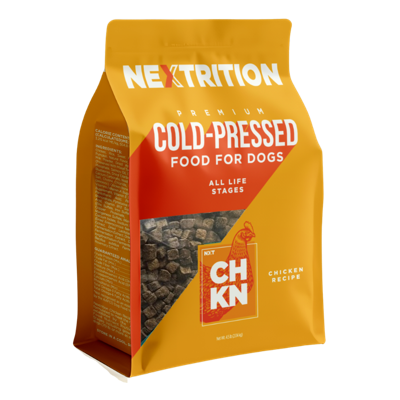
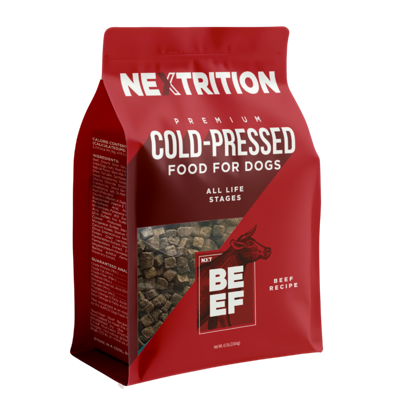
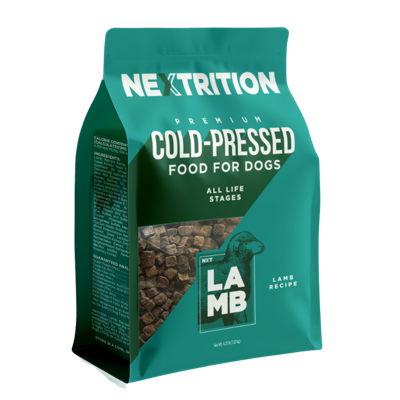
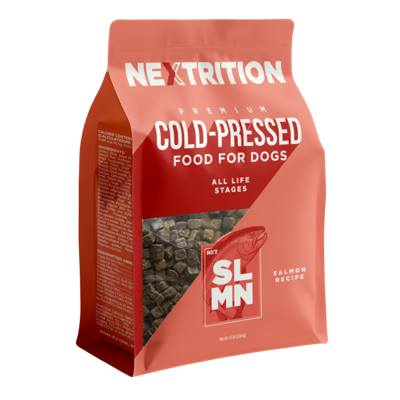
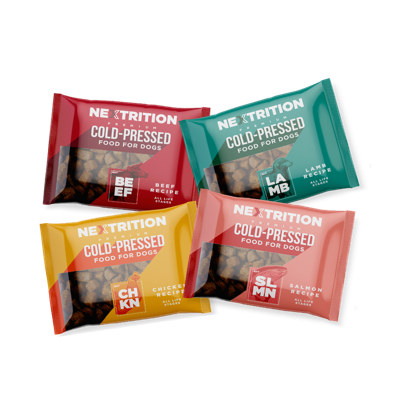
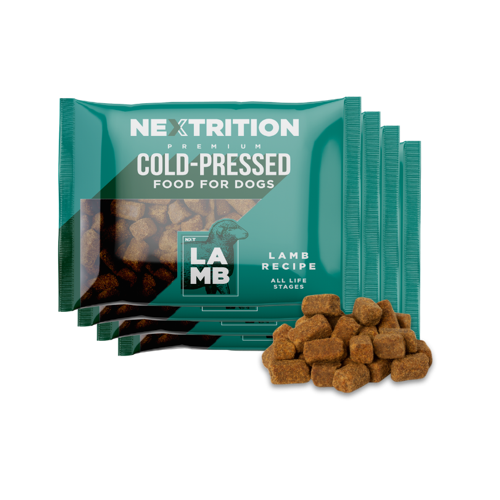
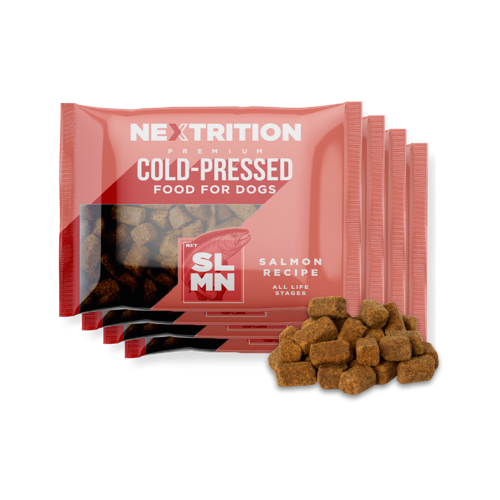
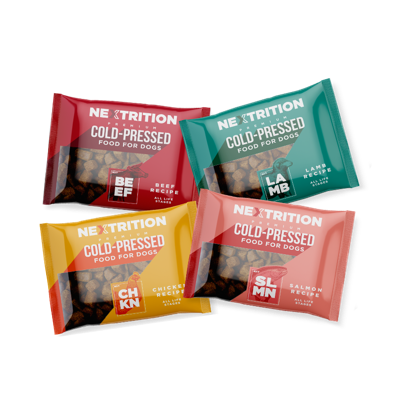
A real meat first dog food line with multiple protein options gives you room to match the recipe to the dog instead of forcing the dog to fit the food. That’s one reason we built four cold-pressed recipes around lamb, chicken, salmon, and beef.
Salmon often appeals to owners focused on skin and coat support. Lamb or chicken may make sense as a simpler starting point for some dogs. Beef can work well for others who do well on red meat. The right answer depends on the dog in front of you.
Don’t change five variables at once. Choose one clear starting point, give it a fair run, and track what happens.
The best food is the one your dog digests well, enjoys eating, and can thrive on consistently. Not the one with the loudest claims.
How to Transition Without Upsetting the Gut
Even a better food can go badly if you switch too fast. We’ve seen owners blame the new recipe when the real problem was the speed of the changeover.
A gradual transition gives the digestive system and gut microbiome time to adapt to a new ingredient profile and processing style. Keep it simple:
- days 1 to 3: mostly old food, small amount of new
- days 4 to 6: move closer to a half-and-half mix
- days 7 to 9: mostly new food
- day 10 and beyond: full transition if stools and appetite stay stable
During that period, monitor:
- stool quality
- appetite
- gas
- energy
Keep treats and toppers consistent so you can judge the new food fairly. Otherwise, you’re testing three things at once and learning nothing.
If your dog has a sensitive history, take notes. Even quick phone photos of stools can help you spot whether things are improving or just fluctuating. Not glamorous, but useful.
A personalized meal plan can also take some of the guesswork out of the starting point. That’s often better than standing in front of a shelf trying to decode packaging language.
Real Meat First Dog Food vs Standard Kibble vs Raw Diets
This doesn’t need to be ideological. It needs to be useful.
Standard extruded kibble is convenient and widely available. It can meet basic nutritional needs. But research suggests extruded formats can lead to higher fecal output and different stool and microbiome patterns than less processed diets. For some dogs, that gap shows up clearly.
Raw and freeze-dried diets appeal to owners focused on minimal processing and ingredient purity. Some studies have shown strong digestibility outcomes in certain raw and freeze-dried formulas. But raw feeding brings handling and safety concerns, and freeze-drying should not be confused with cooking.
Cold-pressed real ingredient dog food sits in a practical middle lane. It offers a less processed route than standard kibble while being easier to handle than raw. For owners who want whole ingredient dog food, digestive support, and a routine they can actually maintain, that balance matters.
Choose based on your priorities:
- gut comfort
- confidence in ingredients
- convenience
- risk tolerance
A good feeding plan has to work on a Tuesday morning, not just in theory.
What Makes a Food Feel Truly Premium to a Health-Conscious Owner
Premium shouldn’t mean expensive-looking. It should mean functional, clear, and worth repeating every day.
Premium dog food ingredients are recognizable and purposeful. They’re paired with a process designed to preserve value, not flatten it. If the formula is hard to understand, it usually gets harder to trust.
Real premium value often shows up in boring but important ways:
- firmer stools
- easier digestion
- steadier feeding consistency
- visible vitality over time
That’s what health-conscious owners actually want. Less second-guessing. Fewer digestive surprises. A routine that feels credible.
Convenience belongs here too. Doorstep delivery and subscription options are not luxury theater. They help make a better routine sustainable, especially if you’ve finally found a recipe your dog does well on. Consistency is easier when you’re not running out and replacing it with whatever is nearby.
Premium should reduce decision fatigue, not add to it.
Mistakes to Avoid When Shopping for Whole Ingredient Dog Food
Most mistakes happen because the bag is easier to read than the formula. A few are worth calling out directly.
- assuming the meat pictured on the front means the recipe is led by real meat
- getting distracted by one fashionable ingredient while ignoring the rest of the formula
- treating raw, freeze-dried, fresh, cold-pressed, and kibble as if they create the same digestive experience
- switching too quickly and judging the new food before the gut has time to adjust
- buying only on price, then paying more later through trial and error
- expecting one food to fix everything immediately instead of watching for steady progress
- ignoring how much easier consistency becomes when you can match the food through a personalized plan and have it delivered regularly
The quiet mistake underneath all of these is impatience. Good nutrition usually shows up as a trend line, not a dramatic moment.
Conclusion
Better gut health often starts with a simpler question than most owners expect: is the food built around real meat first, quality dog food ingredients, and a gentler preparation method that helps protect what those ingredients can offer?
That shift matters. It moves you away from anxious label-reading and toward a calmer way of choosing, based on digestibility, ingredient integrity, and practical fit for your actual dog.
Pick a recipe that matches your dog’s needs. Transition gradually. Track what you see. And if you want a clearer starting point, use a personalized meal plan so the decision feels guided instead of guessed. That’s usually where confidence starts.


