


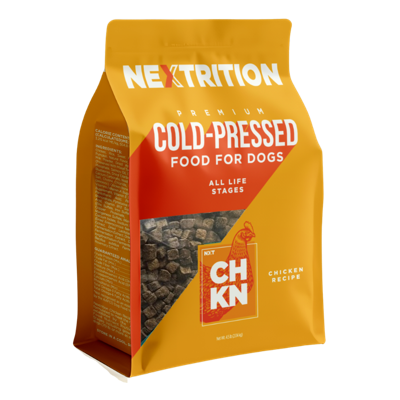
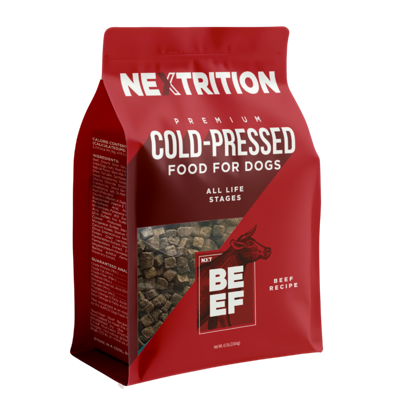
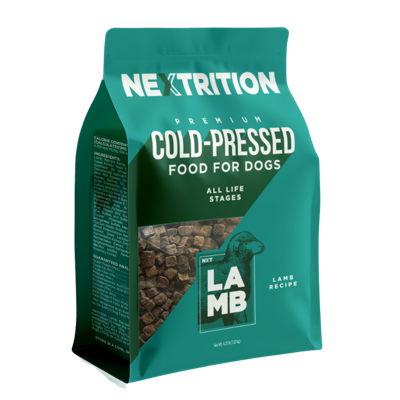
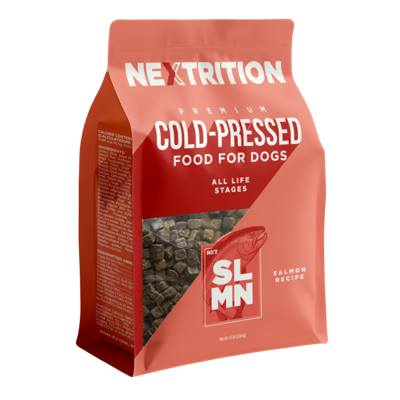


If you're looking for sensitive stomach dog food, you know how fast feeding turns into guesswork. One bag seems fine, then loose stools, a gurgly belly, and skipped breakfast come right back.
What people miss is that gentle food still needs to be easy to digest every day. Simple protein, moderate fat, steady portions, and a slow switch matter more than a pretty bag.
A few things to watch:
- The first five ingredients, not the front label.
- Stools changing by day 3, not just the first meal.
- One change at a time so your dog's gut can settle.
What Sensitive Stomach Dog Food Actually Means
Sensitive stomach dog food isn't a diagnosis. It's a practical category for dogs who keep showing you the same pattern: loose stools, gas, bloating, occasional vomiting, picky eating, or a rough time every time their food changes.
In plain terms, it should be food that's easier for your dog to break down and use. Less digestive friction. Better stool quality. Fewer surprises.
That distinction matters because "sensitive stomach" often gets used too loosely. Some dogs have a food intolerance. That's usually a digestion problem. Their system doesn't handle a certain ingredient well. A food allergy is different. That's an immune response, and it can show up in the skin as much as the gut.
For health-conscious owners, this isn't just about cleaning up diarrhea. Better digestion usually means better nutrient absorption. And when your dog is actually absorbing what they're eating, you often see it elsewhere too:
- steadier energy
- more consistent appetite
- better stool form
- less mealtime discomfort
- stronger skin and coat support
A lot of gut health dog food marketing leans on trend language. We take a simpler view. Ingredient quality matters. Simplicity matters. Processing matters. If the food is hard on the body before it even reaches the bowl, the label can only do so much.
A sensitive stomach usually isn't asking for more hype. It's asking for less strain.
The Signs Your Dog’s Current Food May Not Be Working
Most owners don't miss the obvious signs. The harder part is noticing the pattern, especially when symptoms come and go.
A current food may not be working if you keep seeing:
- loose stools or recurring diarrhea
- gas that clears a room or keeps happening by the second afternoon
- bloating or a visibly tight belly after meals
- occasional vomiting or regurgitation
- stomach gurgling
- reduced interest in meals
- trouble tolerating treats, scraps, or sudden food changes
Some dogs show a wider picture. Itching. Skin irritation. Weight drifting up or down without a clear reason. A dog who approaches the bowl, sniffs, and walks away isn't always being fussy. Sometimes they're telling you the meal doesn't feel good afterward.
The frustrating part is the inconsistency. One week seems fine. Then one treat, one topper, one rushed transition, and you're back to second guessing everything. We've seen owners blame the last ingredient they added when the real issue was the formula was too rich all along.
Not all foods that sound clean or premium are truly easily digestible dog food. Some are overloaded with rich fats, too many proteins, or long ingredient decks that make troubleshooting almost impossible.
Recurring digestive upset is information. It isn't random bad luck. Often it means your dog needs gentler digestive support dog food, or at least a simpler formula with fewer moving parts.
When Digestive Symptoms Need a Vet, Not Just a Food Change
Food is powerful, but it isn't the answer to every stomach problem. Sometimes the smartest move is to stop troubleshooting the bowl and call your vet.
Vomiting and diarrhea can come from infections, parasites, pancreatitis, inflammatory bowel issues, blockages, or other conditions that need medical care. If symptoms are intense, frequent, or getting worse, don't try to out-manage them with a new bag of food.
Red flags are pretty straightforward:
- severe or repeated vomiting
- blood in the stool
- marked lethargy
- ongoing weight loss
- dehydration
- symptoms that don't improve after a reasonable transition period
A good vet may suggest an exam, stool testing, or a more structured elimination plan. That's not overkill. It's how you stop guessing.
We've seen this mistake too often: a dog has a real medical issue, but because the symptoms look like "just a sensitive stomach," the owner keeps rotating foods. More variables, less clarity. If your dog is crashing, food can wait.
Diet matters a lot. It just shouldn't replace proper evaluation when the situation clearly asks for it.
Why Digestion Starts With How Food Is Made
A lot of people focus only on ingredients. We think that's incomplete. Digestibility isn't shaped just by what's in the food. It's shaped by how the food was made in the first place.
Heavily processed food can be harder on sensitive dogs. High heat and aggressive processing may compromise nutrients and change the character of the ingredients in ways that don't always support easy digestion. That's one reason two foods with similar labels can perform very differently in the bowl.
Cold-pressed dog food is worth a serious look here. It's made at much lower temperatures than standard kibble. That gentler approach can help preserve nutrients that harsher processing may damage.
At Nextrition, we make our cold-pressed recipes at 3x lower temperatures because we want to preserve more of what the body recognizes and uses. For dogs with digestive sensitivity, that matters. A gentler process often fits better than a harsh one.
And digestion isn't just about poop, bluntly. Around 70% of a dog's immune system resides in the gut. Support the gut, and you're often supporting more than stool consistency alone. That's why we think sensitive stomach dog food should respect the integrity of the food itself, not just lean on add-in supplements to patch over a formula that was too aggressively processed from the start.
Common Reasons Dogs Develop a Sensitive Stomach
Usually there isn't one single cause. That's where owners get stuck. They want the one bad ingredient, but digestive issues are often layered.
Common causes include:
- sudden food changes that disrupt the gut microbiome
- rich or high-fat meals
- lower-quality formulas with fillers, additives, or too many possible triggers
- sensitivity to certain proteins, including chicken or beef for some dogs
- stress, anxiety, antibiotics, or illness
- chronic issues that need veterinary support
Here's the non-obvious part: a dog may tolerate a protein in one form and struggle with a richer, more processed version of that same protein. So it isn't always as simple as "my dog can't eat chicken." Sometimes your dog can't handle that chicken formula.
The same goes for switching. Some dogs react more to abrupt change than to the actual food. Owners blame the new recipe when the real problem was the transition was too fast.
Finding the right sensitive stomach food for dogs is often about reducing variables, not chasing the most elaborate formula. Fewer ingredients. Clearer protein source. A steadier routine. That gives you something you can actually read.
What to Look for in Sensitive Stomach Dog Food
If you're scanning labels, keep it practical. You're looking for a formula that's complete and balanced, but easier on digestion.
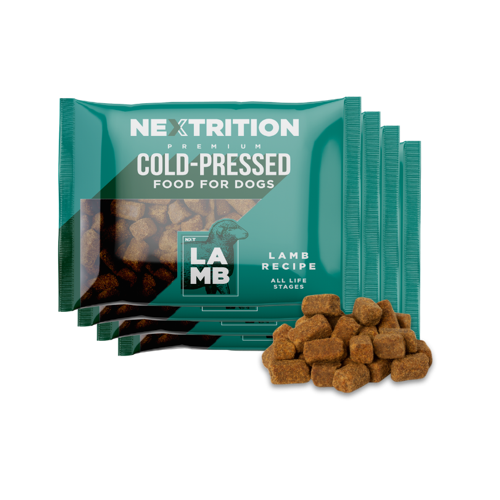
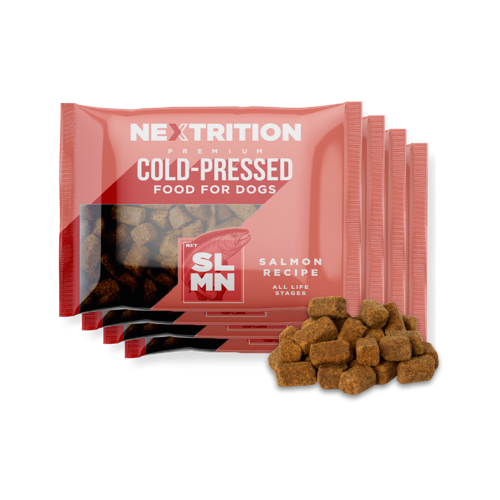
Start with protein. Real meat should be the focus. Simpler is usually better when you're trying to identify what works. Single-protein or limited-protein recipes can make your life much easier, especially if your dog has a history of reacting to common ingredients. Lamb or salmon can be helpful options when chicken or beef seem to create trouble.
Then look at richness. Many dogs with digestive sensitivity do better with moderate fat, not a very rich formula. A practical benchmark is often around 10 to 15 percent fat and roughly 3 to 5 percent fiber, though the right fit still depends on the dog in front of you.
A useful formula often includes:
- gentle carbohydrate sources like rice, oatmeal, or sweet potato
- prebiotics and fiber to feed beneficial gut bacteria
- probiotics or postbiotics when part of the formula
- omega-3 fats for broader anti-inflammatory support
Ingredient transparency matters more than people admit. Named meats. Recognizable fruits and vegetables. No mystery blends that turn troubleshooting into detective work.
That's part of our own ingredient philosophy. We use real meat, fruits, and vegetables, along with Rocky Mountain waters, because cleaner inputs tend to support the kind of simpler, more natural gut health dog food many owners are actually looking for.
One thing we don't believe in is confusing "bland" with "good." Digestive support dog food still needs to nourish the whole dog.
Ingredients and Formula Traits That Often Make Things Worse
Sometimes the fastest way to choose better is to get stricter about what to avoid.
A few common problems show up again and again on labels:
- very high-fat formulas that are simply too rich
- multiple protein sources packed into one recipe
- artificial colors, flavors, and preservatives
- excessive legumes or other ingredients that can increase gas in some dogs
Premium branding can hide a lot. A glossy bag and clean design don't make a food digestible. Some of the most frustrating formulas are the ones that look healthy, read healthy, and still leave you dealing with gas and diarrhea every week.
Long ingredient decks are another issue. More isn't automatically better. For a sensitive dog, complexity often works against you.
And while you're testing a new food, stop moving the goalposts. Treats, table scraps, topper changes, random chews. They all muddy the read. We've had owners swear a food failed when the dog was also getting leftovers every night.
Temporary upset can happen. Chronic mismatch is different. If a food keeps causing bloating, gas, or loose stool, the issue may be the formulation itself, the richness, or a real ingredient intolerance. At that point, optimism isn't a strategy.
Which Type of Food Makes the Most Sense for a Sensitive Dog
There isn't one perfect format. There are better fits for specific dogs and households.
Standard dry kibble
Convenient, affordable, easy to store. But standard kibble is often the most heavily processed option, and that can be a sticking point for sensitive dogs. Some do fine on it. Some clearly don't.
Wet food
Wet food can help with moisture intake and appetite. It can be useful for dogs who are reluctant to eat or need a softer texture. The tradeoff is cost, storage, and sometimes richer formulas than a sensitive dog handles well.
Fresh lightly cooked food
Some dogs do very well here, especially when the ingredients are simple and digestible. It can be an excellent option, but it also asks more from the owner in cost, planning, and consistency.
Bland diets
Helpful short term during acute upset. Not a long-term plan unless they're professionally formulated to be complete and balanced. Chicken and rice can calm things down for a few days. It doesn't solve the bigger feeding problem.
Cold-pressed food
This is the middle ground many premium-minded owners are actually looking for. You keep the convenience of dry food, but with gentler processing that may better support digestion. For dogs who don't do well on standard kibble but need an everyday format that's realistic to maintain, cold-pressed makes a lot of sense.
No format is automatically best. The right answer depends on symptoms, ingredient tolerance, nutrient balance, and how your dog responds over a few steady weeks.
How to Match the Right Recipe to Your Dog’s Symptoms
The goal isn't to find the "best" formula in theory. It's to find the one your dog can digest consistently.
If your dog deals mostly with gas and bloating, start simpler. Fewer ingredients. Moderate fat. No rotating add-ons while you're testing. Gas often gets worse when the formula is too complex or too rich, not necessarily when it's low quality on paper.
If loose stools or recurring diarrhea are the main issue, prioritize highly digestible proteins and gentle carbohydrates. Keep meals consistent. Feed on schedule. A steady routine matters more than most owners expect.
If common proteins seem to be the problem, move methodically. Try a different single-protein direction, such as lamb or salmon, rather than bouncing between mixed recipes. That's how you actually learn something.
For dogs with inconsistent appetite, palatability matters. So do freshness cues and recognizable ingredients. Some dogs simply engage better with food that smells and feels closer to real food.
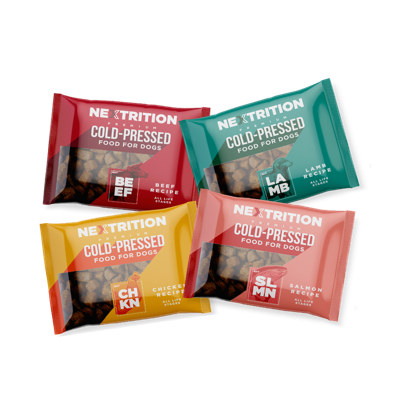
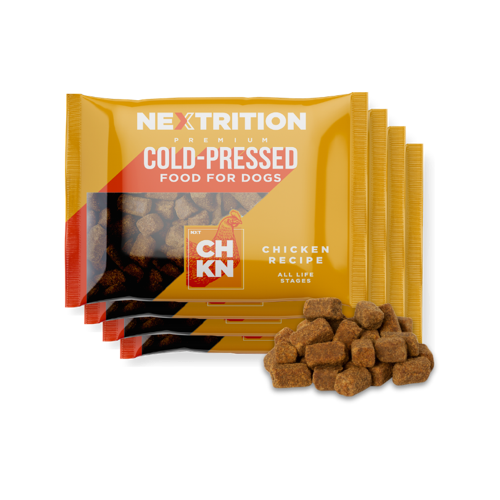
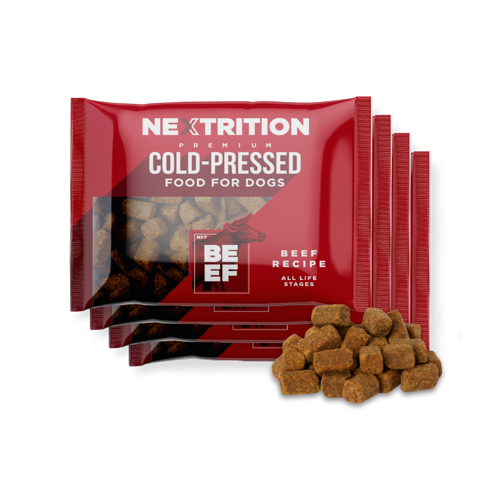
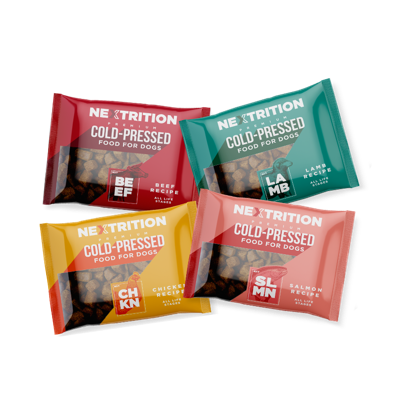
Our four cold-pressed recipes built around lamb, chicken, salmon, and beef give owners a structured way to test protein fit without giving up ingredient quality. That's useful because the best dog food for gas and diarrhea is the one your individual dog handles well week after week, not the one with the loudest promise on the front of the bag.
The right recipe is the one that makes your dog boring in the best possible way.
How to Switch to a New Food Without Creating More Digestive Chaos
Even a better food can look like a bad food if you switch too fast. Sudden changes can disrupt gut bacteria and trigger loose stool, bloating, or vomiting.
A slower transition is usually the smarter move. Think in the range of 10 to 14 days.
- Start with a small amount of the new food mixed into the current food.
- Increase gradually every few days.
- Watch stool quality, appetite, and gas before increasing again.
- Slow down if your dog starts getting loose stool or obvious discomfort.
For sensitive dogs, smaller and more consistent meals can help during the transition. Fast eaters especially tend to do better when you remove the rush from the process.
Keep the rest of the routine boring for a bit:
- limit new treats
- skip table food
- keep meal timing consistent
- don't test extra toppers at the same time
Monitor the basics closely. Stool form. Bowel movement frequency. Gas. Energy. Appetite. If skin or coat issues were part of the picture, watch those too.
If symptoms worsen or fail to improve after a proper transition, you may need a different formula or a veterinary follow-up. Sometimes the answer is patience. Sometimes the food just isn't the fit.
What Long-Term Digestive Support Should Actually Feel Like
Long-term success isn't just "the diarrhea stopped." That's too low a bar.
A good sensitive stomach dog food should create a more stable pattern overall. You want more predictable stools, less gas, better enthusiasm at mealtime, steadier energy, and fewer flare-ups after ordinary meals. Not perfection. Stability.
When the gut is better supported, other things often settle too. Coat quality can improve. General comfort can improve. Some dogs just seem less worn down by eating.
Still, be honest about timing. Some improvement can show up within a few weeks, but true pattern recognition takes consistency. We've seen owners call a food a miracle after four good days, then abandon it after one off stool. That's not a fair read. Give the body enough time to answer clearly.
For some dogs, a longer elimination-style approach is the only way to spot real triggers. That takes discipline. But it works better than changing foods every time something feels a little off.
This also needs to be sustainable for you. Clear ingredients. A routine your household can actually keep. A format your dog enjoys and tolerates. A personalized meal plan, plus the choice between one-time orders and recurring delivery, can help owners stay consistent, and consistency is often half the battle in digestive recovery.
Conclusion
Digestive issues usually don't need a complicated fix. They do need a more thoughtful feeding approach.
The right sensitive stomach dog food should be easy to digest, nutritionally complete, and built around ingredient quality, moderate richness, and your dog's actual tolerances. Processing matters as much as the ingredient list. Slower transitions and simpler recipes usually teach you more than constant food hopping ever will.
So start with one gentle, high-quality formula. Transition carefully. Then watch your dog over time. Real patterns beat guesswork every time.


